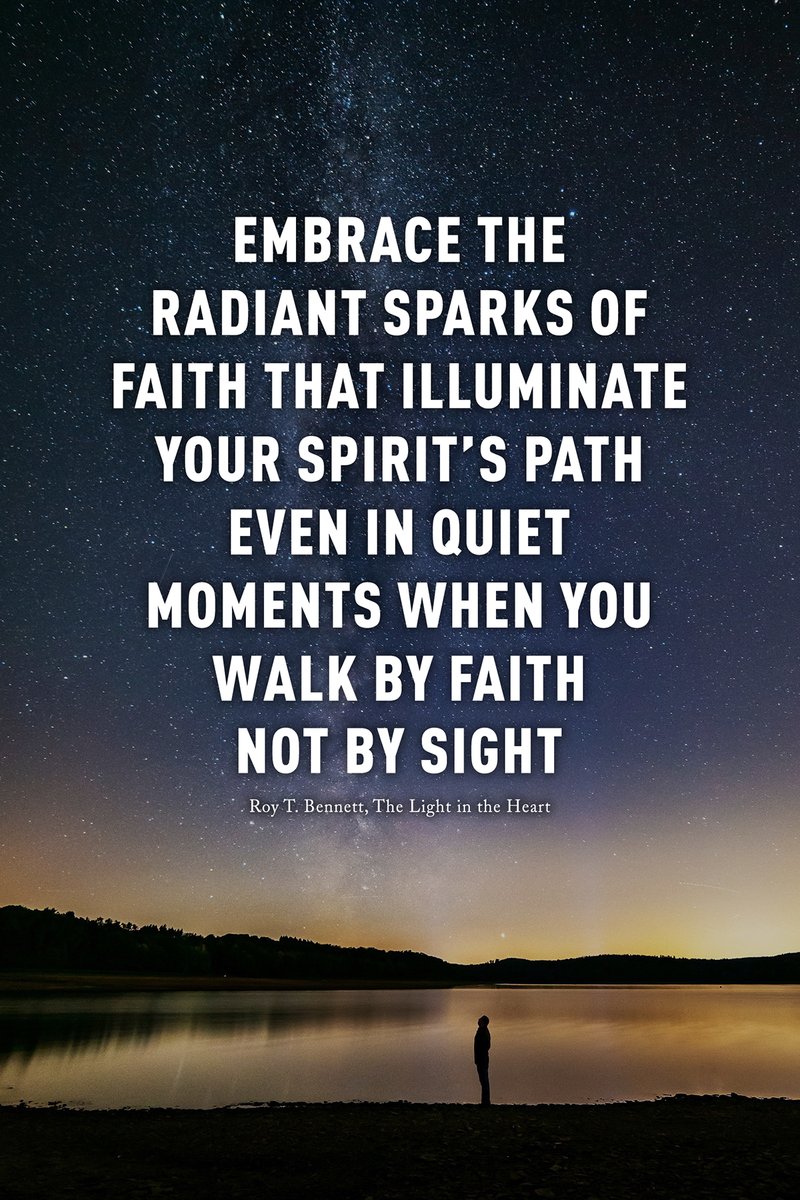
Why You Should Stop Worrying and Completely Surrender Your Problems to God
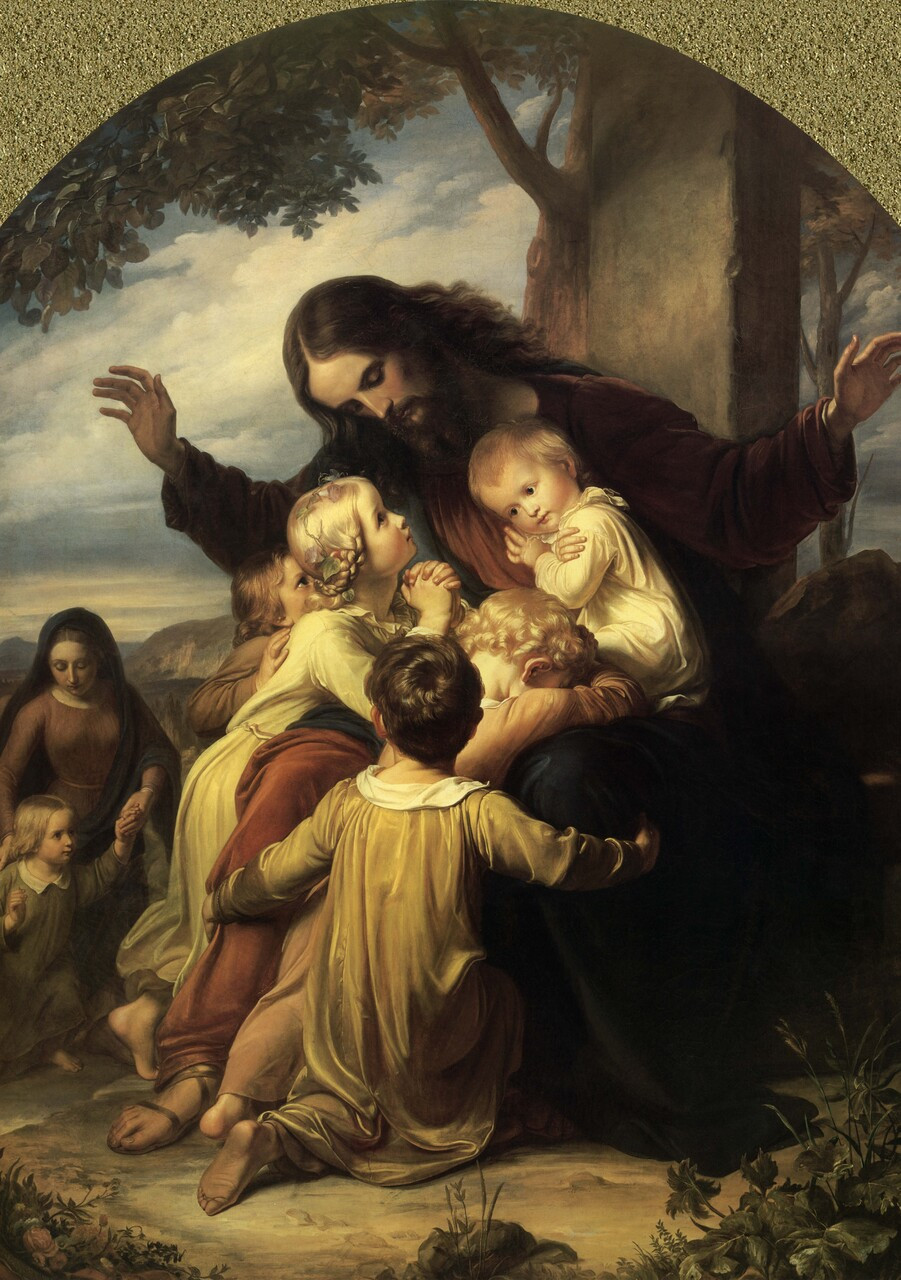
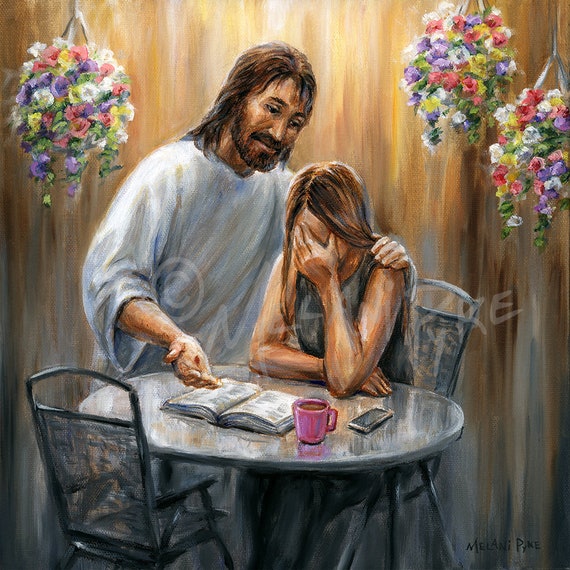
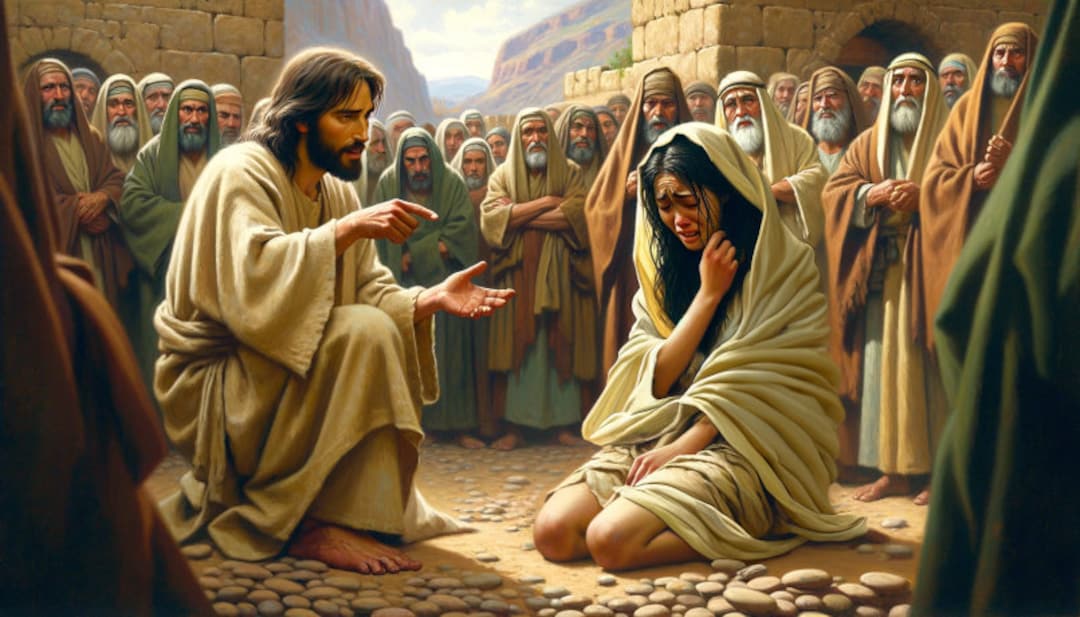
Many people spend their lives weighed down by worry. We worry about the future, our families, finances, health, and countless other things beyond our control. Yet spiritual wisdom reminds us of a powerful truth: peace begins when we surrender our worries to God.
The message is simple but profound:
“Why do you confuse yourselves by worrying? Leave the care of your affairs to me and everything will be peaceful. I say to you in truth that every act of true, blind, complete surrender to me produces the effects that you desire and resolves all difficult situations.”
These words invite us to trust deeply and release the burdens we carry unnecessarily.
The Burden of Worry
Worry often comes from the illusion that we must control everything. When life becomes uncertain, our minds try to solve problems before they even exist. The result is anxiety, restlessness, and exhaustion.
But worry rarely changes outcomes. Instead, it drains our energy and prevents us from experiencing the peace that faith can bring.
Faith invites us to replace anxiety with trust.
What True Surrender Really Means
True surrender does not mean giving up or becoming passive. It means:
Trusting that God sees the bigger picture
Believing that divine wisdom is greater than our understanding
Letting go of fear and accepting guidance with faith
Complete surrender is an act of humility. It acknowledges that while we can do our best, we do not carry life alone.
When we surrender our worries, we create space for peace, clarity, and solutions to appear.
The Peace That Comes from Trust
When we entrust our concerns to God, something remarkable happens: our hearts become lighter.
Instead of being trapped in cycles of worry, we begin to experience calm and confidence. Problems that once seemed overwhelming become manageable. Often, solutions appear in ways we never expected.
Surrender transforms our perspective. Rather than asking, “How will I solve this?” we begin to ask, “How is God guiding me through this?”
Practicing Surrender in Daily Life
Learning to surrender is a daily practice. It can be strengthened through small steps:
Prayer: Speak honestly about your worries and entrust them to God.
Reflection: Pause when anxiety rises and remember that you are not alone.
Trust: Believe that every challenge can lead to growth and resolution.
Letting go: Release the need to control outcomes.
Each moment of surrender deepens faith and invites peace into our lives.
A Final Reflection
Life will always present uncertainties. But worry is not the answer. True peace comes when we trust that God is already working within our circumstances.
When we surrender completely—with faith, humility, and openness—we discover that many problems resolve themselves in ways beyond our imagination.
So the next time worry begins to take hold, remember these words:
“Leave the care of your affairs to me and everything will be peaceful.”
In surrender, we find not weakness—but strength, clarity, and peace.
Pray 10 times: “O Jesus, I surrender myself to you, take care of everything.”✨
Across the world, housing costs are rising rapidly. In many countries, buying or even renting a home has become increasingly difficult for ordinary people. Major cities are facing housing shortages, construction costs are increasing, and millions of families are struggling to find affordable places to live.
But what if there were a way to build a durable, safe, and earthquake-resistant home for as little as $5,000 using mostly natural materials found in the surrounding environment?
It may sound surprising, but a construction method known as SuperAdobe or earthbag building has been gaining attention for exactly that reason. This innovative technique allows builders to create strong homes using soil, sandbags, and simple tools.
Supporters believe this method could help address the global housing crisis by making home construction far more affordable and environmentally sustainable.
However, despite its advantages, many regions have strict regulations that make it difficult—or even illegal—to build homes using this technique.
So how exactly does the $5,000 house work, and why is it creating such debate in the modern housing industry?
What Is the $5,000 House?
The term “$5,000 house” refers to homes built using earthbag construction, a building method that uses bags filled with soil as the primary structural material.
This system was developed by architect Nader Khalili, who created a construction technique known as SuperAdobe. His goal was to design housing that was affordable, strong, and accessible to people in nearly any part of the world.
Instead of traditional building materials like bricks, concrete, or wood framing, earthbag homes rely on a surprisingly simple set of materials.
These include:
Long sandbags or fabric tubes
Local soil or sand used as the main filling material
Barbed wire placed between layers for structural reinforcement
Basic tools such as shovels, tampers, and buckets
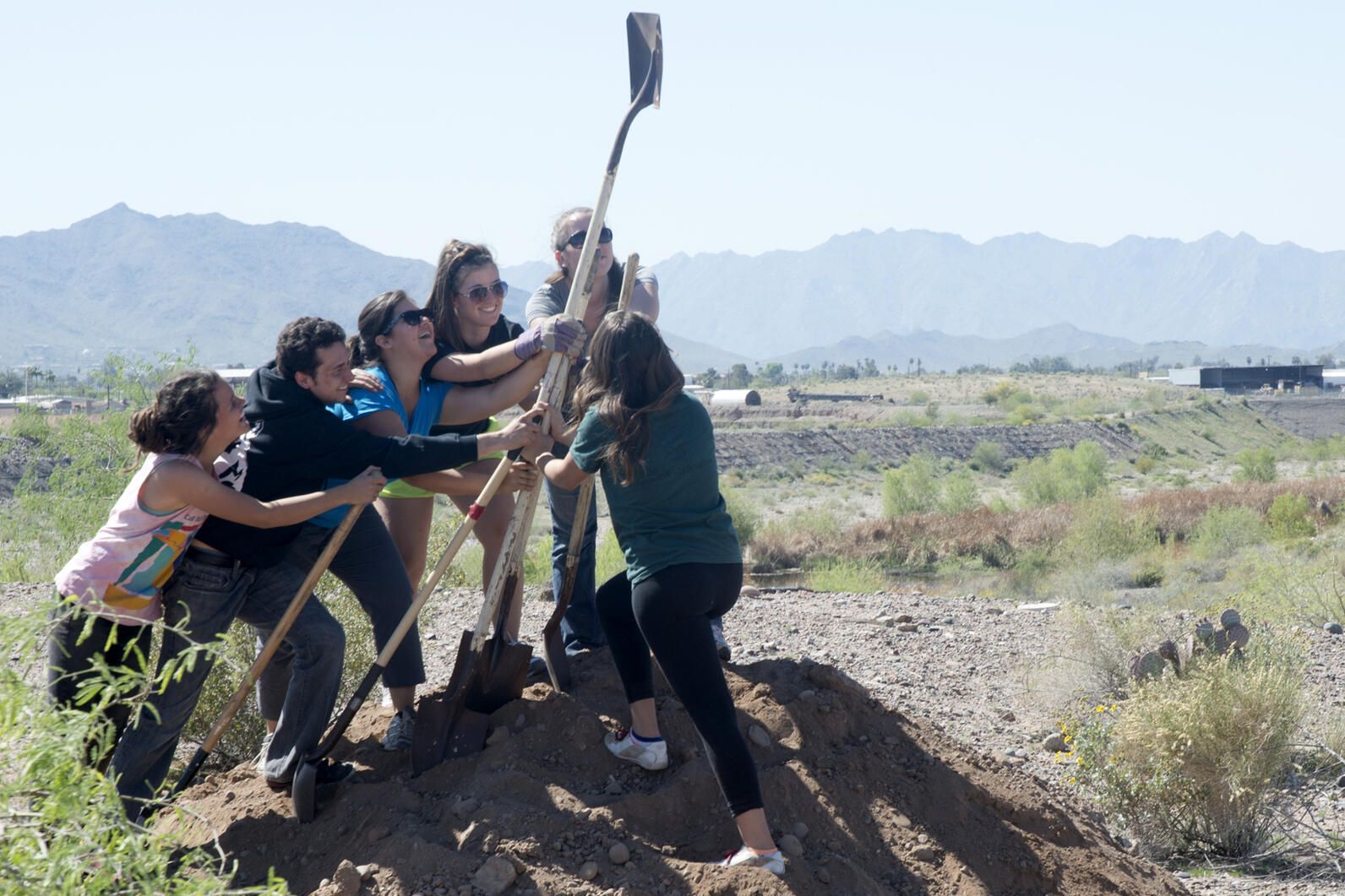
The process involves filling the bags with soil and stacking them in layers, similar to building with bricks. Each layer is compacted tightly to create a solid structure.
Barbed wire placed between each row acts like mortar and reinforcement, preventing the bags from shifting and improving structural stability.
Over time, these layers form thick walls that can support roofs or even create dome-shaped homes.
The dome design is particularly important because it distributes weight evenly across the structure, making the home extremely stable and resistant to external forces.
Once the structure is complete, builders typically cover the exterior with plaster, stucco, or natural finishes to protect the bags from sunlight and weather.
The final result is a strong, durable home built primarily from the earth itself.
The Vision Behind SuperAdobe Construction
The idea behind SuperAdobe construction was originally inspired by an unusual concept: building homes in space.
Nader Khalili believed that future settlements on the Moon or Mars would need to rely on materials available locally rather than importing expensive building supplies.
His solution was simple yet powerful—use soil from the surrounding environment as the primary construction material.
This concept attracted interest from organizations such as NASA, which explored the possibility of using similar techniques for extraterrestrial construction.
While building homes on Mars remains a future possibility, the idea proved incredibly useful on Earth.
Khalili later founded the California Institute of Earth Art and Architecture (CalEarth), where the SuperAdobe technique has been researched, tested, and taught to builders from around the world.
Today, earthbag homes have been built in many countries, including:
The United States
Mexico
Iran
Nepal
Thailand
Various parts of Africa
These structures have been used for housing, schools, disaster shelters, and community buildings.
Why Earthbag Homes Are Surprisingly Strong
At first glance, a house made from bags filled with dirt may not sound particularly strong. However, the engineering principles behind earthbag construction make these structures remarkably durable.
In fact, many earthbag homes have demonstrated impressive resistance to earthquakes, extreme weather, and other environmental challenges.
Here are some of the key reasons why these homes are so strong.
1. Earthquake Resistance
One of the most important advantages of earthbag homes is their ability to withstand earthquakes.
The curved dome design used in many SuperAdobe structures allows forces to be distributed evenly throughout the building. Instead of concentrating stress at corners or joints, the structure behaves as a unified shell.
Combined with the flexibility of earth-filled bags and reinforcing barbed wire, this design helps the building absorb seismic energy.
In earthquake-prone regions, this flexibility can significantly reduce the risk of structural collapse.
2. Extreme Durability
Earthen construction techniques have been used for thousands of years across different civilizations.
Ancient buildings made from earth-based materials still stand today in places such as the Middle East, North Africa, and parts of Asia.
Earthbag homes share similar characteristics with rammed earth structures, which are known for their long-lasting strength.
When properly constructed and protected from moisture, these buildings can potentially last hundreds of years.
3. Natural Insulation
Another major advantage of earthbag homes is their excellent thermal performance.
The thick earthen walls act as thermal mass, meaning they absorb heat slowly and release it gradually over time.
This creates a natural temperature regulation effect.
During hot days, the walls absorb heat from the sun, preventing the interior from overheating. At night, the stored heat is released slowly, keeping the home comfortable.
In colder climates, the thermal mass helps retain warmth, reducing heating needs.
As a result, earthbag homes often require far less energy for heating and cooling compared to conventional houses.
4. Sustainable Construction
Earthbag construction is considered one of the most environmentally friendly building methods available.
Traditional construction materials like concrete and steel require large amounts of energy to produce and transport.
Concrete production alone is responsible for a significant percentage of global carbon emissions.
In contrast, earthbag homes rely mainly on local soil, which means fewer industrial materials are needed.
This reduces both transportation costs and environmental impact.
Because of this, earthbag homes are often promoted as part of the sustainable building movement.
Why Some Places Don’t Allow Earthbag Homes
Despite their advantages, earthbag homes are not always easy to build legally.
In many countries and cities, strict building regulations make it difficult for alternative construction methods to gain approval.
These restrictions usually exist for several reasons.
Building Codes
Most building codes are designed for conventional construction methods using materials such as:
Concrete
Brick
Steel
Wood framing
Because earthbag construction is relatively uncommon, it may not be included in standard building codes.
This can create challenges for builders trying to obtain permits.
In some cases, authorities may require additional engineering tests or structural certifications before approving an earthbag home.
Safety Certification
Even though many earthbag structures have passed structural tests, local authorities may require proof that a specific design meets safety standards.
This may involve hiring engineers to analyze the structure and verify its stability.
While this helps ensure safety, it can also increase costs and make the process more complicated.
Zoning and Housing Regulations
Another obstacle is zoning laws.
Many cities regulate the types of homes that can be built in certain areas. These rules may include requirements related to:
Minimum house size
Construction materials
Architectural styles
Dome-shaped homes or unconventional building methods may not meet these requirements.
As a result, even safe and durable earthbag homes may be restricted simply because they do not match existing zoning standards.
Could Earthbag Homes Help Solve the Housing Crisis?
Around the world, millions of people struggle to afford traditional housing.
In many developing countries, access to safe housing remains a major challenge. Even in wealthy nations, rising property prices have made home ownership increasingly difficult.
Supporters of earthbag construction believe it could help address several of these problems.
Affordable Housing
Because the primary material is local soil, construction costs can be dramatically reduced.
In some regions, small earthbag homes have been built for between $5,000 and $10,000, depending on labor and finishing materials.
This affordability makes the method attractive for communities seeking low-cost housing solutions.
Disaster Relief Shelters
Earthbag structures are also useful in areas affected by natural disasters.
After events such as earthquakes, hurricanes, or floods, communities often need fast and affordable ways to rebuild.
Because earthbag construction requires simple tools and locally available materials, it can allow communities to rebuild homes quickly.
Off-Grid Living
Earthbag homes are also popular among people interested in off-grid living and sustainable lifestyles.
The natural insulation and low construction costs make them suitable for remote locations where traditional building materials may be expensive or difficult to transport.
The Future of Alternative Building
As housing prices rise and environmental concerns increase, interest in natural building methods continues to grow.
Architects, engineers, and sustainability advocates are exploring various alternatives to conventional construction.
Some popular methods include:
SuperAdobe construction
Rammed earth buildings
Cob houses
Straw bale homes
Earth-sheltered houses
Each of these techniques uses natural materials to create durable and energy-efficient homes.
While these methods may not replace conventional housing entirely, they offer valuable ideas for creating more sustainable and affordable buildings.
Conclusion
The concept of the $5,000 house demonstrates that innovative housing solutions do not always require expensive materials or advanced technology.
Sometimes the most effective ideas come from ancient building techniques adapted for modern needs.
Earthbag and SuperAdobe construction show that it is possible to build homes that are:
Affordable
Strong
Energy efficient
Environmentally sustainable
Although building regulations still limit their widespread adoption, these homes represent an exciting possibility for the future of housing.
As the world searches for solutions to rising housing costs and environmental challenges, one thing becomes clear:
Affordable, sustainable housing might be simpler—and closer to the earth—than we ever imagined.
Please leave a comment.
Rick Herring thmjmj@gmail.com
Click Here to access all the blogs on this website and learn about our income producing, income saving programs. Click blogs on the top left and pages at the top.
Sunday – There was a church service here at WFV. I watched Mass on EWTN. com.
Monday – Doctor’s Appointmentsall day. A 1 PM Church Service.
Tuesday – Errands at 9 AM and 1 PM. Meteorology Class Was very informative on how the weather we experience comes about. Birthday Card signing. Where the residence sign birthday cards for those have a birthday next month.
Walk in the Park where there is a big pond loaded with ducks and the history of Irving is displayed in informative plaques.
Wednesday – Doctors Appointments all day. Bible Study. Lunch outting at Angelos. Ten people went. Ten in the WFV bus and three came in a car. Bingo and a 6:30 PM Church Service.
Thursday – Famous Interviews featured Robin Williams. Mark Dunn entertained with songs while playing the piano. Drum Class.
Friday – Breakfast outing at Dennys. Braums outing at 1 PM. Movie night.
Saturday – End of Week Quiz. Reciting the Rosary in the Chapel. The Las Collnas Symphony Orchestra at the Las Colinas Arts Center.
As you can see another great week at West Fork Village. A Place where Seniors Thrive.
The dance will be on Saint Patrick’s Feast Day, March 17th. So might we guess what the them might be? The possiblity of the color green might might rain supreme. The time is 6 to 8 PM.
To learn more about West Fork Village in Irving, Texas, for you or a loved one, call 972-721-1500.
Thank you for reading this blog. Please share with others.
Rick Herring thmjmjAgmail.com
P.S. For recipes, vacation ideas, spiritual blogs, ways to save and make money and much more Click Here.
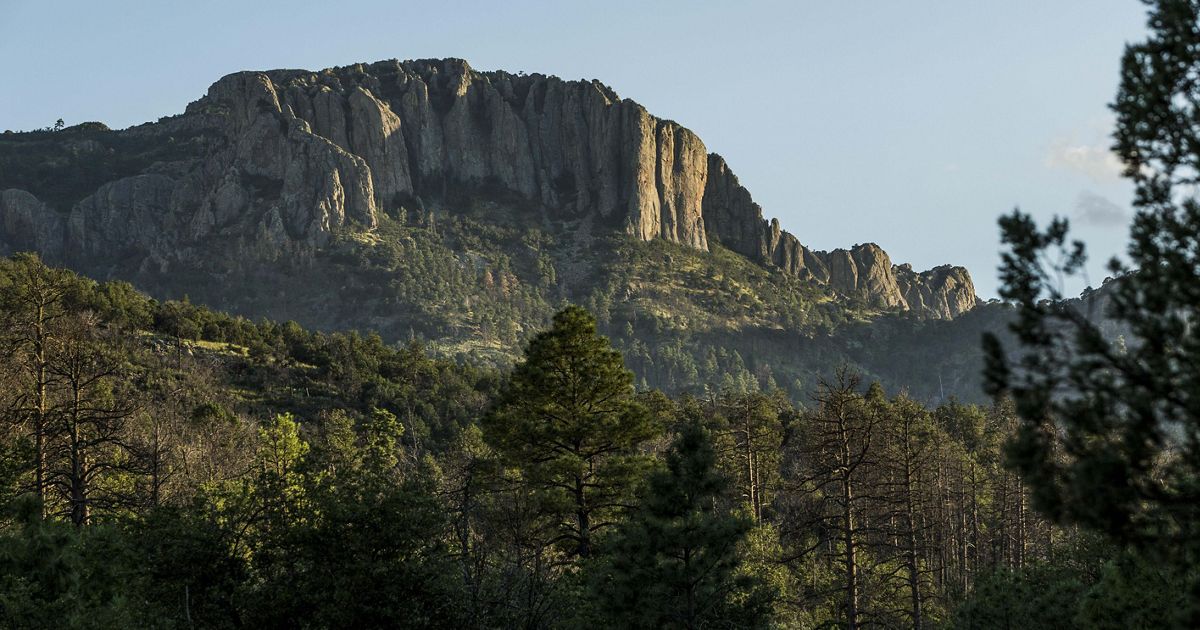
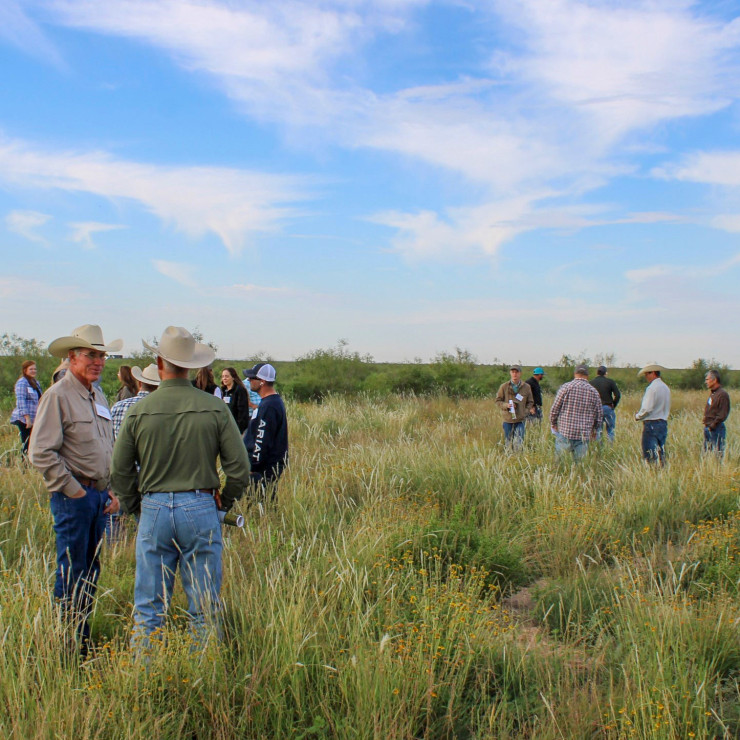
West Texas is known for its wide open skies, rugged mountains, desert landscapes, and unique wildlife. But these landscapes are more than just beautiful—they are also fragile ecosystems that require careful protection.
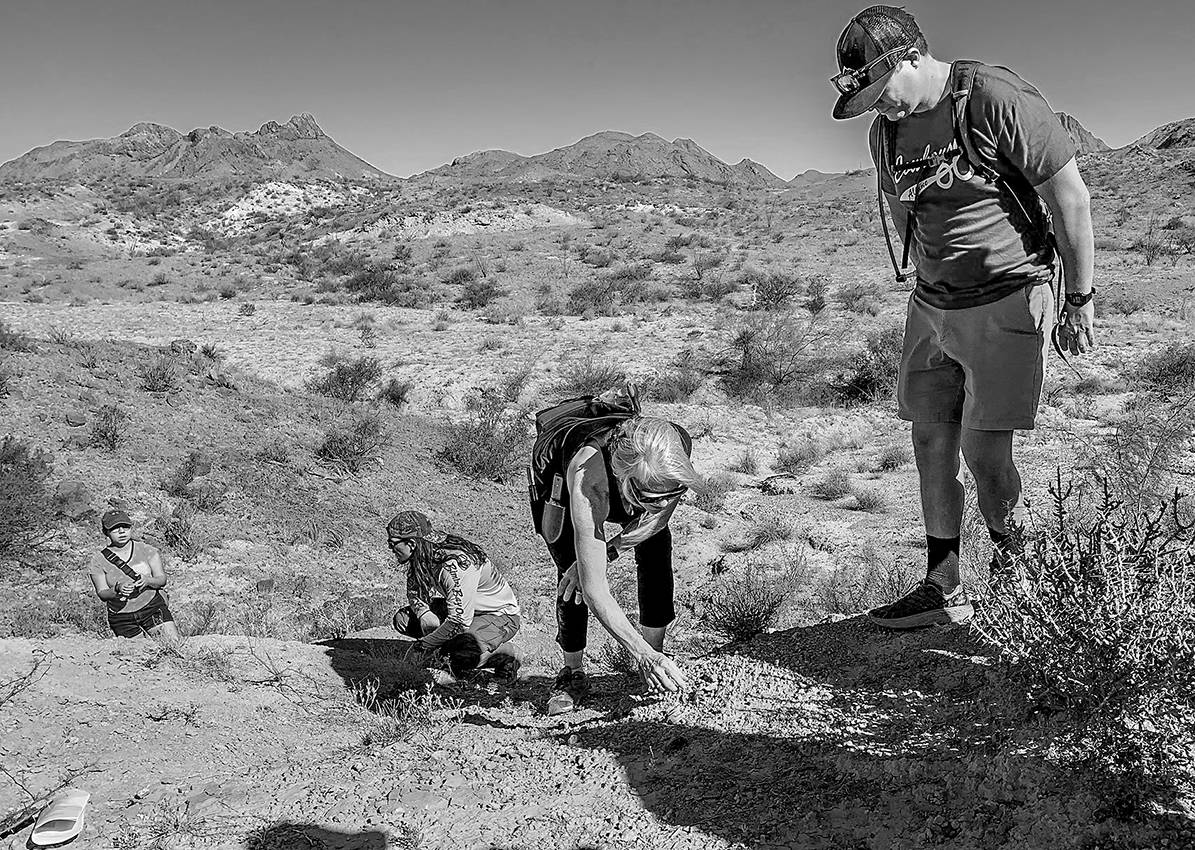
In the video “Making of a Million – Daytripping with The Nature Conservancy in Texas,” viewers travel across West Texas to explore how conservationists, landowners, and communities are working together to protect natural spaces. The effort celebrates the milestone of protecting over one million acres of land across Texas.
A Mission to Protect Texas Landscapes
Organizations like The Nature Conservancy work with local landowners and communities to protect natural habitats across Texas.
Their mission includes:
Preserving wildlife habitats
Protecting rivers, grasslands, and deserts
Maintaining healthy ecosystems for future generations
Supporting sustainable land management
Reaching the milestone of one million acres protected represents years of collaboration between conservation groups and private landowners.
Why West Texas Is So Important
West Texas contains some of the most diverse and dramatic landscapes in the state. This region includes desert ecosystems, mountain ranges, and grasslands that support many species of plants and animals.
Key features of West Texas ecosystems include:
The Chihuahuan Desert – one of the most biologically diverse deserts in the world
Mountain habitats that support unique wildlife species
Grasslands and prairies that provide migration corridors for animals
Clear night skies and remote wilderness
Protecting these ecosystems helps maintain biodiversity and ensures that future generations can experience the natural beauty of the region.
Partnerships with Local Landowners
A major part of conservation in Texas involves partnerships with private landowners and ranchers.
Because most land in Texas is privately owned, conservation organizations often work directly with landowners to develop solutions that benefit both nature and agriculture.
Examples of collaborative efforts include:
Conservation easements
Sustainable ranching practices
Habitat restoration projects
Water resource protection
These partnerships allow working ranches and wildlife habitats to coexist successfully.
The Future of Conservation in Texas
Protecting one million acres is a significant milestone, but conservation work continues. Scientists and environmental groups are focused on:
Restoring damaged ecosystems
Protecting endangered species
Addressing climate challenges
Expanding conservation areas across the state
The goal is to ensure that Texas’ natural heritage—especially in regions like West Texas—remains intact for generations to come.
Conclusion
West Texas represents some of the most breathtaking and ecologically important landscapes in the United States. Through collaboration between conservation organizations, scientists, and landowners, more than one million acres of Texas land have been preserved.
These efforts highlight the importance of protecting natural environments while supporting the communities that live and work on the land.
The story of conservation in West Texas is not just about protecting land—it is about preserving a legacy of nature, wildlife, and open spaces for the future.
Click here to access a free vacation for seven nights in your choose of 3500 + locations. One might be West Texas.
In a world filled with uncertainty, stress, and constant change, humanity continues to search for something deeper—true joy. Not the temporary happiness that comes from possessions, success, or circumstances, but a lasting joy that satisfies the soul. For millions of believers across the world, that joy is found in Jesus Christ.
The message of the Gospel declares that Jesus is the joy of every human heart. His love, grace, and promise of eternal life bring hope to people in every nation, culture, and generation.
A Joy That Goes Beyond Circumstances
Many things can bring temporary happiness: achievements, relationships, wealth, or entertainment. Yet these joys often fade when life becomes difficult.
Jesus offers something different—a joy that remains even in hardship.
When Jesus spoke to His disciples, He promised them a joy that no one could take away. This joy does not depend on the situation around us but on the relationship we have with Him. Even during trials, believers experience peace and strength through faith in Christ.
True joy comes from knowing:
You are loved by God.
Your life has purpose.
Your future is secure in Him.
Jesus Brings Hope to the Brokenhearted
Throughout His ministry, Jesus reached out to those who were hurting—the sick, the rejected, the poor, and the brokenhearted. He offered healing, forgiveness, and restoration.
His compassion revealed the heart of God.
Even today, people who feel lost, burdened, or discouraged discover that Jesus meets them in their pain. Through prayer, Scripture, and faith, many testify that Christ brings comfort that the world cannot give.
This is why countless believers throughout history have declared that Jesus fills the deepest longing of the human heart.
The Source of True Peace and Purpose
One of the reasons Jesus brings joy is because He gives meaning to life.
Without purpose, people often feel empty despite success or material wealth. Jesus teaches that every person is created with value and designed for a relationship with God.
Through Him we discover:
Our identity as children of God
Our calling to love and serve others
Our hope for eternal life
When people begin living with this understanding, their lives are transformed with new joy and direction.
Joy That Spreads to Others
The joy that Jesus gives is not meant to be kept to ourselves. It naturally flows outward into love, kindness, and compassion for others.
When someone experiences the joy of Christ, it often leads them to:
Encourage those who are discouraged
Help those in need
Share hope with those searching for meaning
This ripple effect is one reason Christianity has spread throughout the world for centuries. The joy of Christ becomes a light that draws others toward faith and hope.
Conclusion
Every human heart longs for joy, peace, and meaning. While the world offers many temporary solutions, only one source provides lasting fulfillment.
Jesus Christ offers a joy that goes beyond circumstances, heals the brokenhearted, and gives life eternal purpose. For those who follow Him, He becomes more than a teacher or historical figure—He becomes the true joy of the heart.
And that joy continues to transform lives every day.
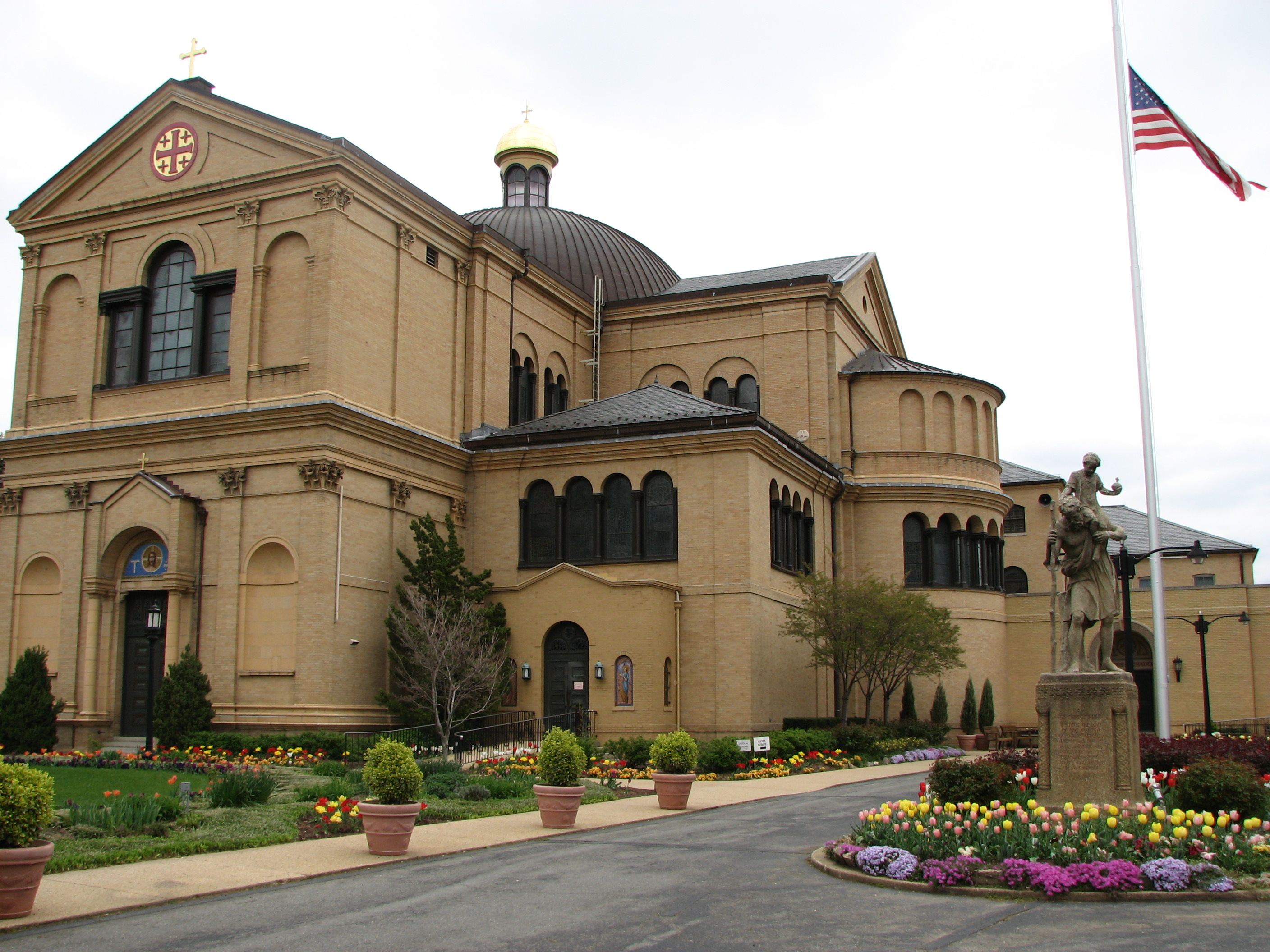
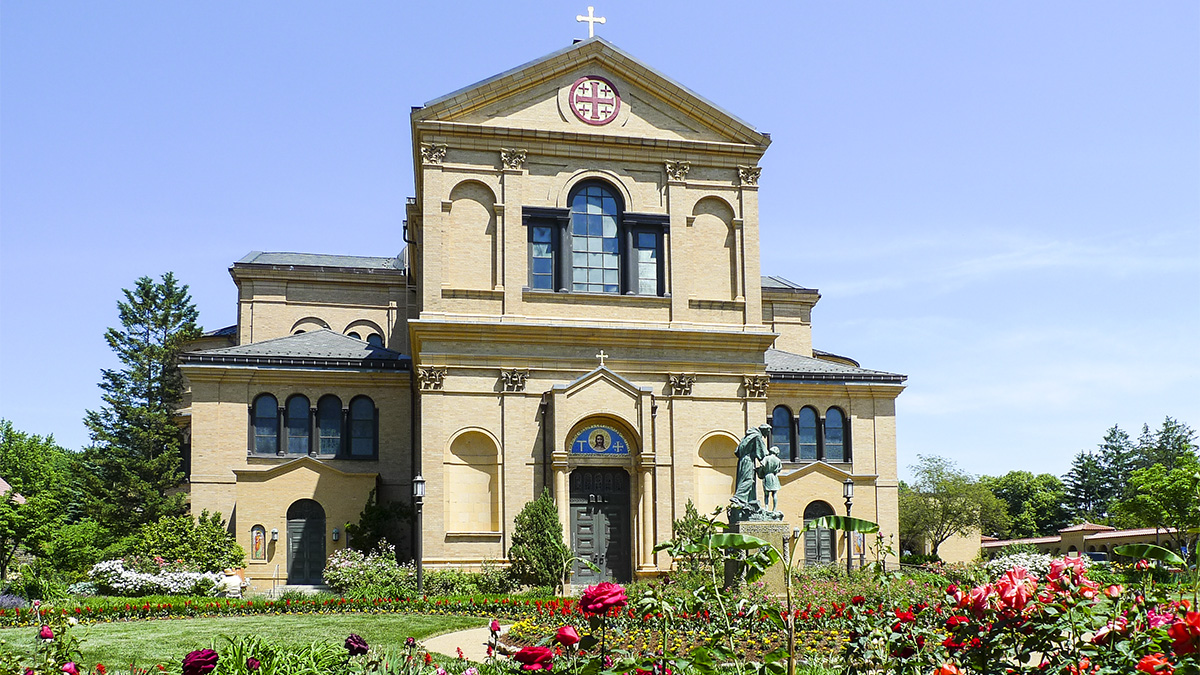
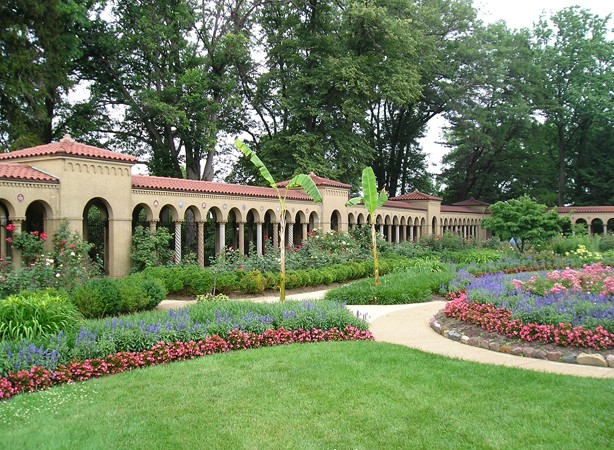
Nestled on a quiet hill in the Brookland neighborhood of Washington, D.C., the Franciscan Monastery of the Holy Land in America is one of the city’s most peaceful and spiritually rich destinations. Often described as a “Little Jerusalem,” the monastery offers visitors a chance to experience replicas of sacred sites from the Holy Land without leaving the United States.
The monastery complex combines sacred architecture, tranquil gardens, and devotional spaces, making it both a pilgrimage site and a cultural landmark. It is home to Franciscan friars who continue an 800-year mission of caring for Christian holy places in the Holy Land.
A Vision to Bring the Holy Land to America
The idea for the monastery originated in the late 19th century through the vision of Father Charles A. Vassani and Father Godfrey Schilling, O.F.M. Their goal was to build a place in the United States that would replicate the most sacred sites of Christianity for pilgrims who could not travel to the Holy Land.
After purchasing land in Washington, D.C. in 1897, the Franciscans began constructing the monastery and its church. Architect Aristide Leonori, from Rome, designed the central Memorial Church of the Holy Sepulcher, which was completed in 1899.
The church reflects a Neo-Byzantine architectural style, inspired by early Christian buildings and the famous Church of the Holy Sepulchre in Jerusalem.
Over the following decades, additional shrines, gardens, and chapels were added, turning the grounds into a devotional landscape representing key moments in the life of Christ.
Replicas of Holy Land Shrines
4
One of the monastery’s most unique features is its collection of replicas of sacred places in the Holy Land. These carefully constructed sites allow visitors to meditate on biblical events in a setting that mirrors the geography and spirituality of Jerusalem and Bethlehem.
Among the most notable are:
A replica of the Holy Sepulchre, commemorating the burial and resurrection of Christ
The Grotto of the Nativity, recalling the birthplace of Jesus
The Garden of Gethsemane shrine
A Lourdes grotto honoring the Marian apparition in France
The Rosary Portico, a cloister-like walkway with chapels depicting the mysteries of the Rosary
The Rosary Portico is particularly distinctive, containing plaques with the prayer “Hail Mary” written in nearly 200 languages, symbolizing the global reach of Christian devotion.
The Monastery Gardens: An Oasis of Peace
Surrounding the church are century-old gardens covering more than 40 acres, filled with flowers, trees, and contemplative pathways.
The gardens are known for their peaceful atmosphere and have even been recognized as one of the most tranquil places in Washington, D.C.
Visitors strolling through the grounds encounter:
Over 1,000 rose plants
Hidden shrines and statues
Quiet paths designed for prayer and reflection
Landscaped terraces and cloister gardens
These gardens embody the Franciscan tradition of appreciating nature as a reflection of God’s creation.
The Catacombs Beneath the Church
Beneath the church lies one of the monastery’s most intriguing features: a network of catacombs modeled after those in ancient Rome.
These underground passageways contain symbolic burial niches and chapels, offering visitors a glimpse into early Christian burial traditions and spirituality. Some relics are also preserved here, including the bones of early saints brought from European catacombs.
Guided tours allow visitors to explore the catacombs while learning about early Christian history and the symbolism behind these sacred spaces.
A Living Pilgrimage Site Today
Today, the Franciscan Monastery remains an active religious community and pilgrimage destination. Each year, tens of thousands of visitors come to explore its church, gardens, and shrines.
The monastery continues to support the work of Franciscan friars in the Holy Land through education, spiritual formation, and fundraising for the preservation of Christian holy sites.
Beyond its religious mission, the monastery has become a cherished cultural landmark in Washington, D.C.—a place where history, faith, and beauty come together.
✅ Conclusion
The Franciscan Monastery of the Holy Land in Washington, D.C. offers a rare experience: a spiritual journey through the landscapes of biblical history within the heart of America’s capital. With its historic church, replicas of sacred shrines, peaceful gardens, and mysterious catacombs, the monastery provides a unique environment for reflection, learning, and pilgrimage.
Whether one comes for prayer, history, or simply to enjoy the serene surroundings, the monastery stands as a powerful reminder of the enduring connection between the United States and the sacred heritage of the Holy Land.
Click Here to get a free vacation that could easily include Washington DC
In today’s Gospel reading, we encounter one of Jesus’ most sobering parables: the story of Lazarus and the rich man from the Gospel of Luke (Luke 16:19–31).
The story is simple, yet profound.
A rich man lives a life of luxury, feasting and dressing in fine clothes. At his gate lies a poor man named Lazarus, covered in sores, longing for scraps from the rich man’s table. The rich man ignores him.
Eventually, both men die.
Lazarus is carried by angels to rest with Abraham, while the rich man finds himself in torment. From his suffering, the rich man sees Abraham and Lazarus in the distance and begs for relief.
Just a drop of water.
But the chasm between them cannot be crossed.
Desperate, the rich man makes one final request: He asks Abraham to send Lazarus back from the dead to warn his brothers.
Abraham answers with words that echo across centuries:
“If they do not listen to Moses and the prophets, neither will they be convinced if someone should rise from the dead.
Even the Resurrection Did Not Convince Everyone
In his homily, the deacon made a striking point.
Abraham’s words turned out to be prophetic.
Someone did rise from the dead.
That someone was Jesus Christ.
And yet, many still do not believe.
The Resurrection is the central miracle of Christianity — witnessed by the apostles, recorded in Scripture, and proclaimed for two thousand years.
Still, belief is not automatic.
Miracles alone do not force faith.
The Miracle of the Sun at Fatima
4
History offers another remarkable example.
In 1917, during the apparitions at Fátima, tens of thousands gathered after months of reported visions of the Virgin Mary.
On October 13, after a heavy rainstorm soaked the crowd, the clouds suddenly broke.
Witnesses reported something extraordinary.
The sun appeared to spin, dance, and plunge toward the earth in a dazzling display of light and color.
An estimated 70,000 people saw it.
The event became known as the “Miracle of the Sun.”
And yet — even with thousands of witnesses — some still do not believe.
Our Lady of Guadalupe
4
Another powerful moment occurred in 1531 in what is now Mexico City.
The Virgin Mary appeared to an Indigenous convert named Juan Diego on the hill of Tepeyac.
She asked that a church be built in her honor.
When the local bishop asked for proof, Mary instructed Juan Diego to gather roses from the hilltop. It was winter — roses did not grow there, especially not in the cold.
Yet when Juan Diego opened his cloak — his tilma — roses spilled out.
And something else appeared.
On the tilma was a miraculous image of Mary herself.
The site is now home to the great Basilica of Our Lady of Guadalupe, visited by millions every year.
Within a decade, historians estimate nine million Indigenous people converted to Christianity.
Still, some people do not believe.
The Real Message of the Parable
The lesson of the parable becomes clearer in light of these stories.
Faith is not only about seeing miracles.
It is about listening to God.
The rich man did not end up in torment because he lacked evidence of God. He had the Scriptures, the prophets, and the poor man at his gate every day.
He simply chose to ignore them.
The danger Jesus warns about is not ignorance.
It is hardness of heart.
Some Will Believe — and Some Will Not
Abraham’s words remain painfully true.
Even if someone rises from the dead…
Even if the sun dances in the sky…
Even if roses bloom in winter and a miraculous image appears on a cloak…
Some will still refuse to believe.
And perhaps the deeper question is not about miracles at all.
It is about trust.
There are people who will trust God.
And there are those who insist on doing things their own way.
The parable of Lazarus and the rich man asks each of us a quiet but serious question:
When God speaks — through Scripture, through the poor, through grace —
will we listen?
If you like this article, please share your feedback and follow me for When Even Miracles Aren’t Enough: Reflections on Lazarus and the Rich Man
Saint Katharine Drexel March 3 Franciscan Media Saint of the Day Stained glass rendering of Saint Katharine Drexel Image: Saint Stephen, Martyr Roman Catholic Church, Chesapeake, Virginia | Stained glass of Saint Katharine Drexel | photo by Nheyob Saint of the Day for March 3 (November 26, 1858 – March 3, 1955)
Saint Katharine Drexel’s Story
If your father is an international banker and you ride in a private railroad car, you are not likely to be drawn into a life of voluntary poverty. But if your mother opens your home to the poor three days each week and your father spends half an hour each evening in prayer, it is not impossible that you will devote your life to the poor and give away millions of dollars. Katharine Drexel did that.
Born in Philadelphia in 1858, she had an excellent education and traveled widely. As a rich girl, Katharine also had a grand debut into society. But when she nursed her stepmother through a three-year terminal illness, she saw that all the Drexel money could not buy safety from pain or death, and her life took a profound turn.
Saint Katharine Drexel had always been interested in the plight of the Indians, having been appalled by what she read in Helen Hunt Jackson’s A Century of Dishonor. While on a European tour, she met Pope Leo XIII and asked him to send more missionaries to Wyoming for her friend Bishop James O’Connor. The pope replied, “Why don’t you become a missionary?” His answer shocked her into considering new possibilities.
Back home, Katharine visited the Dakotas, met the Sioux leader Red Cloud and began her systematic aid to Indian missions.
Saint Katharine Drexel could easily have married. But after much discussion with Bishop O’Connor, she wrote in 1889, “The feast of Saint Joseph brought me the grace to give the remainder of my life to the Indians and the Colored.” Newspaper headlines screamed “Gives Up Seven Million!”
After three and a half years of training, Mother Drexel and her first band of nuns—Sisters of the Blessed Sacrament for Indians and Colored—opened a boarding school in Santa Fe. A string of foundations followed. By 1942, she had a system of black Catholic schools in 13 states, plus 40 mission centers and 23 rural schools. Segregationists harassed her work, even burning a school in Pennsylvania. In all, she established 50 missions for Indians in 16 states.
Two saints met when Saint Katharine Drexel was advised by Mother Cabrini about the “politics” of getting her order’s Rule approved in Rome. Her crowning achievement was the founding of Xavier University in New Orleans, the first Catholic university in the United States for African Americans.
At 77, Mother Drexel suffered a heart attack and was forced to retire. Apparently her life was over. But now came almost 20 years of quiet, intense prayer from a small room overlooking the sanctuary. Small notebooks and slips of paper record her various prayers, ceaseless aspirations, and meditations. She died at 96 and was canonized in 2000.
Reflection
Saints have always said the same thing: Pray, be humble, accept the cross, love and forgive. But it is good to hear these things in the American idiom from one who, for instance, had her ears pierced as a teenager, who resolved to have “no cake, no preserves,” who wore a watch, was interviewed by the press, traveled by train, and could concern herself with the proper size of pipe for a new mission.
These are obvious reminders that holiness can be lived in today’s culture as well as in that of Jerusalem or Rome. Saint Katharine Drexel reminds us that holiness can take many paths, but all of them lead to God. Saint Katharine Drexel: Pray for us!
The Saint John Paul II National Shrine is a Catholic place of prayer, pilgrimage, and education dedicated to the life and teachings of Pope John Paul II. Located in the Brookland neighborhood of Washington, D.C., the shrine welcomes visitors of all faiths and backgrounds who wish to learn about one of the most influential religious leaders of the twentieth century.
Beyond being a memorial, the shrine serves as a vibrant center for spiritual formation and cultural exploration. Through liturgies, exhibits, and prayer spaces, it encourages visitors to reflect on the message of faith, hope, and human dignity that characterized the life of Saint John Paul II.
Location and Setting
The shrine stands at 3900 Harewood Road NE in Washington, D.C., near two prominent Catholic institutions: The Catholic University of America and the Basilica of the National Shrine of the Immaculate Conception. The complex covers about 130,000 square feet and sits on a twelve-acre site, making it a major religious landmark in the capital city.
Because of its proximity to these institutions, the shrine forms part of an important Catholic spiritual and educational district in Washington, attracting pilgrims, students, and tourists alike.
Historical Development
The building that houses the shrine originally opened in 2001 as the Pope John Paul II Cultural Center. The center was envisioned as a place where people could explore questions of faith, culture, and interreligious dialogue.
However, the cultural center struggled financially and eventually closed in 2009. In 2011, the Catholic fraternal organization Knights of Columbus purchased the facility and began transforming it into a shrine dedicated to the then Blessed John Paul II.
After extensive renovations and the development of new exhibits and chapels, the site was officially designated a national shrine by the U.S. Conference of Catholic Bishops on April 14, 2014—the same year Pope Francis canonized John Paul II as a saint.
Architecture and Sacred Spaces
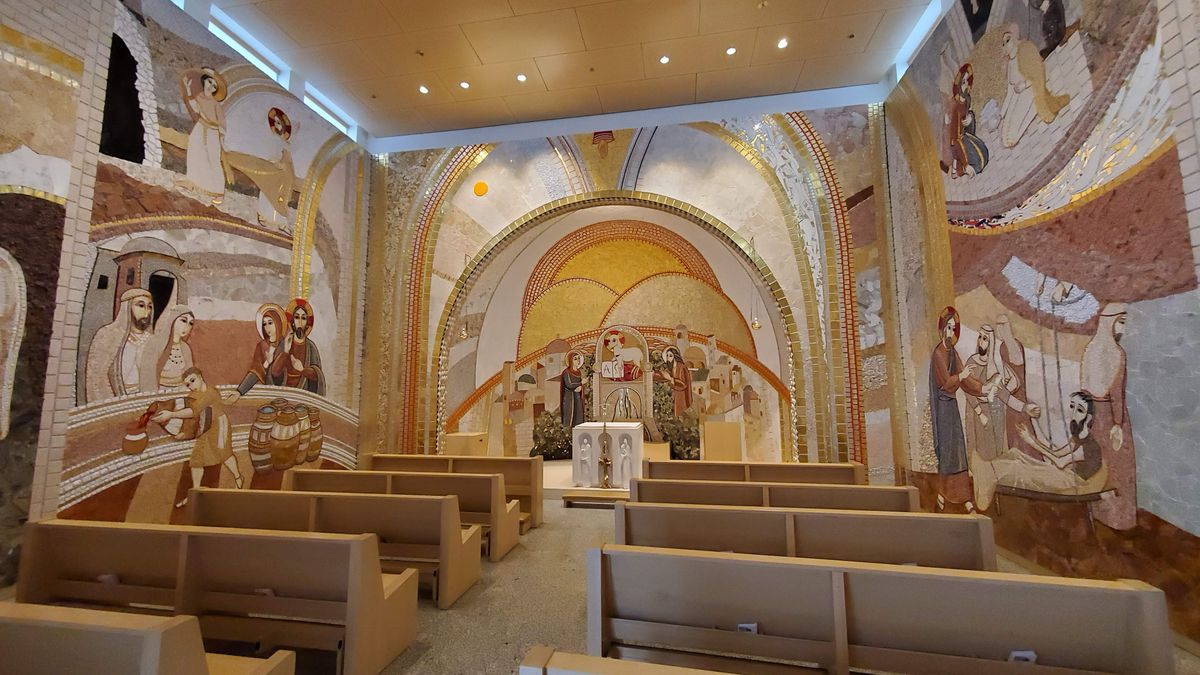
The shrine contains several notable religious spaces designed for prayer and worship. One of the central areas is the Redemptor Hominis Church, where daily Mass is celebrated and visitors gather for liturgical services. Another important space is the Luminous Mysteries Chapel, which houses a first-class relic of Saint John Paul II—a vial of his blood—allowing pilgrims to venerate the saint.
Both chapels are decorated with elaborate mosaics and sacred art that highlight key themes of Catholic theology and the spiritual legacy of John Paul II.
Museum and Educational Exhibits
A major attraction of the shrine is the permanent exhibition titled “A Gift of Love: The Life of Saint John Paul II.” This multimedia exhibit spans several galleries and traces the life of the Polish pope from his childhood in Nazi-occupied Poland to his historic papacy from 1978 to 2005.
Through photographs, artifacts, videos, and interactive displays, visitors learn about his experiences under totalitarian regimes, his leadership of the global Catholic Church, and his influence on world events. The exhibit also explores themes that defined his ministry, including human dignity, freedom, and the call to faith.
Spiritual and Cultural Significance
The shrine serves as a place of pilgrimage where believers can encounter the teachings of Saint John Paul II through prayer, reflection, and education. It hosts Mass, retreats, cultural programs, and special religious celebrations throughout the year.
More broadly, the shrine symbolizes the enduring impact of John Paul II’s message to “be not afraid” and to defend the dignity of every human person. His leadership during the late twentieth century—particularly his advocacy for human rights and religious freedom—continues to inspire people around the world.
Conclusion
The Saint John Paul II National Shrine stands as both a memorial and a living center of faith in the United States. By combining worship spaces, educational exhibits, and cultural programs, it invites visitors to explore the remarkable life and legacy of one of the most influential popes in modern history.
For pilgrims, scholars, and tourists alike, the shrine offers a meaningful opportunity to reflect on faith, history, and the enduring influence of Saint John Paul II.
Click Here for a free vacation certificate for a 7 night resort to one of 3500 locacations. One just might be Washington DC.
Rick Herring thmjmj@thmjmj8875
,P.S. Please leave a commit.
Saint John Paul II life and teachingsSaint John Paul II life and teachings