Category: History

  • Why CentrePort,in Far East Tarrant County Considered as Part of Fort Worth, Texas

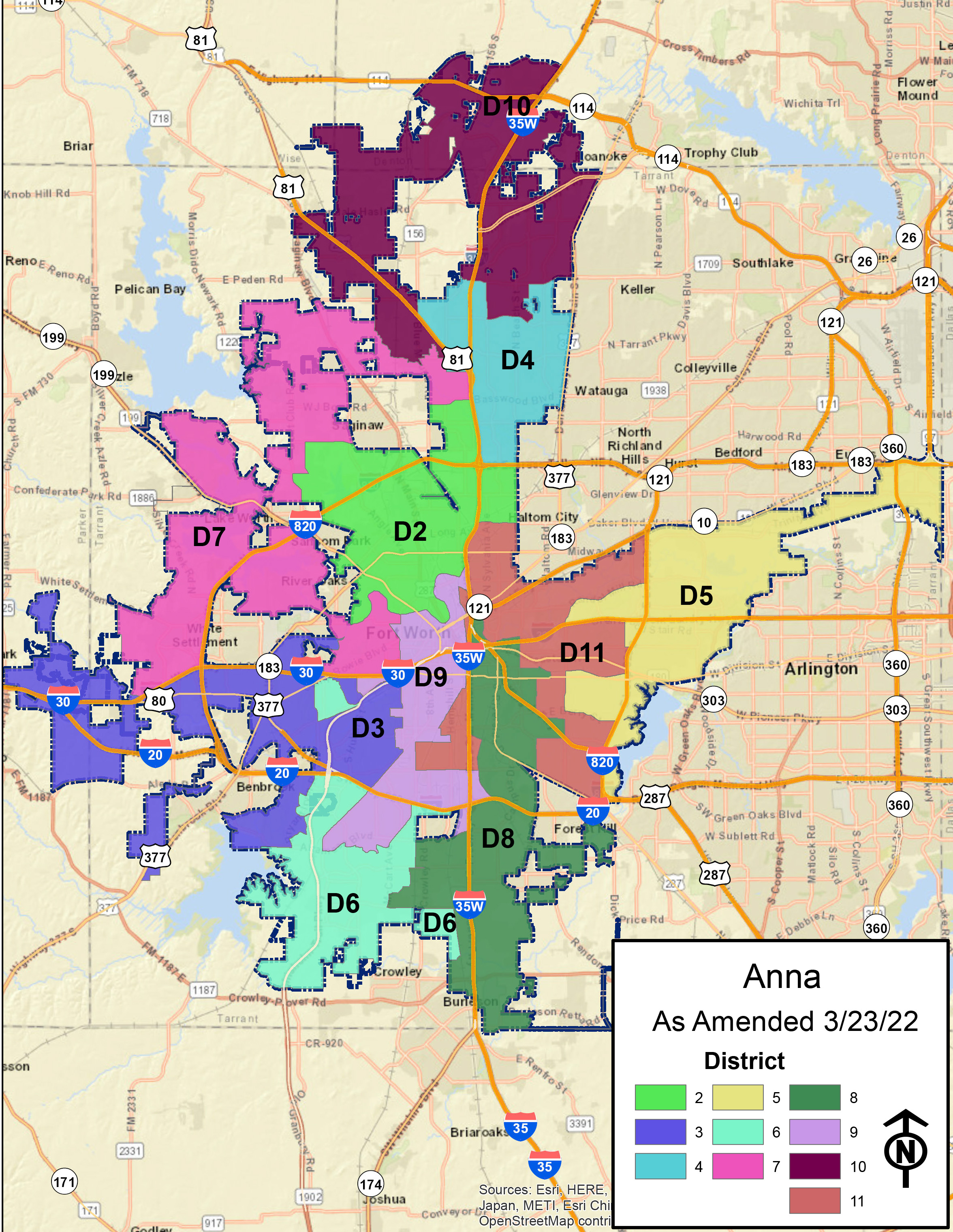
    The “Finger of Land” Into Arlington: Fort Worth’s Strategic Reach

    https://public.flourish.studio/uploads/30699/ff3b3d26-2b83-4de3-920c-360e3f1022cc.jpg
    https://www.star-telegram.com/public/latest-news/lwhsge/picture266976831/alternates/LANDSCAPE_1140/20135696.jpg
    https://images1.loopnet.com/i2/W7kHDH7-VYdL9UNM8aeHm2TzDATMoSLTeB68u4f_iKQ/118/image.jpg

    If you’ve ever looked closely at a city map of North Texas, you might notice something unusual: a narrow stretch of Fort Worth territory reaching eastward into what is otherwise Arlington and the Mid-Cities.

    At first glance, it looks like a mapping error—or a leftover quirk of development.
    But in reality, this “finger of land” is one of the most intentional geographic moves in Texas history.


    A Corridor by Design, Not Accident

    The strip dates back to the mid-20th century, when Fort Worth was determined to secure its place in the rapidly growing aviation industry.

    At the center of this story is Amon G. Carter Sr.—a powerful newspaper publisher, businessman, and one of the city’s most influential boosters.

    When Fort Worth developed what became Greater Southwest International Airport (originally called Amon Carter Field), the city made a bold move:

    👉 It annexed a narrow strip of land stretching eastward from Fort Worth all the way to the airport site.

    This ensured the airport was officially within Fort Worth’s city limits—even though geographically, it sat closer to Arlington.


    Why Go to Such Lengths?

    1. Keep the Airport “In Fort Worth”

    https://www.star-telegram.com/public/latest-news/lwhsge/picture266976831/alternates/LANDSCAPE_1140/20135696.jpg
    https://www.star-telegram.com/public/latest-news/lwhsge/picture266976831/alternates/LANDSCAPE_640/20135696.jpg
    https://www.fortworthtexas.gov/files/assets/public/v/1/aviation/images/meacham/1925-1945/1940-ftw-meacham-airport-aerial-view.jpg?h=464&w=600

    Airports were (and still are) economic powerhouses. By extending its boundaries, Fort Worth could:

    • Collect tax revenue from airport operations
    • Control surrounding development
    • Claim the airport as its own—politically and symbolically

    Without annexation, the airport might have fallen under Arlington’s jurisdiction.


    2. Rivalry With Dallas

    No story in North Texas is complete without mentioning Dallas.

    At the time, Dallas already had Dallas Love Field, which was closer to downtown and quickly became more successful.

    Amon Carter was famously anti-Dallas. His goal was clear:

    👉 Fort Worth needed its own major airport, regardless of geography.

    This “finger” of land helped guarantee that—even if the airport physically sat nearer to Arlington.


    3. A Vision for a Regional Airport
    https://www.airportmaps.com/images/png/dfw.png
    https://texashistory.unt.edu/ark%3A/67531/metapth121591/m1/1/med_res/
    https://www.tshaonline.org/images/handbook/entries/AA/aviation1.jpg

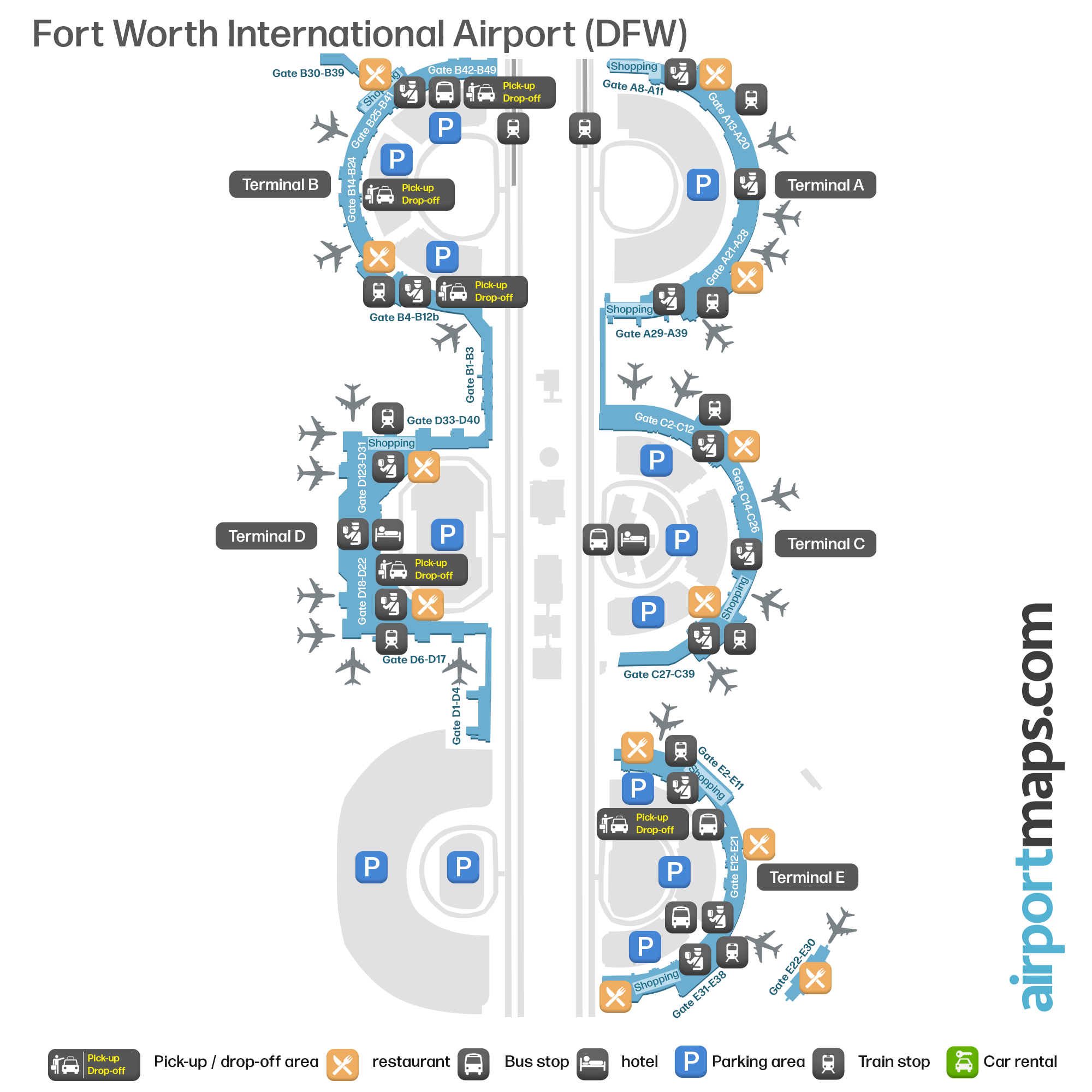
    Interestingly, the airport’s location wasn’t random. It sat roughly between Fort Worth and Dallas—hinting at a bigger ambition:

    • Fort Worth hoped Dallas would eventually share the airport
    • The site was ideal for serving the entire region
    • It was an early attempt at what we’d now call a “regional hub”

    But Dallas resisted the idea for years, preferring to invest in its own airport instead.


    What Happened Next

    The plan didn’t unfold as Fort Worth hoped.

    • Most travelers continued using Love Field
    • Greater Southwest International Airport struggled to compete
    • Passenger traffic remained relatively low

    By the 1960s, the federal government stepped in and pushed both cities toward cooperation.

    This ultimately led to the creation of
    Dallas/Fort Worth International Airport—built north of the original site.

    When it opened in 1974:

    • The old airport closed
    • The land was redeveloped into what we now know as CentrePort
    • The region finally had a unified aviation hub

    The Legacy Today

    https://www.arlingtontx.gov/files/assets/city/v/2/news/articles-arlington-entertainment-district-aerial.jpg
    https://texashistory.unt.edu/ark%3A/67531/metapth220515/m1/1/high_res/
    https://clui-files.s3.us-east-2.amazonaws.com/s3fs-public/styles/presentation_small/public/clui/presentation/texas%20oil%3A%20landscape%20of%20an%20industry/Texas_Oil_061.jpg?itok=gaLMm1Gw

    That narrow Fort Worth corridor still exists today.

    ✔️ It’s a real extension of Fort Worth into Arlington/Mid-Cities
    ✔️ It was intentionally created to control the airport
    ✔️ It reflects a time of intense regional rivalry and ambition

    And while the airport it was built for is long gone, the “finger of land” remains—a quiet but powerful reminder of how geography can be shaped by politics, economics, and vision.


    Bottom Line

    The unusual Fort Worth boundary isn’t a mistake—it’s a strategic move from the 1940s–50s.

    Driven by leaders like Amon G. Carter Sr., it was part of a larger effort to:

    • Compete with Dallas
    • Control a major economic asset
    • Position Fort Worth at the center of regional growth

    In the end, the airport didn’t survive—but the geography it created did.

    Rick Herring
    thmjmj@gmail.com

  • Amon Gary Carter, Jr.: Philanthropist and Civic Leader


    A Legacy Rooted in Fort Worth

    https://texashistory.unt.edu/ark%3A/67531/metapth28195/m1/1/high_res/
    https://upload.wikimedia.org/wikipedia/commons/9/9b/Amon_Carter_Jr._older.jpg
    https://www.fortwortharchitecture.com/fwst-2018.jpg

    Amon Gary Carter, Jr. (1919–1982) was a distinguished publisher, civic leader, and philanthropist whose life reflected a deep commitment to the growth and cultural enrichment of Texas. Born on December 23, 1919, in Fort Worth, he was the son of Nenetta Burton Carter and the influential publisher Amon G. Carter Sr..

    From an early age, Carter demonstrated a strong work ethic. As a boy, he sold newspapers on downtown street corners, later taking on various roles at the Fort Worth Star-Telegram, including copy boy, staff photographer, and advertising salesman. These formative experiences laid the foundation for his future leadership in publishing.


    Education and Wartime Service

    https://resources.finalsite.net/images/f_auto%2Cq_auto%2Ct_image_size_2/v1654626922/culverorg/uk6r3r6vtul63bgemjly/Campus-Facilities-Header.jpg
    https://www.nam.ac.uk/sites/default/files/2024-06/132563_full.jpg
    https://upload.wikimedia.org/wikipedia/commons/8/82/Szubin.Oflag_64.JPG

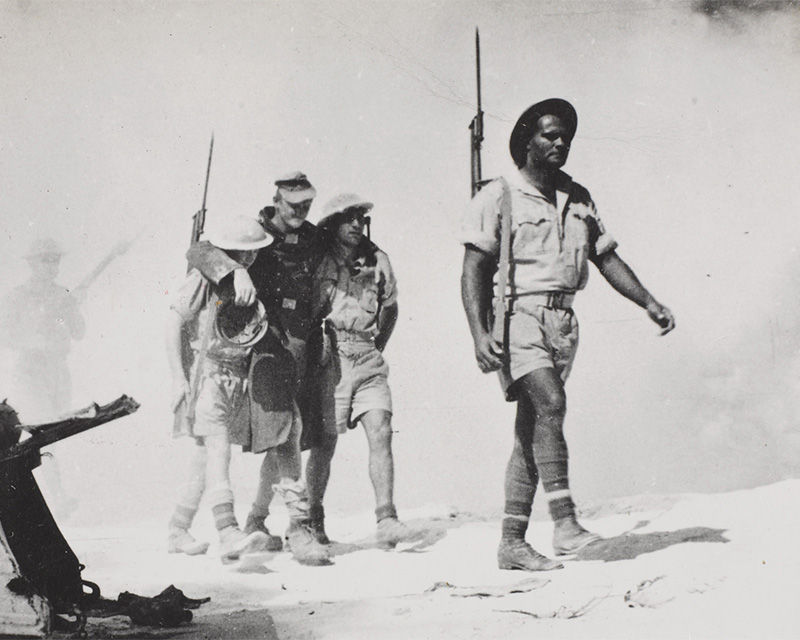
    Carter graduated from Culver Military Academy in 1938 before serving in the U.S. Army during World War II. His service took a dramatic turn in 1943 when he was captured by German forces in North Africa.

    Held as a prisoner of war near Szubin, Poland, Carter spent twenty-seven months in captivity. Despite the harsh conditions, he demonstrated resilience and ingenuity by publishing a clandestine camp newspaper and organizing an informal system to receive packages from home—efforts that boosted morale among fellow prisoners.

    After the war, Carter attended the University of Texas, graduating in 1946.


    Leadership in Publishing and Business

    https://media.nbcdfw.com/2023/08/1950_WBAP-TV_STAR-TELEGRAM.jpg?fit=4800%2C2700&quality=85&strip=all
    https://dallasnews.imgix.net/1563484841-aahq.jpg
    https://img.mlbstatic.com/mlb-images/image/private/t_16x9/t_w2208/mlb/jtftd66vefpefvdmi7bq.jpg

    Following his graduation, Carter quickly rose through the ranks of the family business. He became treasurer of the Star-Telegram and, in 1952, president of Carter Publications. By 1955, he succeeded his father as publisher, a role he held for the rest of his life.

    Carter’s influence extended beyond journalism. He played a pivotal role in relocating American Airlines from New York City to Fort Worth, strengthening the city’s economic foundation. As a major shareholder, he also helped bring the Texas Rangers baseball franchise to the region, further elevating its national profile.


    Civic Engagement and Philanthropy

    https://d2ujpqfu85jxzw.cloudfront.net/website/panth-live/styles/900_x__/s3/2019-08/amon_carter_museum_of_american_art_facade_0.jpg?itok=XcvbxBMc
    https://dynamic-media-cdn.tripadvisor.com/media/photo-o/12/c2/f5/28/houston-texans-exhibit.jpg?h=500&s=1&w=900
    https://www.tcu.edu/_resources/images/1086-burned-waco-history.jpg

    Carter’s civic involvement was extensive. He served on the boards of organizations such as the Texas Sports Hall of Fame Foundation, the Amon Carter Museum, the West Texas Chamber of Commerce, and Texas Christian University.

    As president of the Amon G. Carter Foundation from 1955 until his death, he oversaw the distribution of more than $60 million to charitable, educational, and cultural initiatives. His leadership significantly shaped the cultural landscape of Texas.


    A Passion for Collecting and Public Service

    https://npr.brightspotcdn.com/legacy/sites/klcc/files/201408/Museum_coins.jpg
    https://news.yale.edu/sites/default/files/styles/full/public/yn-numismatics_gallery-04b.jpg?itok=mFb4ukLb
    https://upload.wikimedia.org/wikipedia/commons/thumb/b/ba/1952_Assay_Commission.jpg/250px-1952_Assay_Commission.jpg

    Beyond his business and civic roles, Carter was an avid collector. He assembled one of the largest coin collections in the United States and helped found the International Paper Money Society. His expertise earned him an appointment to the United States Assay Commission.

    He received numerous honors, including the B’nai B’rith Gold Medallion and the Boy Scouts’ Silver Beaver Award, recognizing his contributions to community service and leadership.


    Personal Life and Lasting Impact

    Amon Gary Carter, Jr. was a member of the First United Methodist Church and maintained an independent political stance, supporting leaders across party lines. He and his wife, George Ann Brown Carter, raised three children—one daughter and two sons.

    He passed away on July 24, 1982, in Dallas, Texas, from a heart attack. His legacy endures through the institutions he strengthened, the community he helped shape, and the philanthropic vision he carried forward.


    A Continuing Legacy

    Carter’s life exemplifies how leadership, resilience, and generosity can leave a lasting imprint on a community. From a newspaper boy in Fort Worth to a transformative civic figure, his story remains a powerful testament to dedication and service.


    Featured Promotion

    5 Years a Cavalryman – A Family Legacy Reimagined
    Descendant DuAnne Redus revives and responds to a Texas frontier classic. Get your copy today!


    Share this entry on social media:

    Facebook • Twitter • LinkedIn

    Rick Herring
    thmjmjQ@gmail.com

  • The Origin and History of Lent

    https://images.openai.com/static-rsc-3/Bb-fqBVpM6YCi0jF0GAYVpPh1Sr4bASumRDTJmkeDCzU7FyiUQfgecmLLcOEbEp-wNy_3dstuydqtCgT3rCtbrIiGj2obnek42HEa9pqmYY?purpose=fullsize&v=1
    https://images.openai.com/static-rsc-3/XiX-QXXLofymD9-mM9iSO-wEXSVM6pjhZfr5lD8c35WzQ3uxSWf-SrveCLUlGN4UV9uO3MDgs0g8gIn8HVF9t_MqIP054uD9_tjpSESc7mk?purpose=fullsize&v=1
    https://images.openai.com/static-rsc-3/lw_IUSIePdizQF3AeI1np4JPaB_NfJCmPGmBOLo2HVLRpTxFzF2BWVXLjOkP8uTfkP78CGxZWr3xVGCLQyqrhwaggNnLa5In1vX2VUNEVAs?purpose=fullsize&v=1

    4

    Introduction

    Lent is one of the most sacred seasons in the Christian calendar — a time of prayer, fasting, repentance, and spiritual preparation leading to the celebration of Easter. For millions of Christians around the world, Lent is a journey of reflection that mirrors Christ’s suffering, sacrifice, and ultimate victory over death.

    But where did Lent come from, and how did it become the 40-day season we know today?


    Biblical Roots of Lent

    Although Lent as a formal season is not directly described in the Bible, its foundation is deeply biblical.

    The most significant inspiration comes from Jesus’ 40 days of fasting in the desert (Matthew 4:1-11). During this time, Christ resisted temptation and prepared for His public ministry. The number 40 carries strong biblical symbolism, appearing repeatedly in salvation history:

    • The 40 days and nights of rain during Noah’s flood
    • The 40 years the Israelites wandered in the desert
    • Moses’ 40 days on Mount Sinai
    • Elijah’s 40-day journey to Horeb

    Because of this symbolism, early Christians saw 40 days as a meaningful period for spiritual purification and preparation.


    The Early Church and the Formation of Lent

    The earliest Christians practiced fasting before Easter, but it was not initially a uniform 40-day observance. Historical evidence suggests that:

    • 2nd century Christians fasted for one or two days before Easter.
    • By the 3rd century, fasting periods expanded to a full week in some regions.
    • After Christianity became legal in the Roman Empire (4th century), the Church began standardizing a longer preparation period.

    The Council of Nicaea in 325 AD referenced a 40-day period of preparation before Easter, showing that Lent had become widely recognized by that time.

    Originally, Lent was especially important for catechumens (those preparing for baptism), who would undergo intense instruction and spiritual discipline before being baptized at the Easter Vigil.


    Why Lent Is 40 Days

    While Lent is commonly called a 40-day season, the calendar can seem confusing.

    • In the Western Church, Lent begins on Ash Wednesday and ends on Holy Saturday.
    • Sundays are not counted as fasting days because they celebrate Christ’s resurrection.
    • This results in about 46 calendar days, but only 40 days of fasting.

    In the Eastern Orthodox Church, Lent begins earlier and follows slightly different fasting rules, often making it more rigorous.


    Development of Lenten Practices

    Over time, distinct Lenten practices emerged that continue today.

    1. Fasting and Abstinence

    Early Christians practiced strict fasting, sometimes eating only one meal per day. The discipline evolved into the modern Catholic practice of:

    • Fasting on Ash Wednesday and Good Friday
    • Abstaining from meat on Fridays during Lent

    Many Christians also choose personal sacrifices — giving up sweets, social media, or other comforts.

    2. Prayer and Repentance

    Lent became a season of penance and confession, emphasizing spiritual renewal. Special liturgies, Stations of the Cross, and increased personal prayer developed during the Middle Ages.

    3. Almsgiving

    Acts of charity became a central pillar of Lent, reflecting Christ’s call to love and serve the poor.

    Together, these practices form the traditional Lenten pillars: Prayer, Fasting, and Almsgiving.


    The Meaning of Ash Wednesday

    Ash Wednesday marks the beginning of Lent in the Western Church.

    The placing of ashes on the forehead — often in the shape of a cross — symbolizes mortality and repentance. The words spoken, such as “Remember that you are dust, and to dust you shall return,” remind believers of life’s fragility and the need for conversion.

    The use of ashes dates back to ancient Jewish practices of mourning and repentance and was adopted into Christian worship by the early Middle Ages.


    Lent in the Middle Ages and Beyond

    During the Middle Ages, Lent became deeply woven into social and cultural life:

    • Public penance was common
    • Meat, dairy, and eggs were often forbidden
    • Communities observed strict fasts and devotional practices

    Interestingly, foods like pancakes and rich pastries became associated with Shrove Tuesday as people used up ingredients before fasting began.

    The Protestant Reformation in the 16th century led to varied approaches. Some Protestant traditions minimized or abandoned Lent, while others retained it as a voluntary season of reflection. Today, many denominations — Catholic, Orthodox, Anglican, Lutheran, and even some Evangelical communities — observe Lent in different ways.


    Lent Today: A Season of Transformation

    Modern observance of Lent continues to evolve, yet its spiritual heart remains unchanged. For believers, Lent is:

    • A call to repentance
    • A time to grow closer to God
    • A season of self-examination and renewal
    • A journey that leads to the hope and joy of Easter

    Whether through traditional fasting, acts of charity, or personal spiritual commitments, Lent invites Christians to step away from distractions and refocus on faith.


    Conclusion

    From its roots in early Christian fasting to its structured observance across denominations today, Lent has endured as a powerful season of preparation and grace. Its 40-day journey reflects Christ’s own path through suffering and sacrifice, ultimately pointing toward resurrection and new life.

    In a busy world filled with noise and distraction, Lent offers a sacred pause — a time to quiet the soul, turn the heart toward God, and rediscover the transformative power of faith.

    Please like and subscribe to be informed of the latest blogs.

  • The History and Orgin of Ash Wednesday

    The History and Orgin of Ash Wednesday

    Rick Herring

    Rick Herring

    4 min read

    ·

    Just now

    What Is Ash Wednesday?

    Ash Wednesday marks the beginning of Lent, the 40-day season of prayer, fasting, and repentance leading up to Easter. It is one of the most solemn and meaningful days in the Christian calendar, observed by Catholics and many Protestant denominations.

    On this day, believers receive ashes on their foreheads in the shape of a cross. As the ashes are applied, the minister often says:

    “Remember that you are dust, and to dust you shall return.”
    or
    “Repent, and believe in the Gospel.”

    These words remind Christians of human mortality, humility, and the need for repentance.

    Biblical Roots of Ashes and Repentance

    The use of ashes as a sign of repentance predates Christianity. In the Old Testament, ashes symbolized sorrow for sin and deep humility before God.

    For example:

    • In the Book of Job, Job says, “I repent in dust and ashes” (Job 42:6).
    • In the Book of Daniel, Daniel turns to God “in fasting, sackcloth, and ashes” (Daniel 9:3).
    • The people of Nineveh repent in sackcloth and ashes in the Book of Jonah.

    In ancient Jewish culture, covering oneself in ashes was a visible sign of mourning, repentance, and a desire to return to God.

    The Early Church and the Development of Ash Wednesday

    In the early centuries of Christianity, Lent was primarily a period of preparation for catechumens — those preparing for baptism at Easter. It was also a time when public sinners performed acts of penance.

    By the Middle Ages, the Church formalized the practice of marking the beginning of Lent with ashes. Around the 10th century, the ritual of placing ashes on the foreheads of all believers — not just public penitents — became common in Western Christianity.

    The ashes themselves traditionally come from the burned palm branches used the previous year on Palm Sunday. This beautiful connection links Christ’s triumphal entry into Jerusalem with the humility and repentance of Lent.

    Why “Ash” Wednesday?

    The name comes directly from the central ritual of the day — the imposition of ashes.

    Ashes symbolize:

    • Mortality — “You are dust…”
    • Repentance — Turning away from sin
    • Humility — Recognizing dependence on God
    • Renewal — Beginning again

    Ash Wednesday is observed 46 days before Easter (40 days of Lent, not counting Sundays).

    Ash Wednesday Across Christian Traditions

    Roman Catholic Church

    In the Roman Catholic Church, Ash Wednesday is a day of fasting and abstinence. Catholics between certain ages are required to fast and abstain from meat.

    Protestant Churches

    Many Protestant denominations — including Lutherans, Methodists, Anglicans, and some Baptists — also observe Ash Wednesday.

    In the Anglican Communion, Ash Wednesday is included in the Book of Common Prayer.
    The Lutheran Church also maintains strong Lenten traditions.

    While practices vary, the focus remains repentance, reflection, and spiritual renewal.

    The Spiritual Meaning Today

    Ash Wednesday is not about ritual alone. It is an invitation:

    • To examine our lives.
    • To return to God with sincerity.
    • To simplify and refocus.
    • To prepare our hearts for Easter.

    In a busy and noisy world, Ash Wednesday calls believers to quiet humility. It reminds us that life is temporary, but God’s mercy is eternal.

    The ashes may fade by the end of the day — but their message lingers.

    A Beginning, Not an End

    Ash Wednesday is not a day of despair. It is a doorway.

    It begins a journey toward:

    • Deeper prayer
    • Sacrificial love
    • Personal repentance
    • The hope of resurrection

    From ashes comes renewal. From repentance comes grace. And from Lent comes Easter joy.

    As the cross of ashes is traced on the forehead, Christians are reminded: life is fragile — but hope in Christ is everlasting.

    If you liked this article, please share your feedback and follow me for more stories.

    Rick Herring
    thmjmj@gmail.com

    P.S. Please like and subscribe.

    Rick Herring

    Written by Rick Herring

  • The History of Mardi Gras


    3 min read
    ·

    Mardi Gras is a celebration filled with color, music, parades, and joyful tradition. But behind the beads, masks, and floats lies a rich history that stretches back centuries and across continents.

    🌍 Origins in Europe
    The term Mardi Gras is French for “Fat Tuesday,” referring to the last day of feasting before the Christian season of Lent begins on Ash Wednesday. Lent is traditionally a time of fasting, prayer, and repentance observed by Catholics and many other Christians.

    The celebration’s roots trace back to medieval Europe. As Christianity spread, church leaders incorporated local pagan spring festivals into the Christian calendar. By the Middle Ages, countries like France, Spain, and Italy were celebrating Carnival — a festive season leading up to Lent — with food, masks, and public revelry.

    When French explorers brought their culture to the New World, Mardi Gras came with them.

    ⚜️ Mardi Gras Comes to America
    Mardi Gras first arrived in North America in 1699 when French-Canadian explorer Pierre Le Moyne d’Iberville landed near present-day Louisiana. He named the site “Pointe du Mardi Gras” because it was the eve of the holiday.

    The first organized American Mardi Gras celebrations were held in Mobile in the early 1700s — before Louisiana was even a state. However, the celebration became most famous in New Orleans, where French culture deeply shaped the city’s identity.

    By the 1830s, New Orleans had established public Mardi Gras parades. In 1857, the secret society known as the Mistick Krewe of Comus organized the first formal parade with themed floats and masked riders. This tradition gave birth to the “krewes,” private social organizations that still organize parades today.

    🎭 Symbols and Traditions
    Mardi Gras is rich with symbolism:

    Masks — Traditionally worn to escape social constraints and allow freedom of expression.
    Beads — Thrown from parade floats to spectators as souvenirs.
    Colors — Purple (justice), Green (faith), and Gold (power).
    King Cake — A sweet pastry with a hidden baby figurine symbolizing luck and prosperity.
    One of the most famous krewes is Krewe of Rex, founded in 1872. Rex established many of the traditions still followed today, including the official Mardi Gras colors.

    🎉 Mardi Gras Today
    While Mardi Gras is celebrated in many parts of the world — including Brazil, Italy, and the Caribbean — New Orleans remains the heart of the American celebration. The city hosts weeks of parades, balls, music, and street festivities leading up to Fat Tuesday.

    Yet beyond the parties and parades, Mardi Gras still carries its spiritual meaning. It marks a transition — from celebration to reflection, from feasting to fasting.

    ✝️ A Celebration with Purpose
    At its core, Mardi Gras is about preparation. Before entering the solemn season of Lent, communities gather in joy. It is a reminder that life holds both celebration and contemplation, both laughter and reverence.

    From medieval Europe to the vibrant streets of New Orleans, Mardi Gras has endured because it speaks to something timeless in the human spirit — the desire to celebrate together before embracing renewal.

    If you like this article, please share your feedback and follow me for more stories.

    Rick Herring
    thmjmj@gmail.com

    P.S. You are on the THM Website. Please check out the blogs, by clicking on THM Blogs in the upper left corner and pages in the upper right hand corner. Some the pages offer a free vacation for joining the program.