


4
As winter slowly fades and spring approaches, millions of people across the United States prepare for one of the most noticeable calendar changes of the year — Daylight Saving Time (DST). In 2026, DST begins on Sunday, March 8, when clocks move forward one hour at 2:00 a.m. local time.
Often remembered by the phrase “spring forward, fall back,” this seasonal shift gives us longer evening daylight but can also disrupt sleep routines and daily schedules. Here’s everything you need to know to prepare.
🌞 What Is Daylight Saving Time?
Daylight Saving Time is the practice of moving clocks forward one hour during warmer months so that more daylight occurs in the evening. Instead of sunrise and sunset happening earlier, the shift pushes daylight later into the day.
Key facts:
- DST starts: March 8, 2026
- Clocks move forward: 2:00 a.m. → 3:00 a.m.
- DST ends: November 1, 2026
While most U.S. states observe DST, places like Hawaii and most of Arizona do not participate.
⭐ Why Do We Change the Clocks?
The original goal of DST was to make better use of natural daylight and conserve energy. Over time, other benefits have been suggested, including:
✔️ More daylight for outdoor activities
✔️ Potential energy savings
✔️ Increased retail and tourism activity
✔️ Improved road safety in brighter evening hours
However, research on energy savings is mixed, and the debate over whether DST should continue still pops up each year.
😴 How the Time Change Affects You


4
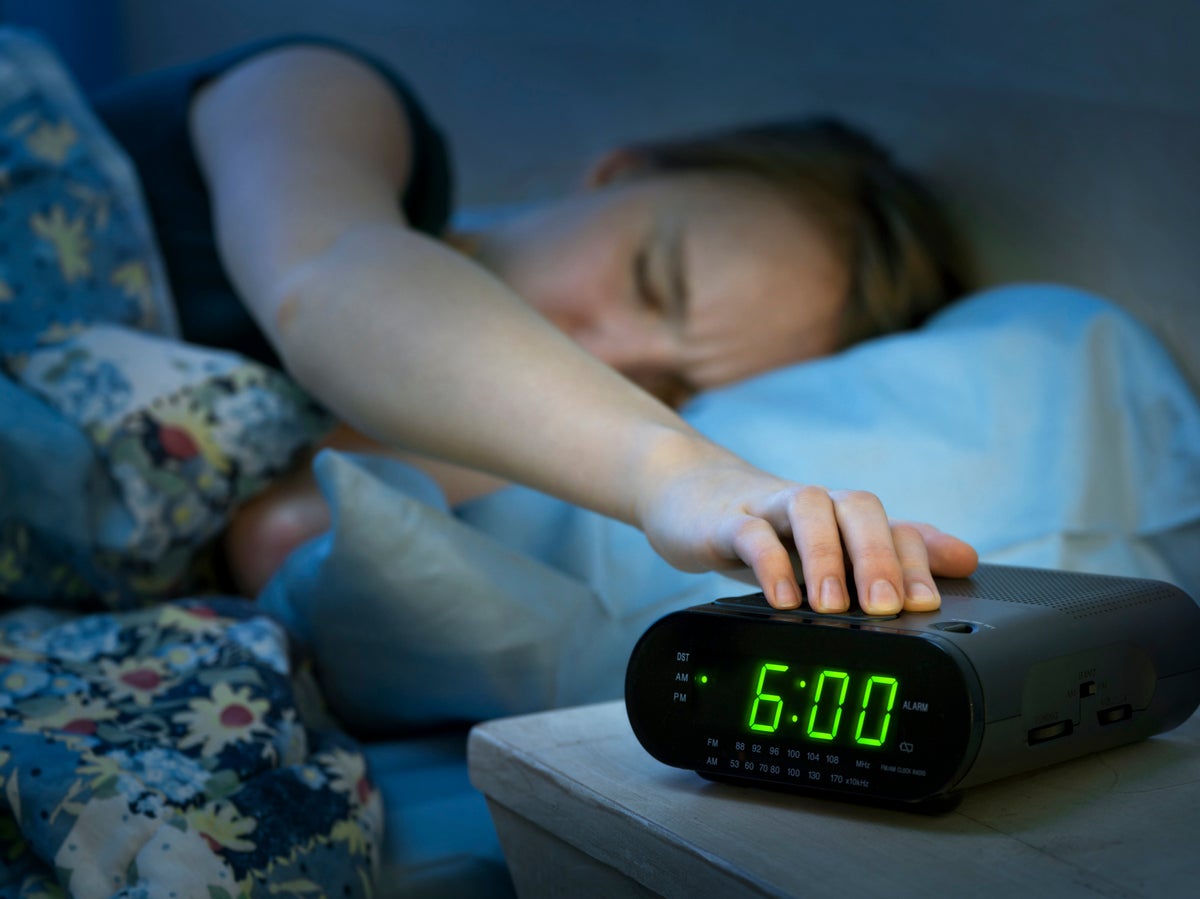
Losing an hour of sleep may seem small, but it can have real effects — especially during the first few days.
Common impacts include:
- Temporary sleep disruption
- Daytime fatigue
- Reduced concentration
- Changes in mood or productivity
Most people adjust within a few days, but preparing ahead can make the transition smoother.
✅ Tips to Prepare for the March 8 Time Change
Here are simple ways to ease into Daylight Saving Time:
🛌 Adjust your sleep schedule early
Go to bed 10–15 minutes earlier a few nights before the change.
🌅 Get morning sunlight
Exposure to natural light helps reset your internal clock.
☕ Limit caffeine late in the day
Reducing stimulants can improve sleep quality.
📱 Check your devices
Most smartphones update automatically, but double-check manual clocks, appliances, and vehicles.
🚨 Replace batteries in smoke detectors
DST is also a great reminder for home safety checks.
🌼 Making the Most of Longer Evenings
One of the best parts of DST is extra daylight after work or school. Consider using the added sunlight to:
- Start a walking or fitness routine
- Spend more time outdoors with family
- Tackle home or garden projects
- Enjoy spring sunsets and community events
Longer evenings often boost mood and encourage healthier, more active lifestyles.
🔎 The Ongoing Debate About DST
In recent years, lawmakers and health experts have debated whether DST should be permanent or eliminated altogether. Some states have proposed year-round DST, while others favor standard time for better sleep health.
As of 2026, however, the traditional schedule remains in place for most of the United States.
✨ Final Thoughts
Daylight Saving Time is more than just changing the clocks — it’s a seasonal signal that brighter days and warmer weather are on the way. While losing an hour of sleep can be challenging, a little preparation can help you adjust quickly and enjoy the benefits of longer daylight hours.
So before you head to bed on Saturday, March 7, 2026, remember to set your clocks forward one hour — and get ready to welcome spring with more sunshine in your evenings.
Click Here to get your free vacation.