Category: The Most Senic Drives in Texas

  • Protecting West Texas: The Journey to Preserve One Million Acres of Land

    https://images.openai.com/static-rsc-3/zcgPPLua21a5DaD_6lxVeulG15D28ehwYvo67fBEZSOHsXs-0-A8bkH-lFGEvwVf__M64_V5MBY9E0T9qpBSD3YmFdM8ezqnJFR4O7iJ6mI?purpose=fullsize&v=1
    https://images.openai.com/static-rsc-3/-NVZUpwFQy6PP4u7Lw_9S9F5_S_cFS_ZI4Btx-Hb7HAEDXGYCKBdDkOfRxcwvdcRYAWsZoHJmPTsP2Ergi_2n22VH8f97_v7OkFXxOYSMpk?purpose=fullsize&v=1
    https://images.openai.com/static-rsc-3/AClPGidI-jjXReLS3UDXISuO62h-nWb1KnQdLdKp1f_KlczUnsuJZUiz33bN9qpuVRfglqT4rQhGGslkomTBYam72so8uWWL5fGjKnrbSFY?purpose=fullsize&v=1

    West Texas is known for its wide open skies, rugged mountains, desert landscapes, and unique wildlife. But these landscapes are more than just beautiful—they are also fragile ecosystems that require careful protection.

    In the video “Making of a Million – Daytripping with The Nature Conservancy in Texas,” viewers travel across West Texas to explore how conservationists, landowners, and communities are working together to protect natural spaces. The effort celebrates the milestone of protecting over one million acres of land across Texas.


    A Mission to Protect Texas Landscapes

    https://natureconservancy-h.assetsadobe.com/is/image/content/dam/tnc/nature/en/photos/t/x/TX_WOPA151008_D129_JPG.Jpg?crop=0%2C401%2C5662%2C2972&hei=630&scl=4.718333333333334&wid=1200
    https://txmo-server.imgix.net/2023/06/honey-creek-natural-area.jpg?auto=compress&crop=faces&fit=fit&h=1500&ixlib=php-3.0.0&q=45&s=537e9ad81f5b048310c5ffa3c32bafd3&w=2400
    https://docs.gato.txst.edu/645980/w/2000/YQF5x3jwNuvM/frm-Susan-Hanson-5%20copy.jpg

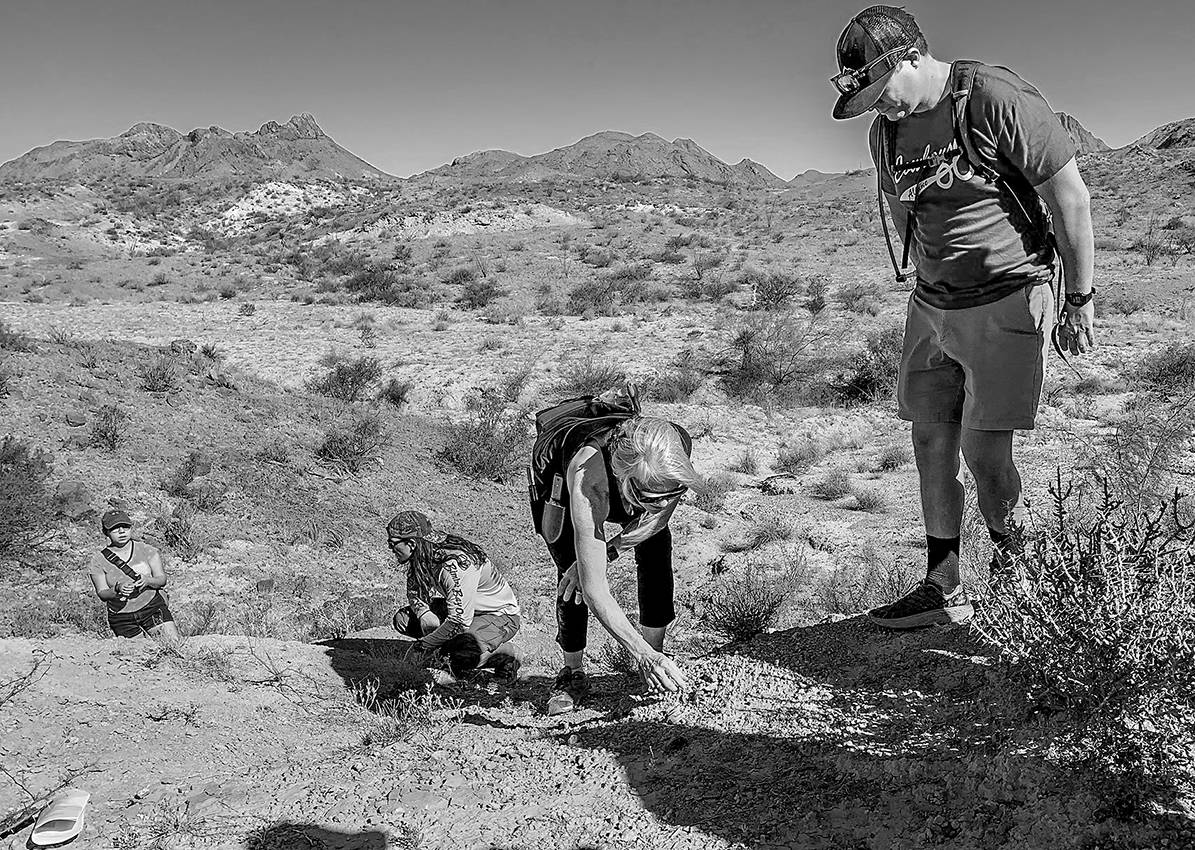
    Organizations like The Nature Conservancy work with local landowners and communities to protect natural habitats across Texas.

    Their mission includes:

    • Preserving wildlife habitats
    • Protecting rivers, grasslands, and deserts
    • Maintaining healthy ecosystems for future generations
    • Supporting sustainable land management

    Reaching the milestone of one million acres protected represents years of collaboration between conservation groups and private landowners.


    Why West Texas Is So Important

    https://images.openai.com/static-rsc-3/-NVZUpwFQy6PP4u7Lw_9S9F5_S_cFS_ZI4Btx-Hb7HAEDXGYCKBdDkOfRxcwvdcRYAWsZoHJmPTsP2Ergi_2n22VH8f97_v7OkFXxOYSMpk?purpose=fullsize&v=1
    https://images.openai.com/static-rsc-3/wGCnNOB_QXVJBhqviAX4HUCY4Jpc7Tbr-PaI7cXR8miRWNnpk-wG6v4VfNmYsPPRNjbviyxPgqZrkeWetj1fr8T3Y4Mlaz3O5Ih0kuYsoCA?purpose=fullsize&v=1
    https://images.openai.com/static-rsc-3/Owf3hzcTro_vWy4g_70ce6UCAjm7KmzLVNlioQ3LbMvXF2ynBBnglbbdSoasj3h4Mhm_4F6_o1WQ-EIavTkjSAh2PDt5lxJvJX5vrvKfl-0?purpose=fullsize&v=1

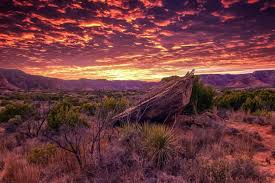
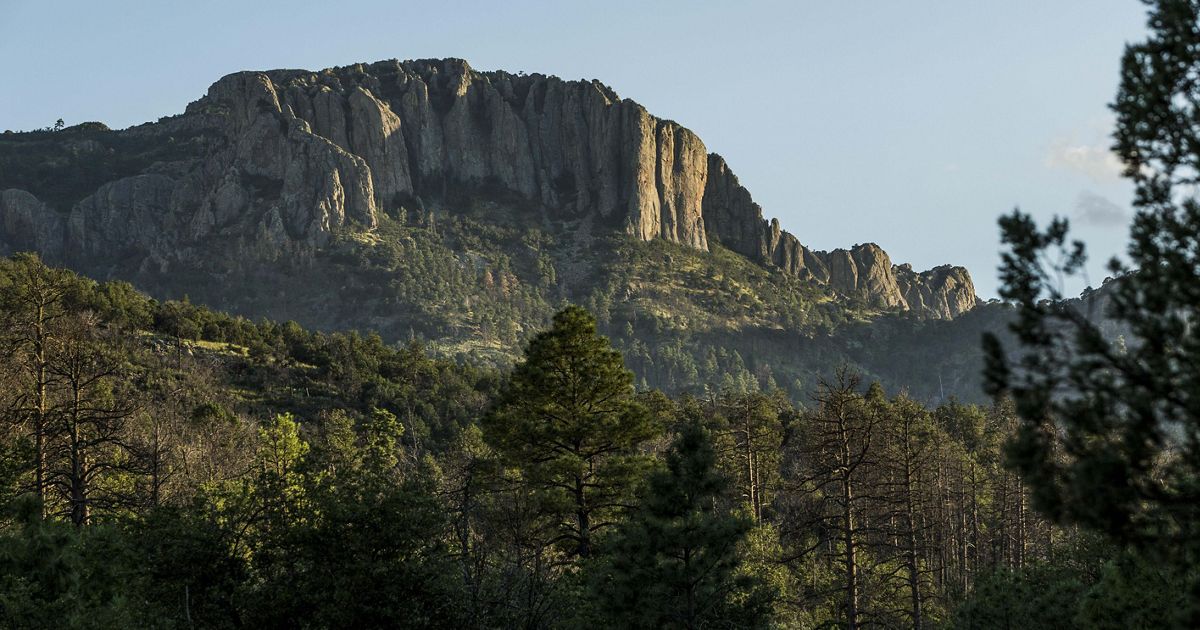
    West Texas contains some of the most diverse and dramatic landscapes in the state. This region includes desert ecosystems, mountain ranges, and grasslands that support many species of plants and animals.

    Key features of West Texas ecosystems include:

    • The Chihuahuan Desert – one of the most biologically diverse deserts in the world
    • Mountain habitats that support unique wildlife species
    • Grasslands and prairies that provide migration corridors for animals
    • Clear night skies and remote wilderness

    Protecting these ecosystems helps maintain biodiversity and ensures that future generations can experience the natural beauty of the region.


    Partnerships with Local Landowners

    https://static1.squarespace.com/static/615cb090232f766bedd17636/615df2b7b737bf0b32190864/6717be3a43ccd40d4e4060f9/1735932294248/Agave%2BCanyons%2BRanch_highlight%2Bphoto.jpg?format=1500w
    https://static.conocophillips.com/files/spiritnow/square-sml-pipelineseeding-copy.jpg

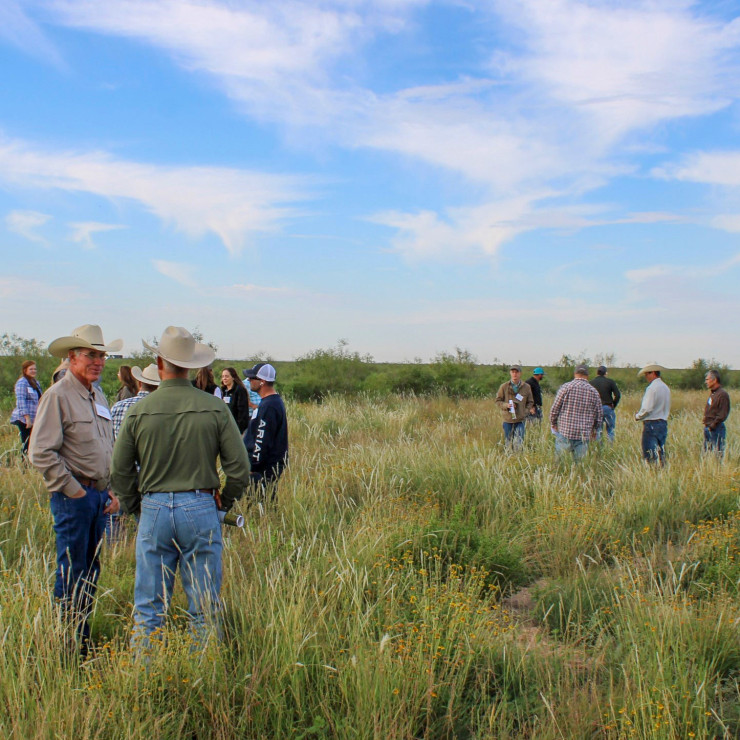
    A major part of conservation in Texas involves partnerships with private landowners and ranchers.

    Because most land in Texas is privately owned, conservation organizations often work directly with landowners to develop solutions that benefit both nature and agriculture.

    Examples of collaborative efforts include:

    • Conservation easements
    • Sustainable ranching practices
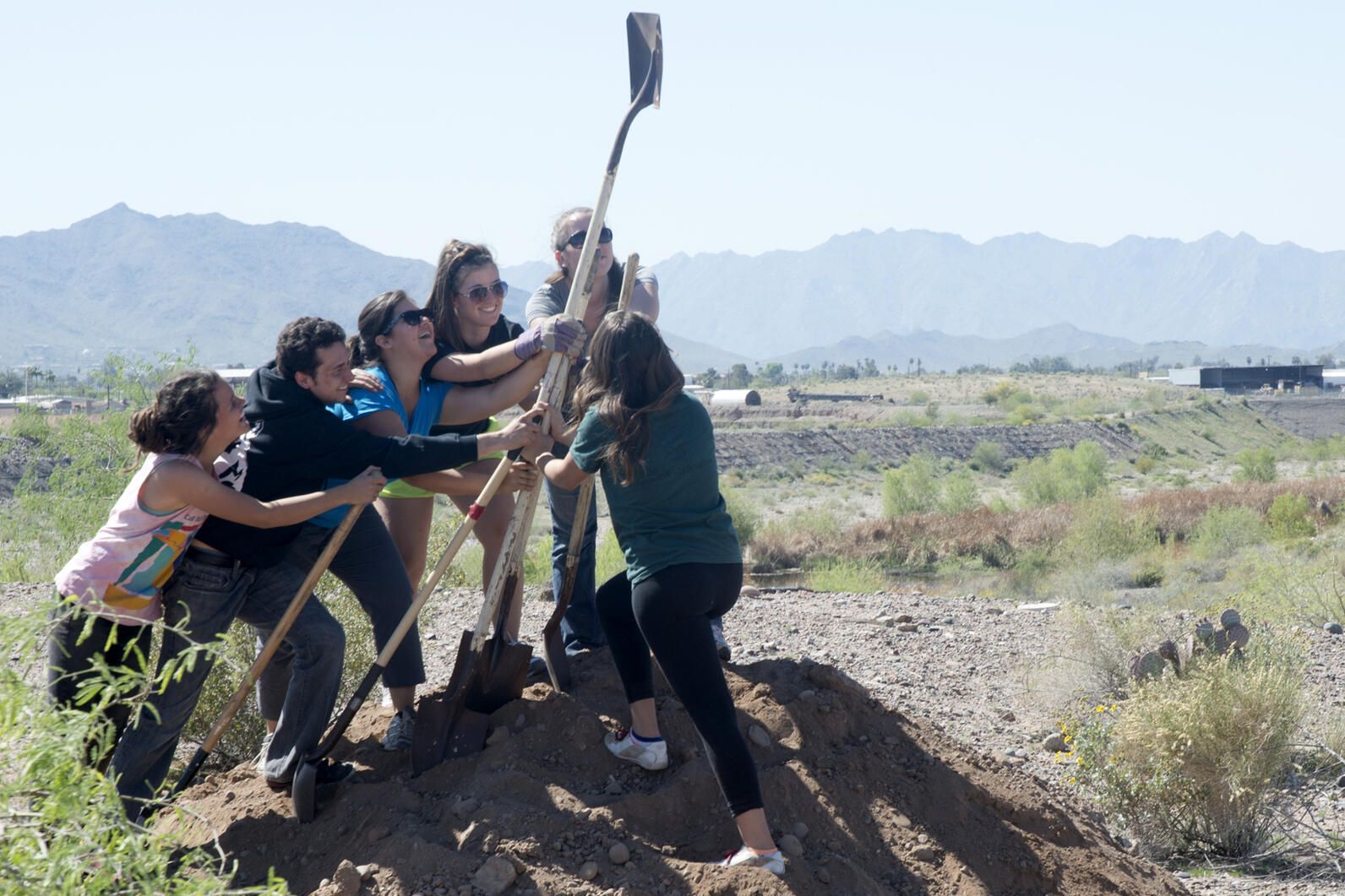
    • Habitat restoration projects
    • Water resource protection

    These partnerships allow working ranches and wildlife habitats to coexist successfully.


    The Future of Conservation in Texas

    https://southwest.audubon.org/sites/default/files/styles/bean_wysiwyg_full_width/public/_dsc0987jpg.jpg?itok=s9oafRst
    https://fieldstations.utexas.edu/sites/default/files/uploads/images/default/hill-country-4-3.jpg

    Protecting one million acres is a significant milestone, but conservation work continues. Scientists and environmental groups are focused on:

    • Restoring damaged ecosystems
    • Protecting endangered species
    • Addressing climate challenges
    • Expanding conservation areas across the state

    The goal is to ensure that Texas’ natural heritage—especially in regions like West Texas—remains intact for generations to come.


    Conclusion

    West Texas represents some of the most breathtaking and ecologically important landscapes in the United States. Through collaboration between conservation organizations, scientists, and landowners, more than one million acres of Texas land have been preserved.

    These efforts highlight the importance of protecting natural environments while supporting the communities that live and work on the land.

    The story of conservation in West Texas is not just about protecting land—it is about preserving a legacy of nature, wildlife, and open spaces for the future.

    Click here to access a free vacation for seven nights in your choose of 3500 + locations. One might be West Texas.

    Rick Herring
    thmjmj@gmail.com

  • Palo Duro Canyon: The Grand Canyon of Texas

    https://images.openai.com/static-rsc-3/PCXlpF3bCGEOvZExny1uiXL1iv-tRSsp5suZVFkzmlgrfIJDWtQK6pI2RR26uRDm8LqiLeXguTVWRq59sWVKtXUaRksIanc4h_N-z2GFFgE?purpose=fullsize&v=1
    https://images.openai.com/static-rsc-3/GmA49E5-cq2lV3zf3vHDBGdwGuyiBcS5HrwEsV41R7DdwPfZQw7EGqfvlynTLAEEx3pwoYctFHH3RTghlkAcAhaBDPs9A4qkRa_L0nccg10?purpose=fullsize&v=1
    https://images.openai.com/static-rsc-3/hlMk0VgmVLV5j8ixHbPdAURal0AuvuaAnpiCrNOC8_iX_sjZuMKoW8EGfmwslz4Y7mnz6KpdqVnIymwhBjie95IjIiB3t9stGlNhYmN7qts?purpose=fullsize&v=1

    Often called the “Grand Canyon of Texas,” Palo Duro Canyon is the second-largest canyon in the United States. Carved over millions of years by the Prairie Dog Town Fork of the Red River, this breathtaking natural wonder stretches roughly 120 miles long, up to 20 miles wide, and plunges more than 800 feet deep.

    Located in the heart of the Texas Panhandle, the canyon offers dramatic red rock formations, layered geological history, and unforgettable outdoor adventures.


    A Landscape Millions of Years in the Making

    https://images.openai.com/static-rsc-3/3QEHGMr0tMRFAsvhNSBCDzDyewkqipUtwQgsLJmM899q3WUF6OpMigu7fHjgkJf2ngswe74H0LDdbU2XMMnjKYsriOliHff7k-trEdJ3k-c?purpose=fullsize&v=1
    https://images.openai.com/static-rsc-3/hlMk0VgmVLV5j8ixHbPdAURal0AuvuaAnpiCrNOC8_iX_sjZuMKoW8EGfmwslz4Y7mnz6KpdqVnIymwhBjie95IjIiB3t9stGlNhYmN7qts?purpose=fullsize&v=1
    https://images.openai.com/static-rsc-3/ZeJeMuuVFTskFtJwzaohRVytxwYzxNdOaLuEB90Iif8gyMeFZfh8sBY-cYm4LV86nISS-RqMdrObeLc_iz2HbOnnrvRDCb-4xxm1Ew161xM?purpose=fullsize&v=1

    The canyon’s vibrant cliffs reveal layers of sediment deposited over 250 million years ago. Wind and water erosion sculpted the dramatic mesas, hoodoos, and buttes we see today. One of the most iconic formations is the Lighthouse — a towering rock pillar that has become a symbol of the park.

    The striking red, orange, and rust-colored rock contrasts beautifully with the wide-open Texas sky, creating a photographer’s paradise at sunrise and sunset.


    Outdoor Adventures for Every Explorer

    https://images.openai.com/static-rsc-3/OjhqRqPOyCyjgqR_rkh6DeyAqhlFk9M8KdoPQMrq9PNQUVrxUZ6TVkQx8_KdcLmI37cC0CttWSdDRlyC9ezJaM7ZGn9VcSmoFjJnfhdMbiU?purpose=fullsize&v=1
    https://images.openai.com/static-rsc-3/UFbDm77sHa8TLLACyFHqbZCZTrYrcEeK2iyzb0gUEjniLgHOKHo89m084TorPQ9GXuB7K6-7LmEK6o069DYmttnaeO7YcbfYJlhXMR-86dQ?purpose=fullsize&v=1
    https://res.cloudinary.com/simpleview/image/upload/v1661375039/clients/amarillo/unnamed_7c4620af-23f7-4feb-941e-96a4a59d7325.jpg

    Whether you’re seeking adventure or tranquility, Palo Duro Canyon delivers:

    🥾 Hiking

    More than 30 miles of trails wind through the canyon, ranging from easy scenic walks to challenging climbs. The Lighthouse Trail is one of the most popular hikes, offering close-up views of the famous rock formation.

    🚴 Mountain Biking

    The rugged terrain provides thrilling routes for cyclists. Trails vary in difficulty, making the park accessible for both beginners and experienced riders.

    🐎 Horseback Riding

    Explore the canyon the old-fashioned way. Guided horseback tours allow visitors to experience the terrain much like early settlers and Native American tribes once did.

    🏕️ Camping

    With developed campsites and primitive camping areas, staying overnight lets visitors witness the canyon under a sky filled with brilliant Texas stars.


    History and Culture

    Long before it became a state park, Palo Duro Canyon was home to Indigenous peoples, including the Apache and Comanche tribes. In the late 19th century, it became a focal point during the Red River War.

    Today, the canyon also hosts the outdoor musical drama “Texas”, performed during the summer months in an open-air amphitheater inside the park — a tradition that celebrates the spirit and history of the Lone Star State.


    Best Time to Visit

    Spring and fall offer the most comfortable temperatures for hiking and camping. Summers can be hot, with temperatures often exceeding 90°F, while winters are generally mild but occasionally chilly.

    Sunrise and sunset are especially magical, when the canyon walls glow in fiery shades of red and gold.


    Why Palo Duro Canyon Should Be on Your Travel List

    https://images.openai.com/static-rsc-3/wbNTNDaK3Lsbb-0aqjCIHNsrO4M0vbWuyThJ3b4bBR4mB8r7ASeo1cbhoV-dNbfLnUAPjHKhEUZTCxgeoruNuXKHVL4hWremA82ldfj6GCI?purpose=fullsize&v=1
    https://images.openai.com/static-rsc-3/ydXAuY00SOTqZHkXpch5WudL6aMWYA2ZFRuJTYkrpspbBDoaeKatgZKulbGWemvZYx95ckjhDpdcH9Pw-fSQ4YcW5tKsrIyCO4QdPuXCyPo?purpose=fullsize&v=1
    https://images.openai.com/static-rsc-3/wSpI66GUldgkwqv6jp_Cb_NQ2R06geQvo46cAZI1nikEsH1SGefH5YAn3K4RCQMPsQCiWlvdYjG3PTPQe67Etd8yYjSJ8IUf8IfyuF2jG-E?purpose=fullsize&v=1

    Palo Duro Canyon is more than just a geological marvel — it’s a place where adventure, history, and natural beauty come together. From towering cliffs and scenic overlooks to wildlife encounters and starlit skies, the canyon offers a uniquely Texan experience unlike anywhere else in the state.

    Whether you’re planning a weekend getaway, a family camping trip, or a photography expedition, this remarkable canyon promises memories that will last a lifetime.


    Location: Texas Panhandle, near Amarillo
    Managed by: Texas Parks and Wildlife Department
    Activities: Hiking, biking, camping, horseback riding, wildlife viewing

    If you’re looking to explore one of Texas’s most awe-inspiring landscapes, Palo Duro Canyon is waiting.

    Click Here to get a free 7 Night Resort – 3500 + Location Certificate. One of the places could be the Panhandle of Texas or close by.

    Click Here to learn more about the Texas Outdor Musical that has been running for 60 years.

    Rick Herring
    thmjmj@thmjmj8875

    P.S. Please leave comments.

  • The Most Scenic Drives in Texas Begin with Palo Duro Canyon Introduction

    Texas is famous for its vast landscapes, diverse terrain, and open highways that seem to stretch forever. From rugged canyonlands to coastal marshes and rolling Hill Country vistas, the Lone Star State offers some of the most memorable road trips in the United States.
    Among these journeys, one stands out as a perfect starting point for scenic exploration — Palo Duro Canyon, often called “The Grand Canyon of Texas.”

    Palo Duro Canyon Scenic Drive (Texas Panhandle)

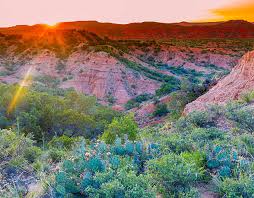
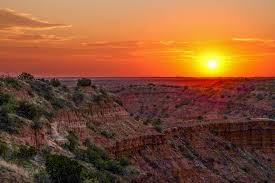
    Located just outside of Amarillo, Palo Duro Canyon State Park is the second-largest canyon in the United States, stretching roughly 120 miles long and plunging more than 800 feet deep in places. The park’s scenic drive takes visitors down into the canyon on a winding road that reveals breathtaking layers of red rock, hoodoos, and sweeping desert grasslands.

    What Makes the Drive Special

    1. Dramatic Canyon Descent
      The drive begins at the canyon rim and descends through colorful geological layers, offering overlooks that showcase millions of years of natural history.
    2. Iconic Rock Formations
      One of the most photographed landmarks is the Lighthouse Rock, a towering sandstone formation visible from several points along the road.
    3. Seasonal Beauty
      While summer highlights vibrant reds and oranges, fall brings unexpected foliage, and spring often blankets the canyon floor with wildflowers.
    4. Wildlife Encounters
      Drivers frequently spot mule deer, wild turkeys, roadrunners, and even the occasional bobcat along the route.

    Travel Tips

    Best Time to Visit: Sunrise or sunset for dramatic lighting and cooler temperatures

    Road Conditions: Fully paved but includes steep grades — drive carefully

    Entrance Fee: Required per vehicle (Texas State Park pass accepted)

    Bonus Experience: Stay for the outdoor musical TEXAS Outdoor Musical performed in the canyon amphitheater during summer

    Extending Your Scenic Texas Road Trip

    Starting at Palo Duro Canyon opens the door to a network of unforgettable Texas drives. Here are a few routes that pair beautifully with your canyon adventure.

    Caprock Canyons Trailway (Panhandle Plains)


    A short drive southeast leads to Caprock Canyons State Park & Trailway, home to dramatic red escarpments and the official Texas State Bison Herd. The winding park roads offer quieter, equally stunning canyon scenery.

    Why Go:

    Chance to see free-roaming bison

    Photogenic railroad bridges and trails

    Less crowded alternative to Palo Duro

    The Texas Hill Country (Central Texas)


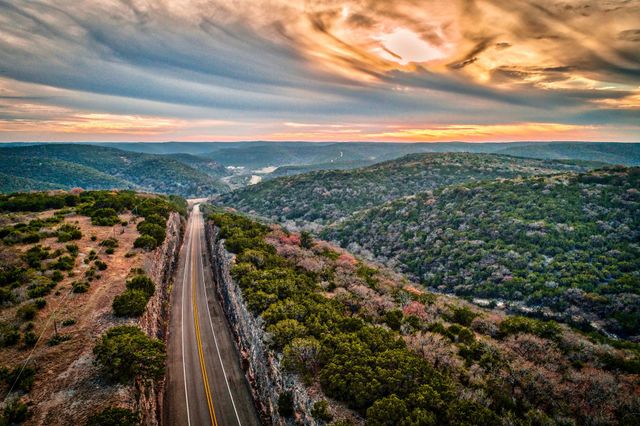
    Heading south brings travelers into the rolling beauty of the Hill Country. Drives like the Willow City Loop near Fredericksburg are legendary during bluebonnet season.

    Highlights:

    Wildflower-lined roads in spring

    Charming small towns and wineries

    Limestone hills, rivers, and oak groves

    The Texas Coastal Bend (Gulf Coast)


    For a change of scenery, the Gulf Coast offers breezy coastal highways and endless beaches. A must-drive stretch runs through Padre Island National Seashore, where the road hugs dunes and open shoreline.

    Why It’s Memorable:

    Longest undeveloped barrier island in the world

    Coastal wildlife and birdwatching

    Spectacular sunrise and sunset views over the Gulf

    Final Thoughts

    Beginning your scenic Texas road trip at Palo Duro Canyon sets the tone for an unforgettable journey through some of the state’s most striking landscapes. From canyon walls glowing at sunset to rolling Hill Country roads and coastal horizons, Texas offers a driving experience that’s as vast and varied as the state itself.

    Whether you’re planning a weekend getaway or a cross-state adventure, these scenic routes prove that sometimes the best destination is simply the open road.

    Click Here to access a free vacation certificate, that mey include Texas.

    Please come back often as more in-depth articles will be published about The most Senic Drives in Texas.