Category: Vacation Destinations

  • Protecting West Texas: The Journey to Preserve One Million Acres of Land

    https://images.openai.com/static-rsc-3/zcgPPLua21a5DaD_6lxVeulG15D28ehwYvo67fBEZSOHsXs-0-A8bkH-lFGEvwVf__M64_V5MBY9E0T9qpBSD3YmFdM8ezqnJFR4O7iJ6mI?purpose=fullsize&v=1
    https://images.openai.com/static-rsc-3/-NVZUpwFQy6PP4u7Lw_9S9F5_S_cFS_ZI4Btx-Hb7HAEDXGYCKBdDkOfRxcwvdcRYAWsZoHJmPTsP2Ergi_2n22VH8f97_v7OkFXxOYSMpk?purpose=fullsize&v=1
    https://images.openai.com/static-rsc-3/AClPGidI-jjXReLS3UDXISuO62h-nWb1KnQdLdKp1f_KlczUnsuJZUiz33bN9qpuVRfglqT4rQhGGslkomTBYam72so8uWWL5fGjKnrbSFY?purpose=fullsize&v=1

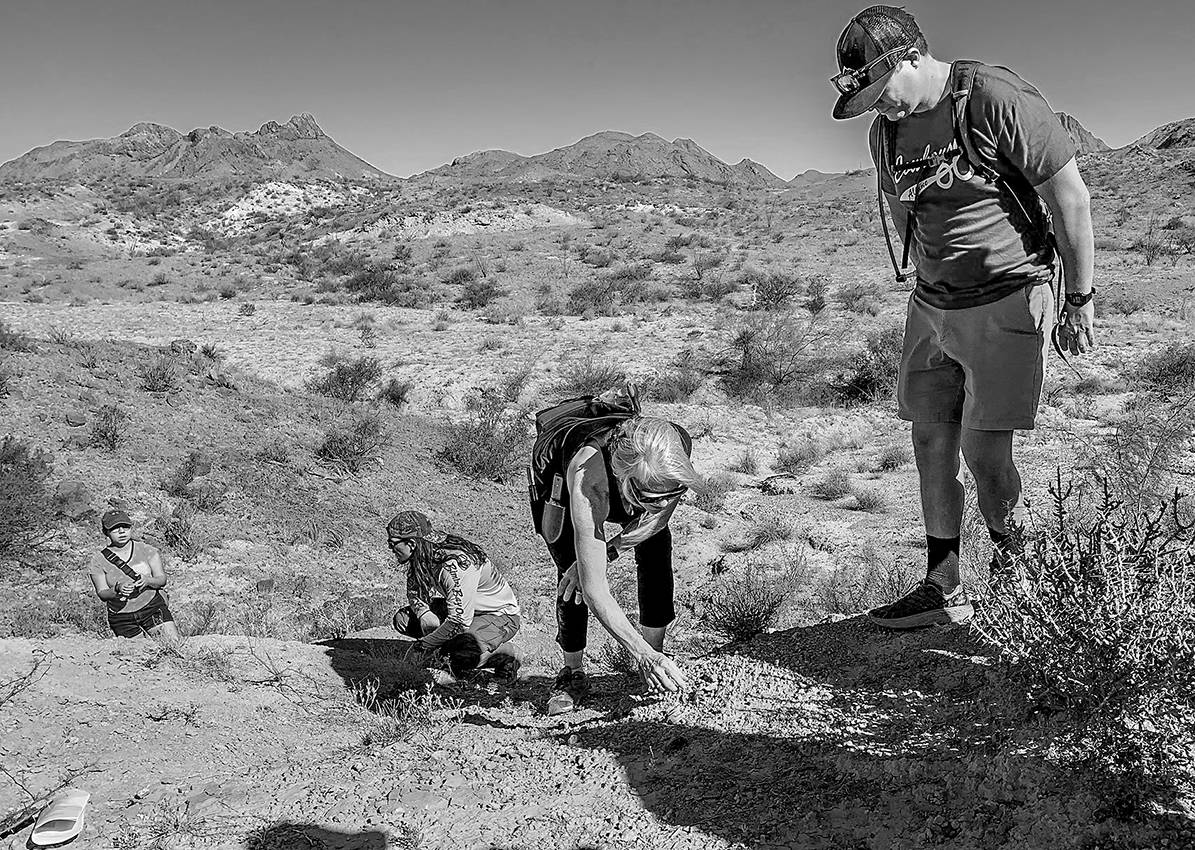
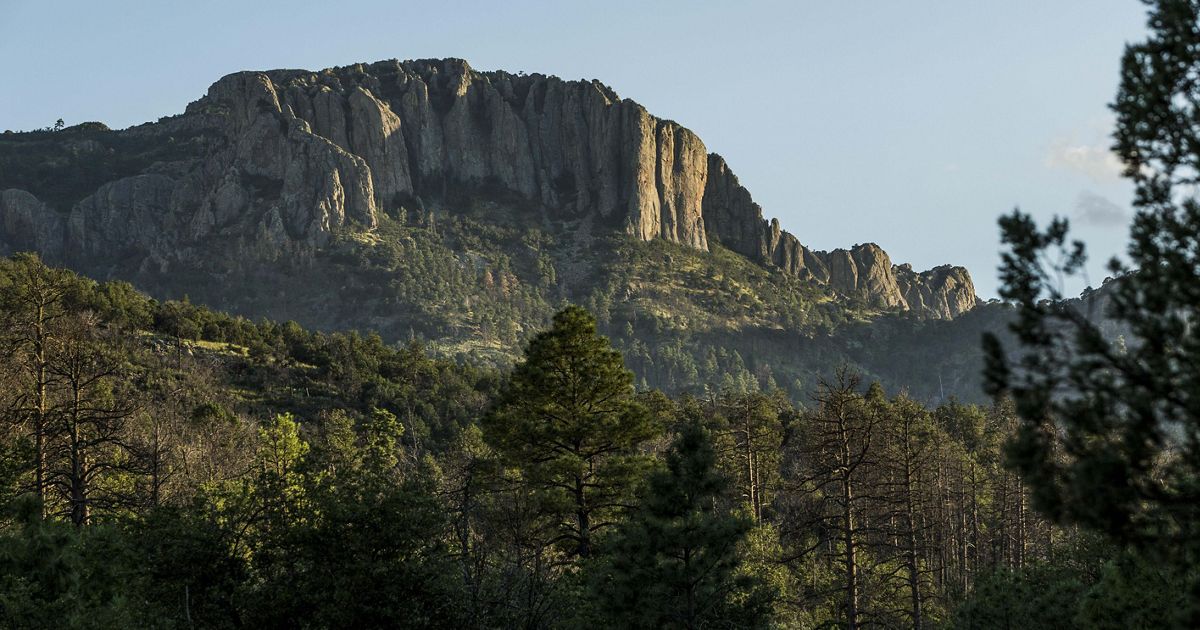
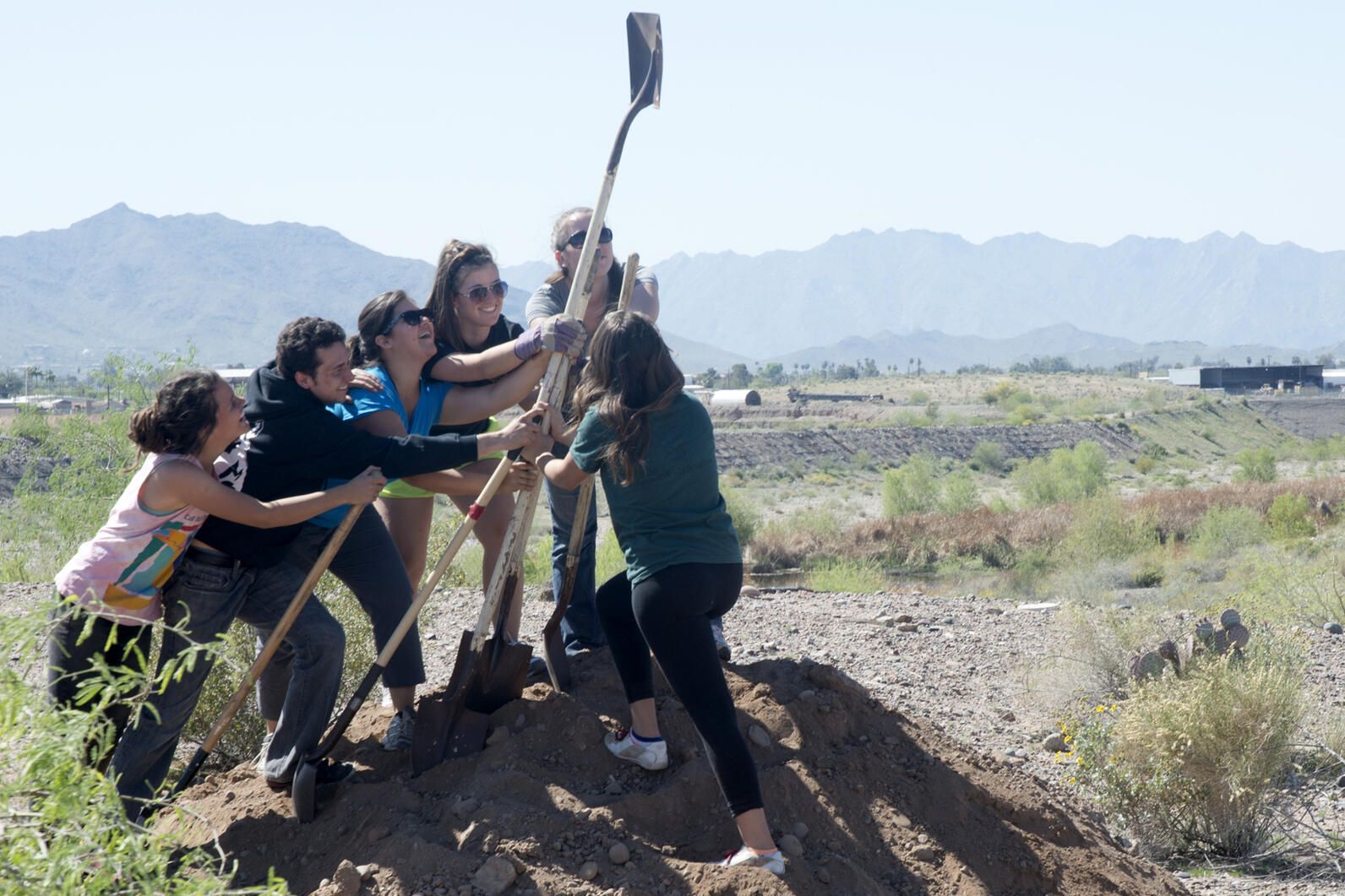
    West Texas is known for its wide open skies, rugged mountains, desert landscapes, and unique wildlife. But these landscapes are more than just beautiful—they are also fragile ecosystems that require careful protection.

    In the video “Making of a Million – Daytripping with The Nature Conservancy in Texas,” viewers travel across West Texas to explore how conservationists, landowners, and communities are working together to protect natural spaces. The effort celebrates the milestone of protecting over one million acres of land across Texas.


    A Mission to Protect Texas Landscapes
    https://natureconservancy-h.assetsadobe.com/is/image/content/dam/tnc/nature/en/photos/t/x/TX_WOPA151008_D129_JPG.Jpg?crop=0%2C401%2C5662%2C2972&hei=630&scl=4.718333333333334&wid=1200
    https://txmo-server.imgix.net/2023/06/honey-creek-natural-area.jpg?auto=compress&crop=faces&fit=fit&h=1500&ixlib=php-3.0.0&q=45&s=537e9ad81f5b048310c5ffa3c32bafd3&w=2400
    https://docs.gato.txst.edu/645980/w/2000/YQF5x3jwNuvM/frm-Susan-Hanson-5%20copy.jpg

    Organizations like The Nature Conservancy work with local landowners and communities to protect natural habitats across Texas.

    Their mission includes:

    • Preserving wildlife habitats
    • Protecting rivers, grasslands, and deserts
    • Maintaining healthy ecosystems for future generations
    • Supporting sustainable land management

    Reaching the milestone of one million acres protected represents years of collaboration between conservation groups and private landowners.


    Why West Texas Is So Important

    https://images.openai.com/static-rsc-3/-NVZUpwFQy6PP4u7Lw_9S9F5_S_cFS_ZI4Btx-Hb7HAEDXGYCKBdDkOfRxcwvdcRYAWsZoHJmPTsP2Ergi_2n22VH8f97_v7OkFXxOYSMpk?purpose=fullsize&v=1
    https://images.openai.com/static-rsc-3/wGCnNOB_QXVJBhqviAX4HUCY4Jpc7Tbr-PaI7cXR8miRWNnpk-wG6v4VfNmYsPPRNjbviyxPgqZrkeWetj1fr8T3Y4Mlaz3O5Ih0kuYsoCA?purpose=fullsize&v=1
    https://images.openai.com/static-rsc-3/Owf3hzcTro_vWy4g_70ce6UCAjm7KmzLVNlioQ3LbMvXF2ynBBnglbbdSoasj3h4Mhm_4F6_o1WQ-EIavTkjSAh2PDt5lxJvJX5vrvKfl-0?purpose=fullsize&v=1

    West Texas contains some of the most diverse and dramatic landscapes in the state. This region includes desert ecosystems, mountain ranges, and grasslands that support many species of plants and animals.

    Key features of West Texas ecosystems include:

    • The Chihuahuan Desert – one of the most biologically diverse deserts in the world
    • Mountain habitats that support unique wildlife species
    • Grasslands and prairies that provide migration corridors for animals
    • Clear night skies and remote wilderness

    Protecting these ecosystems helps maintain biodiversity and ensures that future generations can experience the natural beauty of the region.


    Partnerships with Local Landowners

    https://static1.squarespace.com/static/615cb090232f766bedd17636/615df2b7b737bf0b32190864/6717be3a43ccd40d4e4060f9/1735932294248/Agave%2BCanyons%2BRanch_highlight%2Bphoto.jpg?format=1500w
    https://static.conocophillips.com/files/spiritnow/square-sml-pipelineseeding-copy.jpg

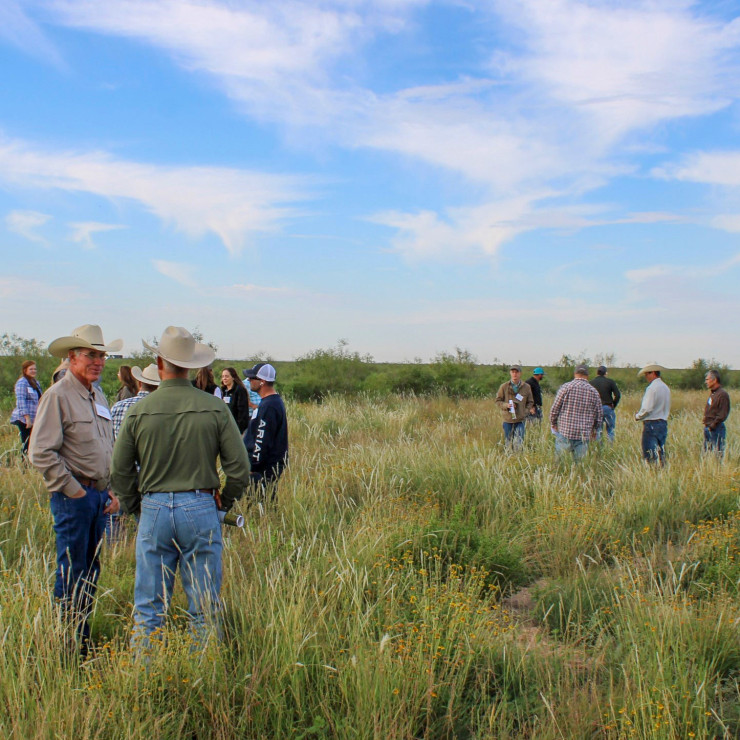
    A major part of conservation in Texas involves partnerships with private landowners and ranchers.

    Because most land in Texas is privately owned, conservation organizations often work directly with landowners to develop solutions that benefit both nature and agriculture.

    Examples of collaborative efforts include:

    • Conservation easements
    • Sustainable ranching practices
    • Habitat restoration projects
    • Water resource protection

    These partnerships allow working ranches and wildlife habitats to coexist successfully.


    The Future of Conservation in Texas
    https://southwest.audubon.org/sites/default/files/styles/bean_wysiwyg_full_width/public/_dsc0987jpg.jpg?itok=s9oafRst
    https://fieldstations.utexas.edu/sites/default/files/uploads/images/default/hill-country-4-3.jpg

    Protecting one million acres is a significant milestone, but conservation work continues. Scientists and environmental groups are focused on:

    • Restoring damaged ecosystems
    • Protecting endangered species
    • Addressing climate challenges
    • Expanding conservation areas across the state

    The goal is to ensure that Texas’ natural heritage—especially in regions like West Texas—remains intact for generations to come.


    Conclusion

    West Texas represents some of the most breathtaking and ecologically important landscapes in the United States. Through collaboration between conservation organizations, scientists, and landowners, more than one million acres of Texas land have been preserved.

    These efforts highlight the importance of protecting natural environments while supporting the communities that live and work on the land.

    The story of conservation in West Texas is not just about protecting land—it is about preserving a legacy of nature, wildlife, and open spaces for the future.

    Click here to access a free vacation for seven nights in your choose of 3500 + locations. One might be West Texas.

    Rick Herring
    thmjmj@gmail.com

  • Franciscan Monastery of the Holy Land in Washington, DC

    https://images.openai.com/static-rsc-3/FNaiydYlAuN6Uug5QxVzOlDLCQ9kZcgC5JeXp6B_Cx38fNkayJLma5J6CieK5kSawWE-DDk-f7X1UEDWgejSgekRTCriDdBMEcp8-sEG73M?purpose=fullsize&v=1
    https://media1.s-nbcnews.com/i/MSNBC/Components/Photo/_new/091013-monestery-bcol4.jpg
    https://upload.wikimedia.org/wikipedia/commons/7/7f/Mount_St_Sepulchre_DC.JPG

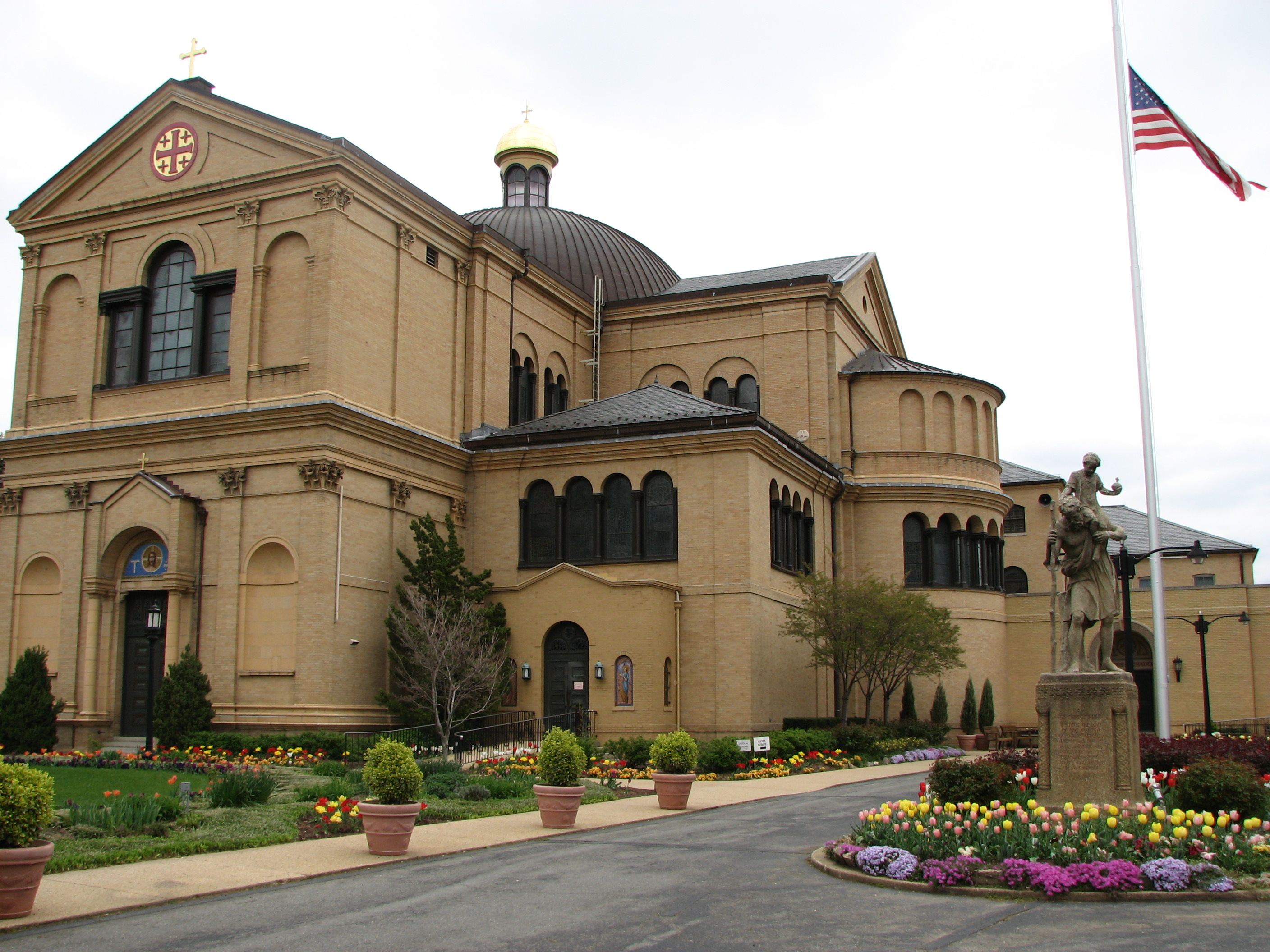
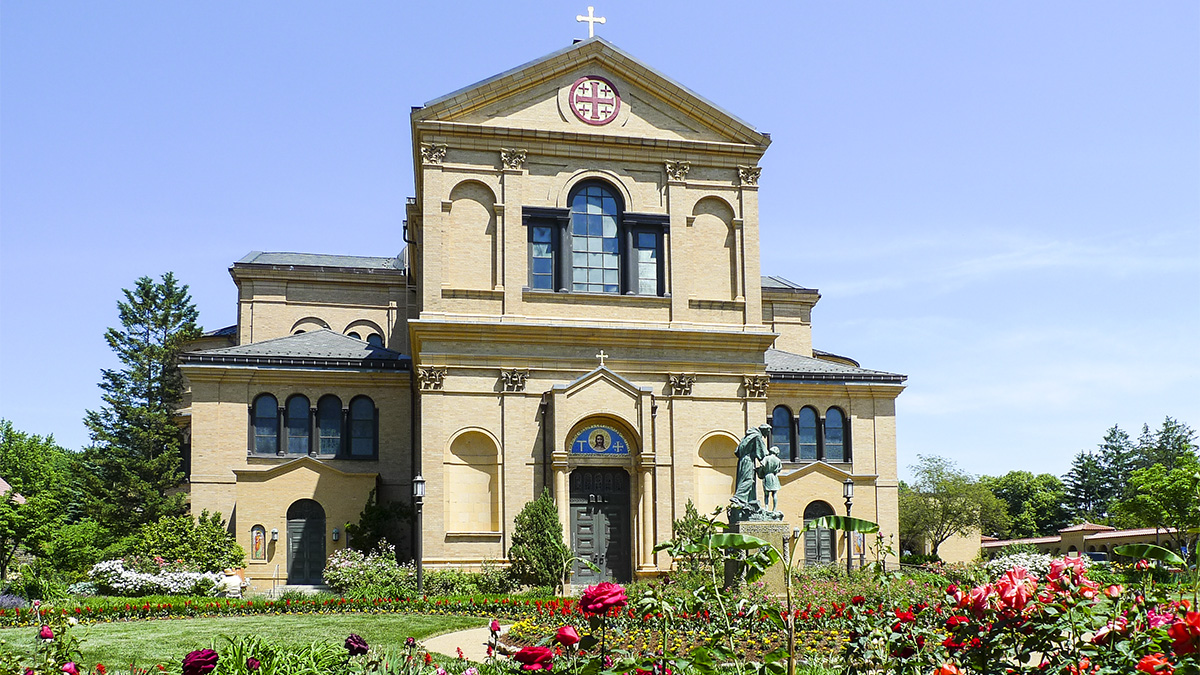
    Nestled on a quiet hill in the Brookland neighborhood of Washington, D.C., the Franciscan Monastery of the Holy Land in America is one of the city’s most peaceful and spiritually rich destinations. Often described as a “Little Jerusalem,” the monastery offers visitors a chance to experience replicas of sacred sites from the Holy Land without leaving the United States.

    The monastery complex combines sacred architecture, tranquil gardens, and devotional spaces, making it both a pilgrimage site and a cultural landmark. It is home to Franciscan friars who continue an 800-year mission of caring for Christian holy places in the Holy Land.


    A Vision to Bring the Holy Land to America

    https://images.openai.com/static-rsc-3/FNaiydYlAuN6Uug5QxVzOlDLCQ9kZcgC5JeXp6B_Cx38fNkayJLma5J6CieK5kSawWE-DDk-f7X1UEDWgejSgekRTCriDdBMEcp8-sEG73M?purpose=fullsize&v=1
    https://www.tclf.org/sites/default/files/thumbnails/image/Washington_DC_FranciscanMonastery_06_AmandaShull_2012_sig.jpg

    The idea for the monastery originated in the late 19th century through the vision of Father Charles A. Vassani and Father Godfrey Schilling, O.F.M. Their goal was to build a place in the United States that would replicate the most sacred sites of Christianity for pilgrims who could not travel to the Holy Land.

    After purchasing land in Washington, D.C. in 1897, the Franciscans began constructing the monastery and its church. Architect Aristide Leonori, from Rome, designed the central Memorial Church of the Holy Sepulcher, which was completed in 1899.

    The church reflects a Neo-Byzantine architectural style, inspired by early Christian buildings and the famous Church of the Holy Sepulchre in Jerusalem.

    Over the following decades, additional shrines, gardens, and chapels were added, turning the grounds into a devotional landscape representing key moments in the life of Christ.


    Replicas of Holy Land Shrines

    https://media1.s-nbcnews.com/i/MSNBC/Components/Photo/_new/091013-monestery-bcol4.jpg
    https://images.openai.com/static-rsc-3/TaPWPEyTwENBt5c_Agva2Iq5B-qhmuoYVW_VGuxCex1YPz7NgRFBpVg-yYAJvxdgoljYg43gZy4x43nWSfUECpw3hi8m3AsFhM9gumIIO2Q?purpose=fullsize&v=1
    https://images.openai.com/static-rsc-3/FNaiydYlAuN6Uug5QxVzOlDLCQ9kZcgC5JeXp6B_Cx38fNkayJLma5J6CieK5kSawWE-DDk-f7X1UEDWgejSgekRTCriDdBMEcp8-sEG73M?purpose=fullsize&v=1

    4

    One of the monastery’s most unique features is its collection of replicas of sacred places in the Holy Land. These carefully constructed sites allow visitors to meditate on biblical events in a setting that mirrors the geography and spirituality of Jerusalem and Bethlehem.

    Among the most notable are:

    • A replica of the Holy Sepulchre, commemorating the burial and resurrection of Christ
    • The Grotto of the Nativity, recalling the birthplace of Jesus
    • The Garden of Gethsemane shrine
    • A Lourdes grotto honoring the Marian apparition in France
    • The Rosary Portico, a cloister-like walkway with chapels depicting the mysteries of the Rosary

    The Rosary Portico is particularly distinctive, containing plaques with the prayer “Hail Mary” written in nearly 200 languages, symbolizing the global reach of Christian devotion.


    The Monastery Gardens: An Oasis of Peace

    https://images.openai.com/static-rsc-3/ud0HqiFd7m6VFgSTpOYcrcUhIkQTk8_ed3GoDvyiVkWVnpv0K5SXupvSMtX-CCo5qsO9nnhPvIS0zdsp-EFmjfdGgb5V0MRsdHDo01RROTs?purpose=fullsize&v=1
    https://images.openai.com/static-rsc-3/FNaiydYlAuN6Uug5QxVzOlDLCQ9kZcgC5JeXp6B_Cx38fNkayJLma5J6CieK5kSawWE-DDk-f7X1UEDWgejSgekRTCriDdBMEcp8-sEG73M?purpose=fullsize&v=1
    https://www.tclf.org/sites/default/files/styles/full_width/public/thumbnails/image/4819204780_26afe18e27_o.jpg?itok=vUSkuP0w

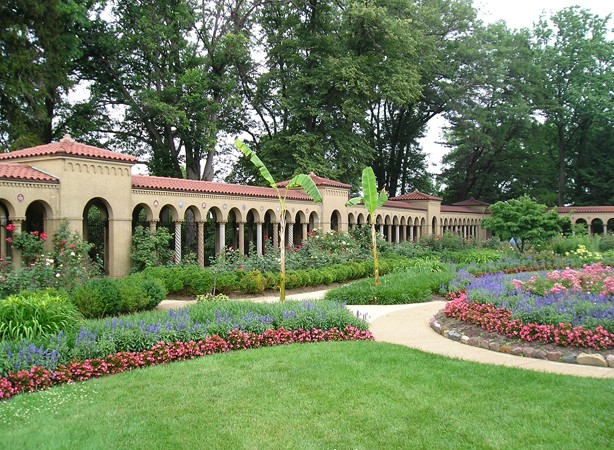
    Surrounding the church are century-old gardens covering more than 40 acres, filled with flowers, trees, and contemplative pathways.

    The gardens are known for their peaceful atmosphere and have even been recognized as one of the most tranquil places in Washington, D.C.

    Visitors strolling through the grounds encounter:

    • Over 1,000 rose plants
    • Hidden shrines and statues
    • Quiet paths designed for prayer and reflection
    • Landscaped terraces and cloister gardens

    These gardens embody the Franciscan tradition of appreciating nature as a reflection of God’s creation.


    The Catacombs Beneath the Church

    https://img.atlasobscura.com/4-hzmwyXd5aqwaMd95N6PohIzZ_RzH52XH0TiH3P5p0/rt%3Afit/h%3A400/q%3A81/sm%3A1/scp%3A1/ar%3A1/aHR0cHM6Ly9hdGxh/cy1kZXYuczMuYW1h/em9uYXdzLmNvbS91/cGxvYWRzL3BsYWNl/X2ltYWdlcy9iMWQ2/MmE5Yi0yMjIyLTQ3/YjItOGQzMy1hNDIy/ODcyODRmZWNlYmE4/Y2EzYjMzN2RlZDQ3/M2NfNjg3MzMxMzI5/M184ODJkOGY0ZGJj/X3ouanBn.jpg
    https://img.atlasobscura.com/wnYY7vfzbYWtVdN76AMhDvvAGvAmTtkx2p1Sqr3qDvM/rt%3Afit/h%3A400/q%3A81/sm%3A1/scp%3A1/ar%3A1/aHR0cHM6Ly9hdGxh/cy1kZXYuczMuYW1h/em9uYXdzLmNvbS91/cGxvYWRzL3BsYWNl/X2ltYWdlcy8zMzYy/YjI1MS01ZmMyLTQw/MTAtOWM1NS1mMmJm/ZDk1ZThlZDNmNDZh/YzgxNDQ2YzE0NDY2/OTZfNzEwMTAyNDE5/NV9mYzNiMzA0YjJj/X3ouanBn.jpg
    https://img.atlasobscura.com/Yva4Z-li0Bb8ZeFlZrzXZyza1lfcWnVLaNR9n3LYgz8/rt%3Afit/h%3A400/q%3A81/sm%3A1/scp%3A1/ar%3A1/aHR0cHM6Ly9hdGxh/cy1kZXYuczMuYW1h/em9uYXdzLmNvbS91/cGxvYWRzL3BsYWNl/X2ltYWdlcy83NWQz/ZDY3NS00NWU1LTQ1/YmItOTYzOC0wODNk/YWIwNWZlMWJjYWZk/MDA3YzFiYzQzNWE0/ZWFfNjg3NjA0MzQz/NV9kMTk0ZWNkMWIx/X3ouanBn.jpg

    Beneath the church lies one of the monastery’s most intriguing features: a network of catacombs modeled after those in ancient Rome.

    These underground passageways contain symbolic burial niches and chapels, offering visitors a glimpse into early Christian burial traditions and spirituality. Some relics are also preserved here, including the bones of early saints brought from European catacombs.

    Guided tours allow visitors to explore the catacombs while learning about early Christian history and the symbolism behind these sacred spaces.


    A Living Pilgrimage Site Today

    Today, the Franciscan Monastery remains an active religious community and pilgrimage destination. Each year, tens of thousands of visitors come to explore its church, gardens, and shrines.

    The monastery continues to support the work of Franciscan friars in the Holy Land through education, spiritual formation, and fundraising for the preservation of Christian holy sites.

    Beyond its religious mission, the monastery has become a cherished cultural landmark in Washington, D.C.—a place where history, faith, and beauty come together.


    Conclusion

    The Franciscan Monastery of the Holy Land in Washington, D.C. offers a rare experience: a spiritual journey through the landscapes of biblical history within the heart of America’s capital. With its historic church, replicas of sacred shrines, peaceful gardens, and mysterious catacombs, the monastery provides a unique environment for reflection, learning, and pilgrimage.

    Whether one comes for prayer, history, or simply to enjoy the serene surroundings, the monastery stands as a powerful reminder of the enduring connection between the United States and the sacred heritage of the Holy Land.

    Click Here to get a free vacation that could easily include Washington DC

    Rick Herring
    thmjmj@gmail.com

  • Saint John Paul II National Shrine in Washington, D.C.

    https://upload.wikimedia.org/wikipedia/commons/9/96/Exterior_of_the_Saint_John_Paul_II_National_Shrine_in_Washington%2C_DC.jpg
    https://res.cloudinary.com/ewtn/image/upload/c_limit%2Cw_3840/f_auto/q_80/v1/images/21769449524-15ee81ce73-o?_a=BAVMn6E70
    https://sdcason.com/content/images/size/w1200/2021/09/20190625_133110-1.jpeg

    4

    Introduction

    The Saint John Paul II National Shrine is a Catholic place of prayer, pilgrimage, and education dedicated to the life and teachings of Pope John Paul II. Located in the Brookland neighborhood of Washington, D.C., the shrine welcomes visitors of all faiths and backgrounds who wish to learn about one of the most influential religious leaders of the twentieth century.

    Beyond being a memorial, the shrine serves as a vibrant center for spiritual formation and cultural exploration. Through liturgies, exhibits, and prayer spaces, it encourages visitors to reflect on the message of faith, hope, and human dignity that characterized the life of Saint John Paul II.


    Location and Setting

    The shrine stands at 3900 Harewood Road NE in Washington, D.C., near two prominent Catholic institutions: The Catholic University of America and the Basilica of the National Shrine of the Immaculate Conception. The complex covers about 130,000 square feet and sits on a twelve-acre site, making it a major religious landmark in the capital city.

    Because of its proximity to these institutions, the shrine forms part of an important Catholic spiritual and educational district in Washington, attracting pilgrims, students, and tourists alike.


    Historical Development

    The building that houses the shrine originally opened in 2001 as the Pope John Paul II Cultural Center. The center was envisioned as a place where people could explore questions of faith, culture, and interreligious dialogue.

    However, the cultural center struggled financially and eventually closed in 2009. In 2011, the Catholic fraternal organization Knights of Columbus purchased the facility and began transforming it into a shrine dedicated to the then Blessed John Paul II.

    After extensive renovations and the development of new exhibits and chapels, the site was officially designated a national shrine by the U.S. Conference of Catholic Bishops on April 14, 2014—the same year Pope Francis canonized John Paul II as a saint.


    Architecture and Sacred Spaces

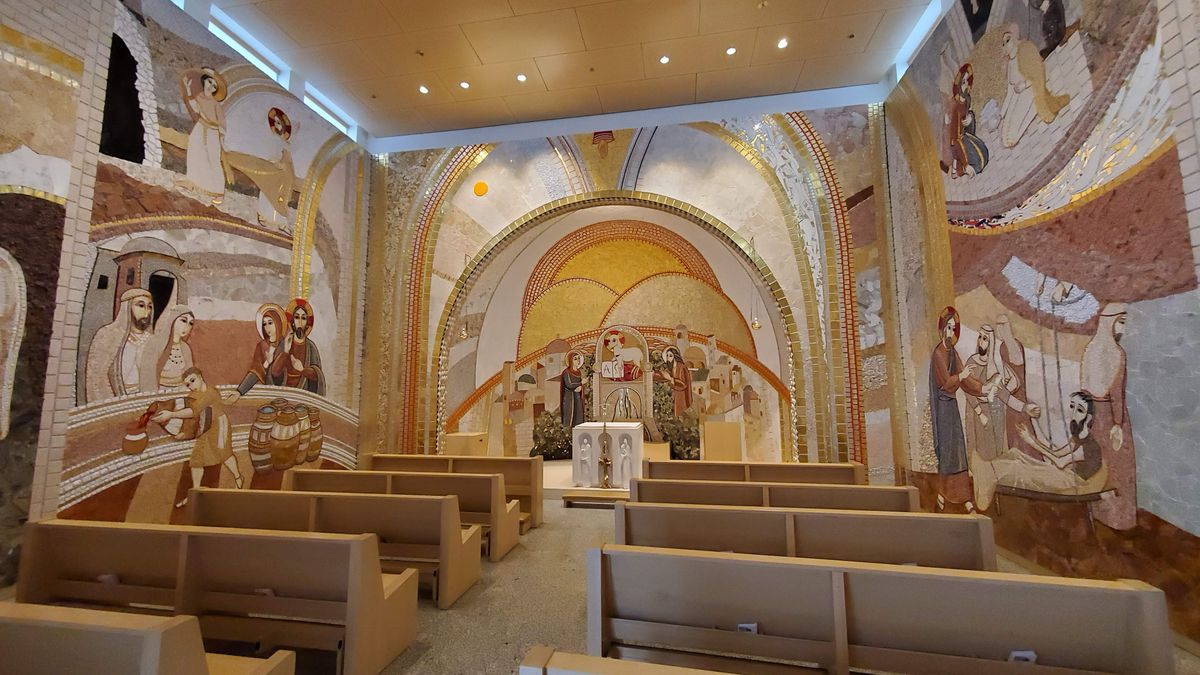
    The shrine contains several notable religious spaces designed for prayer and worship. One of the central areas is the Redemptor Hominis Church, where daily Mass is celebrated and visitors gather for liturgical services. Another important space is the Luminous Mysteries Chapel, which houses a first-class relic of Saint John Paul II—a vial of his blood—allowing pilgrims to venerate the saint.

    Both chapels are decorated with elaborate mosaics and sacred art that highlight key themes of Catholic theology and the spiritual legacy of John Paul II.


    Museum and Educational Exhibits

    A major attraction of the shrine is the permanent exhibition titled “A Gift of Love: The Life of Saint John Paul II.” This multimedia exhibit spans several galleries and traces the life of the Polish pope from his childhood in Nazi-occupied Poland to his historic papacy from 1978 to 2005.

    Through photographs, artifacts, videos, and interactive displays, visitors learn about his experiences under totalitarian regimes, his leadership of the global Catholic Church, and his influence on world events. The exhibit also explores themes that defined his ministry, including human dignity, freedom, and the call to faith.


    Spiritual and Cultural Significance

    The shrine serves as a place of pilgrimage where believers can encounter the teachings of Saint John Paul II through prayer, reflection, and education. It hosts Mass, retreats, cultural programs, and special religious celebrations throughout the year.

    More broadly, the shrine symbolizes the enduring impact of John Paul II’s message to “be not afraid” and to defend the dignity of every human person. His leadership during the late twentieth century—particularly his advocacy for human rights and religious freedom—continues to inspire people around the world.


    Conclusion

    The Saint John Paul II National Shrine stands as both a memorial and a living center of faith in the United States. By combining worship spaces, educational exhibits, and cultural programs, it invites visitors to explore the remarkable life and legacy of one of the most influential popes in modern history.

    For pilgrims, scholars, and tourists alike, the shrine offers a meaningful opportunity to reflect on faith, history, and the enduring influence of Saint John Paul II.

    Click Here for a free vacation certificate for a 7 night resort to one of 3500 locacations. One just might be Washington DC.

    Rick Herring
    thmjmj@thmjmj8875

    ,P.S. Please leave a commit.

    Saint John Paul II life and teachingsSaint John Paul II life and teachings

  • Route 66: The Mother Road That Connects Generations

    From the bright lights of Chicago to the Pacific waves at Santa Monica Pier, Route 66 has long symbolized freedom, faith, resilience, and the open road. Established in 1926, this 2,400-mile highway stitched together small towns and big dreams across eight states—becoming known as America’s “Mother Road.”

    For young adventurers, retirees rediscovering travel, families on a budget, and spiritual seekers alike, Route 66 still offers something meaningful today.

    The Birth of Route 66 (1926)

    Route 66 was officially commissioned in 1926 as part of America’s new numbered highway system. It connected the Midwest to the West Coast, crossing:

    Illinois
    Missouri
    Kansas
    Oklahoma
    Texas
    New Mexico
    Arizona
    California

    Unlike modern interstates, Route 66 passed directly through town centers. That meant local diners, gas stations, motor courts, and churches flourished along its path.

    For many communities, Route 66 wasn’t just a road—it was their lifeline.

    The Road of Hope: The 1930s Migration

    During the Dust Bowl and Great Depression, struggling families traveled west searching for work and a new beginning. Route 66 became a corridor of survival.

    John Steinbeck famously called it the “Mother Road,” capturing how it carried both hardship and hope. It became a symbol of perseverance—something that still resonates with travelers facing life transitions today.

    The Golden Age of Roadside America (1940s–1960s)

    Post-World War II prosperity fueled the great American road trip. Families piled into cars and headed west. Along Route 66, entrepreneurs created eye-catching attractions to stand out:

    Neon-lit motels

    Themed lodging like the Wigwam Motel

    Classic diners with jukeboxes

    Quirky roadside art like Cadillac Ranch

    It was affordable travel before “budget travel” became a trend. You didn’t need luxury—just a full tank and a sense of adventure.

    The Interstate Era & Decommissioning (1985)

    By the 1950s, faster interstate highways began bypassing the small towns that depended on Route 66. Traffic declined. Businesses closed.

    In 1985, Route 66 was officially removed from the U.S. Highway System.

    But the story didn’t end there.

    Route 66 Today: A Living Legacy

    Although no longer an official highway, large portions still exist as “Historic Route 66.” Preservation groups, local communities, and travelers have brought the road back to life.

    Today you’ll find:

    Restored neon signs

    Mom-and-pop diners serving affordable comfort food

    Scenic desert drives perfect for photography

    Small museums preserving local history

    Churches and spiritual retreat spaces along the route

    With Route 66’s 100th anniversary approaching in 2026, renewed attention is bringing fresh energy and tourism to the communities it once sustained.

    Why Route 66 Still Matters for Every Generation
    👨‍👩‍👧 Families on a Budget

    You can build an affordable road trip itinerary filled with free attractions, scenic views, and small-town hospitality.

    👵 Retirees & Independent Living Travelers

    Route 66 offers manageable driving segments, nostalgic stops, and welcoming communities—ideal for relaxed exploration.

    🙏 Spiritual & Reflective Travelers

    There’s something deeply contemplative about long desert highways, historic chapels, and sunrise stretches of open road. Many travelers describe Route 66 as less about destination and more about personal journey.

    📸 Young Adventurers & Creators

    Vintage aesthetics, classic signage, murals, and retro diners make Route 66 a dream backdrop for photography and storytelling.

    Planning a Modern Route 66 Road Trip

    Because the original road splits and overlaps with modern highways, planning takes intention. But that’s part of the charm.

    Tips for budget-friendly travel:

    Travel in shoulder seasons (spring/fall)

    Mix camping with classic motels

    Eat at local diners rather than chains

    Visit free roadside attractions

    Explore short segments if you can’t drive the full route

    You don’t have to drive all 2,400 miles to experience its spirit.

    Route 66: More Than a Highway

    Route 66 represents:

    Renewal

    Resilience

    Simplicity

    Community

    Faith in forward movement

    It connects generations—those who remember it in its heyday and those discovering it for the first time.

    Whether you’re sharing budget recipes at home, planning a scenic getaway, exploring historic churches, or reflecting on life’s journey, Route 66 reminds us:

    Sometimes the long road is the meaningful one.

    Click Here to receive a travel certificate for 7 nights in your choose of 3500 locations.

    Rick Herring
    thmjmj@thmjmj8875

    P.S. Please leave a commit.

  • Basilica of the National Shrine of the Immaculate Conception, Washington, D.C.


    A National Treasure of Faith, Art, and History

    Situated in the heart of Washington, D.C., the Basilica of the National Shrine of the Immaculate Conception stands as one of the most magnificent religious and architectural landmarks in the United States. Known affectionately as Mary’s Shrine or America’s Catholic Church, this basilica is not only a place of worship but also a national sanctuary of prayer, pilgrimage, and artistic splendor.

    🇺🇸 A Monument Built by the People

    The idea for a national shrine dedicated to the Blessed Virgin Mary under her title of the Immaculate Conception was envisioned as early as 1846, when American Catholic bishops declared Mary the patroness of the United States. Although the foundation stone was laid in 1920, it took generations of faithful American Catholics to bring the basilica to life.

    Built entirely of stone, brick, tile, and mortar without structural steel beams, it unfolds before visitors as an extraordinary fusion of Romanesque and Byzantine Revival architecture. This distinctive style was specifically chosen to distinguish it from other Washington landmarks and evoke the timeless tradition of early Christian basilicas.

    📏 Size and Significance

    🕍 Largest Catholic church in North America and one of the ten largest in the world.

    ⛪ Home to more than 80 chapels and oratories, each reflecting the cultural diversity of the Catholic faithful across the United States and beyond.

    🏛️ The structure also houses one of the largest collections of contemporary ecclesiastical art on earth.

    From pilgrim groups to international visitors, the basilica welcomes nearly a million visitors annually, drawing worshippers and art lovers alike.

    🎨 Inside the Shrine: Art and Devotion
    ✨ The Great Upper Church

    This soaring space greets visitors with vibrant mosaics, marble detailing, and expansive stained glass windows. Sunlight dances across the mosaics, bringing biblical scenes and Marian imagery to life—testifying to both faith and artistic excellence.

    🌟 Trinity Dome

    Crowning the basilica is the magnificent Trinity Dome mosaic, completed in 2017 after nearly a century of construction and artistic collaboration. Composed of millions of tesserae, this breathtaking artwork visually represents the spiritual heart of the basilica and is often described as its “crowning jewel.”

    ✝️ Our Mother of Africa Chapel

    One of the basilica’s most moving spaces, the Our Mother of Africa Chapel, showcases a powerful bronze statue of the Madonna and Child styled with authentic African features. It reflects Catholicism’s embrace of cultural diversity and the church’s universal mission.

    🙏 A Place of Prayer and Pilgrimage

    More than an architectural marvel, the basilica is a living place of worship. Daily Masses and sacramental celebrations take place throughout the week, while guided tours offer historical and artistic insights for first-time and returning visitors alike.

    Whether you come for spiritual renewal, artistic appreciation, or historical curiosity, the sanctuary invites you to pause, reflect, and connect with centuries of faith.

    📍 Visit Information

    Address: 400 Michigan Avenue, NE, Washington, D.C. 20017
    Open to the public 365 days a year with scheduled liturgies, tours, and special events highlighting the vibrant life of this national shrine.

    Click Here for a free vacation certificate to 3500 locations. One of them might be Washington DC.

    Click Here to get a more indepth tour of the Bisalica.

  • Cathedral Basilica of St. Augustine: History, Architecture, and Visitor Guide

    The Cathedral of Saint Augustine: A Living Landmark of Faith and History

    Introduction

    https://images.openai.com/static-rsc-3/MAaSyEPwwXlvv9WgEjRtupWdaCfectyd0guQo20A3XaapXrYzQwb5G_d7nVoYrs8uwpXe1MzkfZHNyT-GFTbYZzgN13je_yInUM2XbOCud4?purpose=fullsize&v=1
    https://images.openai.com/static-rsc-3/yp0u6eRQxsT9SeYdJiMnL5mg3BRdNA5yrscr-Mut0X6yfU0Ov2Gkr9C9IsOl5NEdilf3ZE3FJT8IqHsutzM_GKm3UGcBakaY8QqJ68puUeY?purpose=fullsize&v=1
    https://images.openai.com/static-rsc-3/Neub-QUZ_ZSrW0x16Z_VckzZprqBjnufhvQFO2_z7TgsDb_93qI0uq4oRw-fYoiB2VwU7AOOzchxZmF0AV7qyv7_823sQ24f_ZqLyHVEIcU?purpose=fullsize&v=1

    4

    In the heart of America’s oldest city stands a remarkable symbol of faith, resilience, and Spanish heritage — the Cathedral Basilica of St. Augustine. Located on the historic Plaza de la Constitución, this iconic cathedral is not only a place of worship but also a treasured architectural landmark that reflects more than four centuries of Catholic presence in Florida.


    A Church Rooted in America’s Oldest City

    https://images.openai.com/static-rsc-3/wtrZTTLUXe7XbW4HYp7LwtgZ2SDX28WJHphxIQ2WYE3c3Pe470_0AxiUbFUnp4kq6E3qRG8hUeG3IWg4aMx3ZpbvJVYJe2rOQJcQicdEA2k?purpose=fullsize&v=1
    https://images.openai.com/static-rsc-3/Kr7ZDgfu7-AmiMJlbW7ZhI1ZY_EeqYM9KCAvcaaIYZSXT6o1VQ25RkjY9BNCxllK9gmjBbZ_zMAJwNquNQ0aiJsrK15r3BOa1RGNFrXa0cQ?purpose=fullsize&v=1
    https://images.openai.com/static-rsc-3/5hqM8JLmbuaKo7DPUhFeFkqiy8u7oikZ9IJijDngih2aqSOoC79exgcEoYn__8Mf9RK-7up7wesJYj4g9gfBPARqYRGozZMrcoCZD2cZ9NE?purpose=fullsize&v=1

    4

    Founded in a city established by Spanish explorers in 1565, the cathedral’s origins trace back to early parish churches built by missionaries and settlers. Over the centuries, fires, storms, and rebuilding efforts shaped the structure seen today.

    The present cathedral largely dates to the late 18th century, with significant reconstruction following an 1887 fire. Architect James Renwick Jr., renowned for designing prominent American churches, led the restoration. His vision blended Spanish Colonial roots with Romanesque Revival elements, resulting in a building that feels both historic and timeless.

    In 1976, the church received the honorary title of basilica, recognizing its importance within the Catholic Church and its longstanding spiritual influence in the region.


    Architectural Beauty and Symbolism

    https://images.openai.com/static-rsc-3/8x8VQVyqC81lTkyyCDYxDrvMgM2gcYvEgPQf6eKYZ4kltRl91CmONTZJu3WOB96W7EOgK4qUdVKhKPdluyvWZwapQ3mld5As5XAsybTXqEA?purpose=fullsize&v=1
    https://images.openai.com/static-rsc-3/ihoHh6nyeRk9eg99XLnaui2joSPfAyrxcB0lcnKg8Gc2ZAlLvFmFFhVvHf6LqHSkk5RoyFG2nUhMQq2gyrpx1jEbJx_WdVNNyeHAMlaM8s0?purpose=fullsize&v=1
    https://images.openai.com/static-rsc-3/wtrZTTLUXe7XbW4HYp7LwtgZ2SDX28WJHphxIQ2WYE3c3Pe470_0AxiUbFUnp4kq6E3qRG8hUeG3IWg4aMx3ZpbvJVYJe2rOQJcQicdEA2k?purpose=fullsize&v=1

    4

    Visitors are often drawn to the cathedral’s striking bell tower, ornate rose window, and beautifully painted interior ceilings. The Spanish influence is evident in the warm stucco exterior, arched windows, and courtyard ambiance, while intricate murals and stained glass add layers of meaning inside.

    Highlights include:

    • The Bell Tower: A prominent downtown landmark and visual anchor of the historic district
    • Stained Glass Windows: Many depict pivotal moments in Catholic history and the evangelization of Florida
    • Decorative Murals: Rich colors and sacred imagery create a contemplative atmosphere
    • Historic Courtyard: A peaceful space that reflects the mission-style heritage of the church

    Together, these features make the cathedral both a sacred space and a work of art.


    Faith, Community, and Cultural Significance

    Beyond its architectural appeal, the cathedral remains an active parish serving locals and pilgrims alike. Daily Mass, seasonal celebrations, and special liturgies connect modern worshippers with centuries of tradition.

    The cathedral also plays a central role in the cultural life of St. Augustine, hosting concerts, holiday events, and historic commemorations. For many visitors, stepping inside offers a moment of quiet reflection amid the lively streets of the city’s historic core.


    Visiting the Cathedral Today

    https://images.openai.com/static-rsc-3/Ydgbjv0Y18d06OY8ARcIsC3UmA4NOR-D9MiEpzEtH-ED6DoUGF41w6EFEWFLmbww5erEUNP89ybRfj77Qtk3OfiEZ_UfF4jXkEIlMp6tVt8?purpose=fullsize&v=1
    https://images.openai.com/static-rsc-3/SbTG1nFF56_DC0j7OWiQLn6Camw4-cmdUqA30wEPdsJudCnUiOnldkSeuGwk-cBs9eLIJohOZfUgZPbwBaa9KkCs68jsjoWhSc8myLkizvQ?purpose=fullsize&v=1
    https://images.openai.com/static-rsc-3/wTSmTYL6krVMlhxB68zi4pFTWIHG_M8Mik431eY5ACWuU0cMgt3Qv8h3oVhQ0_1SqIlqWAvlNHZ8bZO7GJoeKt7OO6B_MlDUIQDUZS7msxg?purpose=fullsize&v=1

    4

    The cathedral welcomes visitors year-round and is conveniently located within walking distance of many historic attractions. Whether attending Mass, exploring its artistic details, or simply admiring the exterior, guests experience a space where history and spirituality meet.

    Visitor Tips:

    • Check Mass and tour schedules before arrival
    • Allow time to explore nearby historic landmarks and museums
    • Dress respectfully when entering the church
    • Visit during evening hours for a beautifully illuminated exterior

    Conclusion

    The Cathedral Basilica of St. Augustine stands as a testament to enduring faith, cultural exchange, and architectural beauty. From its Spanish colonial roots to its vibrant role today, the cathedral continues to inspire visitors from around the world.

    For travelers exploring Florida’s historic coast, this cherished landmark offers more than a photo opportunity — it provides a Spanish colonial church Floridatangible connection to the earliest chapters of Christianity in the United States and a peaceful sanctuary in the heart of a storied city.

    Click Here to access the front page where the pages are displayed at the top. There you can you save on groceries and I will send you a 7 Night Resort – 3500 + Location Certificate when you Join My Program. One of them could be Florida.