It’s Holy Week, and we have almost completed our forty days of Lent—nearly arriving at the finish line. We hope your Lenten season has proved fruitful! Now let’s turn our attention to the sacred days ahead so that we can enter them deeply and make the most of this holy time.
The Heart of the Liturgical Year
The Easter Triduum—Holy Thursday, Good Friday, and Easter Sunday—is the heart of the Church’s liturgical year. In these three days, we walk with Christ from the Upper Room to Calvary to the empty tomb.
The Church grows quiet and watchful. We are invited not simply to remember these events, but to participate in them—to unite our lives, our sufferings, and our hopes to the passion, death, and resurrection of Jesus.
Spy Wednesday: A Call to Fidelity
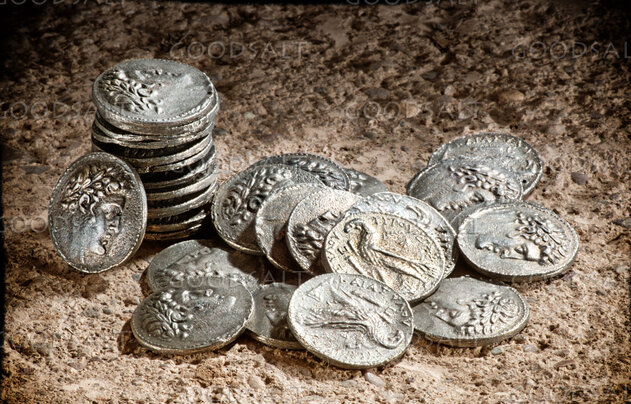
On Spy Wednesday, we recall Judas’s betrayal: thirty pieces of silver in exchange for the Lord of glory. It is a sobering reminder of our own capacity to turn away from Christ.
As we examine our hearts this week, we are invited to ask:
Where am I being called to deeper fidelity?
How can I respond with greater generosity and love?
Holy Thursday: Love Made Visible
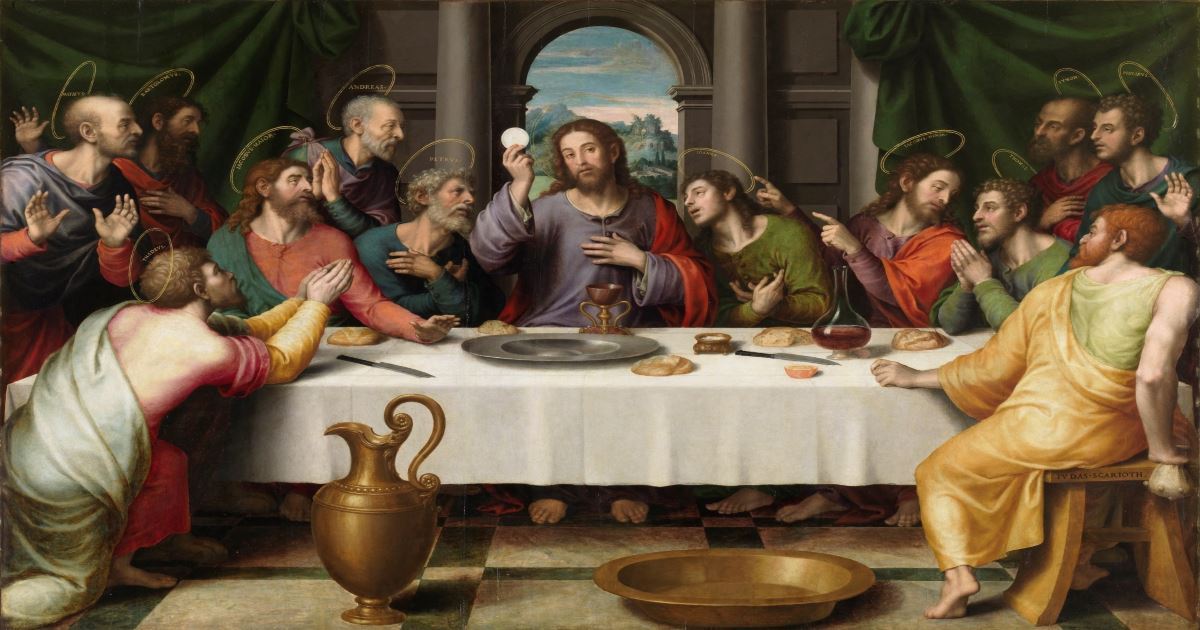
Holy Thursday begins the sacred Triduum with the Mass of the Lord’s Supper. We remember the institution of the Eucharist—Christ’s body and blood given for us—and his command to love through humble service, symbolized in the washing of feet.
This is love made visible: self-giving, sacrificial, and deeply personal.
Good Friday: The Mystery of the Cross
On Good Friday, we stand at the foot of the cross. It is a day of silence, fasting, and profound gratitude.
What appears to be defeat becomes victory. What looks like tragedy becomes redemption.
In Christ’s suffering, we discover that no pain is meaningless when united to him. The cross reveals both the seriousness of sin and the even greater power of divine mercy.
Holy Saturday: Waiting in Hope
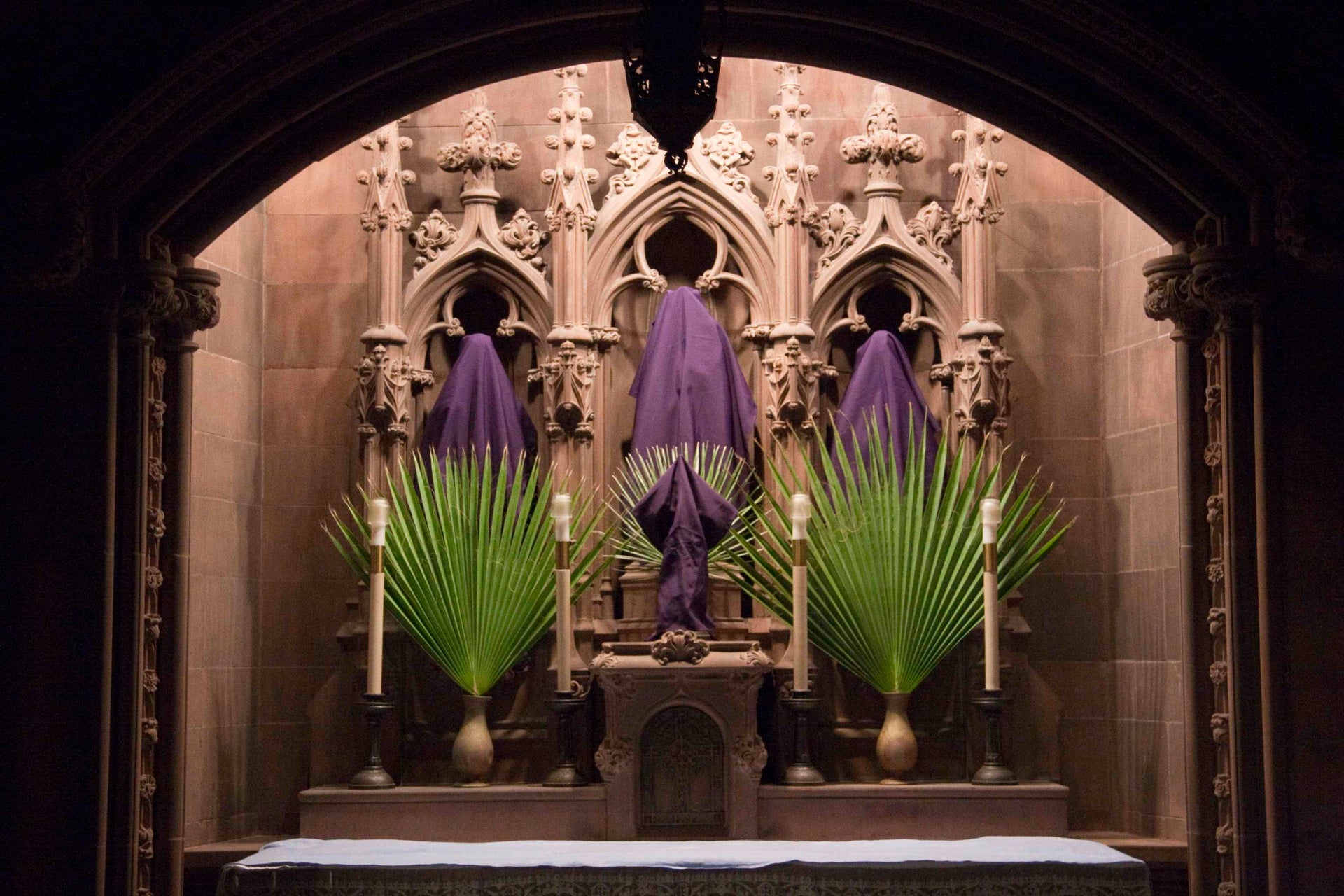
Holy Saturday is a day of stillness and waiting. Christ lies in the tomb; the Church keeps vigil.
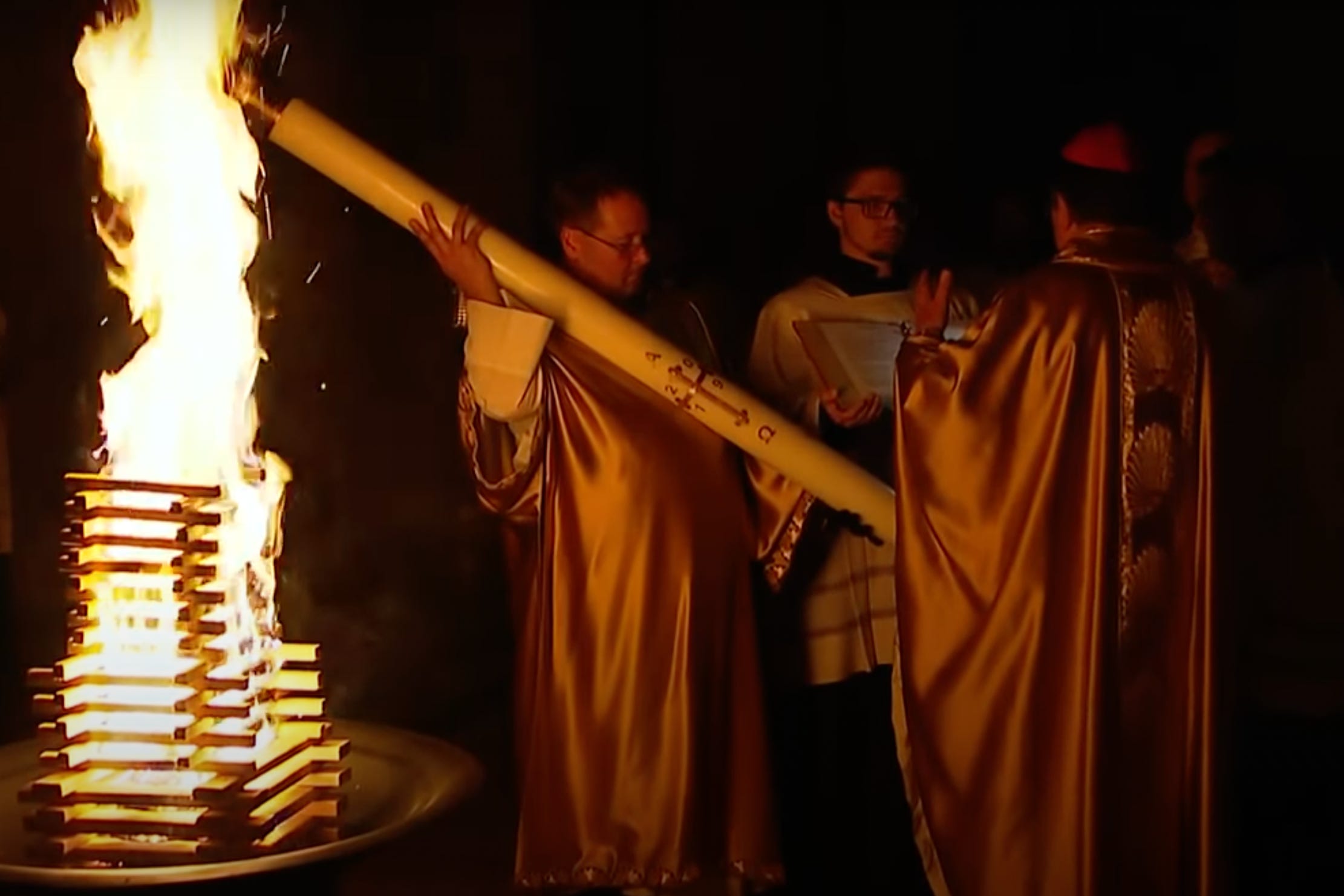
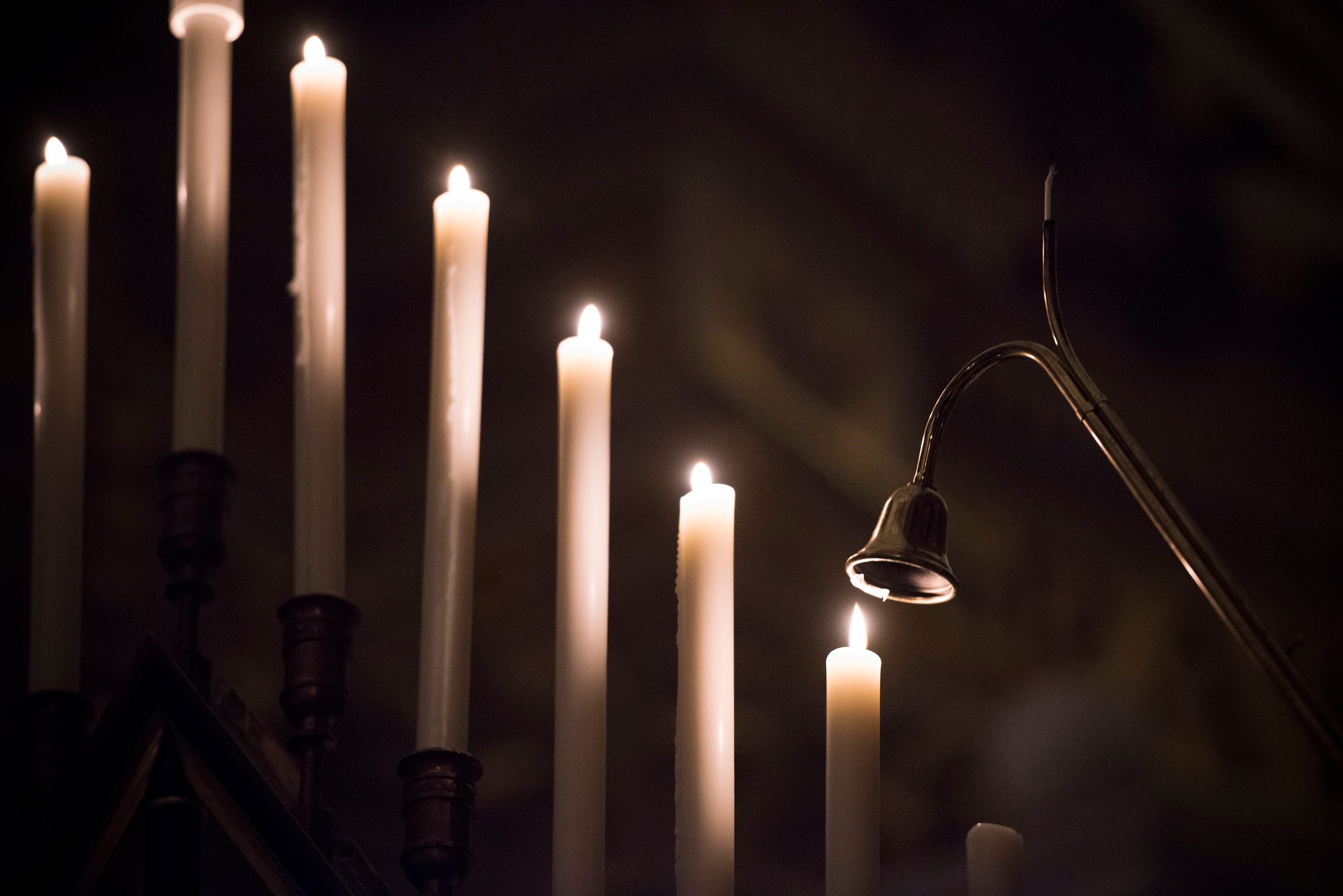
Then, in the darkness of the Easter Vigil, a single flame pierces the night.
The resurrection changes everything.
Death is defeated. Hope is restored. The stone is rolled away—not only from Christ’s tomb, but from our hearts.
Easter Joy
As we prepare to celebrate Easter Sunday, we pray that the joy of the resurrection fills your home and renews your faith.
Thank you for walking with us this Lent with us at Team Hope Ministries.
A Final Blessing
May you and your loved ones have a blessed and joyful Easter.
The Second Sorrowful Mystery of the Rosary, The Scourging at the Pillar, invites us into one of the most painful moments of Christ’s Passion. After being unjustly condemned, Jesus is bound to a pillar and brutally whipped. This mystery is not only a historical event but a profound spiritual reflection on suffering, humility, and love.
The Biblical Scene
Following His trial, Jesus is handed over to Roman soldiers. According to the Gospels, He is scourged—a punishment intended to weaken and humiliate before crucifixion. The soldiers strike Him repeatedly, tearing His flesh, while He endures the agony in silence.
This moment reveals the stark contrast between human cruelty and divine mercy. Though innocent, Christ accepts the punishment without resistance, fulfilling His mission of redemption.
The Spiritual Meaning
The Scourging at the Pillar calls us to meditate on several key spiritual truths:
Purification from Sin The lashes Christ endured symbolize the consequences of sin. In accepting this suffering, He takes upon Himself the burden of humanity’s wrongdoing.
Humility and Obedience Jesus submits fully to the Father’s will. Despite having the power to stop His suffering, He chooses obedience out of love.
The Value of Redemptive Suffering This mystery teaches that suffering, when united with Christ, can have deep spiritual meaning and transformative power.
A Reflection for Today
In a world often marked by injustice, pain, and suffering, the Scourging at the Pillar remains deeply relevant. It reminds us:
To endure hardships with faith and patience
To resist inflicting harm on others through words or actions
To recognize Christ in those who suffer today
Each stripe borne by Christ becomes a call to compassion. When we encounter suffering—our own or others’—we are invited to respond with love rather than despair.
Prayer Meditation
As we contemplate this mystery, we may pray:
Lord Jesus, You endured unimaginable suffering for my sake. Help me to accept my trials with courage, to turn away from sin, and to grow in love and humility. Amen.
Conclusion
The Scourging at the Pillar is a powerful reminder of Christ’s boundless love. Though marked by brutality, it reveals a deeper truth: that love is stronger than suffering. By meditating on this mystery, we draw closer to the heart of Christ and learn to carry our own crosses with grace.
Palm Sunday, formally known as Palm Sunday of the Lord’s Passion, marks the beginning of Holy Week, the most sacred time in the Catholic liturgical year. It is a day filled with both celebration and solemnity—a powerful contrast that captures the heart of the Christian mystery: Christ as both triumphant King and suffering Savior.
This sacred day commemorates Jesus’ entry into Jerusalem, where crowds welcomed Him with palm branches and cries of “Hosanna!” Yet, within the same liturgy, the Church invites us to hear the Passion narrative, where those cries shift dramatically to “Crucify Him!” This tension invites deep reflection on faith, human weakness, and divine love.
🌿 The Symbolism of Palms
Palm branches are central to the celebration of this day. In ancient times, palms symbolized victory and triumph, and in the Church, they represent Christ’s victory over sin and death.
During Mass, palms are blessed and distributed to the faithful, who often take them home as sacramentals—visible reminders of spiritual realities. Many Catholics place them in their homes, behind crucifixes, or in prayer spaces as a sign of protection and devotion.
In a beautiful liturgical cycle, these same palms are later burned to create ashes for the following year’s Ash Wednesday, linking Christ’s triumph with our call to repentance.
✝️ The Liturgy: Joy and Sorrow Together
Palm Sunday Mass is unique because it contains two distinct and contrasting moments:
1. The Procession of Palms
The celebration often begins outside the church with a procession, recalling Jesus’ entry into Jerusalem. The faithful carry palm branches, singing hymns of praise just as the crowds did centuries ago.
2. The Proclamation of the Passion
Later in the Mass, the tone shifts dramatically as the Passion narrative is read—often with multiple voices representing different characters. This reading recounts the suffering and death of Christ.
The priest wears red vestments, symbolizing the blood of Christ’s sacrifice. The liturgy intentionally holds both joy and sorrow together, reminding us that glory and suffering are inseparably linked in the Christian life.
📖 A Story That Defines All Stories
Palm Sunday is not just a historical remembrance—it is an invitation.
The Church presents this day as a “defined story”—one that shapes how believers understand love, sacrifice, betrayal, and redemption. As we hear the Passion, we are not passive listeners; we are participants, called to reflect:
Where do we stand in the crowd?
Are we praising Christ one moment and turning away the next?
How do we respond to suffering, both our own and others’?
This day challenges us to confront the reality of sin while embracing the hope of salvation.
🕊️ Humility and Kingship
One of the most striking elements of Palm Sunday is how Jesus enters Jerusalem—not on a war horse, but on a donkey.
This detail is deeply symbolic:
A war horse represents power, conquest, and earthly authority.
A donkey represents humility, peace, and service.
Christ reveals a different kind of kingship—one rooted not in domination, but in self-giving love. He is both King and Suffering Servant, a paradox that lies at the core of Christian belief.
🌿 Entering Holy Week
Palm Sunday opens the door to Holy Week, leading toward the profound events of:
Holy Thursday – The Last Supper
Good Friday – The Passion and Crucifixion
Holy Saturday & Easter Vigil – The Resurrection
It is a day that asks us not just to remember, but to walk with Christ—through praise, through suffering, and ultimately, toward new life.
✨ Final Reflection
Palm Sunday is a mirror of the human heart and a revelation of divine love. It reminds us that faith is not just about moments of joy, but also about fidelity in times of trial.
As we hold our palm branches, we are invited to follow Christ—not only in celebration, but all the way to the Cross… and beyond it, to the hope of Resurrection.
“Hosanna in the highest!” — and may those words echo in our lives, not just today, but every day.
If you liked this article, pleAse share your feedback, share with others and come back for more stories.
You are signing up for Daily Email Reflections. The Holy Week Retreat will start on Palm Sunday.
A Bold New Experience
You have a place in the greatest love story of all time. Are you ready to discover it?
Do you want to have the kind of Holy Week that changes your entire life?
Starting on Palm Sunday, join Fr. Jonathan Meyer (and Catholics across America!) on an epic journey through the Stations of the Eucharist.
This incredible retreat will guide you through fourteen stations from Genesis to Revelation that will reshape the way you see the rest of your life. Get ready to break open the Scriptures, immerse yourself in the story of salvation history, and consider the sacrifice of Jesus Christ like never before.
Inspired by the timeless practice of Stations of the Cross, this revolutionary new devotion will open your eyes to amazing spiritual insights. And it will invite you to encounter the God who has been patiently and passionately revealing His heart to humanity—and to you. It really is the Ultimate Holy Week Retreat.
10 Things This Retreat Will Teach You
Learn how to…
Recognize the Eucharist as God’s plan from the very beginning of salvation history
See the Mass as the most powerful and transformative moment on earth
Uncover the Eucharist hidden throughout the Old Testament
Pray with Scripture in a new and eye-opening way
Understand the inseparable connection between the Cross and the Eucharist
Satisfy the deepest hunger of your heart through communion with God
Allow the Mass to transform the way you live, love, and forgive each day
Defend Catholic teaching about the Eucharist with courage
Rediscover awe, reverence, and intimacy with Jesus in the Blessed Sacrament
Find your place in the greatest love story of all time
…and much more.

A Transformative Holy Week Retreat Experience
✨ A Bold New Experience
You have a place in the greatest love story of all time. The question is: are you ready to discover it?
This Holy Week, you’re invited into something deeper—something that goes beyond routine, beyond tradition, and into a life-changing encounter with Christ.
Starting on Palm Sunday, join Fr. Jonathan Meyer and Catholics across the country on a powerful spiritual journey through the Stations of the Eucharist—a retreat designed to renew your heart, strengthen your faith, and awaken your understanding of God’s love.
🙏 What Are the Stations of the Eucharist?
Inspired by the timeless devotion of the Stations of the Cross, this retreat introduces a revolutionary way to walk through salvation history—from Genesis to Revelation—through the lens of the Eucharist.
Across fourteen powerful stations, you’ll:
Break open Sacred Scripture
Discover the hidden presence of the Eucharist throughout the Bible
Encounter Christ in His sacrifice and in His gift of Himself
This is not just a reflection. It’s an invitation to step into the story—your story within God’s story.
🔥 Why This Holy Week Can Change Your Life
4
Do you want a Holy Week that truly transforms you?
This retreat is designed to help you:
Move from routine to real encounter
Rediscover the power of the Mass
Experience a deeper intimacy with Jesus Christ
You’ll begin to see that the Eucharist is not just a ritual—it is the most powerful and transformative reality on earth.
📖 10 Life-Changing Lessons You’ll Learn
By the end of this journey, you will learn how to:
Recognize the Eucharist as God’s plan from the very beginning
See the Mass as the most powerful moment on earth
Uncover the Eucharist hidden throughout the Old Testament
Pray with Scripture in a fresh, eye-opening way
Understand the deep connection between the Cross and the Eucharist
Satisfy the deepest hunger of your heart through communion with God
Let the Mass transform how you live, love, and forgive
Defend Catholic teaching about the Eucharist with confidence
Rediscover awe, reverence, and intimacy with Jesus
Find your place in the greatest love story ever told
…and so much more.
💌 Join the Daily Email Reflections
Sign up to receive daily reflections throughout Holy Week, guiding you step-by-step through this unforgettable retreat experience.
📅 Begins: Palm Sunday
📬 Delivered straight to your inbox
🙏 Designed for prayer, reflection, and transformation
Email Address: ___________________________
🌿 Your Invitation
This Holy Week is not just another date on the calendar.
It’s an opportunity. A turning point. A moment of grace waiting to be received.
Step into the mystery. Encounter the Eucharist. Discover the love that changes everything.
Patrick was not a green-clad, Irish, Roman Catholic saint. He was a missionary, one willing to lay down his life for the gospel.
Celtic Culture and Legends
There is, perhaps, more lore surrounding Patrick, the missionary who brought the good news of Christ to Ireland, than any other missionary in Christian history. In order to understand the real Patrick, we must first understand a little about pre-Patrick Ireland.
Ireland was a nation shaped by the polytheistic religion of the druids. They worshiped multiple gods and goddesses associated with natural elements. Sun, water, earth, etc. all had deities connected to them. They were also a hierarchical society, structured around priests, novices, bards, and seers. Each was deeply involved in pagan practice.
It’s worth debunking some legends and assumptions about Patrick too, like, for example, that he was Irish. Patrick came to Ireland as a missionary, but he was not, in fact, Irish. The real Patrick was abducted by the Irish and enslaved, escaped, and then later returned as a missionary.
Other legends include stories that Patrick used the shamrock to teach the Trinity, that he drove the snakes from Ireland, or that he jabbed his staff into the ground and it blossomed into a tree, converting many to Christianity. Although there may be profound truths or metaphors at the roots of these legends, not one is based in fact. Furthermore, the famous “Patrick’s Breastplate” slogan – “Christ be with me, Christ within me, Christ behind me, Christ before me, Christ to me, Christ beneath me, Christ above me” – cannot be attributed to Patrick with any measure of confidence. Finally, despite common usage, “Saint Patrick” was never canonized as a saint in the Roman Catholic Church.
The Real Patrick
So, if “Saint Patrick” wasn’t a saint, wasn’t Irish, and didn’t do the things he’s most well known for, who was he? From his few surviving letters and his Confessio, it seems that Patrick was more like the missionaries we recognize today than the legends would have it. He was a preacher. He used words, not miracles and signs and wonders.
Patrick was born around 385, and he died sometime between 461 and 464. We know that his family was well to do, but unlike many of his class in those times is that he doesn’t have the same level of education. He was raised in a Christian home. His father, Calpurnius, was a deacon, son of Potitus, a presbyter. We also know that he was from Bannavem Taburniae. Tradition has it that Bannavem Taburniae is in Scotland, Wales, England, or even France, but the exact location has never been found.
When he was around 16 years old Patrick was enslaved. We’re told that he herded goats, sheep, or swine (possibly added because of the parable of the prodigal son). Of this time, Patrick wrote that,
“the Lord opened to me the sense of my unbelief that I might at last remember my sins and be converted with all my heart to the Lord my God, who had regard for my lowest state and pitied my ignorance and youth.”
Eventually the newly converted Patrick was able to escape and return to his home by stowing away on a ship. But, perhaps surprisingly, in the time he was away from the Irish people, his heart for the Irish grew. One night he had a vision of man who delivered a letter, “The Voice of the Irish,” which begged him to return to Ireland.
Patrick resolved to return to Ireland, but he took time to pursue ministerial preparation and theological training. He spent 12 years studying the scriptures in a French monastery called the monastery of St. Germain. As he prepared to go, he said, “I am ready to be killed, betrayed into slavery or whatever may come my way for the sake of your name.”
Return to Ireland
Patrick returned to Ireland not knowing whether he would have success. He didn’t have modern demographic research, and very little knowledge of the Irish appetite for the gospel, but the Lord blessed his work:
“For I am greatly God’s debtor, who has granted me such grace that many people through me were reborn to God and afterward confirmed, and that clergy were ordained everywhere for them, for a people newly come to belief, whom the Lord took from the ends of the earth, as he once promised through the prophets… So that even before my death I should see a multitude of peoples born again in God.”
Despite lacking a corpus of the sermons of Patrick, we know he had success in his ministry as a pastor. Some attribute this to the king, because under Patrick’s ministry the magistrate put to death 800 druid priests who were unwilling to be converted. However, the growth of Celtic Christianity in the years following would suggest something more than political expedience.
Patrick is buried in Downpatrick in Northern Ireland. A cathedral was built on the site, said to be Patrick’s stone under which he’s buried.
Celtic Christianity
The Ireland of Patrick’s day had never been part of the Roman Empire, though its harbors were known to the Romans through trade. It was probably merchants who first brought Christianity to Ireland in the fourth century. In 431, Pope Celestine sent a man named Palladius from Gaul to the Christians in Ireland. Almost nothing is known about Palladius’s role in the spread of Christianity in Ireland. But it’s likely that some Irish already knew something of Christianity even before Patrick arrived.
After Patrick’s death, Celtic Christianity continued to flourish for well over 200 years without any involvement from Rome. It was a church in which Scripture was the primary source of authority, guiding the community’s faith and practice. Monasteries, pastors, and elders within the church were connected and there was discussion among them as to what should be going on within the church. They weren’t just developing different thoughts and ideas on their own. There was also an emphasis on personal religion, and there was a missionary zeal, a fervor to spread Christianity. This was a focus on what some would call “all of life Christianity,” their faith affecting their homes, their private lives, their communities, and the state. But this didn’t last forever.
There was, eventually, a romanizing of Celtic Christianity, at the Synod of Whitby in 664, born from a desire to align with Rome in order to strengthen ties to a broader Christianity. The shift would essentially destroy Celtic Christianity, replacing it with what was in Rome.
Patrick’s Legacy
The next time St. Patrick’s Day comes around, remember that Patrick was not a green-clad, Irish, Roman Catholic saint. He was a missionary, one willing to lay down his life for the gospel. One fully committed to the advancement of the gospel through the growth of the church – seeking worship from the voice of the gospel. Patrick was a man of grace.
As Patrick said so long ago, “I am greatly a debtor to God who has granted me such great grace that many people through me should be reborn to God.”
“I am ready to be killed, betrayed into slavery or whatever may come my way for the sake of your name.”
Additional Resources
Read an article debunking myths and telling of Patrick’s life.