The Price Paid for our Redemption

Introduction
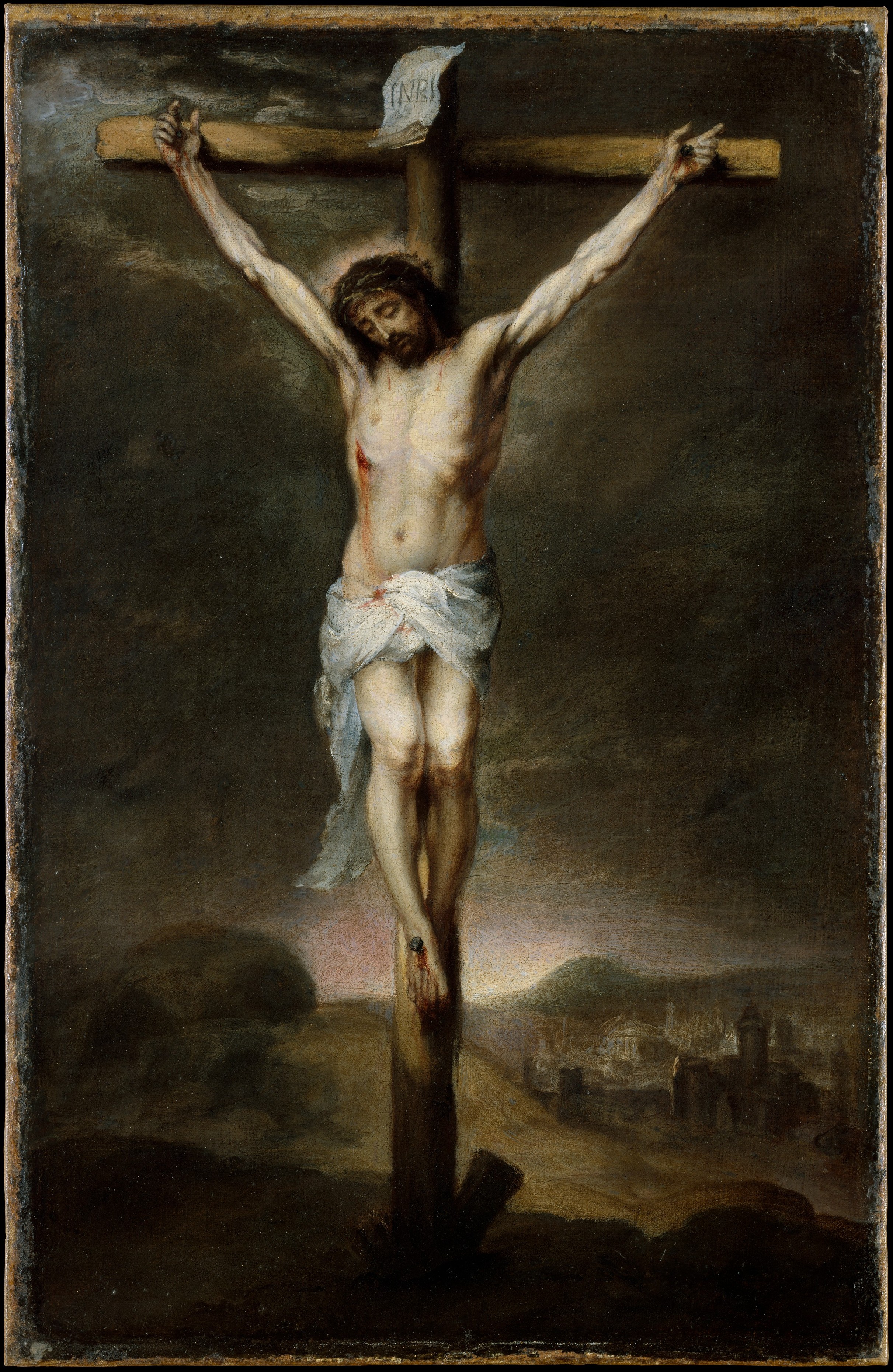
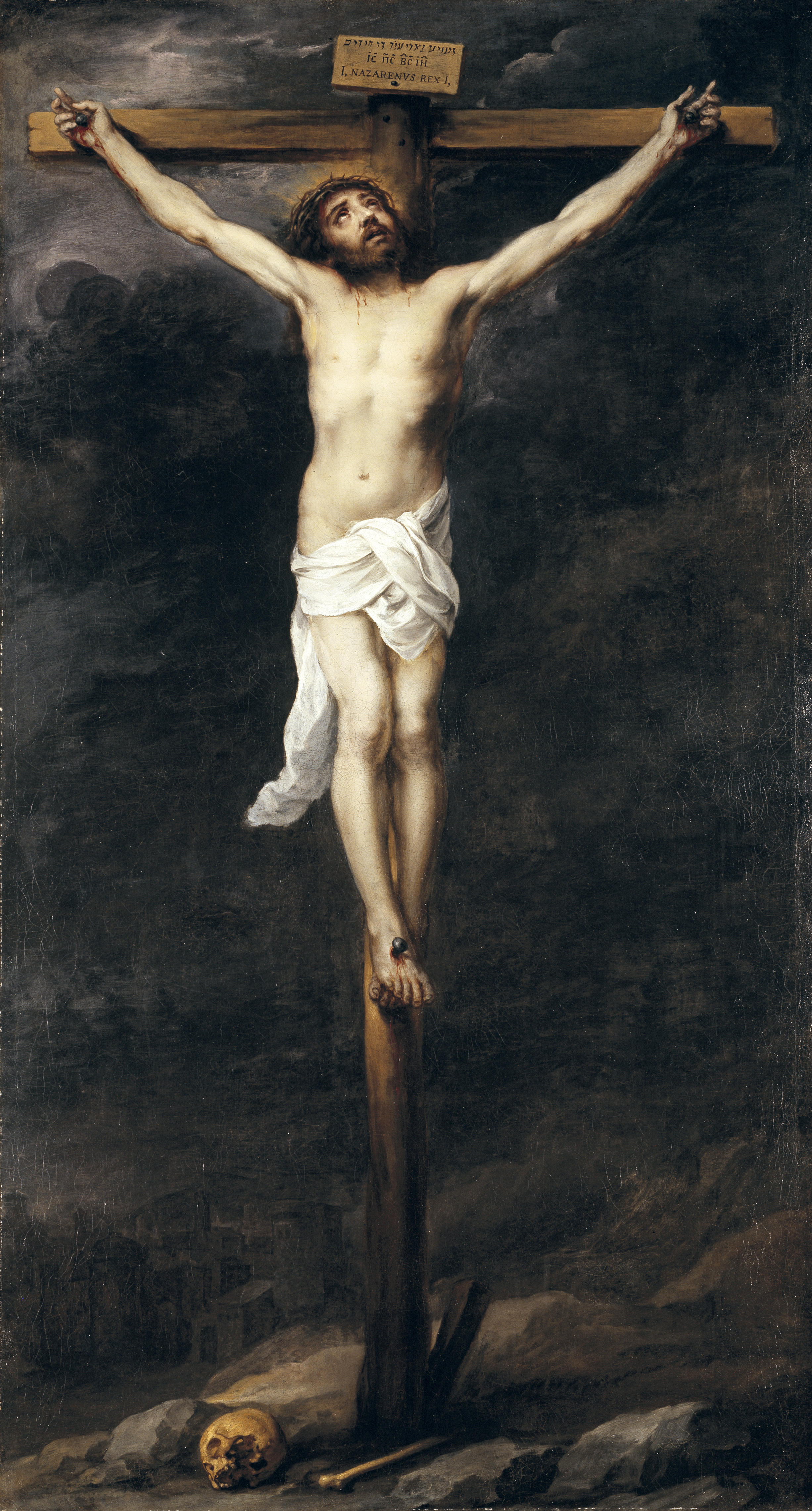
The Fifth Sorrowful Mystery of the Rosary—the Crucifixion—stands at the heart of Christian faith. It is the moment where suffering, sacrifice, love, and redemption converge. Meditating on this mystery invites us not only to remember Christ’s death, but to understand its profound meaning for humanity.
The Journey to Calvary
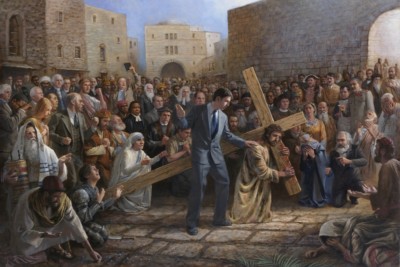
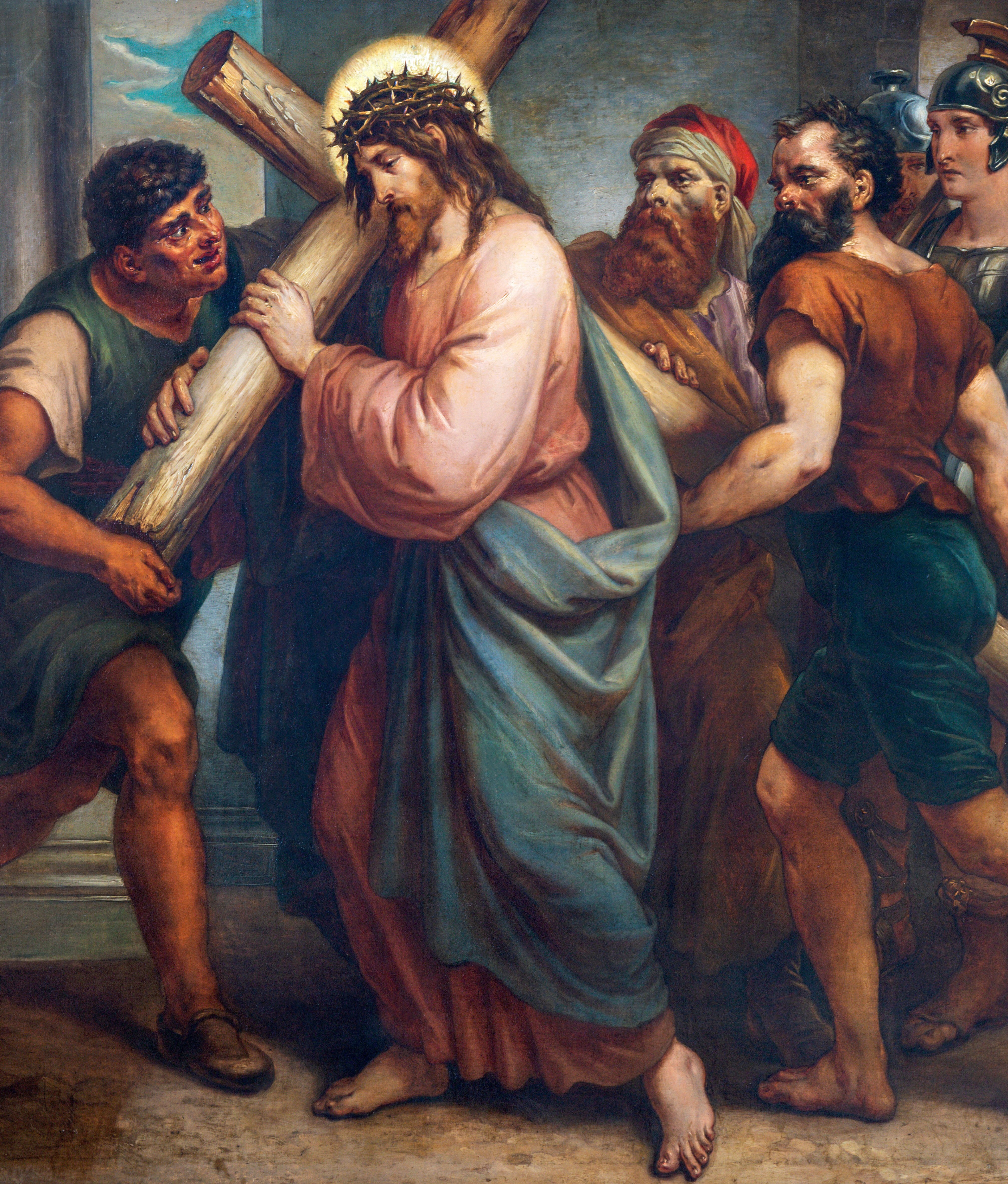
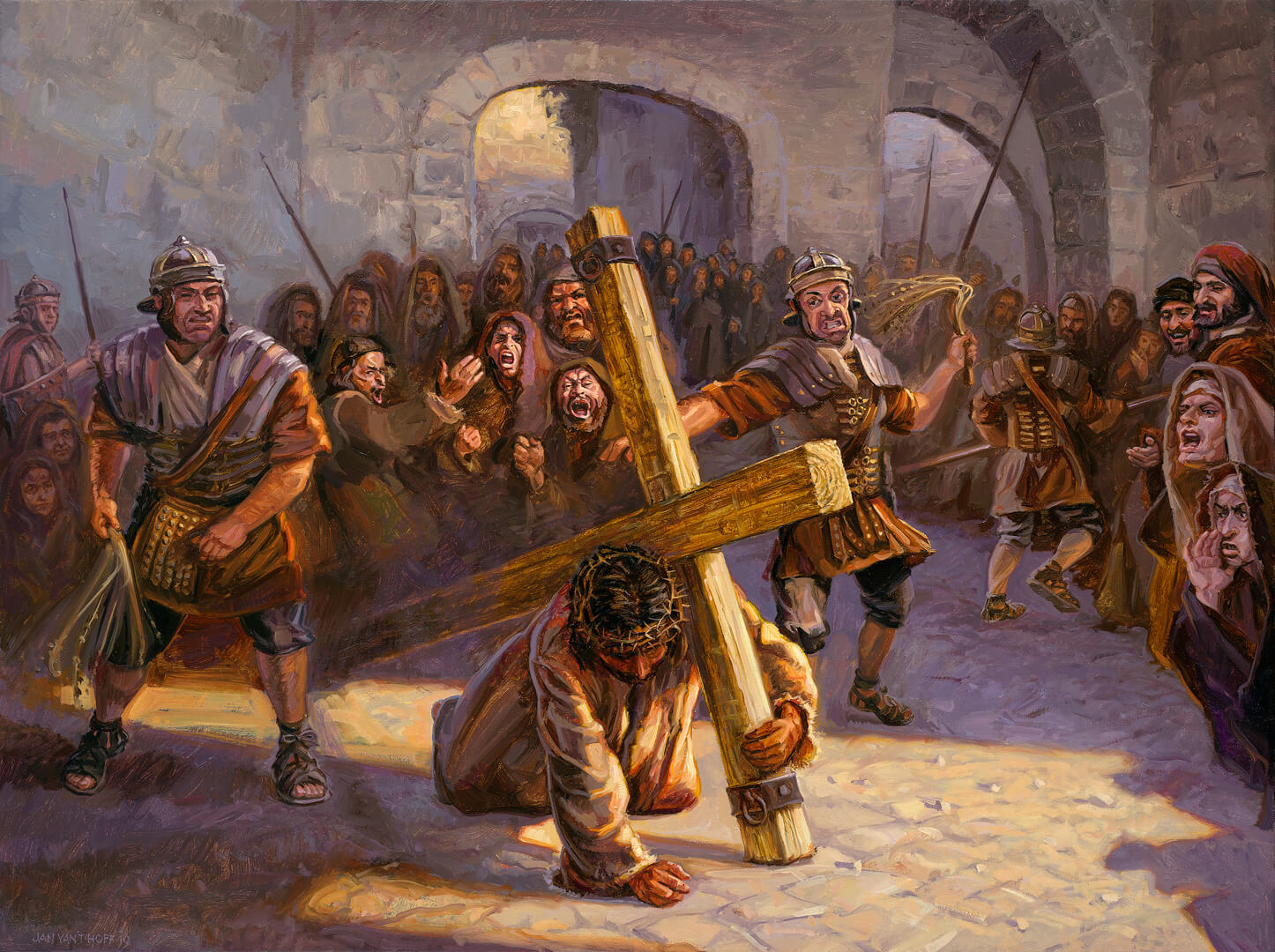
After enduring scourging and mockery, Jesus carried His cross to Golgotha—the “Place of the Skull.” Weak from suffering, He stumbled along the way, yet continued forward in obedience to the Father’s will.
This journey reminds us that suffering is often part of life’s path. Yet, like Christ, we are called to persevere with faith, trusting that even pain can have purpose.
The Crucifixion


At Golgotha, Jesus was nailed to the cross—hands and feet pierced, body lifted between heaven and earth. Above Him was placed the inscription: “Jesus of Nazareth, King of the Jews.”
Despite unimaginable agony, His words from the cross reveal divine mercy:
- “Father, forgive them, for they know not what they do.”
- “Today you will be with me in paradise.”
- “It is finished.”
These words echo through history, offering forgiveness, hope, and fulfillment.
The Meaning of the Cross


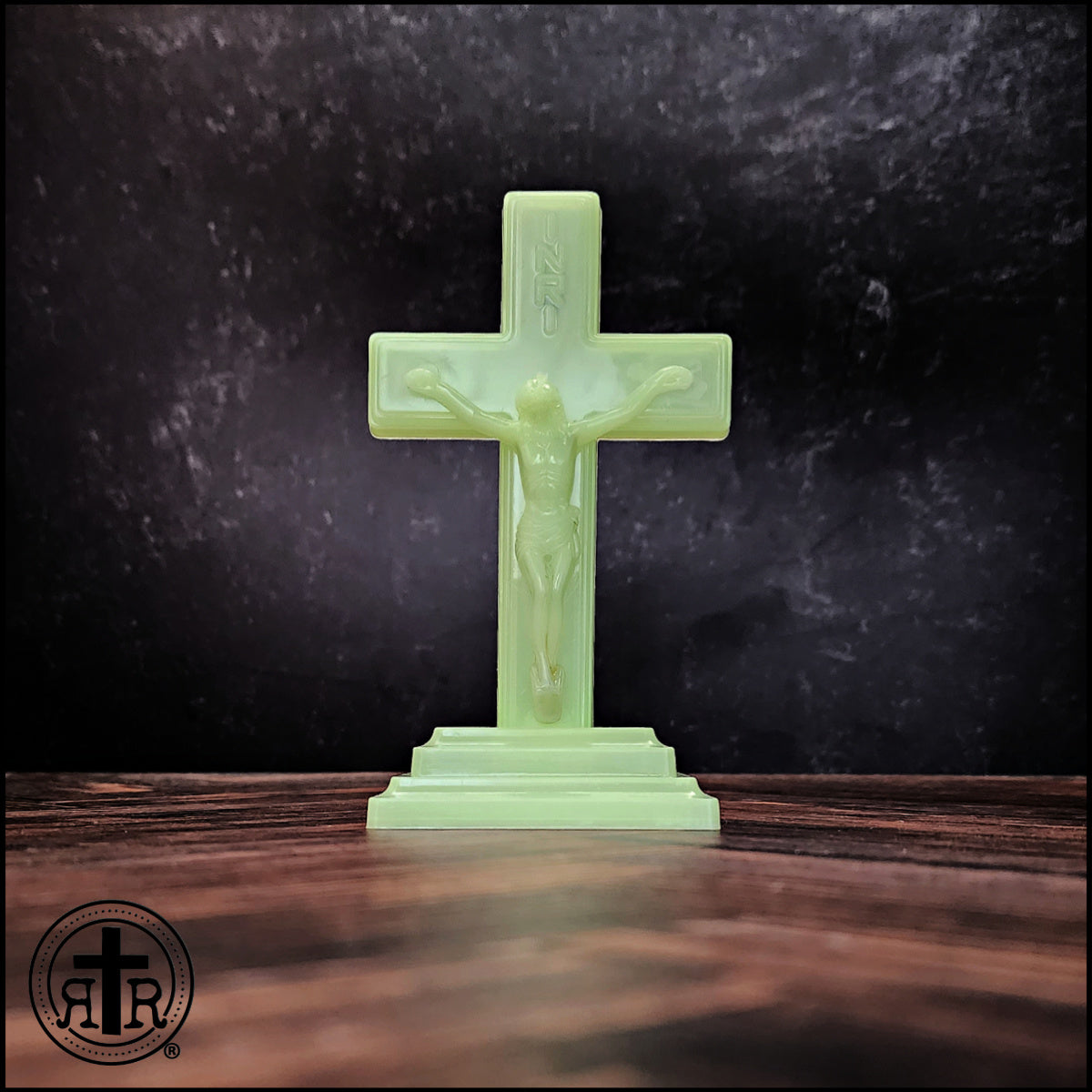
The Crucifixion is not merely a moment of death—it is the ultimate act of love. Christians believe that through His sacrifice, Jesus took upon Himself the sins of the world, opening the path to salvation.
The cross, once a symbol of shame, becomes a sign of victory:
- Victory over sin
- Victory over death
- Victory through love
A Call to Reflection
Meditating on the Fifth Sorrowful Mystery invites us to reflect on our own lives:
- How do we respond to suffering?
- Can we forgive as Christ forgave?
- Are we willing to carry our crosses with faith?
The Crucifixion teaches that love often requires sacrifice, and that even in darkness, there is hope.
Conclusion
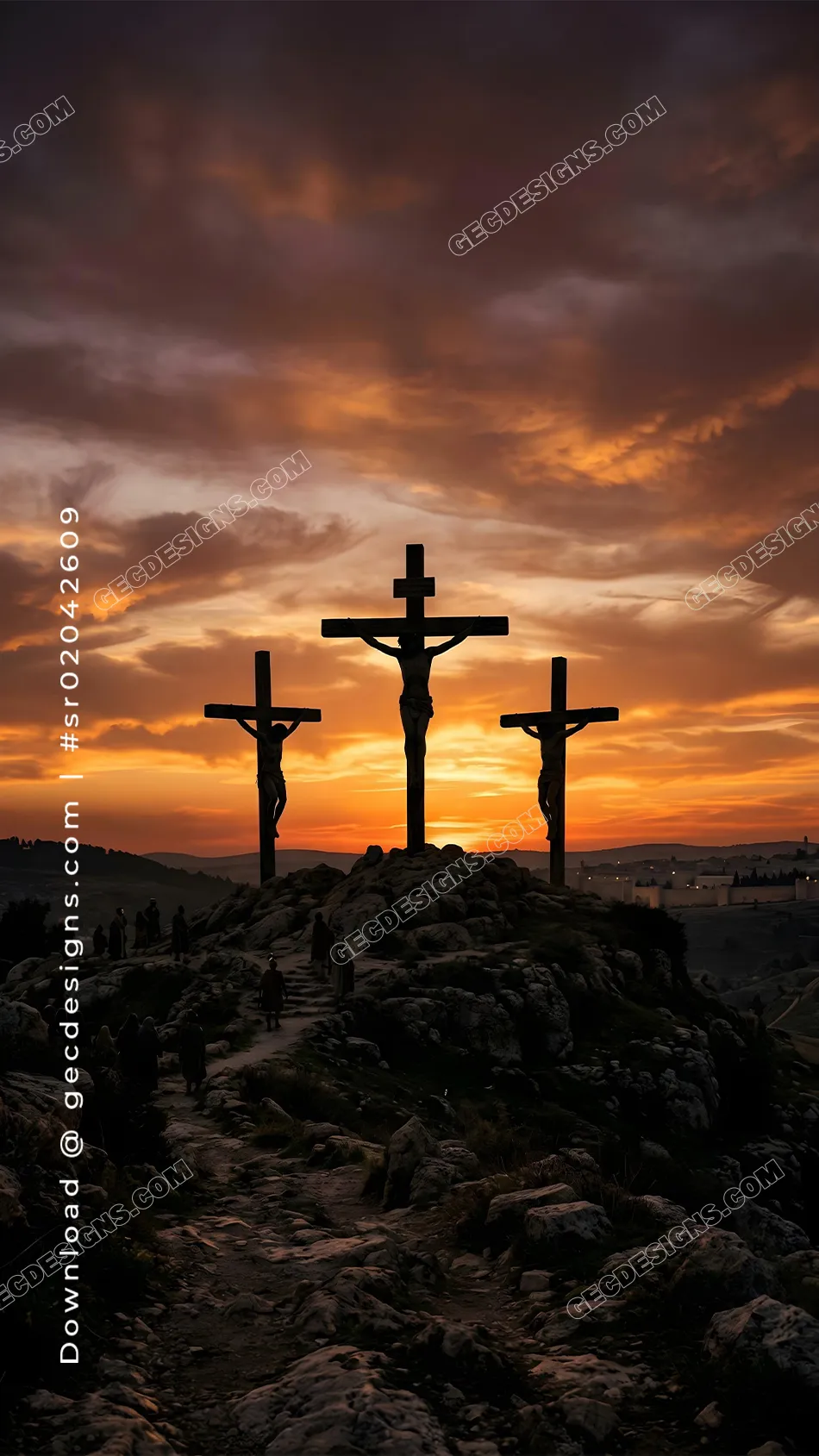


The Fifth Sorrowful Mystery is both solemn and transformative. It reminds us that through Christ’s suffering came redemption, and through His death came the promise of new life.
In contemplating the Crucifixion, we are invited not only to remember—but to be changed.
Rick Herring
thmjmj@gmailo.com