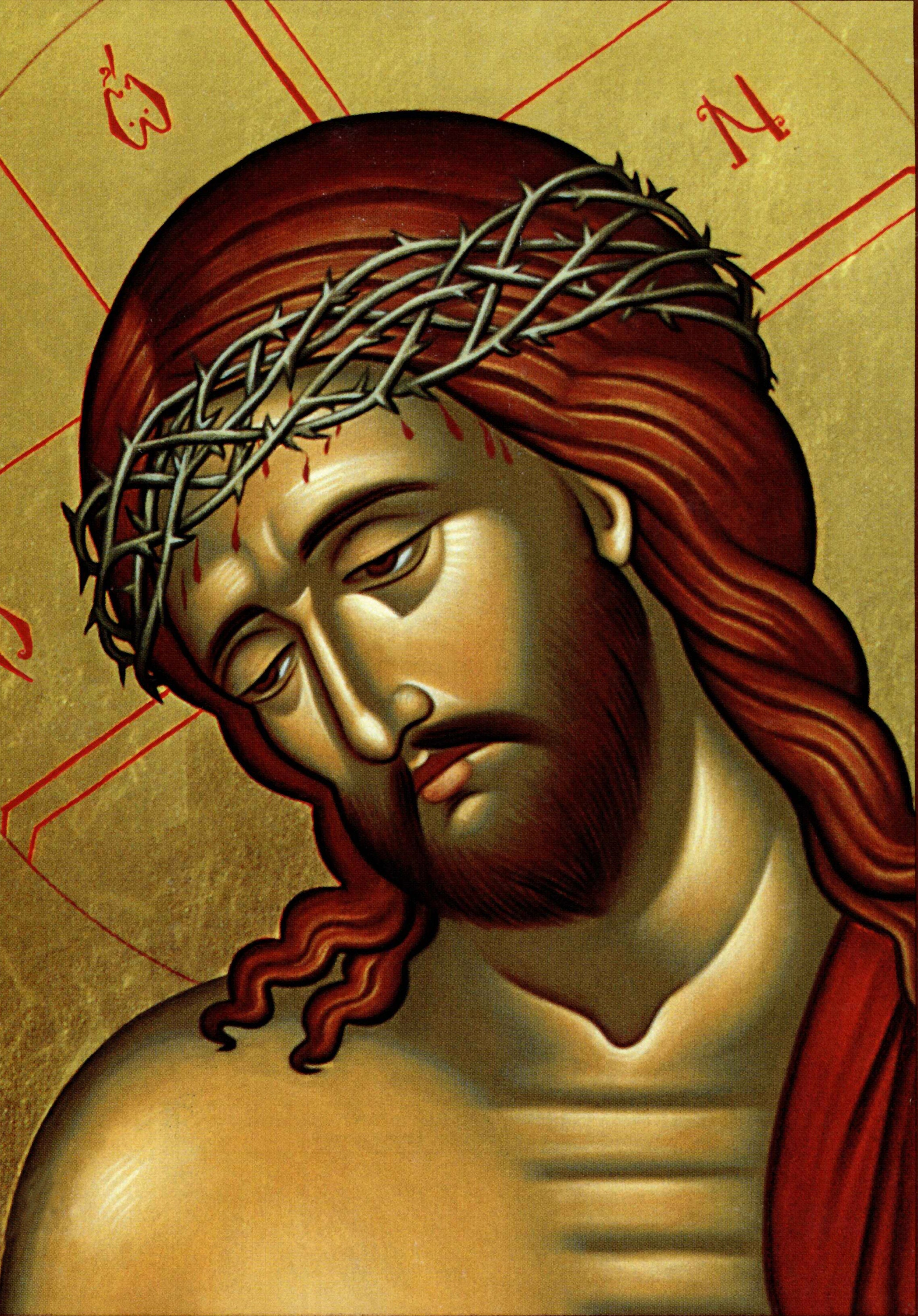
Tag: ego

  • The Two Commandments That Change Everything

    Learning to Love God, Your Neighbor, and Yourself

    https://images.openai.com/static-rsc-4/Ekf6DmRQjQEqPB-7TPFBdG2Kbzrz0O065jNQ8xPaoo_494B3AOzJ-7V7J5vIHkOhzjRFgW4qar-Yyll_y5RxHa4bx2tSm-eecGurma52DuhGSDDhN1ygy1mi9n2HgwNq3nMCBcm9tvHRpmcJCkSy5v-I1OMvNZUlsY68wiNX3YsWhiyV1SGQlo7LMj2cux2G?purpose=fullsize
    https://images.openai.com/static-rsc-4/UDQLcvgC--8wg_kUaGK3Y4O_XzYOsRIcPTS2VqHxhBuLMZhGJUxTY_sQSXkwgrCd8200cZ2Noqu_TRBD6JbunUuso5jq2Hntg0t4qUzdXYkuzl4UBZfuyFpJAZsnQFb8Qus5_lNKVMqN2P1NmDRNfC4zghLAGSBdSQjkq2IRWFwSp7xIxPAqAMTuW6yYpOog?purpose=fullsize
    https://images.openai.com/static-rsc-4/Wi7utIoyOPjSLaWNdpe-GYxTLkJpeZxwnU0fBGW5T4EpF2uJtrIA_Y-ONQjO940HPKWJdIVN_7nji6o2taM0BrsO1-LhKtDmDZNGD9wVEmVoyyl9qYBsdfzPVWeQTSUec7IjDGAoygzMBWXcmMIvspGCuH9q8HC4Mayf5FPV4a9HOaTvf_x8K9Ma1G3XPcM7?purpose=fullsize

    In the time of Jesus, religious life for the Jewish people was shaped not only by the Ten Commandments but by 613 laws—guidelines meant to help people avoid breaking God’s covenant. These laws were intended as protection, a hedge around holiness.

    But over time, many became so focused on the rules that they lost sight of the deeper purpose behind them—the heart of the Torah, the spirit of mercy, and the living message of God.

    Then came Jesus, with the genius of divine simplicity.

    When asked which commandment was greatest, Jesus distilled all the law and the prophets into two breathtaking truths:

    “You shall love the Lord your God with all your heart, and with all your soul, and with all your mind.”
    This is the greatest and first commandment.
    And a second is like it:
    “You shall love your neighbor as yourself.”
    — Gospel of Matthew

    With these words, Jesus did not abolish the law—He fulfilled it.

    Everything hangs on love.

    The Forgotten Part of the Commandment

    Many Christians emphasize loving God.

    Many strive to love neighbor.

    But too often we neglect the third element hidden in plain sight:

    Love your neighbor as yourself.

    What if one of the deepest crises in the Church today is not simply a failure to love others—but a failure to receive and live from God’s love for ourselves?

    For until we learn to love ourselves as God desires, our love for others can become distorted.

    It can become anxious instead of peaceful.

    Performative instead of genuine.

    Driven by approval instead of grace.

    Holy Self-Love Is Not Selfishness

    There is a difference between pride and holy self-love.

    Pride says, I am the center.

    Holy self-love says, I am beloved.

    Pride inflates the ego.

    Holy self-love receives identity from God.

    To love ourselves rightly is not vanity. It is humility—the humility to agree with God about our worth.

    We are created in the image of God.

    Redeemed in Christ.

    Indwelt by the Holy Spirit.

    How can we despise what God treasures?

    https://images.openai.com/static-rsc-4/NMZe8tmkTmnf19SuR2uQOqxOgSGdndkdwiCu2MX68PfwMqsI3p-faUX2Z2ZC4fzpzQcF4a8ROTD32Gh9sMwL5oH66Gj4Y2IdselCvHBjfcjYHSFJWaqRwxF_9PBkTqz0ppcmWdUncgdVHFiuMvyPUjbQxA2nMPgFjN55OVoDsn92AvUsy12tGCvnsE0dpur1?purpose=fullsize
    https://images.openai.com/static-rsc-4/cNRU8yKFm5w8GDMTT6_X_hqZFyM09YBendkFGAKSi6TAI_hPCCud7XkK7br0NAcGIuQ9hZ8kYxTPwJ1MebULQoaCvRBXVLibM4LEpRgvoB7OmURGwxmDH3xGwIEHJMLP-ZgI7fXRX1TIM3IbIboJQxTlPBZTvqLgRp53jovNfwue_yEBFpYk06wMtpYzUNwy?purpose=fullsize
    https://images.openai.com/static-rsc-4/MWGfJijSv0ijM1T7i4ZlzPBPo9PPoI3CWQcKy-j-wEon4YxvLnYK76mZRP25K7Hneo1dyWntvqhbOaN36Hf_dLbKIFS4s-gIuYtvprRNPr6Eey644HPP7GnlNCTrxb0PQS9q7lVVxNHGelkjCqJ-9LiTUN3xzQeuxGRggc-_C6HNOomrAJnNu-oD__welGM7?purpose=fullsize

    When We Love Ourselves in God

    When we begin to love ourselves as children of God, something changes.

    We become less interested in what others think about us
    and more interested in what God thinks.

    We stop doing good in order to be noticed.

    We stop serving to be praised.

    We stop performing for acceptance.

    Because we know we are already accepted.

    Already loved.

    Already enough in Christ.

    And from that freedom, love flows outward.

    Freely.

    Joyfully.

    Without calculation.

    Without fear.

    Love Changes How We See Others

    When we receive God’s love for ourselves, we begin seeing others differently.

    Not as rivals.

    Not as threats.

    Not as problems to manage.

    But as neighbors to cherish.

    Even enemies to forgive.

    Even strangers to welcome.

    This is the revolution Jesus announced.

    Not a religion of rule-keeping.

    A kingdom of love.

    The kind of love that washes feet.

    Feeds crowds.

    Touches lepers.

    Carries crosses.

    Rises from tombs.

    The Measure of Spiritual Maturity

    Perhaps spiritual maturity is simpler than we imagine.

    It is learning, day by day:

    To love God more completely.

    To love ourselves more truthfully.

    To love others more generously.

    This is the whole Gospel in practice.

    As Saint Augustine famously said:

    “Love, and do what you will.”

    Because where love governs the heart, the law has already been fulfilled.

    A Prayer

    Lord, teach us to love You
    with all our heart, soul, and mind.

    Teach us to receive the love
    You already have for us.

    Heal the places where we reject ourselves.

    Free us from living for human approval.

    And teach us to love our neighbor
    as ourselves—

    with the very love
    with which You love us.

    Amen.


    Final Reflection

    Jesus reduced 613 laws to two commandments.

    Not because holiness became smaller—

    but because love is greater.

    And perhaps the Church today needs to recover this forgotten truth:

    To love your neighbor well,

    you must learn to receive God’s love for yourself.

    And that may be where healing begins.

    Thank you for reading this article. Please share with others,

    Rick Herring
    thmjmj@gmail.com
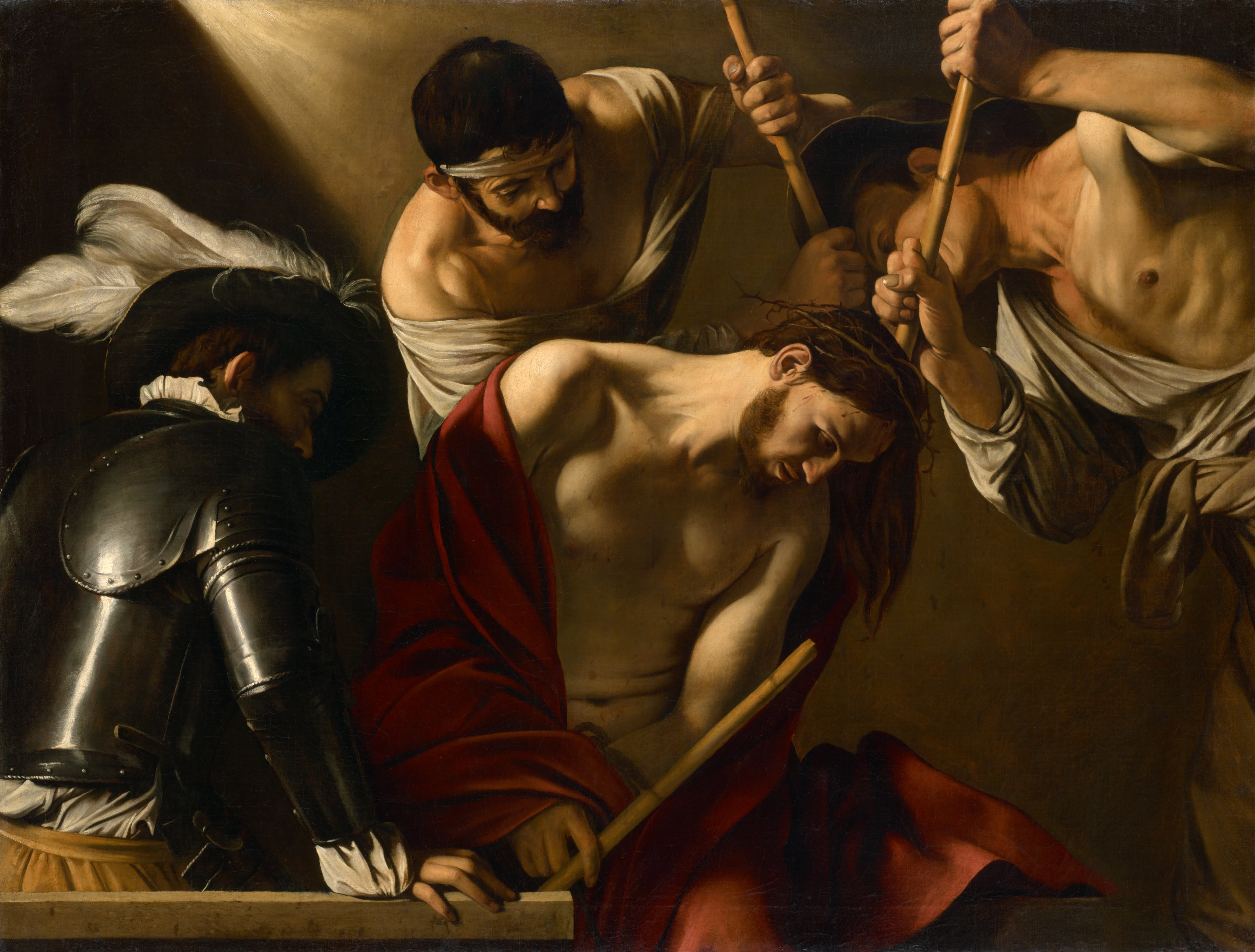
  • The Third Sorrowful Mystery: The Crowning with Thorns

    Humiliation

    https://upload.wikimedia.org/wikipedia/commons/5/52/Michelangelo_Merisi%2C_called_Caravaggio_-_The_Crowning_with_Thorns_-_Google_Art_Project.jpg
    https://www.thehistoryofart.org/caravaggio/Crowning%20with%20Thorns%20Caravaggio.jpg
    https://www.prints-online.com/p/164/crown-thorns-580549.jpg.webp

    A Mystery of Silent Strength

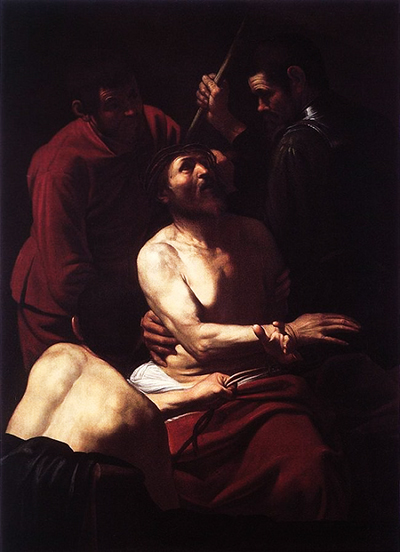
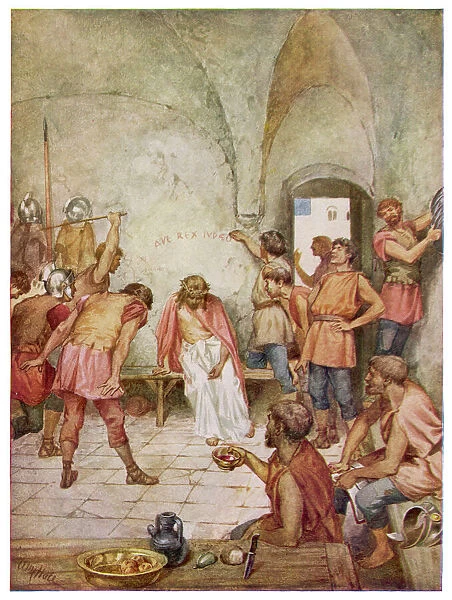
    The Third Sorrowful Mystery of the Rosary invites us into one of the most painful and humiliating moments of Christ’s Passion: the Crowning with Thorns. After being scourged, Jesus is mocked by Roman soldiers who twist together a crown of sharp thorns and press it into His head. They drape Him in a purple cloak, place a reed in His hand, and jeer, “Hail, King of the Jews.”

    This mystery is not only about physical suffering—it reveals the depth of human cruelty and the profound humility of Christ.


    The Scene of Mockery and Pain

    https://www.artic.edu/iiif/2/4d03ba14-a01a-d003-404a-cf3f9fb40ede/full/843%2C/0/default.jpg
    https://i.etsystatic.com/15140769/r/il/e44133/2052147413/il_570xN.2052147413_hoye.jpg
    https://i.etsystatic.com/27259774/r/il/cb95c5/6355224363/il_570xN.6355224363_f7d1.jpg

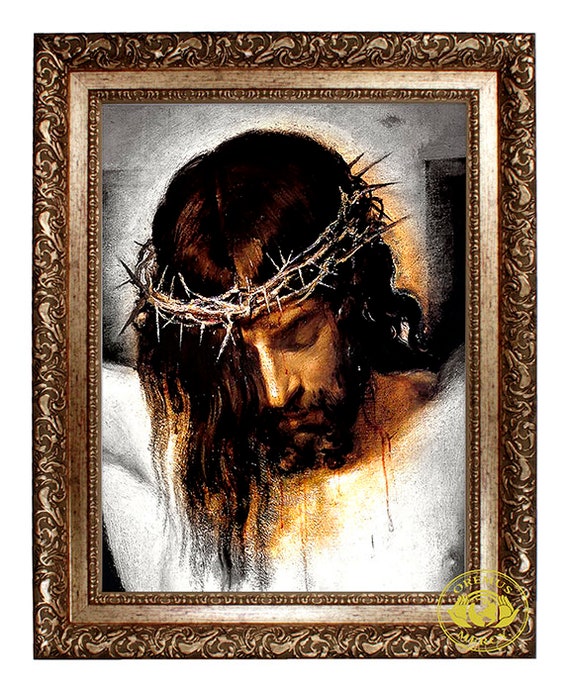
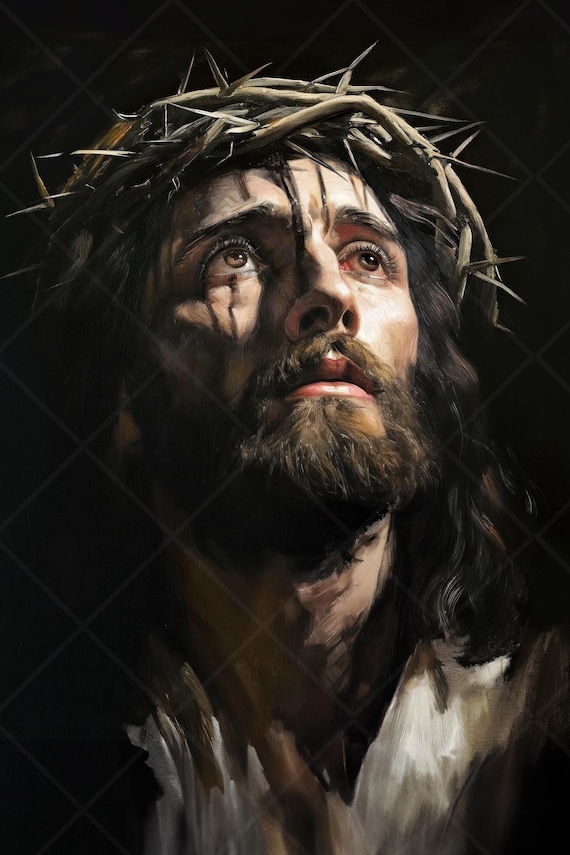
    Imagine the scene: exhausted, wounded, and bleeding, Jesus stands surrounded by soldiers who ridicule Him. The crown, meant as a cruel parody of kingship, digs into His scalp. Each thorn pierces His skin, causing intense pain. Yet He does not resist.

    In this moment, Christ embodies a kingship unlike any other—one not of power, but of sacrificial love.


    A Lesson in Humility

    https://i.etsystatic.com/26956618/r/il/1d094b/5466305709/il_fullxfull.5466305709_2zz8.jpg
    https://cdn.shopify.com/s/files/1/0742/2879/3656/files/TR12833-Christian_Jesus_Crown_of_Thorns_Ring_for_Men_1024x1024.jpg?v=1729134910
    https://i.etsystatic.com/16538212/r/il/ff1ac0/6752638474/il_340x270.6752638474_1ur8.jpg

    The Crowning with Thorns teaches us about humility in the face of humiliation. Jesus, though truly King, accepts mockery without retaliation. He shows us that true greatness is not found in domination or pride, but in love, patience, and self-giving.

    This mystery challenges us to reflect:

    • How do we respond when we are misunderstood or ridiculed?
    • Do we seek recognition, or do we quietly serve?
    • Can we remain gentle when faced with injustice?

    The Fruit of the Mystery: Moral Courage

    Meditating on this mystery helps cultivate moral courage—the strength to stand firm in truth and goodness even when it is difficult. Jesus does not abandon His mission, even under extreme suffering. His silence is not weakness; it is purposeful and redemptive.

    We are invited to imitate this courage in our daily lives:

    • To stand for what is right, even when unpopular
    • To endure hardship with faith
    • To resist the temptation of pride and ego

    A Prayerful Reflection

    https://www.catholiccompany.com/cdn/shop/files/media_08b30a0d-757b-4762-bda1-f3ccce0f585c.jpg?v=1770150233&width=2048
    https://ascensionpress.com/cdn/shop/articles/nicoleb-1586629437335-cathopic_b6809963-6c69-4c77-ab23-be3586dd9368.jpg?v=1734725354&width=1100
    https://publisher-ncreg.s3.us-east-2.amazonaws.com/pb-ncregister/swp/hv9hms/media/20240228050256_2772391a4396b679a580198ebab3a8374a400fbdd12db86408b37c0ca86fad84.jpg

    As we pray this mystery, we might say:

    Lord Jesus, crowned with thorns, teach me to be humble.
    Help me to endure trials with patience and to trust in Your love.
    Give me the courage to follow You, even when the path is difficult.


    Conclusion

    The Crowning with Thorns is a powerful reminder that Christ’s The Third Sorrowful Mystery: The Crowning with Thorn

    The Humility of Jesus is beyond comperhension

    Rick Herring
    thmjmj@gmail.com