For decades, Fort Worth has lived in the shadow of its louder neighbor, Dallas. But according to a recent YouTube breakdown of the Panther City, Fort Worth may be one of the most misunderstood major cities in America.
Is it a walkable urban paradise?
A sprawling Texas giant?
Or somehow both at the same time?
The answer may reveal why Fort Worth continues to quietly grow while holding tightly to its unique identity.
“Where the West Begins”


Fort Worth proudly embraces its nickname, “Where the West Begins.” Unlike many modern cities that abandoned their roots, Fort Worth has intentionally preserved its Western identity through places like the historic Stockyards, rodeos, cattle drives, and classic Texas architecture.
While Dallas often symbolizes modern business and flashy development, Fort Worth leans into authenticity, history, and culture.
Residents often describe the city as more relaxed, more neighborly, and less obsessed with image than other large metropolitan areas in Texas.
The Hidden Urban Success Story


One of the biggest surprises about Fort Worth is how livable its downtown actually feels.
The city has invested heavily in preserving a functional and attractive urban core. Areas like Sundance Square offer walkable streets, public gathering spaces, restaurants, entertainment, and residential growth that many sprawling cities struggle to create.
Local commenters praised the role of influential families and investors, especially the Bass brothers, in helping revitalize downtown Fort Worth into a destination rather than allowing it to decay.
Unlike many American cities that lost their historic downtown identity, Fort Worth managed to maintain a central business district that still feels alive.
A City of Contradictions


Yet despite its urban strengths, Fort Worth is also deeply tied to suburban expansion.
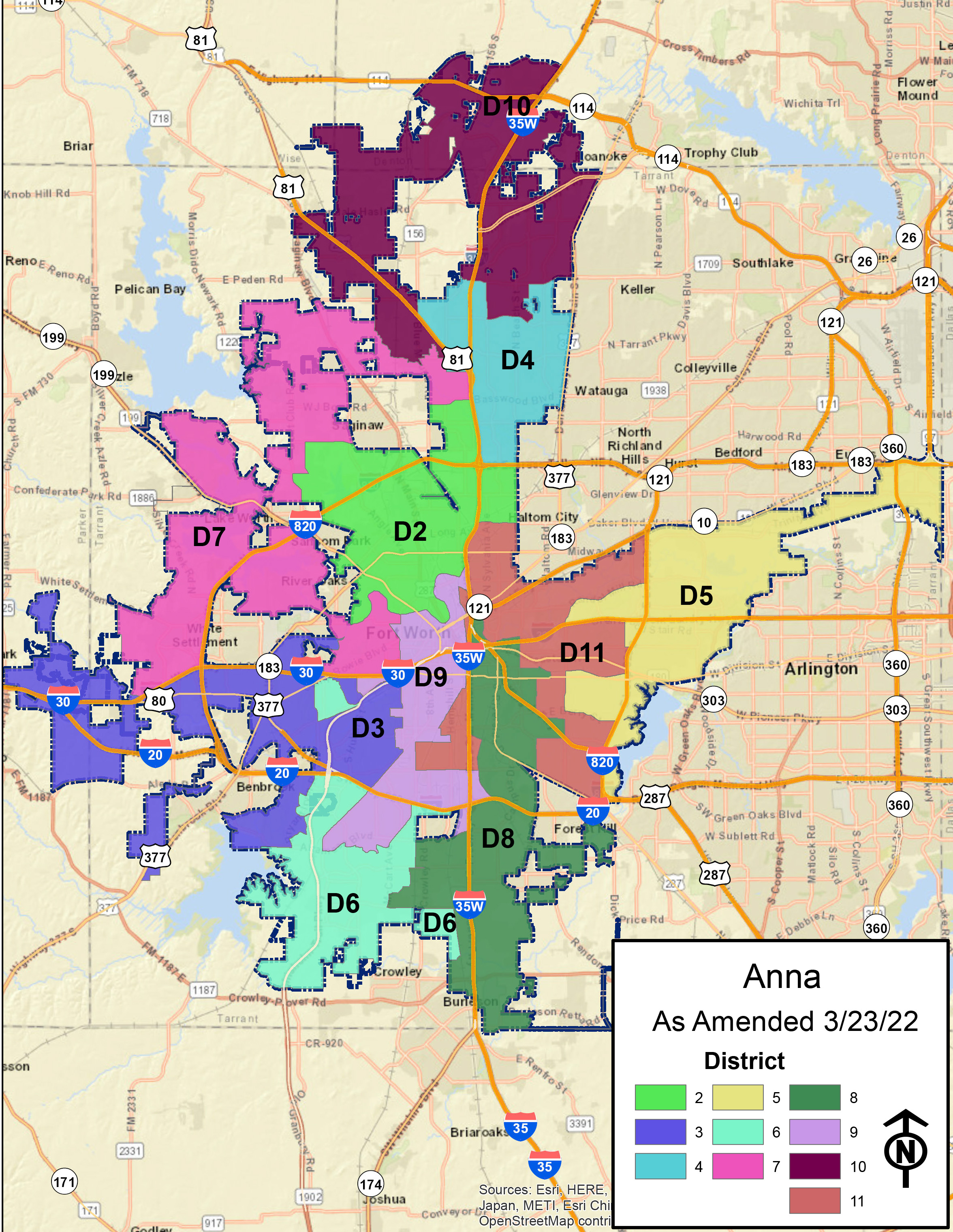
The city stretches across enormous distances with highways, subdivisions, and car-dependent development patterns common throughout Texas. In many ways, Fort Worth represents two cities at once:
- A surprisingly walkable downtown
- A massive suburban sprawl machine
This contradiction is what makes Fort Worth fascinating. It has managed to preserve pieces of traditional urbanism while still participating in the endless outward growth that defines much of modern Texas.
More Than Cowboys and Oil


Several longtime residents pointed out that Fort Worth’s cultural side is often overlooked.
The city is home to:
- World-class museums
- A nationally respected zoo
- Beautiful parks and public spaces
- Historic architecture
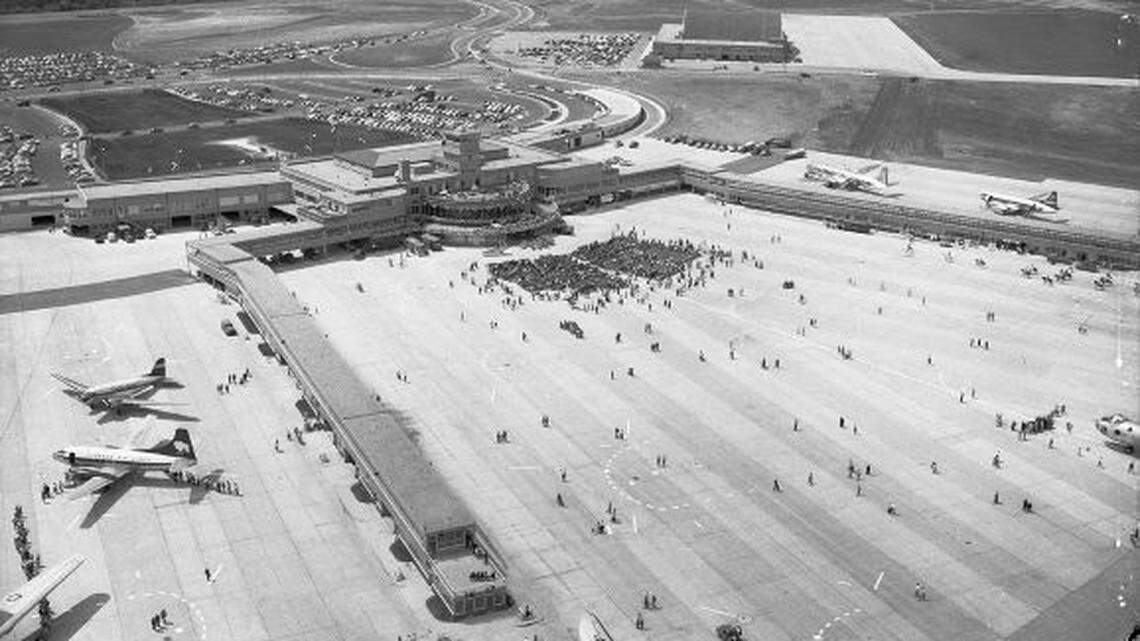
- Military and aerospace industries
Locals noted that Fort Worth had many of these institutions long before Dallas was competing in the same areas.
The famous Water Gardens, museums, and arts district continue to attract visitors from around the country.
The Spirit of the Panther City


Fort Worth’s “Panther City” nickname comes from an old joke that the city was so quiet a panther could sleep undisturbed in the streets. Instead of rejecting the insult, Fort Worth embraced it.
Today, panther symbols appear throughout the city, including statues, public art, and even the police department badge.
That attitude perfectly reflects Fort Worth itself:
confident, resilient, and comfortable being underestimated.
Final Thoughts
Fort Worth may never receive the same national attention as Dallas, Austin, or Houston, but that may be part of its appeal.
It is a city that balances:
- Western heritage and modern growth
- Urban living and suburban expansion
- Cultural sophistication and Texas tradition
Whether you see it as an urban success story or a sprawling contradiction, one thing is clear:
Fort Worth is no longer just Dallas’ quieter neighbor. It has become one of the most unique and complex cities in Texas.
Click Here for an opportunity to increase your income and help others so the same.
Thank you for reading this article. Please share with others,
Rick Herring
thmjmj@gmail.com
P.S. Fort Worth is now the tenth largest city in United States.