Tag: Ranchers

  • Lamb Mowers: The Woolly Workforce Transforming Solar Farms and Green Spaces

    Across America and around the world, a quiet revolution is taking place beneath rows of solar panels. Instead of noisy gasoline-powered lawn mowers, many solar farms are turning to sheep and lambs to keep vegetation under control. The practice, known as “solar grazing,” combines agriculture, renewable energy, and environmental stewardship in one surprisingly simple idea: let sheep do the mowing.

    https://a-us.storyblok.com/f/1006159/844x537/f1c429c79a/sheep-solar-grazing.png/m/1620x0/filters%3Aquality%2890%29
    https://www.reuters.com/resizer/v2/DFO5BE4GZVM6VLY5QLDK7MS3Y4.jpg?auth=2b91097966d88ca8426c7a247b8a3aec3efbe67234c08afaed59060881a1f621&quality=80&width=1080
    https://images.fastcompany.com/image/upload/f_webp%2Cc_fit%2Cw_1920%2Cq_auto/wp-cms-2/2024/08/002-91173171-solar-grazing.jpg

    The trend has been growing rapidly in Texas, California, Minnesota, and other states where large solar installations cover thousands of acres. In Texas alone, some solar companies now manage flocks numbering in the thousands. Ranchers who once struggled with declining agricultural markets are finding new income by leasing sheep to solar operators.

    Why Sheep Instead of Machines?

    Traditional mowing equipment can damage solar panels by throwing rocks or scraping metal supports. Mechanical mowing also requires fuel, maintenance, labor, and repeated trips across large sites. Sheep offer a gentler and more sustainable solution.

    Lambs and sheep naturally fit between rows of panels, nibbling grass and weeds in places machinery cannot easily reach. Their grazing reduces vegetation growth that could shade solar panels and lower energy production.

    Unlike gas-powered mowers, sheep produce no carbon emissions from fuel use. They fertilize the soil naturally, improve biodiversity, and often reduce the need for herbicides. Solar developers say maintenance costs can drop significantly when grazing replaces mechanical mowing.

    A New Opportunity for Ranchers

    For many ranchers, solar grazing has become an unexpected lifeline. Some former cotton farmers and struggling livestock operators now earn steady income by supplying sheep to solar farms. One Texas rancher reported earning hundreds of thousands of dollars annually after switching from traditional farming to solar grazing contracts.

    The arrangement benefits both sides:

    • Solar companies save on mowing costs.
    • Ranchers gain reliable grazing land and new revenue.
    • Sheep receive shelter beneath solar panels.
    • Communities benefit from cleaner energy and healthier land management.

    The American sheep industry, which has declined for decades, is now seeing renewed interest because of solar grazing demand.

    Environmental Benefits Beyond Mowing

    Solar grazing is part of a larger movement called “agrivoltaics,” where farmland serves both agricultural and energy purposes. In many locations, solar farms now include pollinator-friendly plants that attract bees and butterflies while sheep maintain the vegetation.

    https://images.openai.com/static-rsc-4/ODZshAWJyVfTvcjgoUKsommpcT0Bxt-NUcKczvzvcTwgWGXfWDxCC8XKK5chiEgdMzOuR8l0bNJ7vOB-8p3UKTED2UWd1BWpZBfN4quq22027OFg-7YK4BE1pD9fg_rzenbL5wvvpPVNrMkROfO96FwNwgrp143g1C5ZyVzOurpUiMChI0K3R0kyT3uT-OjM?purpose=fullsize
    https://images.openai.com/static-rsc-4/d5uZ4xSx8QmDLHw6kHrsUIwUAMPtaBcPpZM-9B7jGdXNGdJYubBsWeZKEaBMw4JehsMrBu6fSww8gRo_aTx9ULorosPwuKls92RcP9Cxy7CgslvG8UuIBrLbCpYkkSATZe3nKGz4zMy-cii-5Gr_J5-MvIzcveQGqv3QmpwMG-F3gI33aMbjOlgbjq2UlUy-?purpose=fullsize
    https://images.openai.com/static-rsc-4/Tv_pBKFUc4KS1LhQ65Z896nOwXN5Xy0sENaSe_UrIqWA7cyUfE4XG63h-Fw8A3563oeQ2q9kJ27clFgqtM-6GrOYFCv0Edo3Jb37RwqHfrIvmAwr6jK4U2L-2_5ov8Q6v_-UBuUxVwq8eRFUjFeesH7glFhZcRT5GPZ5ec0aowJOWYnI4VsZAukho7rgbptK?purpose=fullsize

    Researchers and environmental groups say sheep grazing can improve soil health, reduce erosion, and support native plant growth. In Minnesota and other states, flocks rotate through solar fields to encourage healthier ecosystems under and around the panels.

    Some sites have even added beekeeping operations alongside sheep grazing, turning solar farms into thriving ecological habitats rather than sterile industrial spaces.

    The Future of “Lamb Mowers”

    As solar energy expands across the United States, the demand for natural vegetation management is expected to grow. Industry experts say solar grazing is no longer a novelty — it is becoming standard practice at many large-scale solar facilities.

    The image of lambs peacefully grazing beneath rows of gleaming solar panels captures something larger happening in modern agriculture and energy production. Sometimes innovation does not require more machines or more technology. Sometimes the best solution is one nature perfected long ago.

    In an era searching for sustainable answers, the humble sheep may prove to be one of the green economy’s most unlikely heroes.

    https://images.foxtv.com/static.fox35orlando.com/www.fox35orlando.com/content/uploads/2019/09/1280/720/vlcsnap-2019-03-07-15h47m51s105_1551992131193_6867009_ver1.0.jpg?tl=1&ve=1
    https://www.reuters.com/resizer/c0ykgnF-dnnRNJAmdHDDjAKq_O4%3D/1200x0/filters%3Aquality%2880%29/cloudfront-us-east-2.images.arcpublishing.com/reuters/7CCLFXS7Q5PJ3EYPULZHOYR3AQ.jpg
    https://images.fastcompany.com/image/upload/f_webp%2Cc_fit%2Cw_1920%2Cq_auto/wp-cms-2/2024/08/002-91173171-solar-grazing.jpg

    Please leave your comments. What do you think about lamb mowers?

    Rick
    thmjmj@thmjmj8875

    P.S. Click Here to learn how you can spread the Kind Virus and prosper.
  • The Texas Caprock: Where the Land Tells Its Story

    Introduction

    Rising like a quiet sentinel across the Texas Panhandle, the Texas Caprock is one of the most striking natural features in the Lone Star State. More than just a geographic boundary, it is a place where history, culture, and rugged beauty come together. For Texans and travelers alike, the Caprock offers a glimpse into a land shaped by time, wind, and resilience.


    A Land Divided: What Is the Caprock?

    The Caprock Escarpment forms a natural dividing line between two distinct regions: the High Plains (Llano Estacado) to the west and the rolling plains to the east. Stretching roughly 200 miles from the Texas Panhandle down toward Central Texas, this dramatic rise in elevation creates breathtaking views and unique ecosystems.

    Standing atop the Caprock, you can look out across vast open spaces that seem to stretch forever. It’s a reminder of how big—and how beautiful—Texas truly is.


    Nature’s Masterpiece

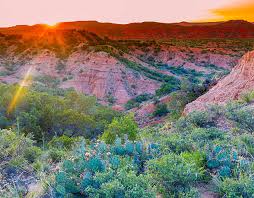
    The Caprock is home to diverse plant and animal life adapted to its sometimes harsh conditions. Mesquite trees, prickly pear cactus, and hardy grasses dominate the landscape, while wildlife such as mule deer, coyotes, and wild turkeys roam freely.

    One of the best places to experience this environment is Caprock Canyons State Park, where red rock formations and deep canyons create a stunning contrast against the wide blue sky.

    The park is also home to the official Texas State Bison Herd, a living symbol of the American West and a powerful reminder of the region’s natural heritage.


    A Rich Cultural History

    Long before modern roads and towns, Native American tribes such as the Comanche and Apache called this region home. They followed buffalo herds across the plains and used the escarpment as a natural landmark.

    Later, during the era of westward expansion, the Caprock became part of the frontier experience. Ranchers, settlers, and cowboys carved out lives in this rugged land, contributing to the enduring spirit of independence associated with Texas.


    Why the Caprock Still Matters Today

    Today, the Caprock is more than a scenic destination—it’s a place of reflection and renewal. Whether you’re hiking its trails, watching a sunset paint the cliffs in shades of gold and red, or simply standing in silence, the land invites you to slow down and take it in.

    For photographers, nature lovers, and those seeking peace, the Caprock offers something rare: a connection to both the past and the present.


    Conclusion

    The Texas Caprock is not just a geographic feature—it’s a story written in stone, wind, and time. It speaks of endurance, beauty, and the deep roots of Texas history. Whether you visit for a day or simply learn about it from afar, the Caprock leaves an impression that stays with you.

    Thank you for reading this article. Please share with others.

    Rick Herring
    thmjmj@gmail.com