Tag: sorrow

  • Living in the Light of Eternity

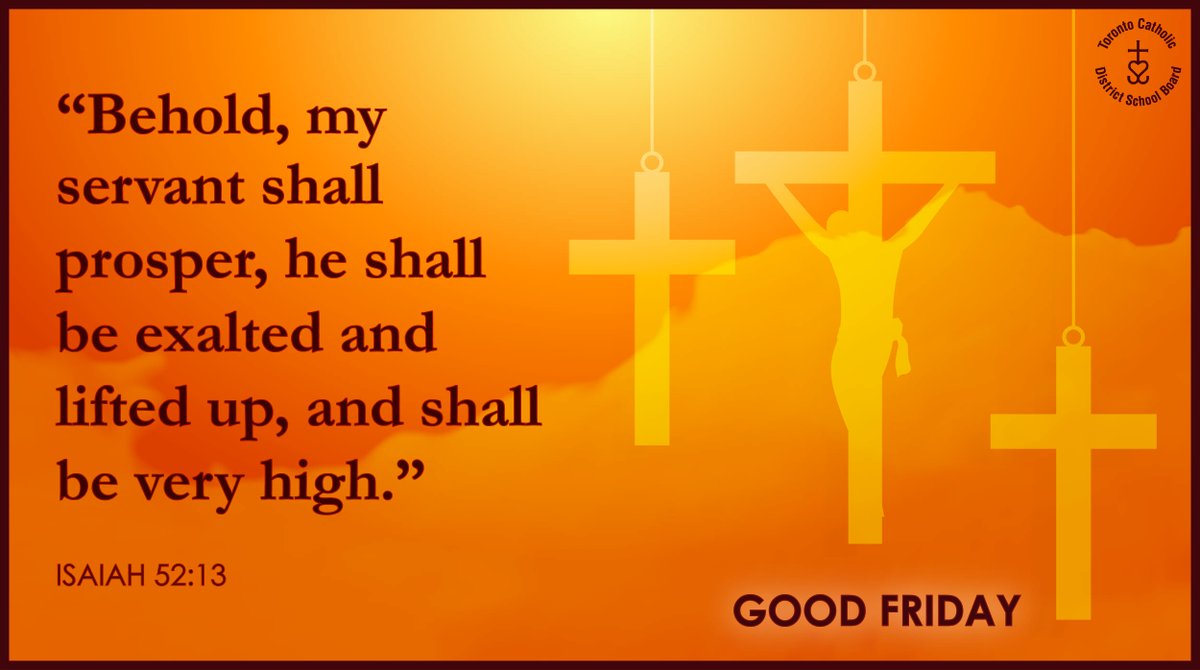
    “Seek first the kingdom of God and His righteousness, and all these things will be added to you.” — Matthew 6:33** —

    Looking Beyond Today Throughout the history of the Church, the saints have shared one remarkable characteristic: they learned to see everything in the light of eternity.

    Every joy, every sorrow, every success, and every trial was viewed not merely from the perspective of today, but from the perspective of Heaven.

    This eternal vision did not make them indifferent to suffering. Instead, it gave them the wisdom to place every earthly event in its proper proportion.

    Many of our fears, discouragements, resentments, and conflicts become overwhelming because we unconsciously magnify temporary events until they seem permanent.

    A harsh word, an unexpected disappointment, financial concerns, illness, or the opinions of others can grow so large in our minds that they eclipse everything else.

    Yet Scripture reminds us that these things are passing. Eternity alone lasts forever.

    Seek First the Kingdom Jesus gives us the foundation for living with peace: >

    **”Seek first the kingdom of God and His righteousness, and all these things will be added to you.”** > *(Matthew 6:33)*

    Notice that Jesus does not tell us to ignore our responsibilities or pretend that difficulties do not exist. Rather, He teaches us to place first things first.

    When God’s Kingdom becomes our highest priority, everything else begins to fall into its proper place. Our worries lose much of their power.

    Success becomes an opportunity for gratitude rather than pride. Failure becomes an opportunity for growth rather than despair. Even suffering takes on new meaning because we know it is not the end of the story.

    Present Suffering and Eternal Glory No one understood suffering better than the Apostle Paul. He endured imprisonment, persecution, beatings, shipwrecks, rejection, hunger, and constant danger. Yet in the midst of these hardships, he wrote: >

    **”For I consider that the sufferings of this present time are not worth comparing with the glory that is to be revealed to us.”** > *(Romans 8:18)* He also wrote: > **”For this light momentary affliction is preparing for us an eternal weight of glory beyond all comparison.”** > *(2 Corinthians 4:17)*

    Paul was not dismissing suffering. His own life proves otherwise. Rather, he was magnifying eternity. Compared with everlasting joy in the presence of God, even life’s greatest trials become temporary.

    The Wisdom of the Saints The saints became holy not because they escaped suffering, but because they learned to keep their eyes fixed on Christ. Their perspective shaped every virtue they practiced.

    Humility replaced pride because they remembered that only God is great. Patience overcame frustration because they trusted God’s timing.

    Charity overcame resentment because they knew mercy lasts forever. Hope conquered discouragement because Heaven was always before their eyes.

    Peace grew because they knew this world is not our final home. Whenever difficulties arose, they returned their hearts to eternity.

    When Small Things Become Too Big Many of life’s emotional burdens grow because we give temporary problems eternal importance.

    An argument lasting only minutes can disturb us for days. One criticism can overshadow years of faithful work. A disappointment can convince us that our future is ruined. Financial setbacks can make us forget God’s faithful providence.

    We begin to believe that today’s circumstances define our lives. But they do not. When we remember eternity, our perspective changes. The problem may still exist, but it no longer occupies the center of our hearts. We realize that what feels overwhelming today may one day be only a small step on our journey toward God.

    An Eternal Perspective Changes Everything Living with eternity in mind does not eliminate pain. Christ Himself suffered. The apostles suffered.

    The saints suffered. We will also experience sorrow, disappointment, and loss. Yet an eternal perspective transforms how we carry these burdens.

    It gives us courage to persevere. It teaches us to forgive more readily. It helps us let go of unnecessary worries. It reminds us that faithfulness is more important than comfort.

    Most importantly, it fills our hearts with hope because God’s promises are greater than today’s troubles. —

    Conclusion

    Scripture tells us that life is like a mist that appears for a little while and then vanishes. Eternity, however, never ends. The saints understood this truth so deeply that it shaped every decision they made.

    Their eyes were fixed not merely on the circumstances around them, but on the Kingdom of God. May we learn to do the same.

    When we seek first God’s Kingdom, our fears begin to shrink, our hope begins to grow, and our hearts discover the peace that comes from knowing that every act of faith, every sacrifice, every prayer, and every moment of perseverance echoes into eternity.

    For in the end, it is not today’s troubles that define our lives—it is the everlasting glory that God has promised to those who love Him.

    Focusing on Eternity With God In Heaven as what I want more than anything has greatly enhanced my peace, love, and joy. I hope and pray it does the same for you.

    P.S. Before you go…

    If you enjoyed this video, please Like, Subscribe, and Share it with someone who loves dogs and uplifting stories.

    Then visit thm34.shop and subscribe FREE to The Good News Newsletter.

    Each week you’ll receive inspiring stories, faith-filled encouragement, World of Dogs videos, weekly highlights, and delicious budget recipes—all delivered straight to your inbox.

    Visit today: thm34.shop to subscribe


  • Holy Saturday: The Quiet Between Death and Resurrection

    Holy Saturday: The Time of Waiting on the Lord

    https://static1.squarespace.com/static/600c4409f694483df73bbf66/6092e033061a5e238d8c9b0a/6092e046061a5e238d8c9d4b/1620238406590/tissoTheWatchOvertheTomb.jpg?format=original
    https://pstzinogenesis.files.wordpress.com/2015/04/3_1_.jpg?crop=1&h=331&w=660
    https://sspx.org/sites/default/files/styles/content_image_16_9_desktop/public/drupal-7/easter_vigil_lumen_christi460.jpg?itok=HiefTEoB

    Introduction

    Holy Saturday is one of the most mysterious and often overlooked days in the Christian calendar. Falling between Good Friday and Easter Sunday, it is a day of silence, waiting, and deep reflection. While the world moves quickly toward celebration, Holy Saturday invites believers to pause in the stillness—the moment when hope seems hidden, yet is quietly unfolding.


    What Is Holy Saturday?

    Holy Saturday commemorates the day when Jesus Christ lay in the tomb after His crucifixion. According to Christian tradition, it is a time when the earth itself seemed to hold its breath.

    Unlike the sorrow of Good Friday or the joy of Easter Sunday, Holy Saturday exists in between—a sacred pause. It reflects a powerful spiritual truth: even when nothing appears to be happening, transformation may already be underway.


    The Meaning of the Silence

    https://i5.walmartimages.com/asr/60f48e06-1a7f-4608-90e1-3470cc7bb0e3.61714a15a25dd343cb6e8ef1c4f5216c.jpeg?odnBg=FFFFFF&odnHeight=768&odnWidth=768
    https://upload.wikimedia.org/wikipedia/commons/thumb/3/37/Altare_l%C3%A5ngfredagen_Hedvig_Eleonora_kyrka%2C_Stockholm.jpg/250px-Altare_l%C3%A5ngfredagen_Hedvig_Eleonora_kyrka%2C_Stockholm.jpg
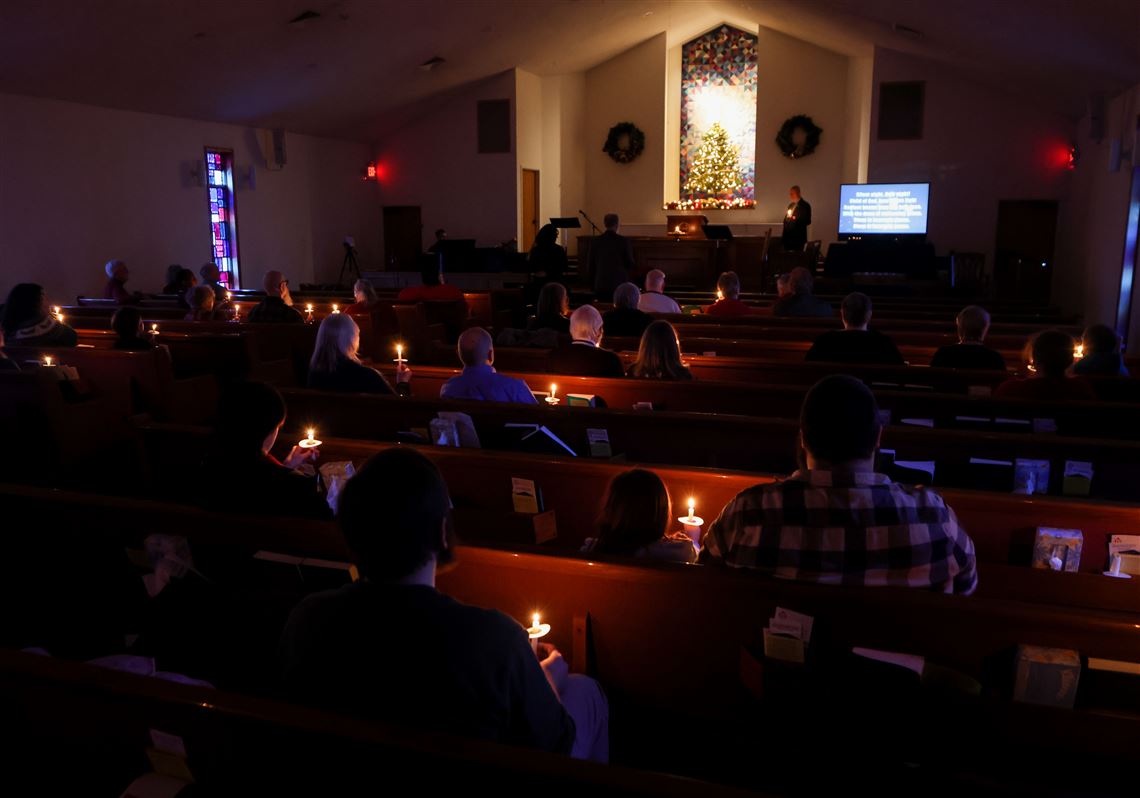
    https://www.toledoblade.com/image/2025/12/24/1140x_a10-7_cTC/XmasEve25-20251224040.jpg

    Holy Saturday is marked by silence. Churches are often dim, altars are bare, and there are no major daytime liturgies. This absence is intentional.

    It represents:

    • Grief and mourning of Jesus’ death
    • Uncertainty and waiting experienced by His followers
    • Trust in God’s promise, even without visible evidence

    For many, this day mirrors personal seasons of waiting—times when answers are not immediate and faith must endure in the quiet.


    The Easter Vigil: Light in the Darkness

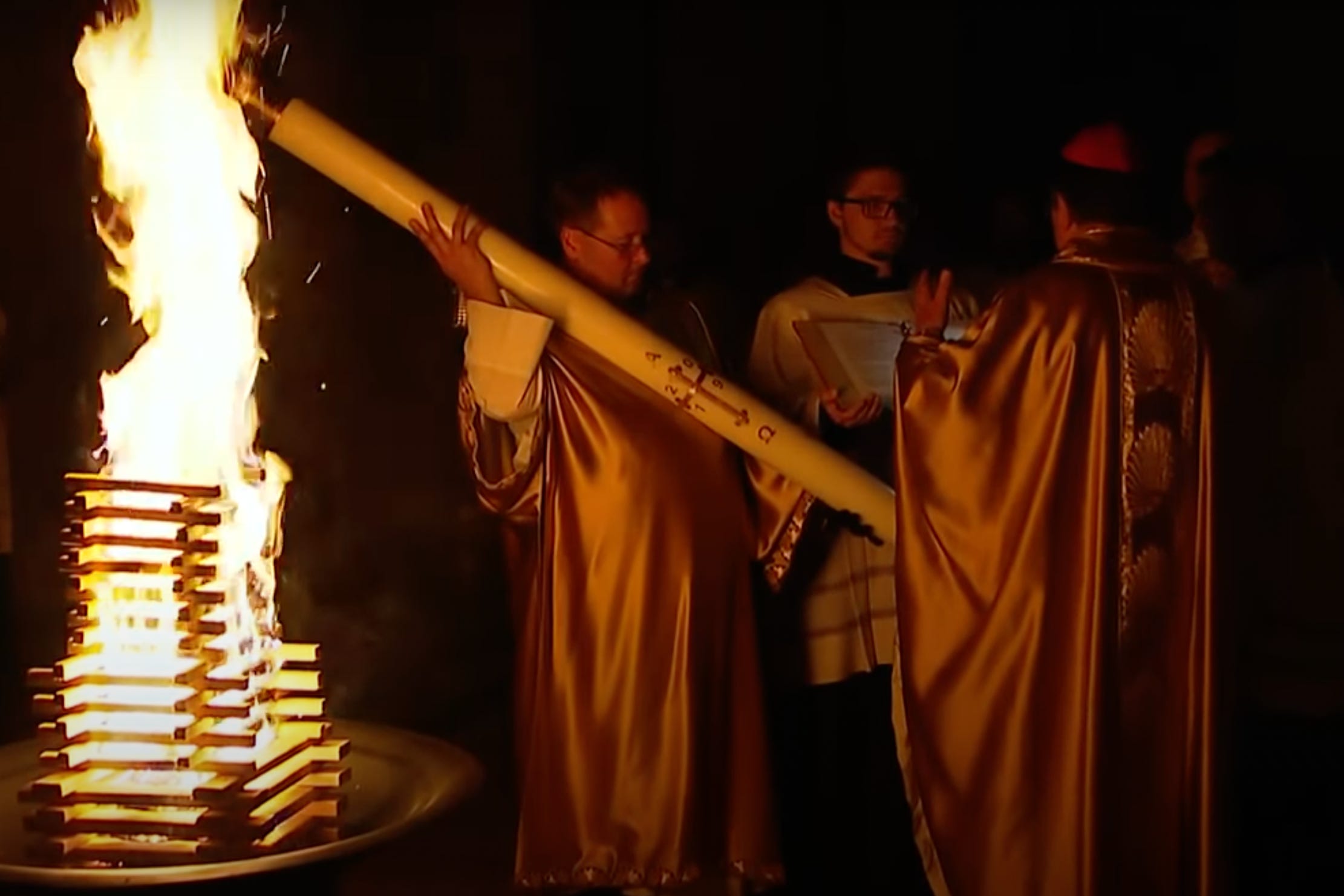
    https://substackcdn.com/image/fetch/%24s_%21orIL%21%2Cf_auto%2Cq_auto%3Agood%2Cfl_progressive%3Asteep/https%3A%2F%2Fbucketeer-e05bbc84-baa3-437e-9518-adb32be77984.s3.amazonaws.com%2Fpublic%2Fimages%2F6d51f1f5-4850-4cae-a954-7725d32d63a5_2222x1482.png
    https://vanpoulles.co.uk/cdn/shop/articles/the-paschal-candle-meaning-and-symbolism-in-easter-services-343425.jpg?v=1674143055
    https://ca-times.brightspotcdn.com/dims4/default/fe20e46/2147483647/strip/true/crop/2048x1365%2B0%2B0/resize/1440x960%21/quality/75/?url=https%3A%2F%2Fcalifornia-times-brightspot.s3.amazonaws.com%2F9c%2F02%2Fa08d6388260fdc2234bc2f163e2b%2Ftn-vsl-me-la-canada-congregational-vigil-013

    After sunset, Holy Saturday transitions into one of the most beautiful traditions in Christianity: the Easter Vigil.

    During this service:

    • A new fire is kindled in darkness
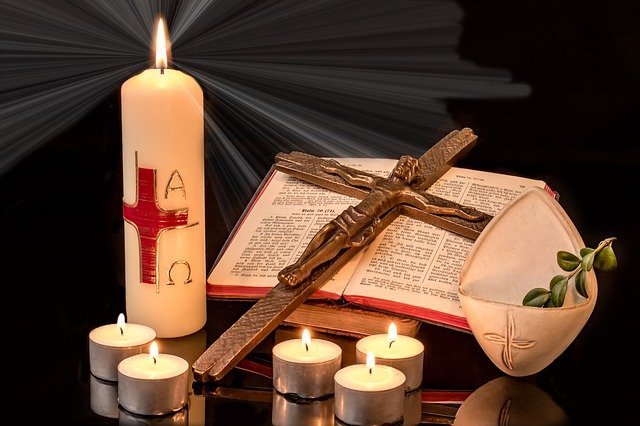
    • The Paschal candle is lit, symbolizing Christ as the Light of the World
    • Scripture readings recount God’s saving acts throughout history
    • The celebration of resurrection begins

    The vigil moves from darkness to light, capturing the journey from despair to hope—a central theme of the Christian faith.


    Why Holy Saturday Still Matters Today

    In a fast-paced world, Holy Saturday offers a rare and meaningful invitation: to wait.

    It reminds us that:

    • Not all answers come immediately
    • Growth often happens unseen
    • Faith is sometimes strongest in silence

    Whether one observes it through prayer, reflection, or quiet time, Holy Saturday speaks to anyone who has ever felt “in between”—between loss and healing, doubt and belief, endings and new beginnings.


    Conclusion

    Holy Saturday may be quiet, but it is far from empty. It is a sacred space where grief meets hope, and where stillness prepares the way for joy. As the darkness gives way to the light of Easter Sunday, believers are reminded that even in the silence, God is at work.


    Thank you for reading this blog. Please share with others.

    Rick Herring
    thmjmj

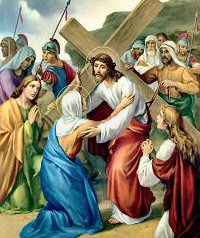
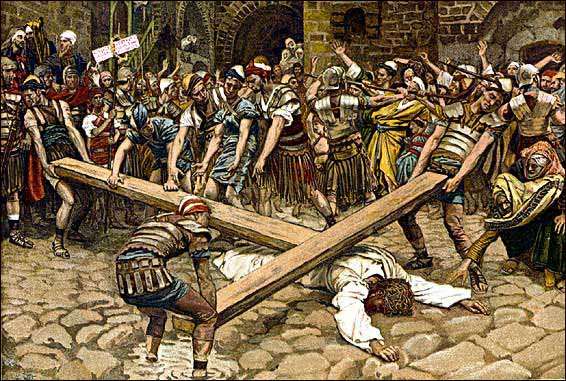
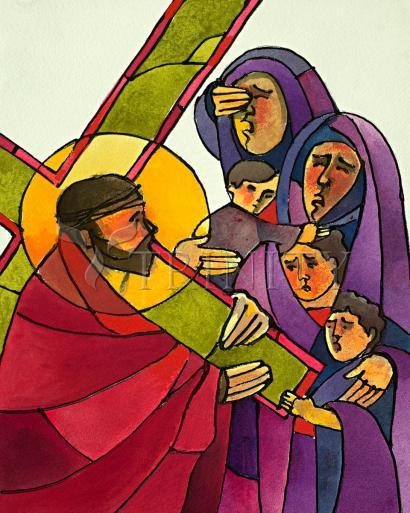
  • The Fourth Sorrowful Mystery: The Carrying of the Cross

    The Fruit of the Mystery is Patience

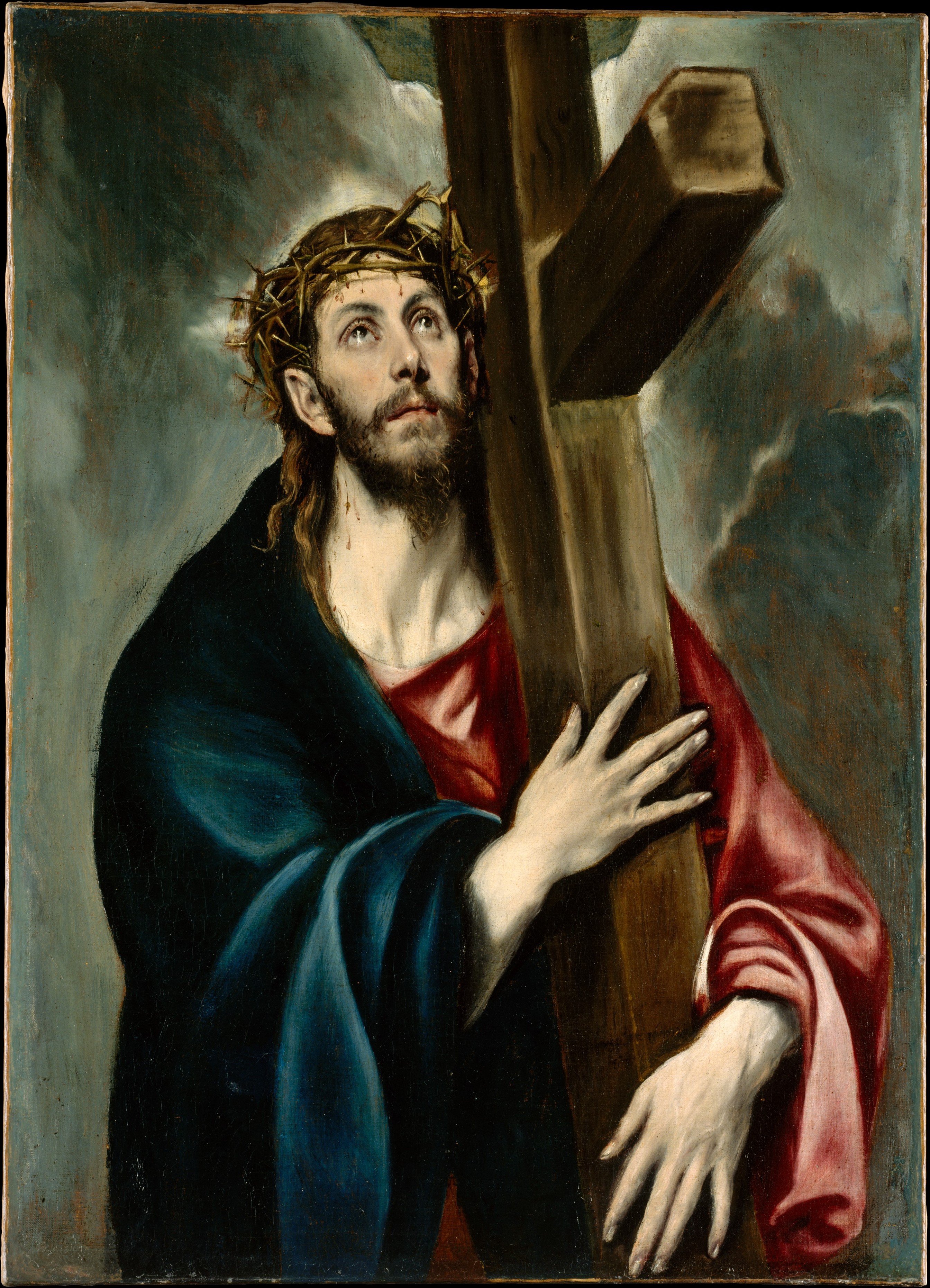
    https://images.metmuseum.org/CRDImages/rl/original/DT714.jpg
    https://www.catholicculture.org/culture/liturgicalyear/pictures/stat4.jpg
    https://www.joyfulheart.com/easter/images-tissot/tissot-simon-of-cyrene-compelled-to-carry-cross.jpg

    Introduction

    The Fourth Sorrowful Mystery of the Rosary invites us into one of the most physically and spiritually intense moments of Christ’s Passion: Jesus carrying His cross to Calvary. This scene is not only a historical event but a deeply personal call to every believer—to walk with Christ in suffering, humility, and perseverance.


    The Biblical Scene

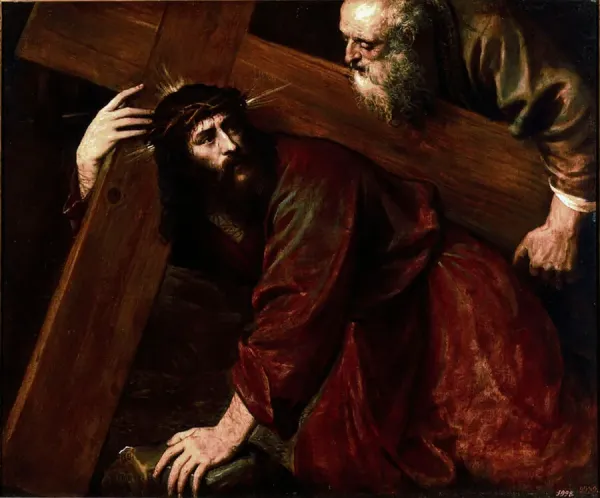
    After being scourged and crowned with thorns, Jesus is forced to carry the heavy wooden cross through the streets of Jerusalem toward Golgotha. Weak from pain and loss of blood, He stumbles under its weight. The soldiers compel Simon of Cyrene to help Him carry the cross, while the crowd watches—some mocking, others mourning.

    https://entail-assets.com/artzabox/Walking%20Via%20Dolorosa-1646747723861.jpg
    https://www.mediastorehouse.com/p/690/simon-cyrenean-helps-jesus-carry-cross-23322038.jpg.webp
    https://trinitystores.com/cdn/shop/products/PR-MMJWJ.jpg?v=1714259780

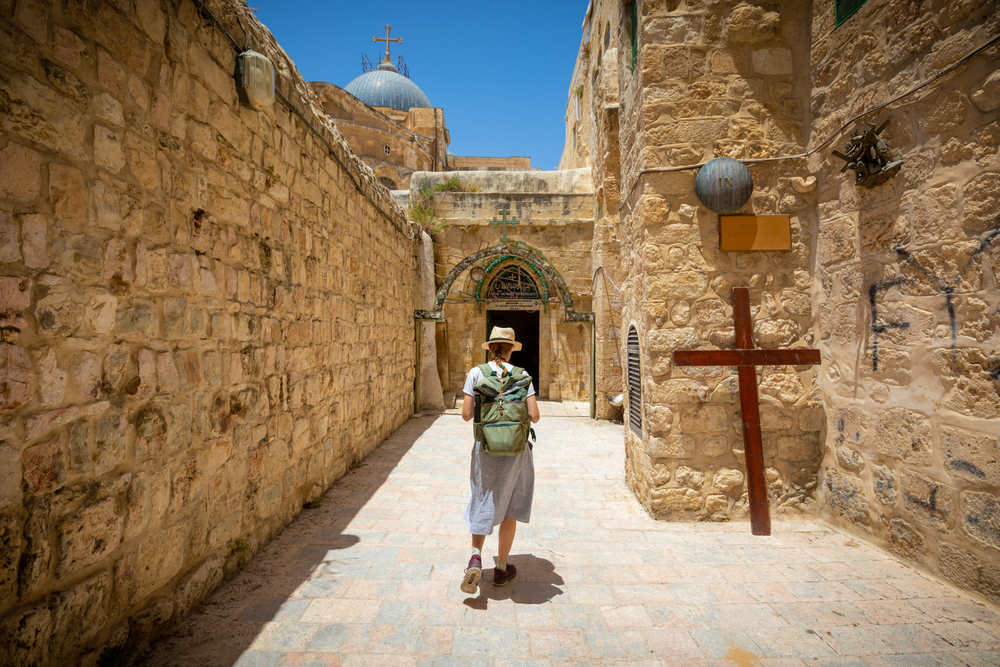
    This journey, known as the Via Dolorosa, represents not only Christ’s physical suffering but also His unwavering obedience to the Father’s will.


    Spiritual Meaning

    The Carrying of the Cross reveals several profound truths:

    1. The Weight of Sin

    The cross symbolizes the burden of humanity’s sins—past, present, and future—that Jesus willingly carries.

    2. Human Weakness and Divine Strength

    Jesus falls multiple times, reminding us that even in weakness, grace sustains us.

    3. Shared Suffering

    Simon of Cyrene’s involvement teaches that we are called to help one another carry life’s burdens.


    A Reflection for Our Lives

    https://p2.piqsels.com/preview/554/677/78/easter-jesus-crucifixion-cross.jpg
    https://pbs.twimg.com/media/Go0i218WsAAKOs2.jpg
    https://img1.wsimg.com/isteam/ip/fc4aae0f-d860-4b70-bdd2-8b7e19b15b3b/The%20Burden%20Oil%20painting%20cropped.jpg

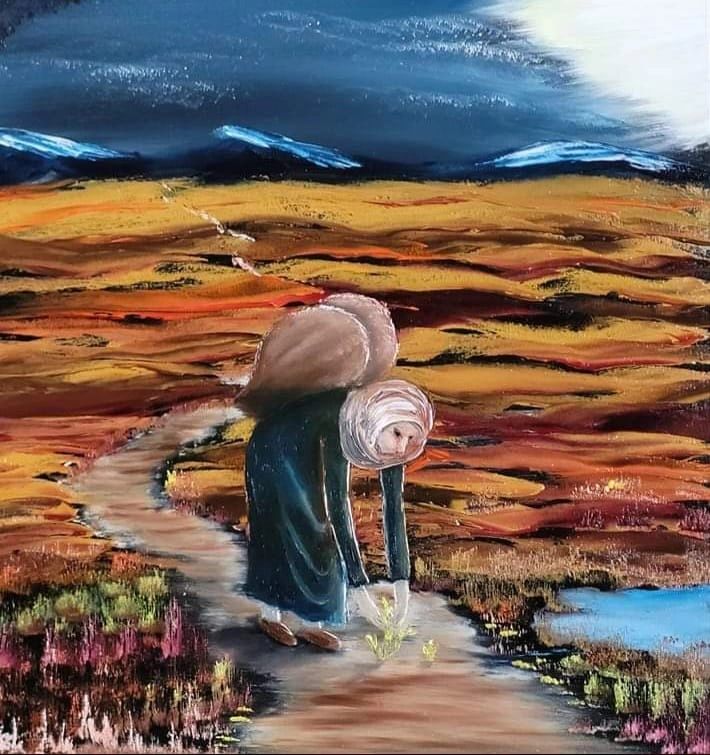
    Each of us has a cross to carry—whether it be illness, loss, struggle, or daily hardship. This mystery challenges us to ask:

    • Do I accept my cross with faith and trust?
    • Do I help others carry their burdens?
    • Can I find meaning in suffering by uniting it with Christ?

    Jesus does not carry the cross alone—and neither should we.


    Prayer

    Lord Jesus, as You carried Your cross to Calvary, You embraced the weight of my sins and the suffering of the world. Teach me to carry my own cross with patience and love. Help me to support others in their struggles, just as Simon helped You. Grant me the strength to follow You faithfully, even when the road is difficult. Amen.


    Conclusion

    The Fourth Sorrowful Mystery is a powerful meditation on endurance, compassion, and sacrificial love. In contemplating Christ’s journey to Calvary, we are invited not only to witness His suffering but to transform our own lives through it.

    May we walk beside Him—not only in sorrow, but in hope—knowing that the cross always leads to resurrection.

    Rick Herring
    thmjmj@gmail.com

  • 🌿 Palm Sunday: Triumph, Paradox, and the Beginning of Holy Week

    https://publisher-ncreg.s3.us-east-2.amazonaws.com/pb-ncregister/swp/hv9hms/media/20200828110824_012dd16cac5e5325a3c0b101a9a2030c70ce6252254b80ec4707cb5629c1c647.jpeg
    https://images.squarespace-cdn.com/content/v1/5550eb33e4b04b1819bb7457/1583170014736-PDT58Z1HXP9NBN6B5GNB/Christ-entering-Jerusalem-on-a-donkey_01.jpg
    https://www.usccb.org/sites/default/files/styles/article_news_full_detail/public/2026-03/IMG_7801.JPG.jpeg?itok=IOdSETRm

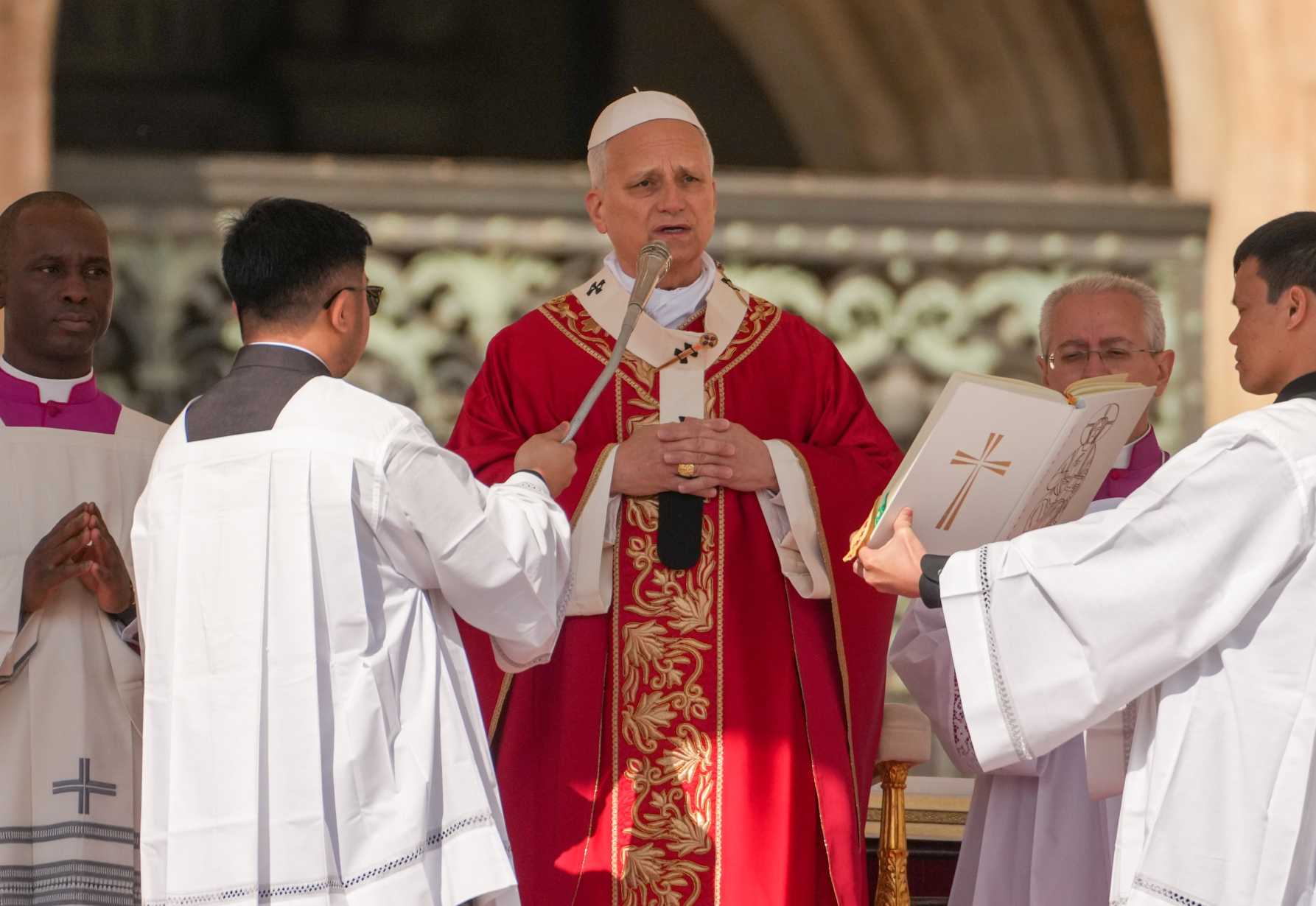
    Palm Sunday, formally known as Palm Sunday of the Lord’s Passion, marks the beginning of Holy Week, the most sacred time in the Catholic liturgical year. It is a day filled with both celebration and solemnity—a powerful contrast that captures the heart of the Christian mystery: Christ as both triumphant King and suffering Savior.

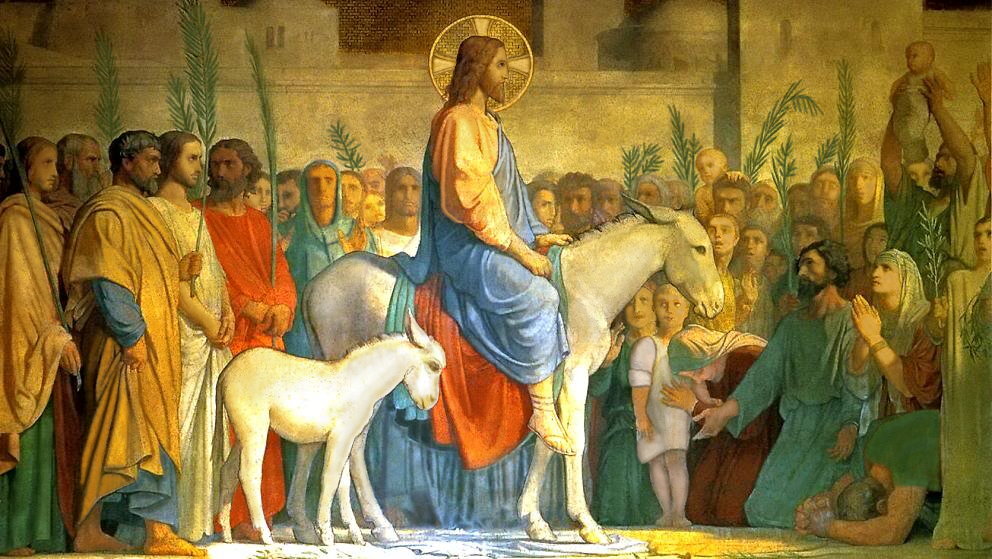
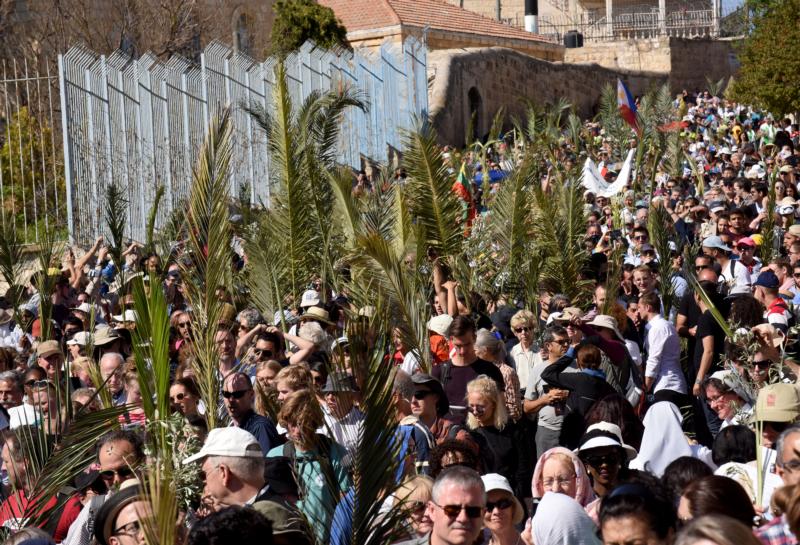
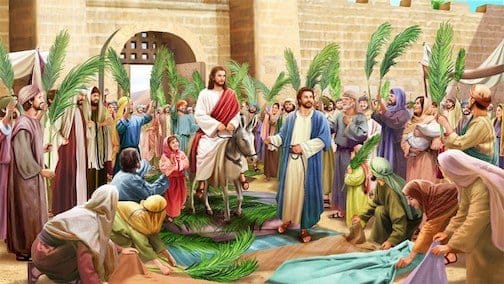
    This sacred day commemorates Jesus’ entry into Jerusalem, where crowds welcomed Him with palm branches and cries of “Hosanna!” Yet, within the same liturgy, the Church invites us to hear the Passion narrative, where those cries shift dramatically to “Crucify Him!” This tension invites deep reflection on faith, human weakness, and divine love.


    🌿 The Symbolism of Palms

    https://hips.hearstapps.com/hmg-prod/images/palm-cross-63fe526a8ec53.jpg?crop=0.668xw%3A1.00xh%3B0.0385xw%2C0&resize=1200%3A%2A
    https://catholicphilly.com/media-files/2019/04/JERUSALEM-PALM-SUNDAY_800.jpg
    https://www.uticaod.com/gcdn/authoring/2018/03/24/NOBD/ghows-NY-9d161bfd-5dd3-458d-afa4-41901098974c-6c05d976.jpeg?auto=webp&disable=upscale&format=pjpg&width=1200

    Palm branches are central to the celebration of this day. In ancient times, palms symbolized victory and triumph, and in the Church, they represent Christ’s victory over sin and death.

    During Mass, palms are blessed and distributed to the faithful, who often take them home as sacramentals—visible reminders of spiritual realities. Many Catholics place them in their homes, behind crucifixes, or in prayer spaces as a sign of protection and devotion.

    In a beautiful liturgical cycle, these same palms are later burned to create ashes for the following year’s Ash Wednesday, linking Christ’s triumph with our call to repentance.


    ✝️ The Liturgy: Joy and Sorrow Together

    https://www.usccb.org/sites/default/files/styles/article_news_full_detail/public/2026-03/IMG_7801.JPG.jpeg?itok=IOdSETRm
    https://catholicphilly.com/media-files/2019/04/JERUSALEM-PALM-SUNDAY_800.jpg
    https://wp-media.patheos.com/blogs/sites/56/2014/04/passion_reading02.png

    Palm Sunday Mass is unique because it contains two distinct and contrasting moments:

    1. The Procession of Palms

    The celebration often begins outside the church with a procession, recalling Jesus’ entry into Jerusalem. The faithful carry palm branches, singing hymns of praise just as the crowds did centuries ago.

    2. The Proclamation of the Passion

    Later in the Mass, the tone shifts dramatically as the Passion narrative is read—often with multiple voices representing different characters. This reading recounts the suffering and death of Christ.

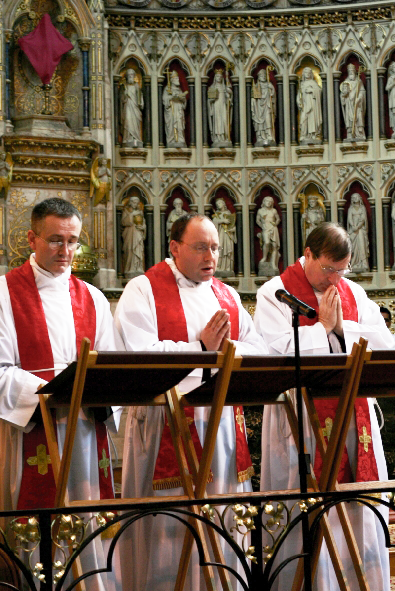
    The priest wears red vestments, symbolizing the blood of Christ’s sacrifice. The liturgy intentionally holds both joy and sorrow together, reminding us that glory and suffering are inseparably linked in the Christian life.


    📖 A Story That Defines All Stories

    Palm Sunday is not just a historical remembrance—it is an invitation.

    The Church presents this day as a “defined story”—one that shapes how believers understand love, sacrifice, betrayal, and redemption. As we hear the Passion, we are not passive listeners; we are participants, called to reflect:

    • Where do we stand in the crowd?
    • Are we praising Christ one moment and turning away the next?
    • How do we respond to suffering, both our own and others’?

    This day challenges us to confront the reality of sin while embracing the hope of salvation.


    🕊️ Humility and Kingship

    https://www.madeseen.com/cdn/shop/files/Jesus_enter_Jerusalem_riding_on_donkey_Christian_Art.jpg?v=1756442966&width=1445
    https://www.rotation.org/fileSendAction/fcType/0/fcOid/720084389628621698/filePointer/720084389628621939/fodoid/720084389628621838/imageType/LARGE/inlineImage/true/Donkey-Horse-Jesus.jpg
    https://www.walkinghumblywithgod.com/content/images/content/v1/54c3f400e4b0e13d92500cee/1649622791014-GC9YB4V6EHQ17HYZR0RI/entry_to_jerusalem-1.jpg

    One of the most striking elements of Palm Sunday is how Jesus enters Jerusalem—not on a war horse, but on a donkey.

    This detail is deeply symbolic:

    • A war horse represents power, conquest, and earthly authority.
    • A donkey represents humility, peace, and service.

    Christ reveals a different kind of kingship—one rooted not in domination, but in self-giving love. He is both King and Suffering Servant, a paradox that lies at the core of Christian belief.


    🌿 Entering Holy Week

    Palm Sunday opens the door to Holy Week, leading toward the profound events of:

    • Holy Thursday – The Last Supper
    • Good Friday – The Passion and Crucifixion
    • Holy Saturday & Easter Vigil – The Resurrection

    It is a day that asks us not just to remember, but to walk with Christ—through praise, through suffering, and ultimately, toward new life.


    ✨ Final Reflection

    Palm Sunday is a mirror of the human heart and a revelation of divine love. It reminds us that faith is not just about moments of joy, but also about fidelity in times of trial.

    As we hold our palm branches, we are invited to follow Christ—not only in celebration, but all the way to the Cross… and beyond it, to the hope of Resurrection.

    “Hosanna in the highest!” — and may those words echo in our lives, not just today, but every day.

    If you liked this article, pleAse share your feedback, share with others and come back for more stories.

    Rick Herring
    thmjmj@gmail.com