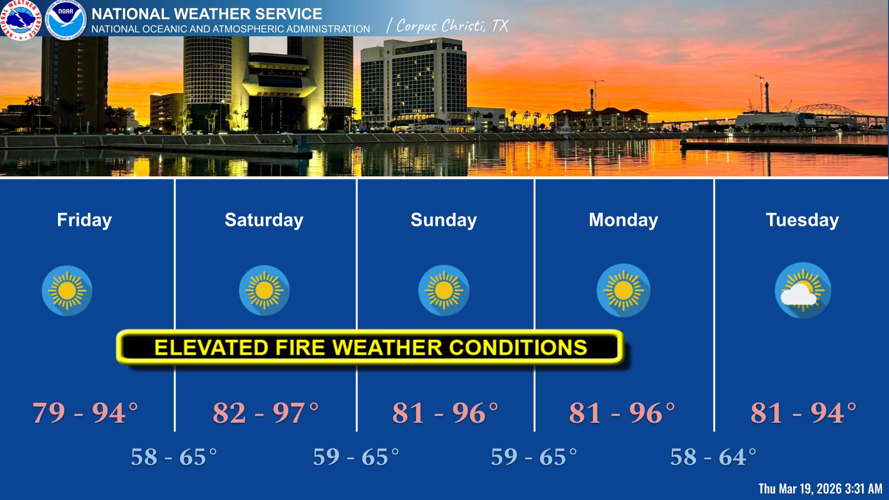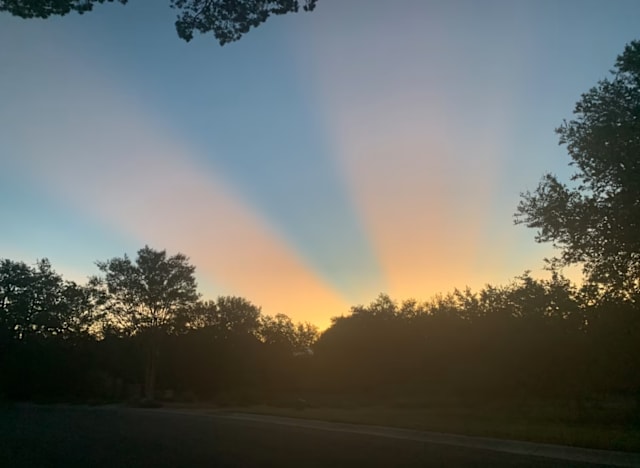
Just when you thought you had fully committed to shorts, flip-flops, and that one T-shirt you’ve worn three days in a row (no judgment), the meteorologists have spoken: a cold front is on the way.
Well… technically.
Let’s set expectations appropriately.
❄️ A “Cold Front”… Texas Style
This Friday, temperatures are expected to plummet from the roaring 80s all the way down to… the 60s.
Yes. You read that correctly.
Sixties.
Before you panic, no, your pipes will not freeze. Your car will start. Your iced coffee will still be socially acceptable.
But in true dramatic fashion, I will be referring to this as a “chilly front.”
Because let’s be honest—anything below 70°F in Texas requires emotional preparation.
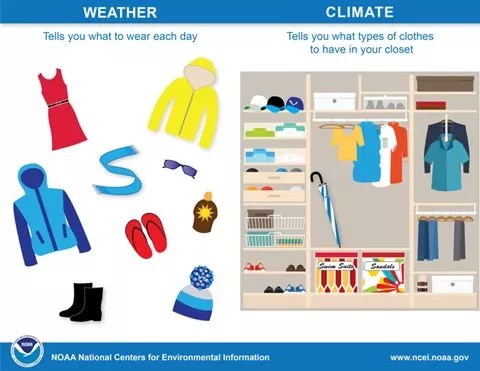
🧥 Wardrobe Crisis Incoming
This sudden drop raises one of life’s most difficult questions:
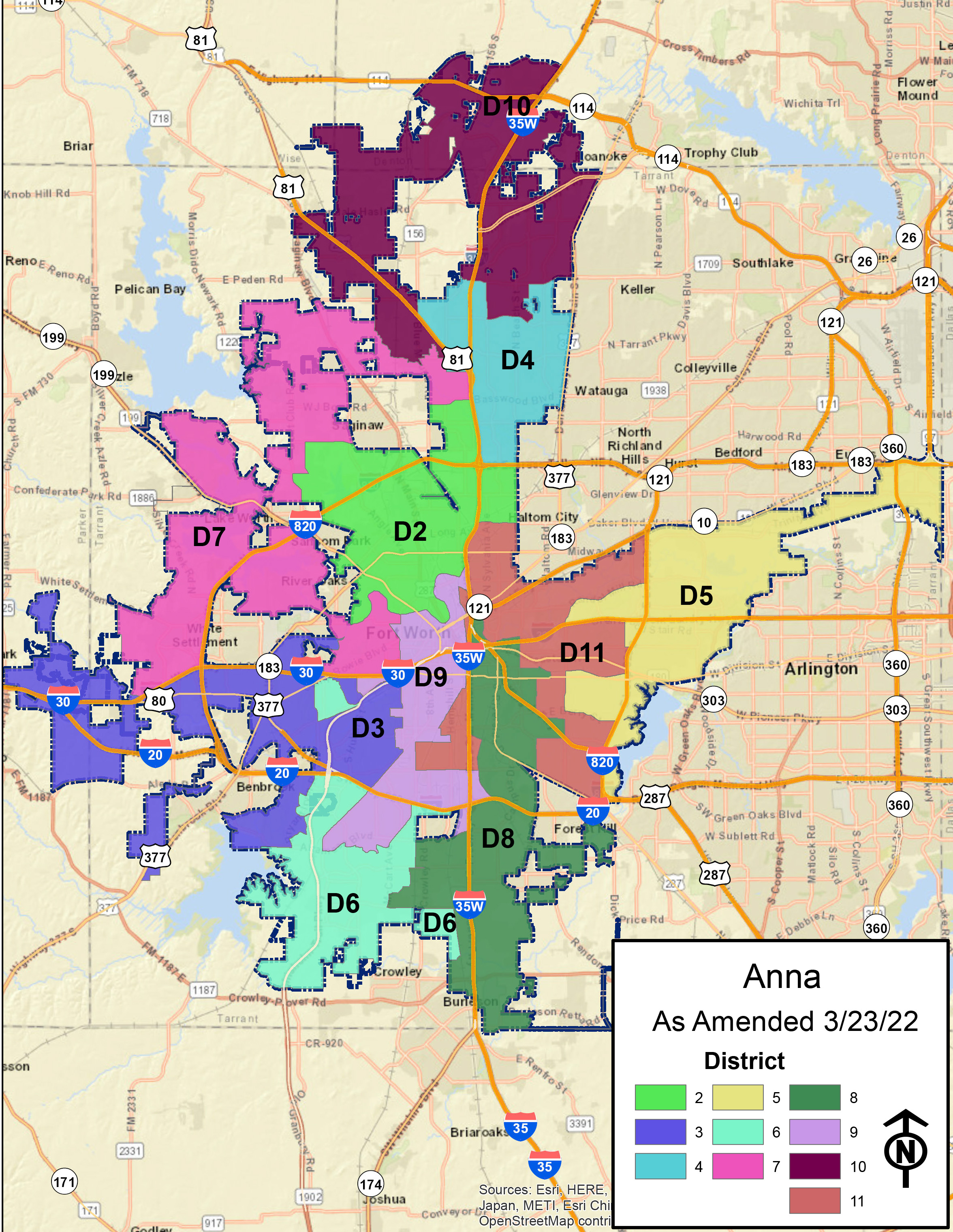
The “Finger of Land” Into Arlington: Fort Worth’s Strategic Reach
If you’ve ever looked closely at a city map of North Texas, you might notice something unusual: a narrow stretch of Fort Worth territory reaching eastward into what is otherwise Arlington and the Mid-Cities.
At first glance, it looks like a mapping error—or a leftover quirk of development. But in reality, this “finger of land” is one of the most intentional geographic moves in Texas history.
A Corridor by Design, Not Accident
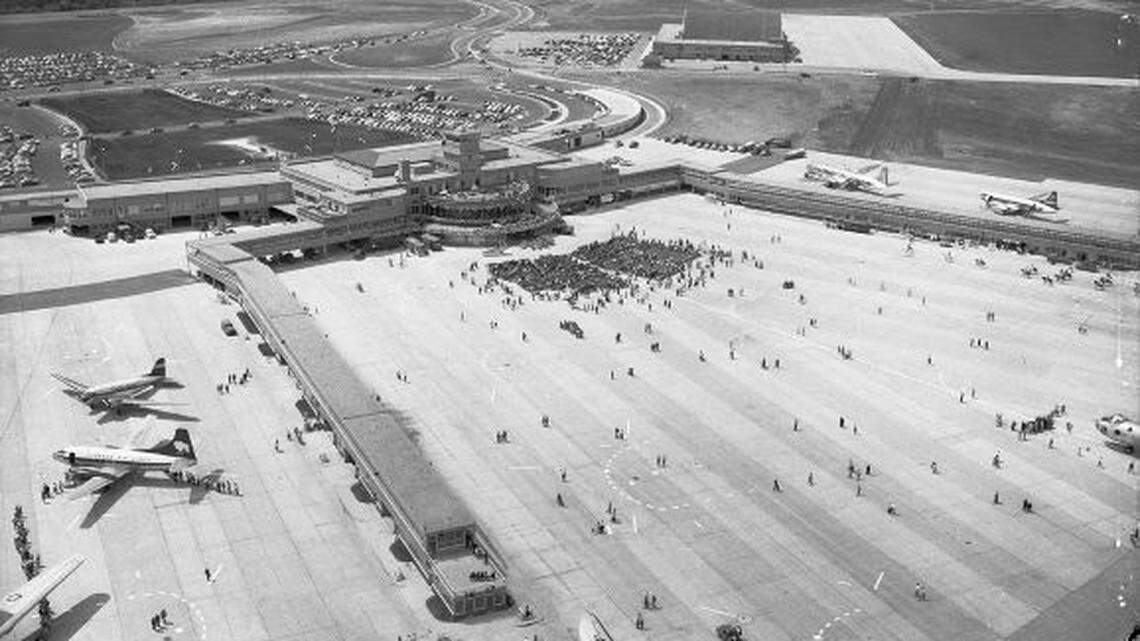
The strip dates back to the mid-20th century, when Fort Worth was determined to secure its place in the rapidly growing aviation industry.
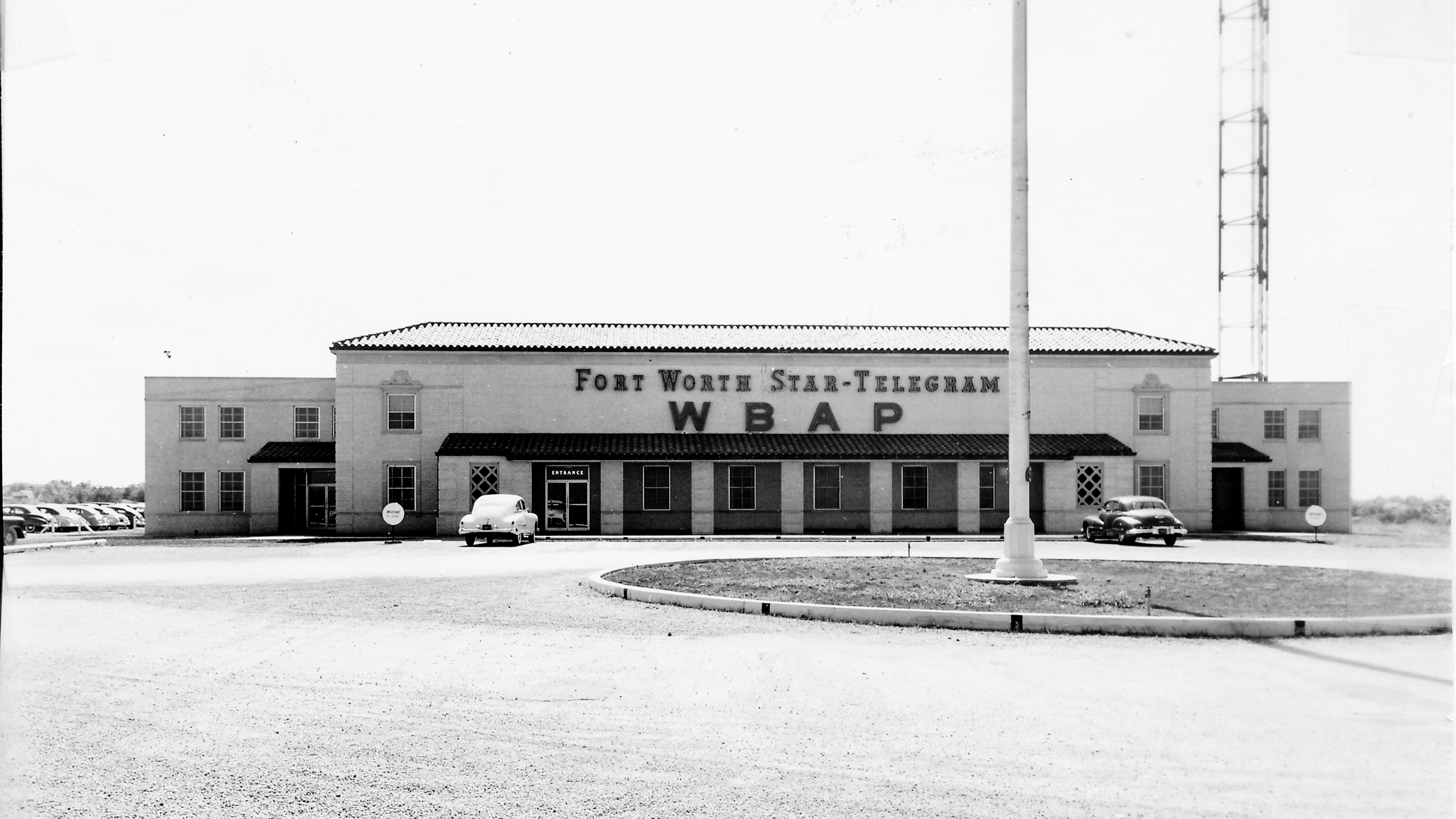
At the center of this story is Amon G. Carter Sr.—a powerful newspaper publisher, businessman, and one of the city’s most influential boosters.
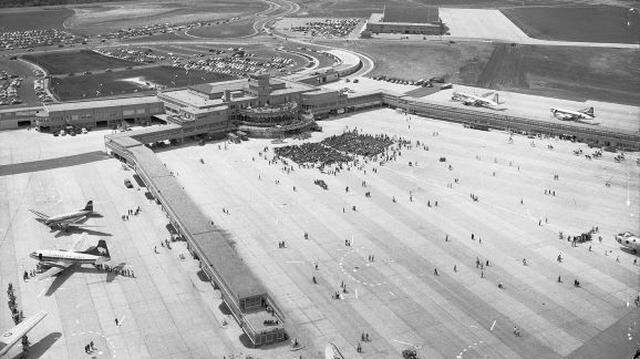
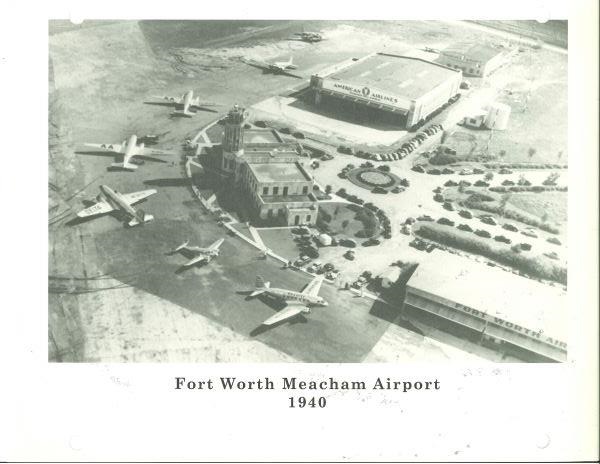
When Fort Worth developed what became Greater Southwest International Airport (originally called Amon Carter Field), the city made a bold move:
👉 It annexed a narrow strip of land stretching eastward from Fort Worth all the way to the airport site.
This ensured the airport was officially within Fort Worth’s city limits—even though geographically, it sat closer to Arlington.
Why Go to Such Lengths?
1. Keep the Airport “In Fort Worth”
Airports were (and still are) economic powerhouses. By extending its boundaries, Fort Worth could:
Collect tax revenue from airport operations
Control surrounding development
Claim the airport as its own—politically and symbolically
Without annexation, the airport might have fallen under Arlington’s jurisdiction.
2. Rivalry With Dallas
No story in North Texas is complete without mentioning Dallas.
At the time, Dallas already had Dallas Love Field, which was closer to downtown and quickly became more successful.
Amon Carter was famously anti-Dallas. His goal was clear:
👉 Fort Worth needed its own major airport, regardless of geography.
This “finger” of land helped guarantee that—even if the airport physically sat nearer to Arlington.
3. A Vision for a Regional Airport
Interestingly, the airport’s location wasn’t random. It sat roughly between Fort Worth and Dallas—hinting at a bigger ambition:
Fort Worth hoped Dallas would eventually share the airport
The site was ideal for serving the entire region
It was an early attempt at what we’d now call a “regional hub”
But Dallas resisted the idea for years, preferring to invest in its own airport instead.
What Happened Next
The plan didn’t unfold as Fort Worth hoped.
Most travelers continued using Love Field
Greater Southwest International Airport struggled to compete
Passenger traffic remained relatively low
By the 1960s, the federal government stepped in and pushed both cities toward cooperation.
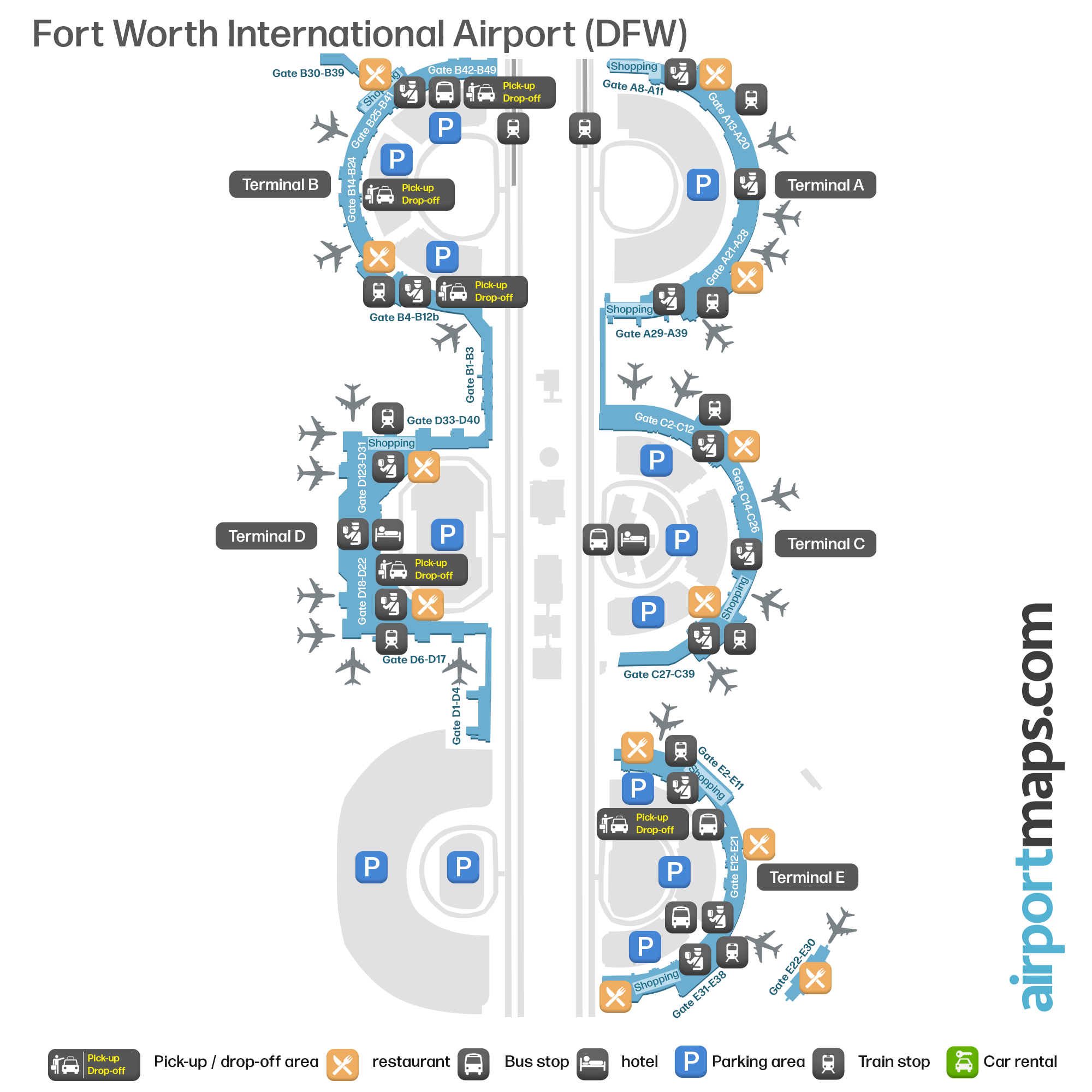
This ultimately led to the creation of Dallas/Fort Worth International Airport—built north of the original site.
When it opened in 1974:
The old airport closed
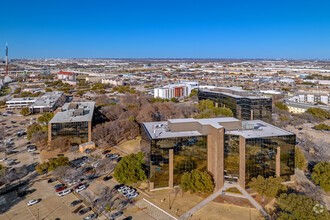
The land was redeveloped into what we now know as CentrePort
The region finally had a unified aviation hub
The Legacy Today
That narrow Fort Worth corridor still exists today.
✔️ It’s a real extension of Fort Worth into Arlington/Mid-Cities ✔️ It was intentionally created to control the airport ✔️ It reflects a time of intense regional rivalry and ambition
And while the airport it was built for is long gone, the “finger of land” remains—a quiet but powerful reminder of how geography can be shaped by politics, economics, and vision.
Bottom Line
The unusual Fort Worth boundary isn’t a mistake—it’s a strategic move from the 1940s–50s.
Driven by leaders like Amon G. Carter Sr., it was part of a larger effort to:
Compete with Dallas
Control a major economic asset
Position Fort Worth at the center of regional growth
In the end, the airport didn’t survive—but the geography it created did.
Amon Gary Carter, Jr. (1919–1982) was a distinguished publisher, civic leader, and philanthropist whose life reflected a deep commitment to the growth and cultural enrichment of Texas. Born on December 23, 1919, in Fort Worth, he was the son of Nenetta Burton Carter and the influential publisher Amon G. Carter Sr..
From an early age, Carter demonstrated a strong work ethic. As a boy, he sold newspapers on downtown street corners, later taking on various roles at the Fort Worth Star-Telegram, including copy boy, staff photographer, and advertising salesman. These formative experiences laid the foundation for his future leadership in publishing.
Education and Wartime Service
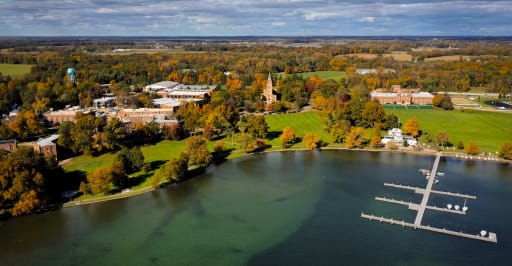
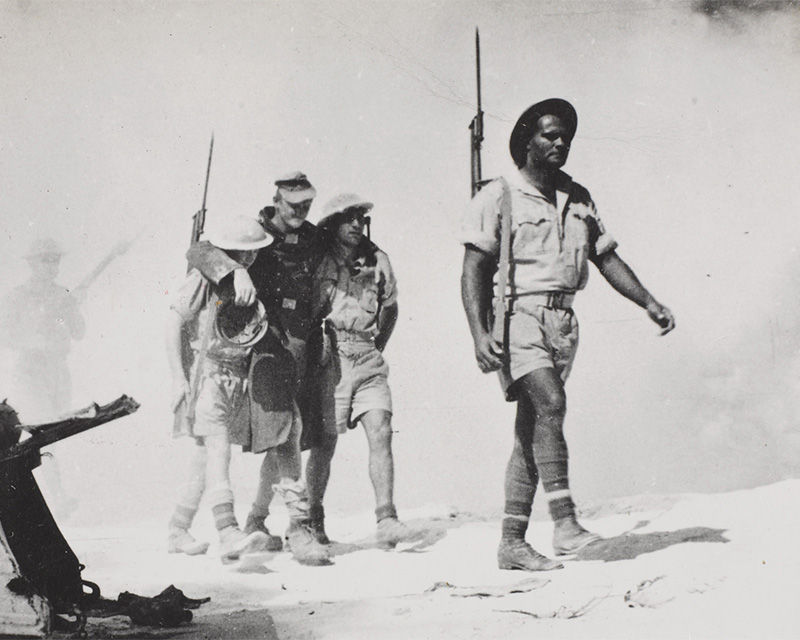
Carter graduated from Culver Military Academy in 1938 before serving in the U.S. Army during World War II. His service took a dramatic turn in 1943 when he was captured by German forces in North Africa.
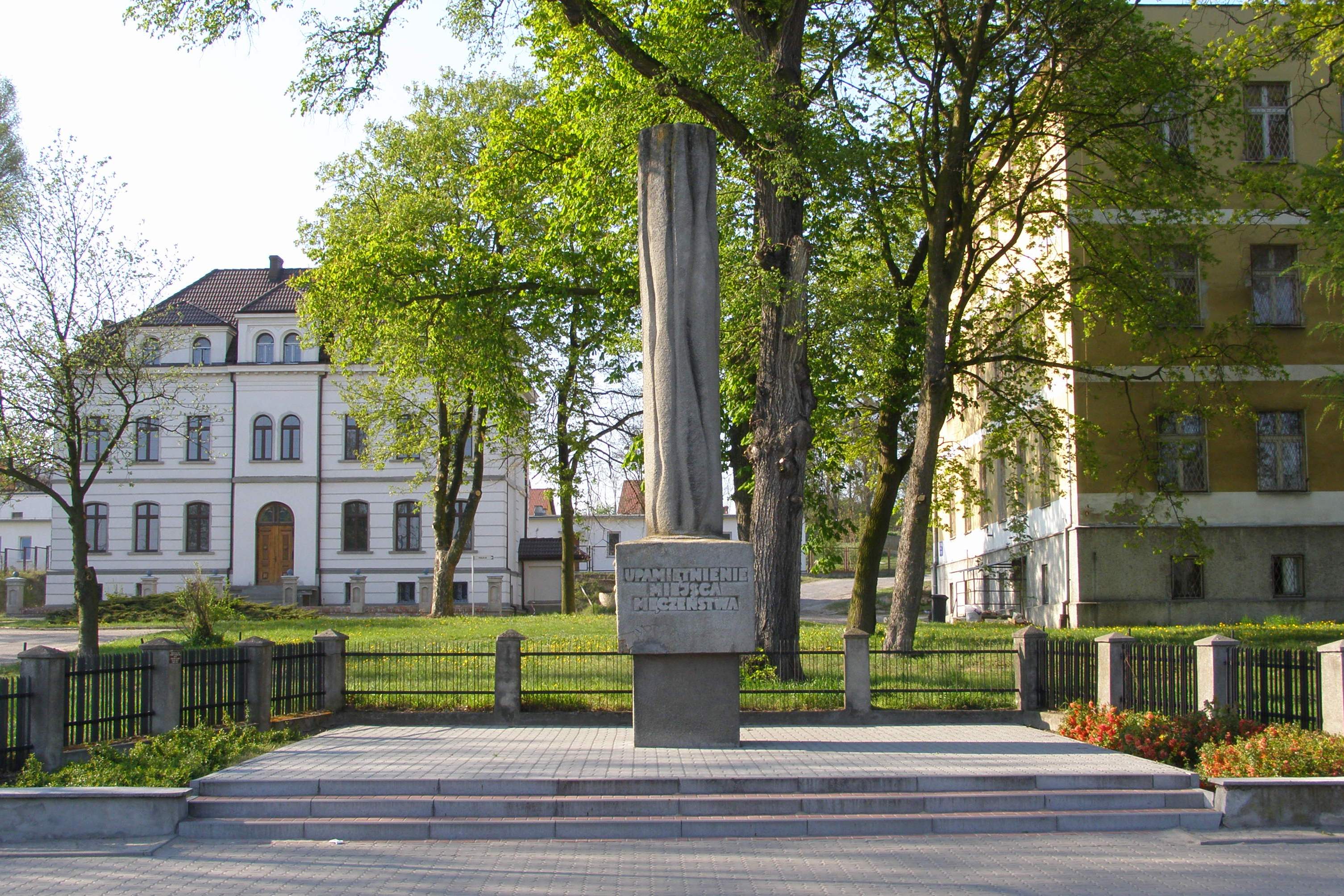
Held as a prisoner of war near Szubin, Poland, Carter spent twenty-seven months in captivity. Despite the harsh conditions, he demonstrated resilience and ingenuity by publishing a clandestine camp newspaper and organizing an informal system to receive packages from home—efforts that boosted morale among fellow prisoners.
After the war, Carter attended the University of Texas, graduating in 1946.
Leadership in Publishing and Business
Following his graduation, Carter quickly rose through the ranks of the family business. He became treasurer of the Star-Telegram and, in 1952, president of Carter Publications. By 1955, he succeeded his father as publisher, a role he held for the rest of his life.
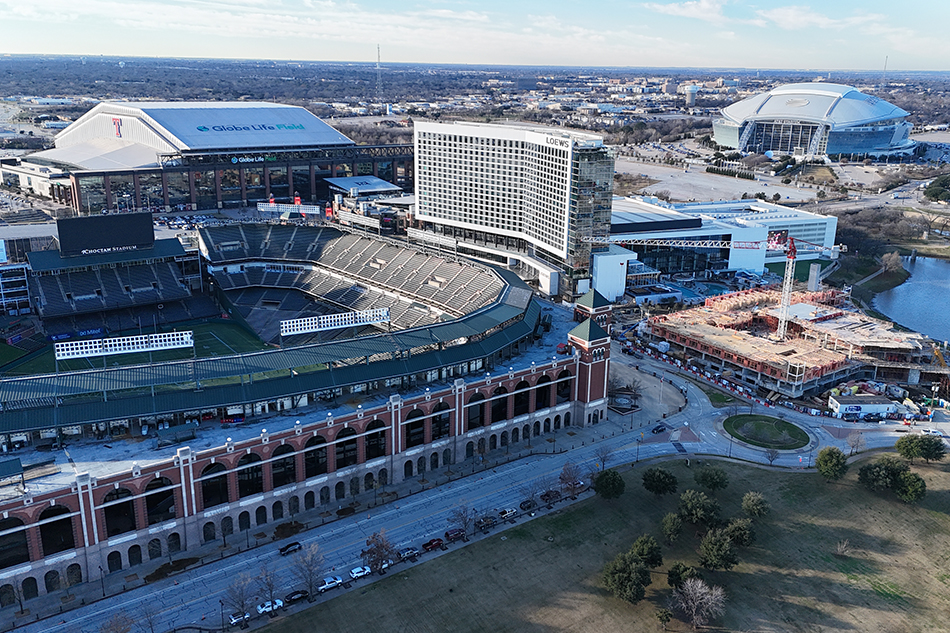
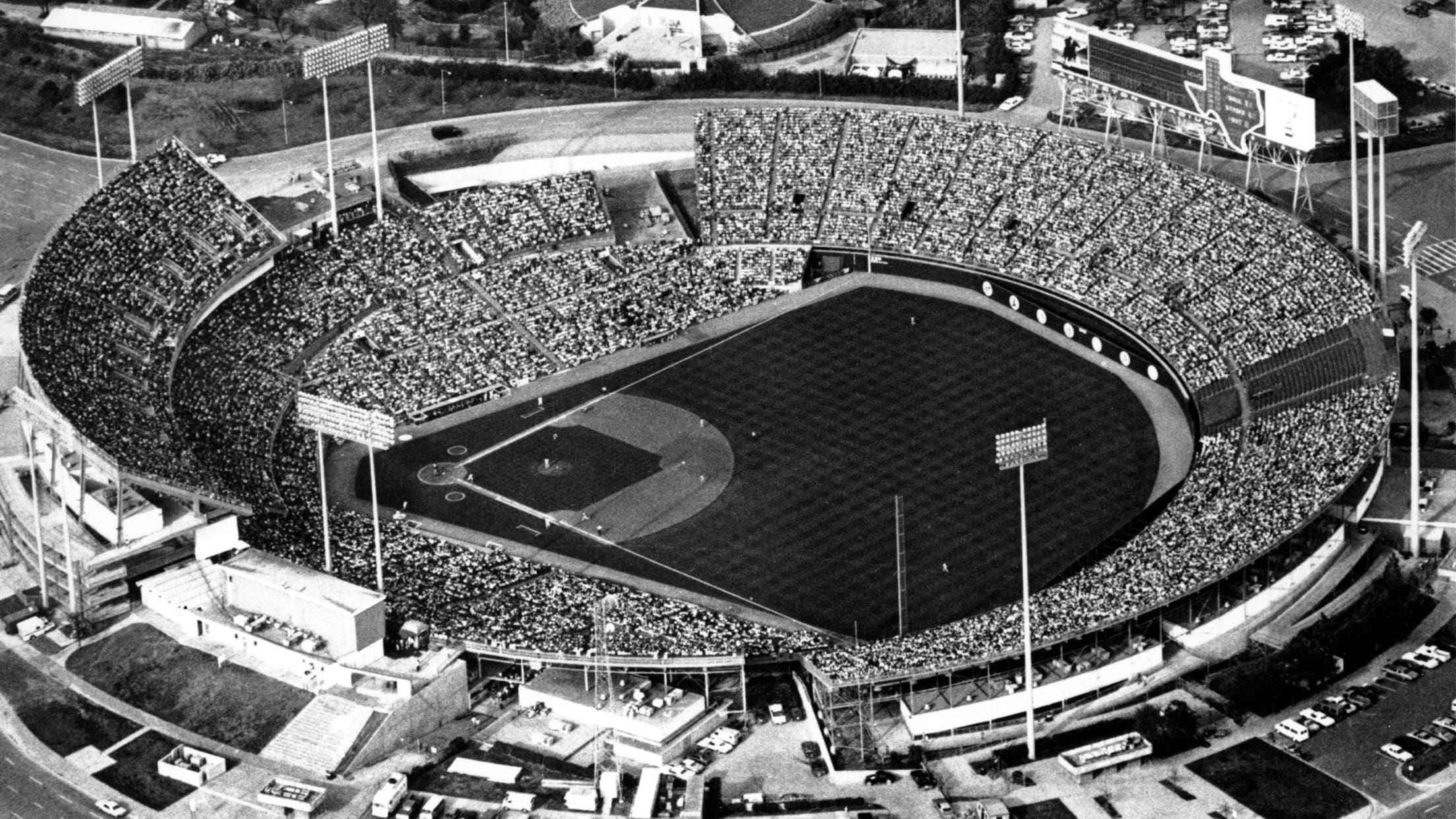
Carter’s influence extended beyond journalism. He played a pivotal role in relocating American Airlines from New York City to Fort Worth, strengthening the city’s economic foundation. As a major shareholder, he also helped bring the Texas Rangers baseball franchise to the region, further elevating its national profile.
Civic Engagement and Philanthropy
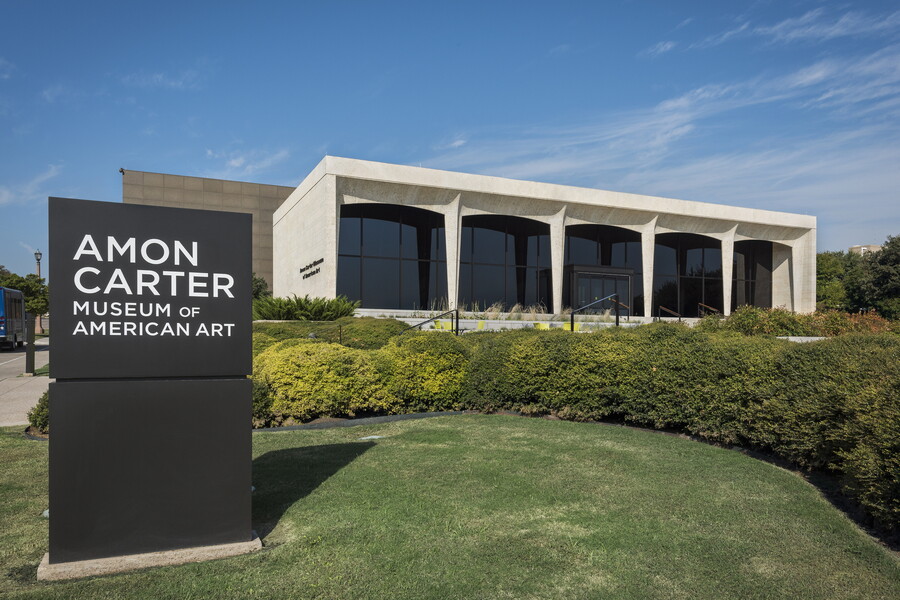
Carter’s civic involvement was extensive. He served on the boards of organizations such as the Texas Sports Hall of Fame Foundation, the Amon Carter Museum, the West Texas Chamber of Commerce, and Texas Christian University.
As president of the Amon G. Carter Foundation from 1955 until his death, he oversaw the distribution of more than $60 million to charitable, educational, and cultural initiatives. His leadership significantly shaped the cultural landscape of Texas.
A Passion for Collecting and Public Service
Beyond his business and civic roles, Carter was an avid collector. He assembled one of the largest coin collections in the United States and helped found the International Paper Money Society. His expertise earned him an appointment to the United States Assay Commission.
He received numerous honors, including the B’nai B’rith Gold Medallion and the Boy Scouts’ Silver Beaver Award, recognizing his contributions to community service and leadership.
Personal Life and Lasting Impact
Amon Gary Carter, Jr. was a member of the First United Methodist Church and maintained an independent political stance, supporting leaders across party lines. He and his wife, George Ann Brown Carter, raised three children—one daughter and two sons.
He passed away on July 24, 1982, in Dallas, Texas, from a heart attack. His legacy endures through the institutions he strengthened, the community he helped shape, and the philanthropic vision he carried forward.
A Continuing Legacy
Carter’s life exemplifies how leadership, resilience, and generosity can leave a lasting imprint on a community. From a newspaper boy in Fort Worth to a transformative civic figure, his story remains a powerful testament to dedication and service.
Featured Promotion
5 Years a Cavalryman – A Family Legacy Reimagined Descendant DuAnne Redus revives and responds to a Texas frontier classic. Get your copy today!
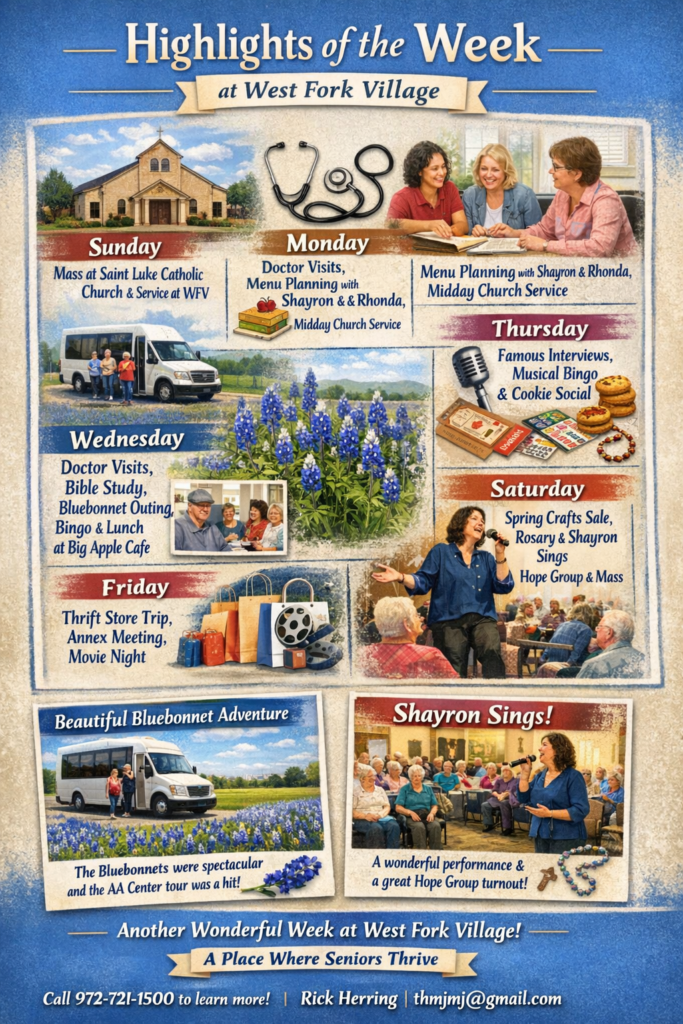
Sunday – I attended 11 AM Mass at Saint Lukes Catholic Church in Irving, Texas. There was a Church Service at WFV and Open Game Table.
Monday – There was a Church Service at 1 PM.
Tuesday -Errands at 9 AM and 1 PM .
Wednesday -Doctor’s Appointments all day. A 6:30 PM Church Service.
Thursday – Ken Myers ( the story teller) who plays the guitar, sings, and tells the history of every song he preforms, followed by a cookie social.
Friday – Movie night.
Saturday – The End of the Week Quiz and the Rosary in the Chapel.
This was a great week to work on personal projects as our Activity Manager was on vacation. Still it was a great week with great food and fellowship at West Fork Village in Irving, Texas. A Place Where Seniors Thrive.
To learn more about WFV, for yourself or a loved one, call 972-721-1500.
Thank you for reading this blog. Please share with others.