


West Texas is known for its wide open skies, rugged mountains, desert landscapes, and unique wildlife. But these landscapes are more than just beautiful—they are also fragile ecosystems that require careful protection.
In the video “Making of a Million – Daytripping with The Nature Conservancy in Texas,” viewers travel across West Texas to explore how conservationists, landowners, and communities are working together to protect natural spaces. The effort celebrates the milestone of protecting over one million acres of land across Texas.
A Mission to Protect Texas Landscapes
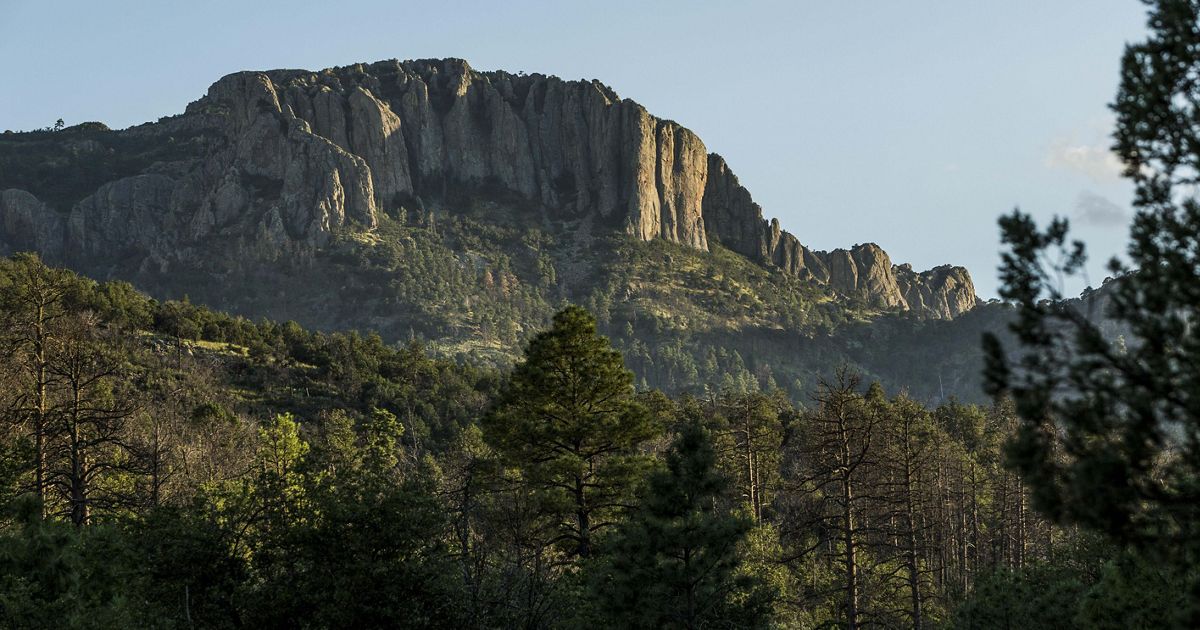

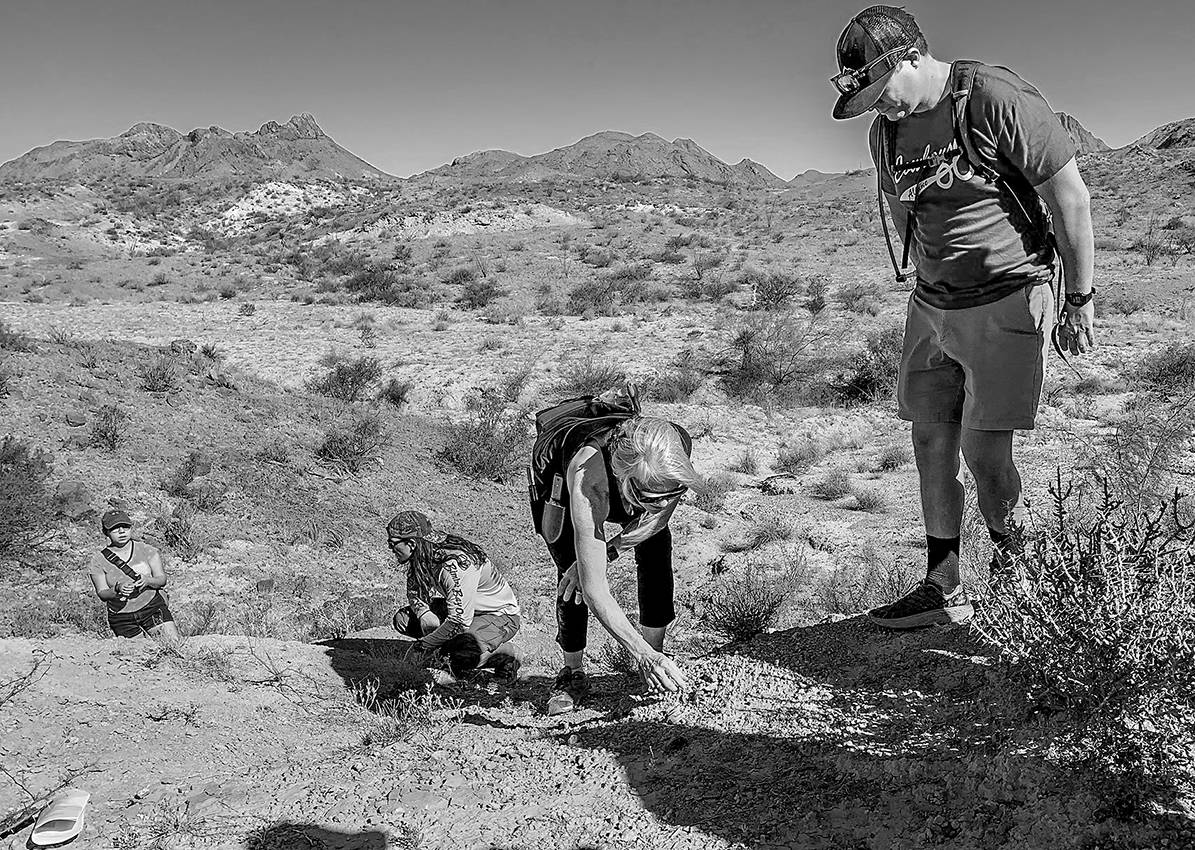
Organizations like The Nature Conservancy work with local landowners and communities to protect natural habitats across Texas.
Their mission includes:
- Preserving wildlife habitats
- Protecting rivers, grasslands, and deserts
- Maintaining healthy ecosystems for future generations
- Supporting sustainable land management
Reaching the milestone of one million acres protected represents years of collaboration between conservation groups and private landowners.
Why West Texas Is So Important


West Texas contains some of the most diverse and dramatic landscapes in the state. This region includes desert ecosystems, mountain ranges, and grasslands that support many species of plants and animals.
Key features of West Texas ecosystems include:
- The Chihuahuan Desert – one of the most biologically diverse deserts in the world
- Mountain habitats that support unique wildlife species
- Grasslands and prairies that provide migration corridors for animals
- Clear night skies and remote wilderness
Protecting these ecosystems helps maintain biodiversity and ensures that future generations can experience the natural beauty of the region.
Partnerships with Local Landowners

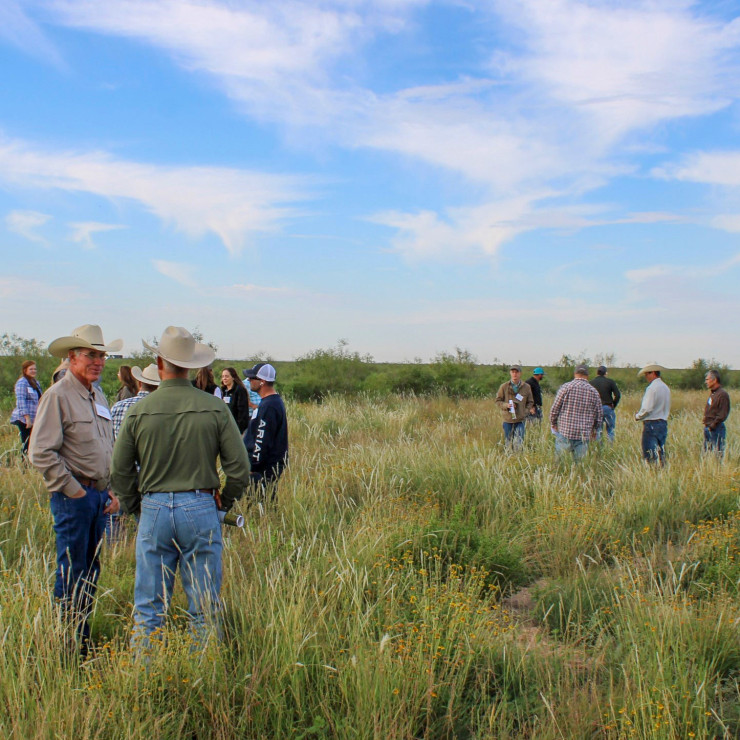
A major part of conservation in Texas involves partnerships with private landowners and ranchers.
Because most land in Texas is privately owned, conservation organizations often work directly with landowners to develop solutions that benefit both nature and agriculture.
Examples of collaborative efforts include:
- Conservation easements
- Sustainable ranching practices
- Habitat restoration projects
- Water resource protection
These partnerships allow working ranches and wildlife habitats to coexist successfully.
The Future of Conservation in Texas
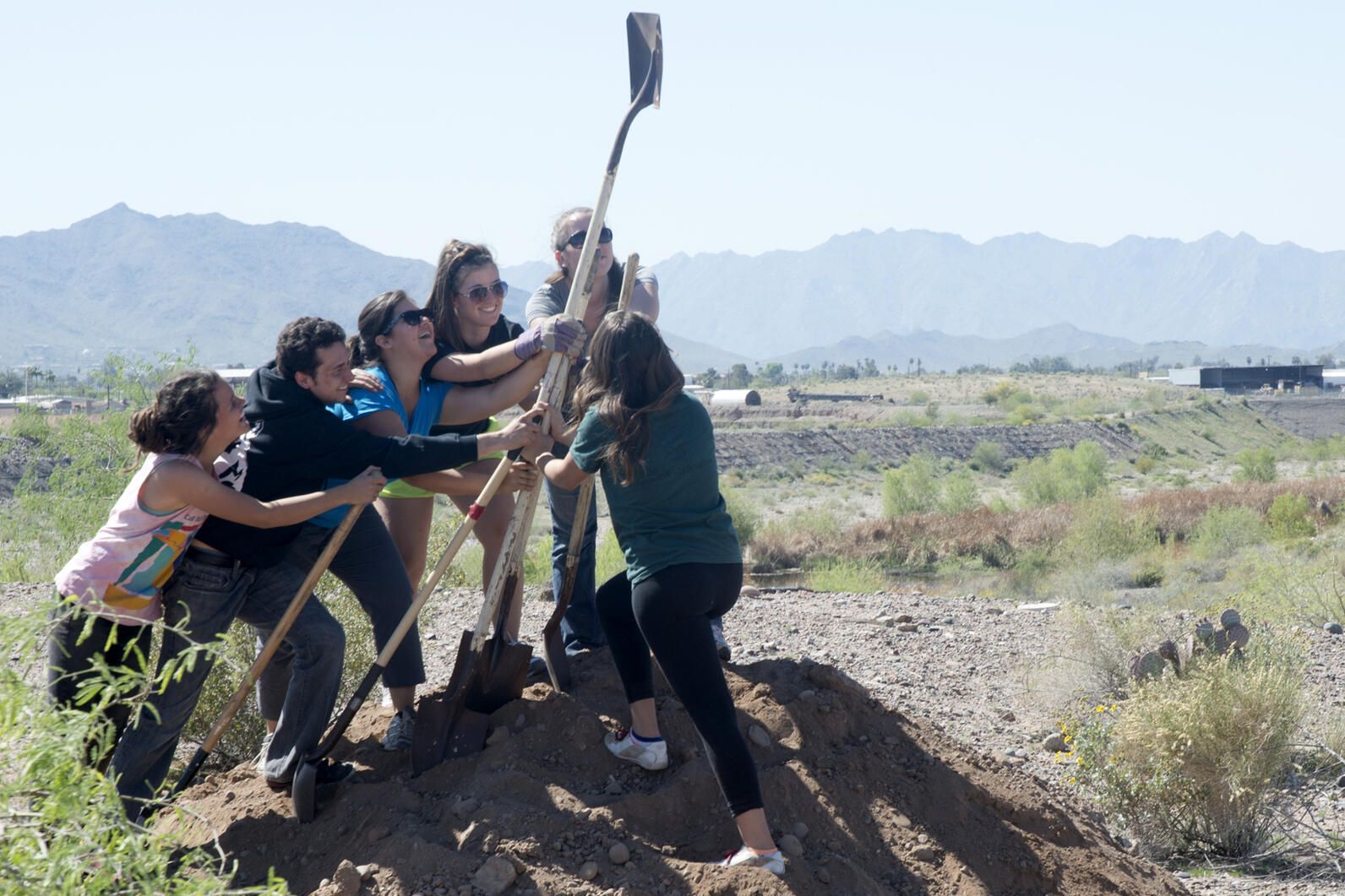

Protecting one million acres is a significant milestone, but conservation work continues. Scientists and environmental groups are focused on:
- Restoring damaged ecosystems
- Protecting endangered species
- Addressing climate challenges
- Expanding conservation areas across the state
The goal is to ensure that Texas’ natural heritage—especially in regions like West Texas—remains intact for generations to come.
Conclusion
West Texas represents some of the most breathtaking and ecologically important landscapes in the United States. Through collaboration between conservation organizations, scientists, and landowners, more than one million acres of Texas land have been preserved.
These efforts highlight the importance of protecting natural environments while supporting the communities that live and work on the land.
The story of conservation in West Texas is not just about protecting land—it is about preserving a legacy of nature, wildlife, and open spaces for the future.
Click here to access a free vacation for seven nights in your choose of 3500 + locations. One might be West Texas.
Rick Herring
thmjmj@gmail.com