Blog

  • The Saint of the Day

    Saint Katharine Drexel
    March 3
    Franciscan Media
    Saint of the Day
    Stained glass rendering of Saint Katharine Drexel
    Image: Saint Stephen, Martyr Roman Catholic Church, Chesapeake, Virginia | Stained glass of Saint Katharine Drexel | photo by Nheyob
    Saint of the Day for March 3
    (November 26, 1858 – March 3, 1955)


    Saint Katharine Drexel’s Story


    If your father is an international banker and you ride in a private railroad car, you are not likely to be drawn into a life of voluntary poverty. But if your mother opens your home to the poor three days each week and your father spends half an hour each evening in prayer, it is not impossible that you will devote your life to the poor and give away millions of dollars. Katharine Drexel did that.

    Born in Philadelphia in 1858, she had an excellent education and traveled widely. As a rich girl, Katharine also had a grand debut into society. But when she nursed her stepmother through a three-year terminal illness, she saw that all the Drexel money could not buy safety from pain or death, and her life took a profound turn.

    Saint Katharine Drexel had always been interested in the plight of the Indians, having been appalled by what she read in Helen Hunt Jackson’s A Century of Dishonor. While on a European tour, she met Pope Leo XIII and asked him to send more missionaries to Wyoming for her friend Bishop James O’Connor. The pope replied, “Why don’t you become a missionary?” His answer shocked her into considering new possibilities.

    Back home, Katharine visited the Dakotas, met the Sioux leader Red Cloud and began her systematic aid to Indian missions.

    Saint Katharine Drexel could easily have married. But after much discussion with Bishop O’Connor, she wrote in 1889, “The feast of Saint Joseph brought me the grace to give the remainder of my life to the Indians and the Colored.” Newspaper headlines screamed “Gives Up Seven Million!”

    After three and a half years of training, Mother Drexel and her first band of nuns—Sisters of the Blessed Sacrament for Indians and Colored—opened a boarding school in Santa Fe. A string of foundations followed. By 1942, she had a system of black Catholic schools in 13 states, plus 40 mission centers and 23 rural schools. Segregationists harassed her work, even burning a school in Pennsylvania. In all, she established 50 missions for Indians in 16 states.

    Two saints met when Saint Katharine Drexel was advised by Mother Cabrini about the “politics” of getting her order’s Rule approved in Rome. Her crowning achievement was the founding of Xavier University in New Orleans, the first Catholic university in the United States for African Americans.

    At 77, Mother Drexel suffered a heart attack and was forced to retire. Apparently her life was over. But now came almost 20 years of quiet, intense prayer from a small room overlooking the sanctuary. Small notebooks and slips of paper record her various prayers, ceaseless aspirations, and meditations. She died at 96 and was canonized in 2000.

    Reflection


    Saints have always said the same thing: Pray, be humble, accept the cross, love and forgive. But it is good to hear these things in the American idiom from one who, for instance, had her ears pierced as a teenager, who resolved to have “no cake, no preserves,” who wore a watch, was interviewed by the press, traveled by train, and could concern herself with the proper size of pipe for a new mission.

    These are obvious reminders that holiness can be lived in today’s culture as well as in that of Jerusalem or Rome. Saint Katharine Drexel reminds us that holiness can take many paths, but all of them lead to God. Saint Katharine Drexel: Pray for us!

    Click here for more on Saint Katharine Drexel!

    Rick Herring
    thmjmj@gmail.com

  • Saint John Paul II National Shrine in Washington, D.C.

    https://upload.wikimedia.org/wikipedia/commons/9/96/Exterior_of_the_Saint_John_Paul_II_National_Shrine_in_Washington%2C_DC.jpg
    https://res.cloudinary.com/ewtn/image/upload/c_limit%2Cw_3840/f_auto/q_80/v1/images/21769449524-15ee81ce73-o?_a=BAVMn6E70
    https://sdcason.com/content/images/size/w1200/2021/09/20190625_133110-1.jpeg

    4

    Introduction

    The Saint John Paul II National Shrine is a Catholic place of prayer, pilgrimage, and education dedicated to the life and teachings of Pope John Paul II. Located in the Brookland neighborhood of Washington, D.C., the shrine welcomes visitors of all faiths and backgrounds who wish to learn about one of the most influential religious leaders of the twentieth century.

    Beyond being a memorial, the shrine serves as a vibrant center for spiritual formation and cultural exploration. Through liturgies, exhibits, and prayer spaces, it encourages visitors to reflect on the message of faith, hope, and human dignity that characterized the life of Saint John Paul II.


    Location and Setting

    The shrine stands at 3900 Harewood Road NE in Washington, D.C., near two prominent Catholic institutions: The Catholic University of America and the Basilica of the National Shrine of the Immaculate Conception. The complex covers about 130,000 square feet and sits on a twelve-acre site, making it a major religious landmark in the capital city.

    Because of its proximity to these institutions, the shrine forms part of an important Catholic spiritual and educational district in Washington, attracting pilgrims, students, and tourists alike.


    Historical Development

    The building that houses the shrine originally opened in 2001 as the Pope John Paul II Cultural Center. The center was envisioned as a place where people could explore questions of faith, culture, and interreligious dialogue.

    However, the cultural center struggled financially and eventually closed in 2009. In 2011, the Catholic fraternal organization Knights of Columbus purchased the facility and began transforming it into a shrine dedicated to the then Blessed John Paul II.

    After extensive renovations and the development of new exhibits and chapels, the site was officially designated a national shrine by the U.S. Conference of Catholic Bishops on April 14, 2014—the same year Pope Francis canonized John Paul II as a saint.


    Architecture and Sacred Spaces

    The shrine contains several notable religious spaces designed for prayer and worship. One of the central areas is the Redemptor Hominis Church, where daily Mass is celebrated and visitors gather for liturgical services. Another important space is the Luminous Mysteries Chapel, which houses a first-class relic of Saint John Paul II—a vial of his blood—allowing pilgrims to venerate the saint.

    Both chapels are decorated with elaborate mosaics and sacred art that highlight key themes of Catholic theology and the spiritual legacy of John Paul II.


    Museum and Educational Exhibits

    A major attraction of the shrine is the permanent exhibition titled “A Gift of Love: The Life of Saint John Paul II.” This multimedia exhibit spans several galleries and traces the life of the Polish pope from his childhood in Nazi-occupied Poland to his historic papacy from 1978 to 2005.

    Through photographs, artifacts, videos, and interactive displays, visitors learn about his experiences under totalitarian regimes, his leadership of the global Catholic Church, and his influence on world events. The exhibit also explores themes that defined his ministry, including human dignity, freedom, and the call to faith.


    Spiritual and Cultural Significance

    The shrine serves as a place of pilgrimage where believers can encounter the teachings of Saint John Paul II through prayer, reflection, and education. It hosts Mass, retreats, cultural programs, and special religious celebrations throughout the year.

    More broadly, the shrine symbolizes the enduring impact of John Paul II’s message to “be not afraid” and to defend the dignity of every human person. His leadership during the late twentieth century—particularly his advocacy for human rights and religious freedom—continues to inspire people around the world.


    Conclusion

    The Saint John Paul II National Shrine stands as both a memorial and a living center of faith in the United States. By combining worship spaces, educational exhibits, and cultural programs, it invites visitors to explore the remarkable life and legacy of one of the most influential popes in modern history.

    For pilgrims, scholars, and tourists alike, the shrine offers a meaningful opportunity to reflect on faith, history, and the enduring influence of Saint John Paul II.

    Click Here for a free vacation certificate for a 7 night resort to one of 3500 locacations. One just might be Washington DC.

    Rick Herring
    thmjmj@thmjmj8875

    ,P.S. Please leave a commit.

    Saint John Paul II life and teachingsSaint John Paul II life and teachings

  • Roasted Sweet Potatoes and Onions

    🥔 Roasted Sweet Potatoes and Onions – A Simple, Flavor-Packed Side Dish

    If you’re looking for an easy, nutritious, and delicious side dish, roasted sweet potatoes and onions are the perfect choice. This classic oven-roasted combination delivers crispy edges, soft centers, and rich caramelized flavor with minimal effort.

    Whether you’re preparing a cozy family dinner or a holiday feast, this simple sheet pan vegetable recipe pairs beautifully with almost any main course.

    🌿 Why You’ll Love This Recipe

    ✅ Naturally sweet and savory flavor

    ✅ Easy one-pan preparation

    ✅ Budget-friendly ingredients

    ✅ Healthy and nutrient-dense

    ✅ Perfect for meal prep

    Sweet potatoes are rich in fiber, vitamin A, and antioxidants, while onions add natural sweetness and depth once caramelized in the oven.

    🛒 Ingredients

    3 medium sweet potatoes, peeled and cubed

    1 large red or yellow onion, sliced

    2 tablespoons olive oil

    1 teaspoon salt

    ½ teaspoon black pepper

    1 teaspoon garlic powder (optional)

    ½ teaspoon paprika (optional)

    Fresh herbs (thyme or rosemary, optional)

    🔥 How to Make Roasted Sweet Potatoes and Onions
    1️⃣ Prep the Vegetables

    Preheat your oven to 400°F (200°C).

    Peel and cube the sweet potatoes into evenly sized pieces.

    Slice the onion into wedges or strips.

    Toss everything in a large bowl with olive oil and seasonings.

    Roasted Sweet Potatoes and Onions

    Keywords: roasted sweet potatoes and onions, oven roasted sweet potatoes, healthy side dish, easy vegetable recipe, sheet pan vegetables, caramelized onions, weeknight dinner side


    🥔 Roasted Sweet Potatoes and Onions – A Simple, Flavor-Packed Side Dish

    https://images.openai.com/static-rsc-3/gcQd1WlgAOEb-lAfOZLT11OiWFndBW8hfIIXKWP00hxjEaofiUej8OpUIH3BqdVhV86xhBb_mPocxlZ28B7pkaZq1iwJ_RhhNspl7doWIhg?purpose=fullsize&v=1
    https://images.openai.com/static-rsc-3/x9gpED4zNvPxbxB8GvCqi6O_5SlW3weUONH8jpf4ubI98XDjdAF0Ch3snO5MGCSi9Y6pPDqakwhWX1gy-LQRCCJunLhaBMYCGsdTWav1Jag?purpose=fullsize&v=1
    https://images.squarespace-cdn.com/content/v1/61982409fec1f07710dbfad2/03914d51-acd2-4e09-a6ff-3b4d64929a54/IMG_0111.jpg

    If you’re looking for an easy, nutritious, and delicious side dish, roasted sweet potatoes and onions are the perfect choice. This classic oven-roasted combination delivers crispy edges, soft centers, and rich caramelized flavor with minimal effort.

    Whether you’re preparing a cozy family dinner or a holiday feast, this simple sheet pan vegetable recipe pairs beautifully with almost any main course.


    🌿 Why You’ll Love This Recipe

    • ✅ Naturally sweet and savory flavor
    • ✅ Easy one-pan preparation
    • ✅ Budget-friendly ingredients
    • ✅ Healthy and nutrient-dense
    • ✅ Perfect for meal prep

    Sweet potatoes are rich in fiber, vitamin A, and antioxidants, while onions add natural sweetness and depth once caramelized in the oven.


    🛒 Ingredients

    • 3 medium sweet potatoes, peeled and cubed
    • 1 large red or yellow onion, sliced
    • 2 tablespoons olive oil
    • 1 teaspoon salt
    • ½ teaspoon black pepper
    • 1 teaspoon garlic powder (optional)
    • ½ teaspoon paprika (optional)
    • Fresh herbs (thyme or rosemary, optional)

    🔥 How to Make Roasted Sweet Potatoes and Onions

    1️⃣ Prep the Vegetables

    https://images.openai.com/static-rsc-3/OPkP8FmW6toQDN-U6H4N6syh-Adp5rX-29oa15uVjTUTsDqIYngEkpagJmUWCX64nEKKwLWxq7CATl6B4PawuV2NzIAgfCNzvSTXQrCrAMA?purpose=fullsize&v=1
    https://images.openai.com/static-rsc-3/9e79tyctHa1PZbqQICN2DYFFuLdIfI8FLtogYFqqQ9cTUrFY8aBgHHCFLZNZxuPgR78GWA_qiYj_19hsJ1sncfKMDQth5vKi2zDiBtT8E6M?purpose=fullsize&v=1
    https://www.allrecipes.com/thmb/YEZkmloTh4zCNMprN2WxODg1aOY%3D/1500x0/filters%3Ano_upscale%28%29%3Amax_bytes%28150000%29%3Astrip_icc%28%29/AR-RM-9377-roasted-vegetables-ddmfs-3x4-3e3d96780e454d158612230868797112.jpg
    • Preheat your oven to 400°F (200°C).
    • Peel and cube the sweet potatoes into evenly sized pieces.
    • Slice the onion into wedges or strips.
    • Toss everything in a large bowl with olive oil and seasonings.

    2️⃣ Roast to Perfection

    https://www.allrecipes.com/thmb/q8gSwVdQiQPPnOhQZAG60SPoirk%3D/1500x0/filters%3Ano_upscale%28%29%3Amax_bytes%28150000%29%3Astrip_icc%28%29/7033267-roasted-sweet-potatoes-onions-Mackenzie-Schieck-4x3-1-219f56d843d943bf81a21cbb96e26aad.jpg
    https://images.openai.com/static-rsc-3/PWr7HXUaSrwiyrW_9k-sza8BIl2c7RNeTCoJip0k8gy6pXQtGjHmUY7PzCmO5HmPyamMXDTGEr8MP1FLXQpf63TOVV23ZnWJFTFWqPCX7r0?purpose=fullsize&v=1
    https://www.southernliving.com/thmb/FbvnCOe3GpAKAOIqzHtjpaQZZZw%3D/1500x0/filters%3Ano_upscale%28%29%3Amax_bytes%28150000%29%3Astrip_icc%28%29/How_To_Roast_Vegetables_006-5874b0ca4b6248e895bed744916b1ef1.jpg
    • Spread the vegetables in a single layer on a baking sheet.
    • Roast for 25–35 minutes, stirring halfway through.
    • Cook until the sweet potatoes are fork-tender and slightly crispy on the edges.

    🌟 Flavor Variations

    Want to change things up? Try these delicious twists:

    • 🍯 Sweet & Savory: Add a drizzle of honey or maple syrup.
    • 🌶️ Spicy Kick: Sprinkle chili flakes or cayenne pepper.
    • 🧄 Garlic Herb: Add fresh minced garlic and rosemary.
    • 🧀 Savory Finish: Top with crumbled feta or grated parmesan.

    🍽️ What to Serve With Roasted Sweet Potatoes and Onions

    This versatile side pairs well with:

    • Grilled chicken
    • Roast beef
    • Baked salmon
    • Quinoa bowls
    • Holiday turkey dinners

    It also works beautifully in meal prep containers for healthy lunches throughout the week.


    💡 Pro Tips for Perfect Roasting

    • Don’t overcrowd the pan — space ensures crispiness.
    • Use parchment paper for easy cleanup.
    • Cut vegetables evenly for uniform cooking.
    • Roast at high heat for caramelization.

    🥗 Storage & Reheating

    • Store leftovers in an airtight container for up to 4 days in the refrigerator.
    • Reheat in the oven at 375°F for 10 minutes to maintain crispiness.
    • Avoid microwaving if you want to keep the texture crisp.

    ❤️ Final Thoughts

    Roasted sweet potatoes and onions are proof that simple ingredients can create extraordinary flavor. This easy vegetable side dish is healthy, comforting, and endlessly customizable.

    Try it once, and it just might become a regular staple in your kitchen!

    Spread the vegetables in a single layer on a baking sheet.

    Roast for 25–35 minutes, stirring halfway through.

    Cook until the sweet potatoes are fork-tender and slightly crispy on the edges.

    🌟 Flavor Variations

    Want to change things up? Try these delicious twists:

    🍯 Sweet & Savory: Add a drizzle of honey or maple syrup.

    🌶️ Spicy Kick: Sprinkle chili flakes or cayenne pepper.

    🧄 Garlic Herb: Add fresh minced garlic and rosemary.

    🧀 Savory Finish: Top with crumbled feta or grated parmesan.

    🍽️ What to Serve With Roasted Sweet Potatoes and Onions

    This versatile side pairs well with:

    Grilled chicken

    Roast beef

    Baked salmon

    Quinoa bowls

    Holiday turkey dinners

    It also works beautifully in meal prep containers for healthy lunches throughout the week.

    💡 Pro Tips for Perfect Roasting

    Don’t overcrowd the pan — space ensures crispiness.

    Use parchment paper for easy cleanup.

    Cut vegetables evenly for uniform cooking.

    Roast at high heat for caramelization.

    🥗 Storage & Reheating

    Store leftovers in an airtight container for up to 4 days in the refrigerator.

    Reheat in the oven at 375°F for 10 minutes to maintain crispiness.

    Avoid microwaving if you want to keep the texture crisp.

    ❤️ Final Thoughts

    Roasted sweet potatoes and onions are proof that simple ingredients can create extraordinary flavor. This easy vegetable side dish is healthy, comforting, and endlessly customizable.

    Try it once, and it just might become a regular staple in your kitchen!

    Click Here to save on groceries.

    Rick Herring
    thmjmj@thmjmj8875

    P.S. Please leave a comment.

  • Route 66: The Mother Road That Connects Generations

    From the bright lights of Chicago to the Pacific waves at Santa Monica Pier, Route 66 has long symbolized freedom, faith, resilience, and the open road. Established in 1926, this 2,400-mile highway stitched together small towns and big dreams across eight states—becoming known as America’s “Mother Road.”

    For young adventurers, retirees rediscovering travel, families on a budget, and spiritual seekers alike, Route 66 still offers something meaningful today.

    The Birth of Route 66 (1926)

    Route 66 was officially commissioned in 1926 as part of America’s new numbered highway system. It connected the Midwest to the West Coast, crossing:

    Illinois
    Missouri
    Kansas
    Oklahoma
    Texas
    New Mexico
    Arizona
    California

    Unlike modern interstates, Route 66 passed directly through town centers. That meant local diners, gas stations, motor courts, and churches flourished along its path.

    For many communities, Route 66 wasn’t just a road—it was their lifeline.

    The Road of Hope: The 1930s Migration

    During the Dust Bowl and Great Depression, struggling families traveled west searching for work and a new beginning. Route 66 became a corridor of survival.

    John Steinbeck famously called it the “Mother Road,” capturing how it carried both hardship and hope. It became a symbol of perseverance—something that still resonates with travelers facing life transitions today.

    The Golden Age of Roadside America (1940s–1960s)

    Post-World War II prosperity fueled the great American road trip. Families piled into cars and headed west. Along Route 66, entrepreneurs created eye-catching attractions to stand out:

    Neon-lit motels

    Themed lodging like the Wigwam Motel

    Classic diners with jukeboxes

    Quirky roadside art like Cadillac Ranch

    It was affordable travel before “budget travel” became a trend. You didn’t need luxury—just a full tank and a sense of adventure.

    The Interstate Era & Decommissioning (1985)

    By the 1950s, faster interstate highways began bypassing the small towns that depended on Route 66. Traffic declined. Businesses closed.

    In 1985, Route 66 was officially removed from the U.S. Highway System.

    But the story didn’t end there.

    Route 66 Today: A Living Legacy

    Although no longer an official highway, large portions still exist as “Historic Route 66.” Preservation groups, local communities, and travelers have brought the road back to life.

    Today you’ll find:

    Restored neon signs

    Mom-and-pop diners serving affordable comfort food

    Scenic desert drives perfect for photography

    Small museums preserving local history

    Churches and spiritual retreat spaces along the route

    With Route 66’s 100th anniversary approaching in 2026, renewed attention is bringing fresh energy and tourism to the communities it once sustained.

    Why Route 66 Still Matters for Every Generation
    👨‍👩‍👧 Families on a Budget

    You can build an affordable road trip itinerary filled with free attractions, scenic views, and small-town hospitality.

    👵 Retirees & Independent Living Travelers

    Route 66 offers manageable driving segments, nostalgic stops, and welcoming communities—ideal for relaxed exploration.

    🙏 Spiritual & Reflective Travelers

    There’s something deeply contemplative about long desert highways, historic chapels, and sunrise stretches of open road. Many travelers describe Route 66 as less about destination and more about personal journey.

    📸 Young Adventurers & Creators

    Vintage aesthetics, classic signage, murals, and retro diners make Route 66 a dream backdrop for photography and storytelling.

    Planning a Modern Route 66 Road Trip

    Because the original road splits and overlaps with modern highways, planning takes intention. But that’s part of the charm.

    Tips for budget-friendly travel:

    Travel in shoulder seasons (spring/fall)

    Mix camping with classic motels

    Eat at local diners rather than chains

    Visit free roadside attractions

    Explore short segments if you can’t drive the full route

    You don’t have to drive all 2,400 miles to experience its spirit.

    Route 66: More Than a Highway

    Route 66 represents:

    Renewal

    Resilience

    Simplicity

    Community

    Faith in forward movement

    It connects generations—those who remember it in its heyday and those discovering it for the first time.

    Whether you’re sharing budget recipes at home, planning a scenic getaway, exploring historic churches, or reflecting on life’s journey, Route 66 reminds us:

    Sometimes the long road is the meaningful one.

    Click Here to receive a travel certificate for 7 nights in your choose of 3500 locations.

    Rick Herring
    thmjmj@thmjmj8875

    P.S. Please leave a commit.

  • The Highlights of the Week 2/22/26

    Sunday -I attended Mass at Saint Luke Catholic Church. There was a
    Church Service here at WFV.

    Monday – Doctor’s Appointments all-day. Midday Church Service.

    Tuesday – Errands at 9 AM and 1 Pm. Argentina Bakery outing. The WFV Dance was very well attended.

    Wednesday – Doctor’s Appoints all day. Bible Study. Lunch outing to Papacitoes. Bingo and an evening Church Service.

    Thursday- Black History featured black inventories. Drum Class. Wine and Cheese Social. Thrift Store Outing.

    Friday – Early Voting. Annex Meeting with our Directory Shayron. Movie Night.

    Saturday – End of the Week Quiz. The Rosary in the Chapel. The hope Group Meeting.

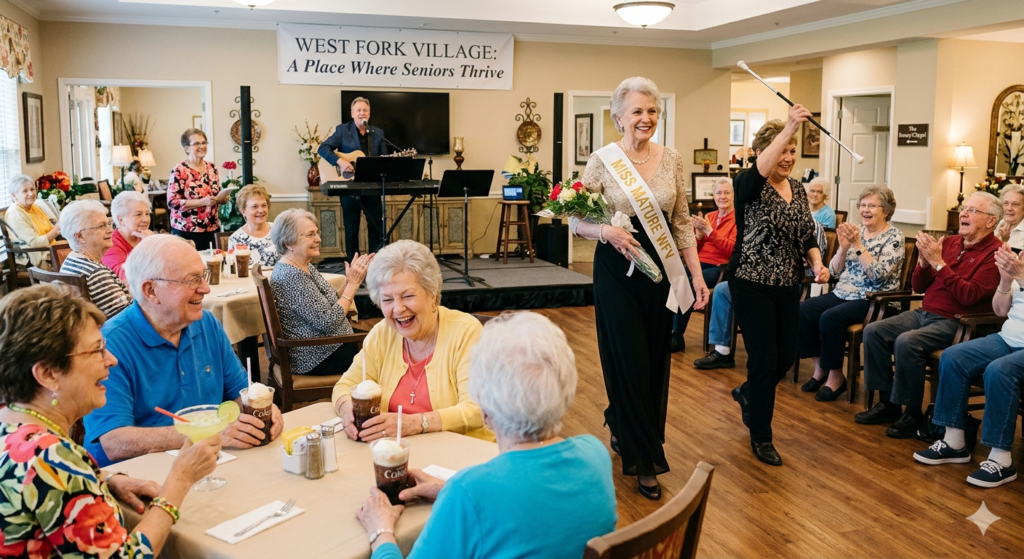
    As you can see another great week at West Fork Village. A Place Where Seniors Thrive.

    To learn more about WFV in Irving, Texas, for you or a loved one, call 972-721-1500. /The March Dance will be on March 17th from 6 to 8 PM. I hope to see you there.

    Please leave a commit.

    Rick Herring
    thmjmj@gmail.com

  • The Transfiguration of Jesus: A Glimpse of Divine Glory

    As Catholics this was the reading we heard today. The second Sunday of Lent.


    Introduction

    The Transfiguration of Jesus is one of the most profound and mysterious moments recorded in the Gospels. It is a radiant event where heaven briefly touches earth, and Jesus’ divine glory is revealed before three of His closest disciples. This powerful episode not only confirms Jesus’ identity as the Son of God but also strengthens the faith of believers across generations.

    For readers seeking a deeper understanding of Christian theology, biblical events, and the divinity of Christ, the Transfiguration stands as a cornerstone revelation.

    What Is the Transfiguration of Jesus?

    The Transfiguration refers to the moment when Jesus was supernaturally transformed in appearance before Peter, James, and John on a high mountain. This event is recorded in:

    Gospel of Matthew 17:1–9

    Gospel of Mark 9:2–8

    Gospel of Luke 9:28–36

    During this extraordinary moment:

    Jesus’ face shone like the sun.

    His clothes became dazzling white.

    Moses and Elijah appeared, speaking with Him.

    A bright cloud overshadowed them.

    God’s voice declared: “This is my beloved Son, in whom I am well pleased. Listen to Him.”

    This was not merely a vision—it was a divine revelation of Christ’s heavenly glory.

    The Setting: A Mountain of Revelation

    Though the Bible does not explicitly name the mountain, Christian tradition often associates the Transfiguration with Mount Tabor. Some scholars suggest Mount Hermon as a possible location due to geographical context.

    Mountaintops in Scripture are places of divine encounter:

    Moses received the Law on Mount Sinai.

    Elijah encountered God on Mount Horeb.

    Jesus often withdrew to mountains to pray.

    The mountain setting emphasizes spiritual elevation, revelation, and closeness to God.

    Why Did Moses and Elijah Appear?

    The appearance of Moses and Elijah is deeply symbolic.

    Moses represents the Law.

    Elijah represents the Prophets.

    Their presence shows that Jesus fulfills both the Law and the Prophets — the entire Old Testament testimony points to Him.

    In Christian belief, this moment confirms that Jesus is not merely a prophet, but the fulfillment of God’s redemptive plan.

    The Voice from Heaven: Divine Confirmation

    At the Transfiguration, God the Father audibly affirms Jesus’ identity. This echoes Jesus’ baptism, when God also declared Him as His beloved Son.

    The command “Listen to Him” shifts authority from the old covenant (Law and Prophets) to Christ Himself. This statement reinforces central Christian doctrine about Jesus’ divine authority.

    Theological Significance of the Transfiguration

    The Transfiguration holds deep spiritual meaning:

    1. Revelation of Christ’s Divinity

    The shining face and radiant garments reveal Jesus’ divine nature hidden within His humanity.

    1. Preparation for the Cross

    This event occurs shortly before Jesus predicts His suffering and death. The glory revealed strengthens the disciples for the coming trial of the crucifixion.

    1. Foreshadowing the Resurrection

    The radiant transformation anticipates Christ’s resurrection glory and the future glorification of believers.

    1. The Kingdom Revealed

    Some theologians interpret the Transfiguration as a preview of the coming Kingdom of God.

    The Feast of the Transfiguration

    Many Christian traditions commemorate this event annually. In the Roman Catholic, Eastern Orthodox, and Anglican Churches, the Feast of the Transfiguration is celebrated on August 6.

    The event is especially central in Eastern Orthodox spirituality, where it is linked to the concept of divine light and transformation through union with God.

    Spiritual Lessons for Believers Today

    The Transfiguration is not only a historical event — it carries practical spiritual application:

    Moments of glory prepare us for valleys of suffering.

    Prayer opens the door to divine revelation.

    Christ’s glory transforms those who follow Him.

    We are called to listen to Jesus above all other voices.

    Just as the disciples witnessed Christ’s glory before facing His crucifixion, believers today are strengthened by glimpses of God’s presence during challenging seasons.

    Conclusion

    The Transfiguration of Jesus remains a luminous moment in biblical history — a powerful unveiling of Christ’s divine glory. It bridges heaven and earth, Law and Gospel, suffering and glory.

    For Christians, it is a reminder that beyond the struggles of life lies divine transformation. The same Christ who shone on the mountain continues to reveal His light to those who seek Him.

    Please leave a commit.

    Rick Herring
    thmjmj@gmail.com

  • 🥔 Microwave Method (Quick & Easy)


    ⏱ Time: 8–12 minutes
    🥄 Texture: Soft & tender (not crispy)
    Instructions:

    Place cubed sweet potatoes and sliced onions in a microwave-safe dish.

    Toss with olive oil, salt, pepper, and seasonings.

    Cover with a microwave-safe lid or damp paper towel.

    Microwave on high for 5 minutes.

    Stir, then continue microwaving in 2–3 minute intervals until fork-tender.

    💡 Tip:

    If you want slight browning, transfer the cooked vegetables to a hot skillet for 3–5 minutes after microwaving.

    🥘 Crockpot (Slow Cooker) Method
    4
    ⏱ Time: 3–4 hours on High or 6–7 hours on Low
    🥄 Texture: Very tender & lightly caramelized
    Instructions:

    Add cubed sweet potatoes and sliced onions to the crockpot.

    Drizzle with olive oil and season well.

    Stir to coat evenly.

    Cover and cook:

    High: 3–4 hours

    Low: 6–7 hours

    Stir once halfway through if possible.

    💡 Tip:

    For deeper caramelization, remove the lid during the last 30 minutes to allow moisture to escape.

    🔥 Texture Comparison
    Method Crispiness Best For
    Oven ⭐⭐⭐⭐ Classic roasted texture
    Microwave ⭐ Fast weekday meals
    Crockpot ⭐⭐ Hands-off cooking
    🧄 Flavor Boost Suggestions

    Since microwave and crockpot methods don’t create strong caramelization, consider adding:

    A splash of balsamic vinegar

    A drizzle of maple syrup

    Fresh herbs after cooking

    A sprinkle of smoked paprika

    ✅ Final Verdict

    Yes, you can absolutely make roasted sweet potatoes and onions in a microwave or crockpot — just expect a softer texture instead of crispy edges.

    If crispiness is your priority, the oven is still the best method. But for convenience and time-saving, both alternatives work wonderfully!

    Click Here to save on groceries.

    Rick Herring
    thmjmj@thmjmj8875

    P.S. Please leave a commit and come back often for more Recipies and articles.

  • Our Lady of Guadalupe

    🌹 Our Lady of Guadalupe: A Message of Hope for the World

    https://images.openai.com/static-rsc-3/s8LIR0LurtrvNTVfz1wfgCoo99tCP-K5F9EvXEQ5GtowV6h_owWosttKk6HugM_Uyoqa531GaaPid27BGBD99HVETvYYCpULgrZILkfwg_U?purpose=fullsize&v=1
    https://images.openai.com/static-rsc-3/5-J1fZwqWKJPcimMRwDa33u734KkDNu3nLOvhO6bxVLWI2cf767k66TYaMw_HTAyWKtkfahp4SIGOuX2FbUTQFkt5uk4wiwd_Ob4pmB3w5c?purpose=fullsize&v=1
    https://www.magiscenter.com/hubfs/Blogs/MC/magis-tilma-cover-1750x875.jpeg

    Few Marian devotions have shaped the spiritual identity of an entire continent as profoundly as Our Lady of Guadalupe. Revered as the Patroness of the Americas and a powerful symbol of unity, compassion, and divine love, her story continues to inspire millions across generations.

    From the hill of Tepeyac in 16th-century Mexico to churches and homes around the globe, the image of Our Lady of Guadalupe remains one of the most recognized and beloved religious icons in the world.


    📖 The Apparitions to Saint Juan Diego

    In December 1531, a humble Indigenous convert named Juan Diego encountered a radiant woman on Tepeyac Hill near present-day Mexico City. She identified herself as the Mother of the True God and asked that a church be built on that site so she could offer her love and compassion to all people.

    When Juan Diego presented her request to the local bishop, he was asked for a sign. On December 12, the Lady instructed him to gather Castilian roses—miraculously blooming in winter—and bring them to the bishop in his tilma (cloak). As the roses fell from his tilma, the image of the Blessed Virgin Mary appeared imprinted on the fabric.

    This miraculous image is preserved today in the Basilica of Our Lady of Guadalupe, one of the most visited Catholic pilgrimage sites in the world.


    🎨 The Meaning Within the Image

    The tilma image is rich with symbolism, especially meaningful to the Indigenous peoples of the time:

    • The Sunburst Behind Her – She stands clothed with the sun, echoing Revelation 12:1.
    • The Moon Beneath Her Feet – A sign of triumph over darkness.
    • The Black Ribbon Around Her Waist – A symbol of pregnancy in Indigenous culture.
    • The Blue-Green Mantle with Stars – Representing heaven and divine royalty.
    • Her Mestiza Appearance – A powerful sign of unity between Spanish and Indigenous peoples.

    Her message was clear: she came not as a conqueror, but as a loving mother to all.


    🌎 A Turning Point in Evangelization

    The apparitions of Our Lady of Guadalupe marked a profound spiritual transformation in Mexico. Within a decade, millions of Indigenous people embraced Christianity. Unlike earlier missionary efforts, this conversion was deeply rooted in cultural respect and maternal compassion.

    Our Lady spoke to Juan Diego in his native Nahuatl language. She chose a humble messenger. She presented herself in a way the local people could understand. Her approach demonstrated that faith does not erase culture—it elevates it.


    ⛪ The Basilica Today

    https://images.openai.com/static-rsc-3/oGSXV5GutKDegkYi4cVYJfvCD7vW7mou3tzO0DndR6-LleCEJpP9dU1p8Lirij63FswrigLZOMuiTfxAEgi1-_Eliazq6I8ZcHSRAgHUQBc?purpose=fullsize&v=1
    https://images.openai.com/static-rsc-3/5-J1fZwqWKJPcimMRwDa33u734KkDNu3nLOvhO6bxVLWI2cf767k66TYaMw_HTAyWKtkfahp4SIGOuX2FbUTQFkt5uk4wiwd_Ob4pmB3w5c?purpose=fullsize&v=1
    https://images.openai.com/static-rsc-3/YcAPTg1tvLgdXJvlf4f4OvCxVKR57XO5iizcYZwuXSFm143bk4v2ElY25-ZEJdFS7Lz0xitUMIH7Lic9T2twZstIdGuDh-scDcjwnsVcbM4?purpose=fullsize&v=1

    The modern Basilica in Mexico City welcomes over 20 million pilgrims each year. Visitors travel from across the Americas and beyond to pray before the miraculous tilma.

    December 12, her feast day, is celebrated with Masses, processions, traditional dances, and heartfelt devotion. The Basilica complex includes the original chapel on Tepeyac Hill, the old basilica, and the newer circular church built to accommodate large crowds.


    💖 Patroness of the Americas

    In 1945, Pope Pius XII declared Our Lady of Guadalupe “Empress of the Americas.” Later, Pope John Paul II, who had deep devotion to her, canonized Juan Diego in 2002 and entrusted the New Evangelization to her maternal care.

    Today, she is invoked as:

    • Patroness of the Americas
    • Protectress of the unborn
    • Mother of the marginalized
    • Queen of families

    Her message remains profoundly relevant: compassion, dignity, and unity.


    🌹 A Message for Our Time

    In a world often divided by culture, race, and ideology, Our Lady of Guadalupe reminds us that we are one family under God. She appears as a mother—not distant, not severe—but tender and attentive.

    Her words to Juan Diego echo through the centuries:

    “Am I not here, I who am your mother?”

    This question continues to bring comfort to the suffering, courage to the fearful, and hope to the faithful.


    🙏 Conclusion

    The story of Our Lady of Guadalupe is not merely historical—it is alive. It speaks to the power of faith, the dignity of every human person, and the transforming love of God expressed through a mother’s care.

    As pilgrims continue to gather at Tepeyac Hill, her image stands as a sign that heaven touches earth—and that divine love is closer than we think.

    Click Here for a free vacation certificate, good for a seven Day Resort to 3500 location. One of them could be Mexico City.

    Rick Herring
    thmjmj@thmjmj8875

    P.S. Please leave a commit.

  • Palo Duro Canyon: The Grand Canyon of Texas

    https://images.openai.com/static-rsc-3/PCXlpF3bCGEOvZExny1uiXL1iv-tRSsp5suZVFkzmlgrfIJDWtQK6pI2RR26uRDm8LqiLeXguTVWRq59sWVKtXUaRksIanc4h_N-z2GFFgE?purpose=fullsize&v=1
    https://images.openai.com/static-rsc-3/GmA49E5-cq2lV3zf3vHDBGdwGuyiBcS5HrwEsV41R7DdwPfZQw7EGqfvlynTLAEEx3pwoYctFHH3RTghlkAcAhaBDPs9A4qkRa_L0nccg10?purpose=fullsize&v=1
    https://images.openai.com/static-rsc-3/hlMk0VgmVLV5j8ixHbPdAURal0AuvuaAnpiCrNOC8_iX_sjZuMKoW8EGfmwslz4Y7mnz6KpdqVnIymwhBjie95IjIiB3t9stGlNhYmN7qts?purpose=fullsize&v=1

    Often called the “Grand Canyon of Texas,” Palo Duro Canyon is the second-largest canyon in the United States. Carved over millions of years by the Prairie Dog Town Fork of the Red River, this breathtaking natural wonder stretches roughly 120 miles long, up to 20 miles wide, and plunges more than 800 feet deep.

    Located in the heart of the Texas Panhandle, the canyon offers dramatic red rock formations, layered geological history, and unforgettable outdoor adventures.


    A Landscape Millions of Years in the Making

    https://images.openai.com/static-rsc-3/3QEHGMr0tMRFAsvhNSBCDzDyewkqipUtwQgsLJmM899q3WUF6OpMigu7fHjgkJf2ngswe74H0LDdbU2XMMnjKYsriOliHff7k-trEdJ3k-c?purpose=fullsize&v=1
    https://images.openai.com/static-rsc-3/hlMk0VgmVLV5j8ixHbPdAURal0AuvuaAnpiCrNOC8_iX_sjZuMKoW8EGfmwslz4Y7mnz6KpdqVnIymwhBjie95IjIiB3t9stGlNhYmN7qts?purpose=fullsize&v=1
    https://images.openai.com/static-rsc-3/ZeJeMuuVFTskFtJwzaohRVytxwYzxNdOaLuEB90Iif8gyMeFZfh8sBY-cYm4LV86nISS-RqMdrObeLc_iz2HbOnnrvRDCb-4xxm1Ew161xM?purpose=fullsize&v=1

    The canyon’s vibrant cliffs reveal layers of sediment deposited over 250 million years ago. Wind and water erosion sculpted the dramatic mesas, hoodoos, and buttes we see today. One of the most iconic formations is the Lighthouse — a towering rock pillar that has become a symbol of the park.

    The striking red, orange, and rust-colored rock contrasts beautifully with the wide-open Texas sky, creating a photographer’s paradise at sunrise and sunset.


    Outdoor Adventures for Every Explorer

    https://images.openai.com/static-rsc-3/OjhqRqPOyCyjgqR_rkh6DeyAqhlFk9M8KdoPQMrq9PNQUVrxUZ6TVkQx8_KdcLmI37cC0CttWSdDRlyC9ezJaM7ZGn9VcSmoFjJnfhdMbiU?purpose=fullsize&v=1
    https://images.openai.com/static-rsc-3/UFbDm77sHa8TLLACyFHqbZCZTrYrcEeK2iyzb0gUEjniLgHOKHo89m084TorPQ9GXuB7K6-7LmEK6o069DYmttnaeO7YcbfYJlhXMR-86dQ?purpose=fullsize&v=1
    https://res.cloudinary.com/simpleview/image/upload/v1661375039/clients/amarillo/unnamed_7c4620af-23f7-4feb-941e-96a4a59d7325.jpg

    Whether you’re seeking adventure or tranquility, Palo Duro Canyon delivers:

    🥾 Hiking

    More than 30 miles of trails wind through the canyon, ranging from easy scenic walks to challenging climbs. The Lighthouse Trail is one of the most popular hikes, offering close-up views of the famous rock formation.

    🚴 Mountain Biking

    The rugged terrain provides thrilling routes for cyclists. Trails vary in difficulty, making the park accessible for both beginners and experienced riders.

    🐎 Horseback Riding

    Explore the canyon the old-fashioned way. Guided horseback tours allow visitors to experience the terrain much like early settlers and Native American tribes once did.

    🏕️ Camping

    With developed campsites and primitive camping areas, staying overnight lets visitors witness the canyon under a sky filled with brilliant Texas stars.


    History and Culture

    Long before it became a state park, Palo Duro Canyon was home to Indigenous peoples, including the Apache and Comanche tribes. In the late 19th century, it became a focal point during the Red River War.

    Today, the canyon also hosts the outdoor musical drama “Texas”, performed during the summer months in an open-air amphitheater inside the park — a tradition that celebrates the spirit and history of the Lone Star State.


    Best Time to Visit

    Spring and fall offer the most comfortable temperatures for hiking and camping. Summers can be hot, with temperatures often exceeding 90°F, while winters are generally mild but occasionally chilly.

    Sunrise and sunset are especially magical, when the canyon walls glow in fiery shades of red and gold.


    Why Palo Duro Canyon Should Be on Your Travel List

    https://images.openai.com/static-rsc-3/wbNTNDaK3Lsbb-0aqjCIHNsrO4M0vbWuyThJ3b4bBR4mB8r7ASeo1cbhoV-dNbfLnUAPjHKhEUZTCxgeoruNuXKHVL4hWremA82ldfj6GCI?purpose=fullsize&v=1
    https://images.openai.com/static-rsc-3/ydXAuY00SOTqZHkXpch5WudL6aMWYA2ZFRuJTYkrpspbBDoaeKatgZKulbGWemvZYx95ckjhDpdcH9Pw-fSQ4YcW5tKsrIyCO4QdPuXCyPo?purpose=fullsize&v=1
    https://images.openai.com/static-rsc-3/wSpI66GUldgkwqv6jp_Cb_NQ2R06geQvo46cAZI1nikEsH1SGefH5YAn3K4RCQMPsQCiWlvdYjG3PTPQe67Etd8yYjSJ8IUf8IfyuF2jG-E?purpose=fullsize&v=1

    Palo Duro Canyon is more than just a geological marvel — it’s a place where adventure, history, and natural beauty come together. From towering cliffs and scenic overlooks to wildlife encounters and starlit skies, the canyon offers a uniquely Texan experience unlike anywhere else in the state.

    Whether you’re planning a weekend getaway, a family camping trip, or a photography expedition, this remarkable canyon promises memories that will last a lifetime.


    Location: Texas Panhandle, near Amarillo
    Managed by: Texas Parks and Wildlife Department
    Activities: Hiking, biking, camping, horseback riding, wildlife viewing

    If you’re looking to explore one of Texas’s most awe-inspiring landscapes, Palo Duro Canyon is waiting.

    Click Here to get a free 7 Night Resort – 3500 + Location Certificate. One of the places could be the Panhandle of Texas or close by.

    Click Here to learn more about the Texas Outdor Musical that has been running for 60 years.

    Rick Herring
    thmjmj@thmjmj8875

    P.S. Please leave comments.

  • Basilica of the National Shrine of the Immaculate Conception, Washington, D.C.


    A National Treasure of Faith, Art, and History

    Situated in the heart of Washington, D.C., the Basilica of the National Shrine of the Immaculate Conception stands as one of the most magnificent religious and architectural landmarks in the United States. Known affectionately as Mary’s Shrine or America’s Catholic Church, this basilica is not only a place of worship but also a national sanctuary of prayer, pilgrimage, and artistic splendor.

    🇺🇸 A Monument Built by the People

    The idea for a national shrine dedicated to the Blessed Virgin Mary under her title of the Immaculate Conception was envisioned as early as 1846, when American Catholic bishops declared Mary the patroness of the United States. Although the foundation stone was laid in 1920, it took generations of faithful American Catholics to bring the basilica to life.

    Built entirely of stone, brick, tile, and mortar without structural steel beams, it unfolds before visitors as an extraordinary fusion of Romanesque and Byzantine Revival architecture. This distinctive style was specifically chosen to distinguish it from other Washington landmarks and evoke the timeless tradition of early Christian basilicas.

    📏 Size and Significance

    🕍 Largest Catholic church in North America and one of the ten largest in the world.

    ⛪ Home to more than 80 chapels and oratories, each reflecting the cultural diversity of the Catholic faithful across the United States and beyond.

    🏛️ The structure also houses one of the largest collections of contemporary ecclesiastical art on earth.

    From pilgrim groups to international visitors, the basilica welcomes nearly a million visitors annually, drawing worshippers and art lovers alike.

    🎨 Inside the Shrine: Art and Devotion
    ✨ The Great Upper Church

    This soaring space greets visitors with vibrant mosaics, marble detailing, and expansive stained glass windows. Sunlight dances across the mosaics, bringing biblical scenes and Marian imagery to life—testifying to both faith and artistic excellence.

    🌟 Trinity Dome

    Crowning the basilica is the magnificent Trinity Dome mosaic, completed in 2017 after nearly a century of construction and artistic collaboration. Composed of millions of tesserae, this breathtaking artwork visually represents the spiritual heart of the basilica and is often described as its “crowning jewel.”

    ✝️ Our Mother of Africa Chapel

    One of the basilica’s most moving spaces, the Our Mother of Africa Chapel, showcases a powerful bronze statue of the Madonna and Child styled with authentic African features. It reflects Catholicism’s embrace of cultural diversity and the church’s universal mission.

    🙏 A Place of Prayer and Pilgrimage

    More than an architectural marvel, the basilica is a living place of worship. Daily Masses and sacramental celebrations take place throughout the week, while guided tours offer historical and artistic insights for first-time and returning visitors alike.

    Whether you come for spiritual renewal, artistic appreciation, or historical curiosity, the sanctuary invites you to pause, reflect, and connect with centuries of faith.

    📍 Visit Information

    Address: 400 Michigan Avenue, NE, Washington, D.C. 20017
    Open to the public 365 days a year with scheduled liturgies, tours, and special events highlighting the vibrant life of this national shrine.

    Click Here for a free vacation certificate to 3500 locations. One of them might be Washington DC.

    Click Here to get a more indepth tour of the Bisalica.