Tag: anger

  • Forgiveness: The Heart of Christianity

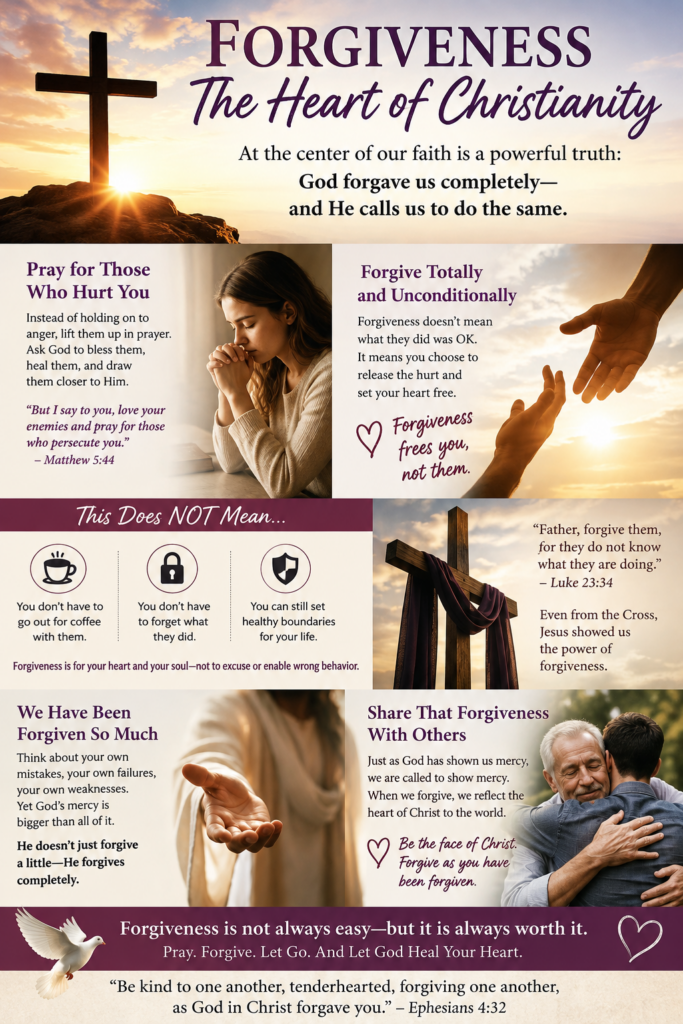
    Forgiveness is at the very center of Christianity. Jesus did not simply tell us to forgive the people we love—He challenged us to pray for those who hurt us, including those who may have deeply wronged us. “Love your enemies and pray for those who persecute you” (Matthew 5:44) is not an easy command, but it is one of the most powerful ways we can follow Christ.

    Forgiveness Does Not Mean Forgetting

    When someone hurts us, forgiveness does not mean pretending that nothing happened. It does not mean that what they did was acceptable. It does not mean you must invite them back into your life, go out for coffee with them, or remove every healthy boundary.

    Forgiveness means releasing the desire for revenge and placing the situation in God’s hands.

    You can forgive someone and still remember the lesson. You can forgive someone and maintain appropriate boundaries. You can forgive someone without continuing a relationship that is unhealthy.

    Forgiveness is for your heart and soul—not an excuse for someone else’s behavior.

    Pray for Those Who Have Hurt You.

    One of the most difficult parts of forgiveness is praying for the person who hurt you.

    When anger rises, try a simple prayer:

    “Lord, I forgive this person. Please bless them, guide them, and bring them closer to You. Heal my heart and theirs, and help me leave this hurt in Your hands.”

    You may not feel forgiving when you first say those words. That’s okay. Forgiveness is sometimes a decision we make before our feelings catch up.

    Pray anyway.

    Remember How Much God Has Forgiven Us

    Think about your own mistakes, failures, and weaknesses. Every one of us has needed God’s mercy.

    The amazing truth of Christianity is that God’s forgiveness is not something we earn by being perfect. Through Jesus Christ, God offers us mercy, reconciliation, and a new beginning.

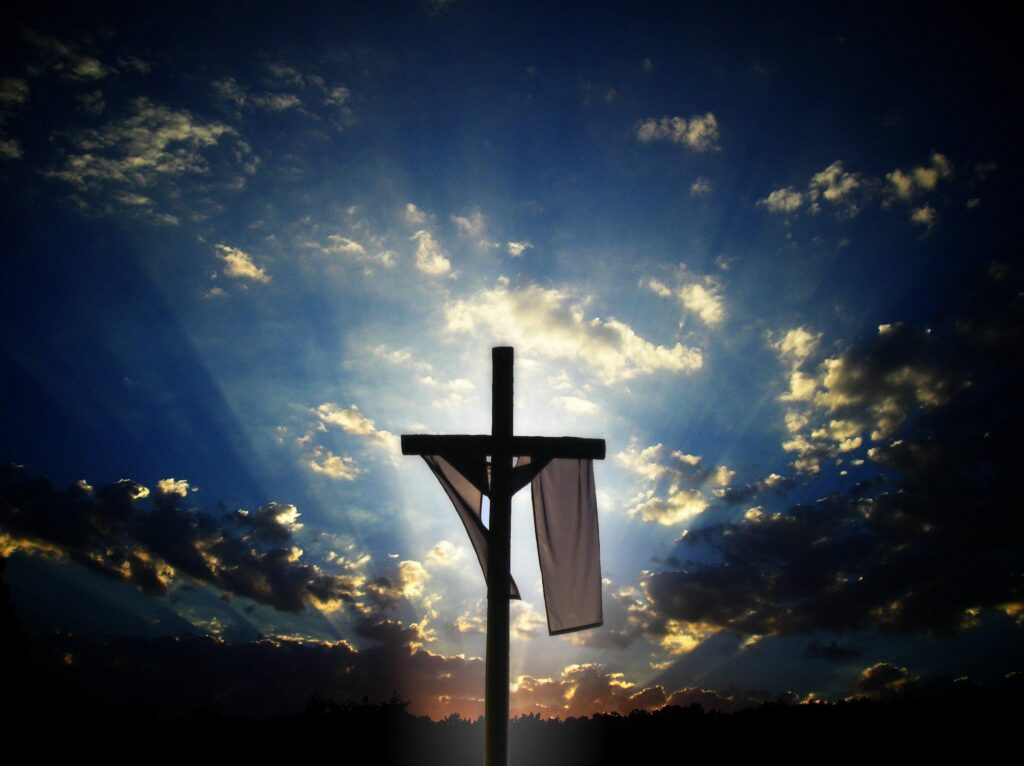
    From the Cross, Jesus gave us one of the greatest examples of forgiveness the world has ever known:

    “Father, forgive them, for they know not what they do.” — Luke 23:34

    If Jesus could pray for forgiveness for those who were crucifying Him, surely we can ask Him to help us forgive the people who have hurt us.

    Forgiveness Sets the Heart Free

    Holding onto anger can keep us tied to the person who hurt us. Forgiveness begins to break that chain.

    When we forgive, we are not saying, “What happened doesn’t matter.”

    We are saying:

    “What happened mattered—but I will not allow it to control the rest of my life.”

    We give the pain to God. We stop seeking revenge. We ask God to heal the wounds that we cannot heal by ourselves.

    And sometimes, forgiveness is not a single moment. Sometimes it is a decision we have to make again and again.

    Share the Forgiveness We Have Received

    God has shown us tremendous mercy. As Christians, we are called to share that mercy with others.

    That doesn’t mean forgiveness will always be easy. It doesn’t mean there won’t be tears. It doesn’t mean trust will automatically return.

    It means that, with God’s help, we choose mercy over hatred, prayer over revenge, and peace over bitterness.

    Be the face of Christ to someone who needs forgiveness.

    Pray. Forgive. Let go. And let God heal your heart.

    As Saint Paul reminds us:

    “Be kind to one another, tenderhearted, and forgiving one another, as God in Christ forgave you.” — Ephesians 4:32

    A Prayer for Forgiveness

    Heavenly Father,

    Thank You for forgiving me when I fail You. Help me remember how much mercy You have shown me.

    Give me the grace to forgive those who have hurt me. Help me pray for them rather than wishing them harm. Give me wisdom to maintain healthy boundaries while keeping bitterness out of my heart.

    Lord Jesus, You forgave from the Cross. Teach me to forgive as You forgave.

    Take my anger, my hurt, and my resentment. Replace them with Your peace.

    I place this person—and this pain—in Your hands.

    Amen.

    Thank you for reading this blog. Please share with others.

    Rick Herring
    thmjmj@gmail.com

    P.S. To find more about THM, Click Here.

  • The Freedom of Forgiveness

    “Father, forgive them, for they know not what they do.”Luke 23:34

    Someone once said, “Not forgiving someone is like drinking poison and expecting the other person to die.” That simple statement contains a profound truth.

    When we refuse to forgive, the person we are angry with may continue living life without ever thinking about us. Meanwhile, bitterness quietly takes root in our own hearts. Anger grows. Peace disappears. Joy fades. Our relationship with God can suffer because our hearts become occupied with yesterday’s wounds instead of today’s blessings.

    Unforgiveness is a prison whose door can only be unlocked from the inside.

    The Greatest Act of Forgiveness Ever Given

    The greatest example of forgiveness the world has ever witnessed came from God the Father and His Son, Jesus Christ.

    Out of infinite love, the Father sent His only Son into the world to redeem us.

    How did humanity respond?

    We rejected Him.

    We mocked Him.

    We humiliated Him.

    We scourged Him until His body was torn.

    We pressed a crown of thorns upon His sacred head.

    We forced Him to carry the heavy Cross through the streets to Calvary.

    Then we nailed Him to that Cross and lifted Him high before the crowds so they could continue to mock and ridicule Him.

    Yet in the midst of unimaginable suffering, Jesus spoke words that continue to echo through history:

    “Father, forgive them, for they know not what they do.”

    Those words were not spoken only for the Roman soldiers.

    They were spoken for every sinner who has ever lived—including you and me.

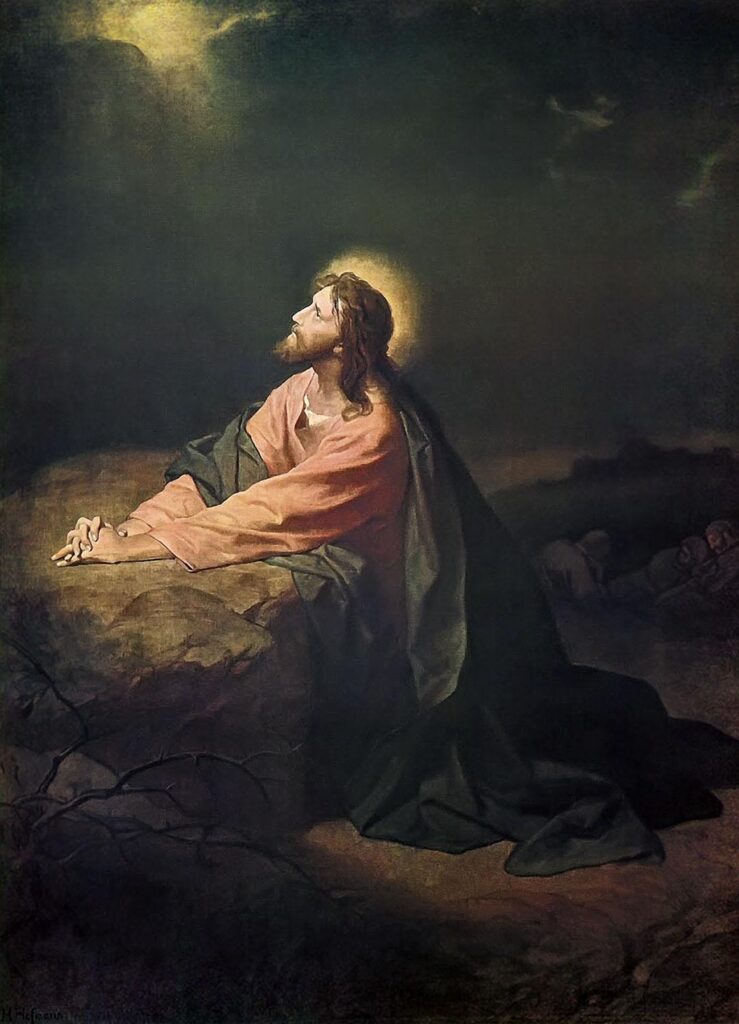
    Every sin, from the disobedience of Adam and Eve in the Garden of Eden until the last person born before the end of time, was present before Christ. In the Garden of Gethsemane, He willingly accepted the weight of our sins because of His immeasurable love for us.

    He chose forgiveness instead of revenge.

    He chose mercy instead of condemnation.

    He chose love instead of hatred.

    Why Is Forgiveness So Difficult?

    Often, we struggle to forgive because we continue living in yesterday.

    We replay the hurt.

    We replay the conversation.

    We replay the betrayal.

    The past becomes our home.

    But God is always inviting us into the present moment.

    Yesterday cannot be changed.

    Tomorrow has not yet arrived.

    Grace is found today.

    Peace is found today.

    God meets us today.

    When we constantly live in the past, we keep reopening wounds that Christ wants to heal.

    Forgiveness does not mean pretending the hurt never happened.

    It does not mean saying that evil was acceptable.

    It does not always mean trusting the person again.

    Forgiveness means placing the hurt into God’s hands instead of carrying it ourselves.

    It means refusing to let bitterness control our hearts any longer.

    The Father Is Waiting

    Jesus beautifully illustrated God’s love in the Parable of the Prodigal Son.

    The father never stopped watching the road.

    He never stopped hoping.

    The moment his son returned, he ran to embrace him.

    He clothed him.

    He restored him.

    Then he celebrated with a great feast.

    That is our Heavenly Father.

    Every one of us has wandered away from Him at one time or another.

    Every one of us has needed mercy.

    Every one of us has depended upon God’s forgiveness.

    If God has forgiven us so generously, how can we refuse to forgive others?

    A Prayer for the Grace to Forgive

    If there is someone you have struggled to forgive, begin with a simple prayer.

    “Lord Jesus, I cannot do this by myself. The hurt is real, and You know my heart. Give me the grace to forgive as You forgave me. Heal what is broken within me. Replace anger with peace, bitterness with love, and resentment with mercy. Help me to live in Your presence today rather than in yesterday’s pain. Amen.”

    The Choice That Brings Freedom

    Forgiveness is not weakness.

    It is strength.

    It is not surrendering to evil.

    It is surrendering to God.

    The Cross reminds us that love is stronger than hatred, mercy is greater than revenge, and forgiveness always has the final word.

    Today, let us place our hurts at the foot of the Cross.

    Let us leave behind the poison of resentment.

    Let us receive the mercy Christ purchased for us.

    And let us walk forward with peaceful hearts, knowing that our loving Father is waiting with open arms, ready to welcome every one of His sons and daughters home to the everlasting feast of Heaven.

    Thank You for reading this blog. Please share with others.

    Rick Herring
    thmjmj@gmail.com

    P.S. Click Here to learn more about the THM mission and join us in building a loving, caring, sharing community.

  • Pray Unceasingly: Making Every Making Ever Moment a Pray

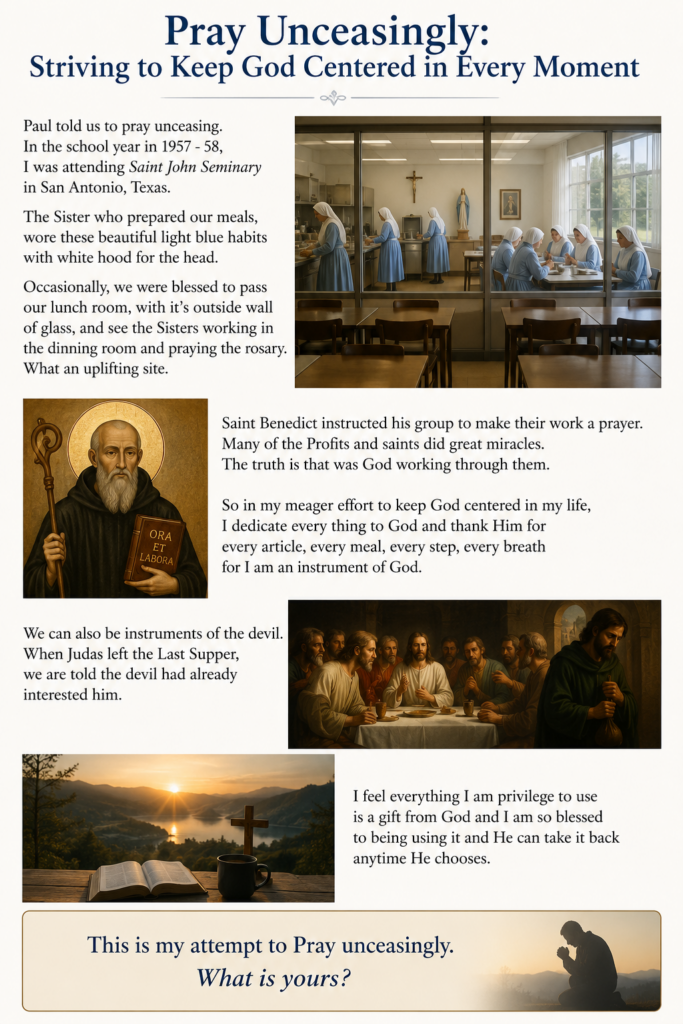
    “Pray without ceasing.”1 Thessalonians 5:17

    Those three simple words from Saint Paul have challenged Christians for nearly two thousand years.

    How can anyone pray without ceasing?

    Surely God does not expect us to spend every waking moment kneeling in a church. Yet countless saints have shown us that continual prayer is not only possible—it is one of the greatest secrets of a joyful Christian life.

    During the 1957–1958 school year, I attended Saint John Seminary in San Antonio, Texas. One of my favorite memories had nothing to do with the classroom.

    The Sisters who prepared our meals wore beautiful light-blue habits with white head coverings. From time to time, as we passed the dining hall with its large glass wall, we could see them quietly going about their work while praying the Rosary.

    What a beautiful sight.

    They were not separating prayer from work.

    Their work had become prayer.

    That memory has remained with me throughout my life.

    Saint Benedict taught his monks the beautiful principle of Ora et Labora—”Pray and Work.” Every task, no matter how ordinary, can become an offering to God when it is done with love and for His glory.

    Throughout Scripture we read of prophets performing mighty miracles. Throughout the centuries the saints have done remarkable things that continue to inspire us today.

    Yet the greatest lesson they teach us is that they never claimed the glory for themselves.

    God was working through willing instruments.

    That realization has deeply influenced my own life.

    In my own small way, I try to keep God at the center of everything I do.

    In the morning I dedicate evrything to God. Afterwards I Thank Him. I tell Him you did a very good job.

    Before every meal, I thank Him.

    Every breath reminds me that life itself is His gift.

    Every step is another opportunity to walk with Him.

    Every conversation is another chance to reflect His love.

    Every blessing reminds me that I own nothing.

    Everything I enjoy today—my health, my home, my friends, the ability to write, my computer, and every opportunity to serve—is a gift entrusted to me by God.

    He has generously placed these blessings into my hands.

    And because they belong to Him, He can ask for them back whenever He chooses.

    That thought does not frighten me.

    Instead, it fills me with gratitude.

    Scripture also reminds us that we have another choice.

    When Judas left the Last Supper, St. John’s Gospel tells us that Satan entered into him. Judas became an instrument of darkness because he chose to reject the Lord who loved him.

    Each of us makes that choice every day.

    Will we become instruments of God’s grace…

    or instruments of selfishness, anger, pride, and division?

    The decision is made in thousands of little moments.

    Perhaps praying without ceasing is not so much about constantly saying prayers as it is about constantly living in God’s presence.

    Offering every task.

    Thanking Him for every blessing.

    Seeking His guidance before every decision.

    Serving others with joy.

    Living each moment as though Jesus were standing beside us—because He is.

    This is my humble attempt to pray without ceasing.

    I certainly have much room to grow.

    But every day is another opportunity to begin again.

    How do you keep God present throughout your day?

    Perhaps it is through the Rosary.

    Perhaps through quiet moments of gratitude.

    Perhaps by offering your work to God.

    Perhaps by simply whispering, “Jesus, I trust in You.”

    Whatever your way may be, may every heartbeat become another prayer…

    and may our entire lives become a loving offering to the One who first loved us.

    P.S. Before you go…

    If you enjoyed this video, please Like, Subscribe, and Share it with someone who loves dogs and uplifting stories.

    Then visit thm34.shop and subscribe FREE to The Good News Newsletter.

    Each week you’ll receive inspiring stories, faith-filled encouragement, World of Dogs videos, weekly highlights, and delicious budget recipes—all delivered straight to your inbox.

    Visit today: thm34.shop

  • My Life is My Message

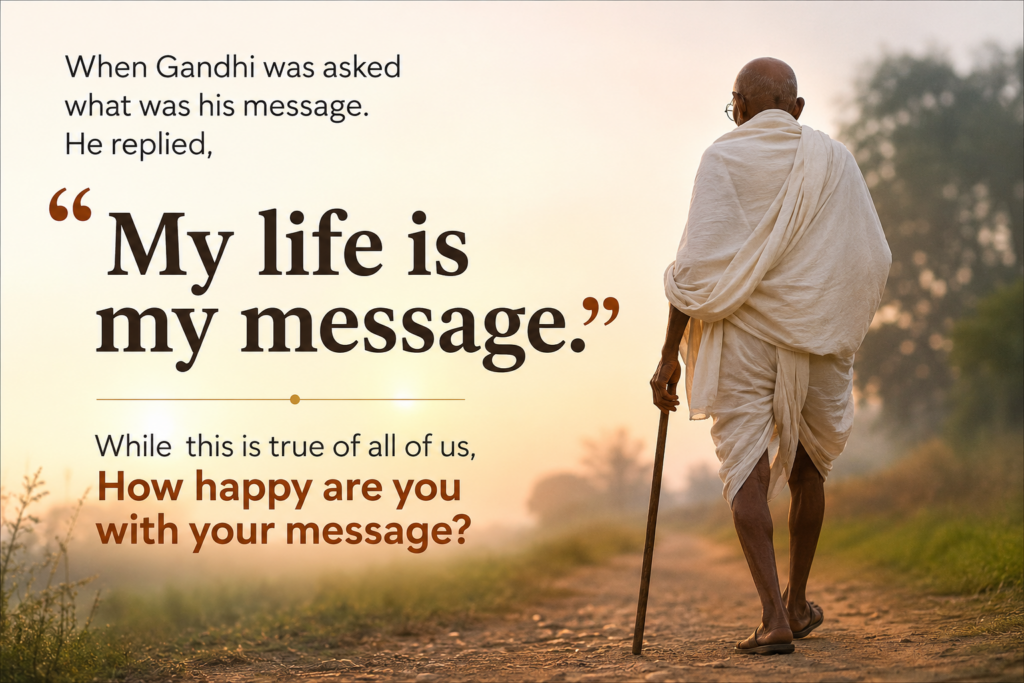
    When Mahatma Gandhi was asked what his message to the world was, he answered simply:

    “My life is my message.”

    Few words have ever carried such depth.

    Gandhi understood something many of us spend our entire lives trying to learn: our true message is not found in what we say, but in how we live. Our actions speak louder than our intentions, louder than our opinions, and often louder than our prayers.

    Whether we realize it or not, every one of us is sending a message to the world every single day.

    The question is: how happy are you with your message?

    Not the message you post online.
    Not the image you try to project.
    But the message your daily life reveals.

    What does your life say about what you truly value?

    Does it say kindness matters?
    Does it say people matter?
    Does it say faith, honesty, compassion, and love are worth living for?

    Or does it reveal something else entirely — fear, anger, selfishness, pride, or indifference?

    These are uncomfortable questions because they force us to look honestly at ourselves. It is far easier to talk about goodness than it is to live it consistently.

    Most people want to be remembered well. They want their lives to mean something. Yet meaning is not created in grand moments alone. It is built quietly in everyday choices.

    In how we treat the waiter.
    In how we speak to family.
    In whether we forgive.
    In whether we help someone who cannot repay us.
    In whether we choose bitterness or grace.

    A life becomes a message one decision at a time.

    The beautiful thing is this: no matter what your message has been up to now, you can begin changing it today.

    A harsh person can become gentle.
    A selfish person can become generous.
    A lonely person can become a source of encouragement.
    A wounded person can become a healer.

    Every sunrise offers another opportunity to live differently.

    Saint Francis of Assisi is believed to have said, “Preach the Gospel at all times. When necessary, use words.”

    The world does not only need more opinions. It needs more living examples. More people whose lives quietly radiate peace, integrity, humility, and love.

    Your life may never be written about in history books. Most of ours will not be. But every life leaves fingerprints on other people. Every conversation, every kindness, every act of patience or cruelty echoes farther than we imagine.

    Someone is learning from your life right now.

    A child.
    A friend.
    A stranger.
    A neighbor.
    Perhaps even someone silently struggling.

    What message are they receiving?

    At the end of our lives, people will not remember most of the words we said. They will remember how we made them feel. They will remember whether our presence brought light or darkness, hope or discouragement, peace or conflict.

    “My life is my message.”

    Perhaps the real challenge is not admiring Gandhi for saying it, but asking ourselves if we are willing to say the same.

    And if not today, what must change so that one day we can?

    Click Here is a way to make the message of your life truly dianamic and change the world begining with you.

    Rick

    thmjmj@gmail.com