“Father, forgive them, for they know not what they do.” — Luke 23:34
Someone once said, “Not forgiving someone is like drinking poison and expecting the other person to die.” That simple statement contains a profound truth.
When we refuse to forgive, the person we are angry with may continue living life without ever thinking about us. Meanwhile, bitterness quietly takes root in our own hearts. Anger grows. Peace disappears. Joy fades. Our relationship with God can suffer because our hearts become occupied with yesterday’s wounds instead of today’s blessings.
Unforgiveness is a prison whose door can only be unlocked from the inside.
The Greatest Act of Forgiveness Ever Given
The greatest example of forgiveness the world has ever witnessed came from God the Father and His Son, Jesus Christ.
Out of infinite love, the Father sent His only Son into the world to redeem us.
How did humanity respond?
We rejected Him.
We mocked Him.
We humiliated Him.
We scourged Him until His body was torn.
We pressed a crown of thorns upon His sacred head.
We forced Him to carry the heavy Cross through the streets to Calvary.
Then we nailed Him to that Cross and lifted Him high before the crowds so they could continue to mock and ridicule Him.
Yet in the midst of unimaginable suffering, Jesus spoke words that continue to echo through history:
“Father, forgive them, for they know not what they do.”
Those words were not spoken only for the Roman soldiers.
They were spoken for every sinner who has ever lived—including you and me.
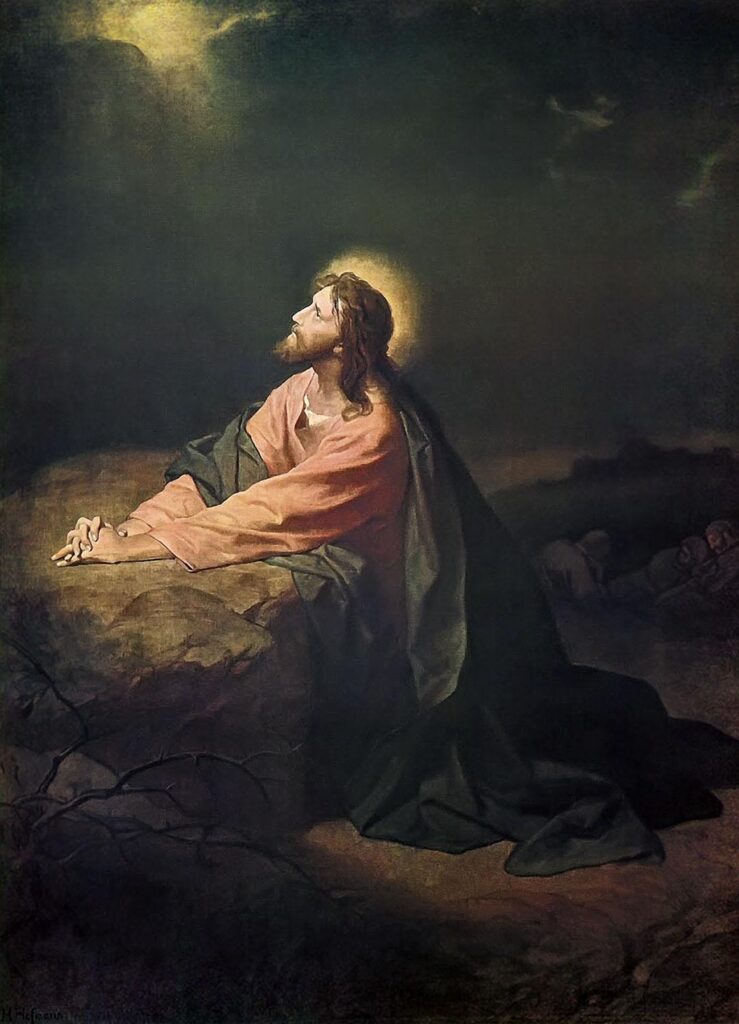
Every sin, from the disobedience of Adam and Eve in the Garden of Eden until the last person born before the end of time, was present before Christ. In the Garden of Gethsemane, He willingly accepted the weight of our sins because of His immeasurable love for us.
He chose forgiveness instead of revenge.
He chose mercy instead of condemnation.
He chose love instead of hatred.
Why Is Forgiveness So Difficult?
Often, we struggle to forgive because we continue living in yesterday.
We replay the hurt.
We replay the conversation.
We replay the betrayal.
The past becomes our home.
But God is always inviting us into the present moment.
Yesterday cannot be changed.
Tomorrow has not yet arrived.
Grace is found today.
Peace is found today.
God meets us today.
When we constantly live in the past, we keep reopening wounds that Christ wants to heal.
Forgiveness does not mean pretending the hurt never happened.
It does not mean saying that evil was acceptable.
It does not always mean trusting the person again.
Forgiveness means placing the hurt into God’s hands instead of carrying it ourselves.
It means refusing to let bitterness control our hearts any longer.
The Father Is Waiting
Jesus beautifully illustrated God’s love in the Parable of the Prodigal Son.
The father never stopped watching the road.
He never stopped hoping.
The moment his son returned, he ran to embrace him.
He clothed him.
He restored him.
Then he celebrated with a great feast.
That is our Heavenly Father.
Every one of us has wandered away from Him at one time or another.
Every one of us has needed mercy.
Every one of us has depended upon God’s forgiveness.
If God has forgiven us so generously, how can we refuse to forgive others?
A Prayer for the Grace to Forgive
If there is someone you have struggled to forgive, begin with a simple prayer.
“Lord Jesus, I cannot do this by myself. The hurt is real, and You know my heart. Give me the grace to forgive as You forgave me. Heal what is broken within me. Replace anger with peace, bitterness with love, and resentment with mercy. Help me to live in Your presence today rather than in yesterday’s pain. Amen.”
The Choice That Brings Freedom
Forgiveness is not weakness.
It is strength.
It is not surrendering to evil.
It is surrendering to God.
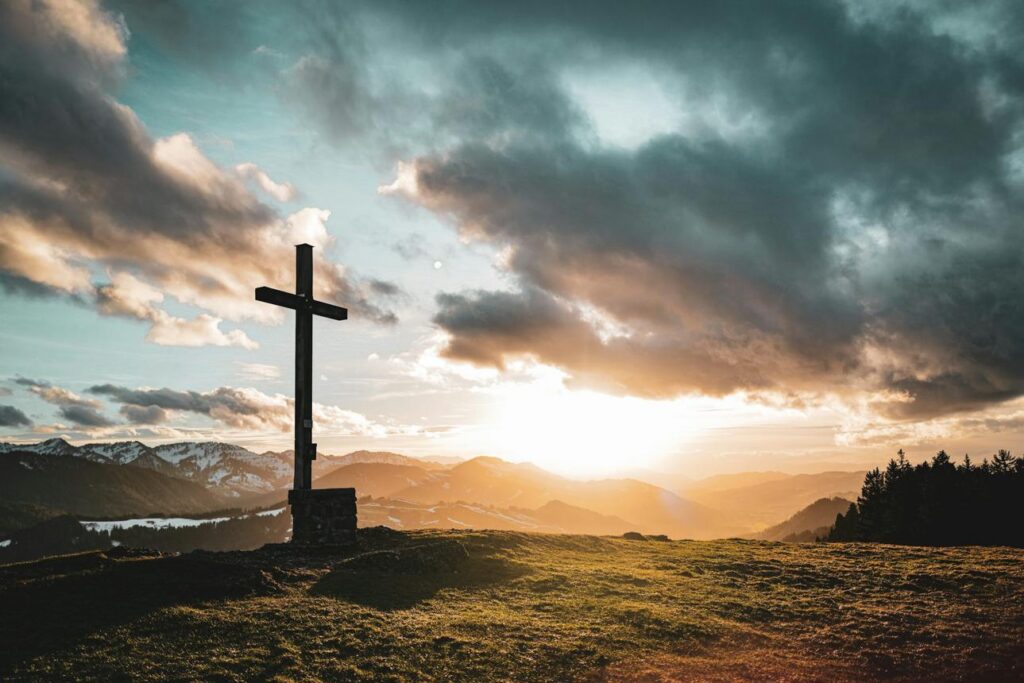
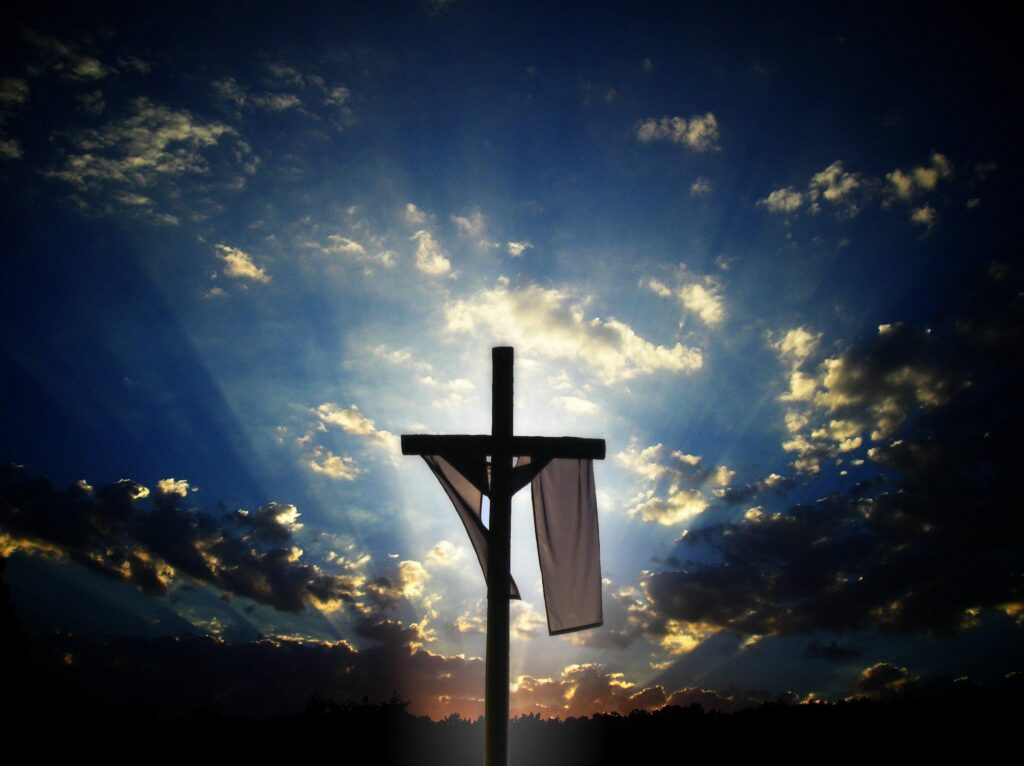
The Cross reminds us that love is stronger than hatred, mercy is greater than revenge, and forgiveness always has the final word.
Today, let us place our hurts at the foot of the Cross.
Let us leave behind the poison of resentment.
Let us receive the mercy Christ purchased for us.
And let us walk forward with peaceful hearts, knowing that our loving Father is waiting with open arms, ready to welcome every one of His sons and daughters home to the everlasting feast of Heaven.
Thank You for reading this blog. Please share with others.
Rick Herring thmjmj@gmail.com
P.S. Click Here to learn more about the THM mission and join us in building a loving, caring, sharing community.
Why Small Acts of Compassion Matter More Than Ever
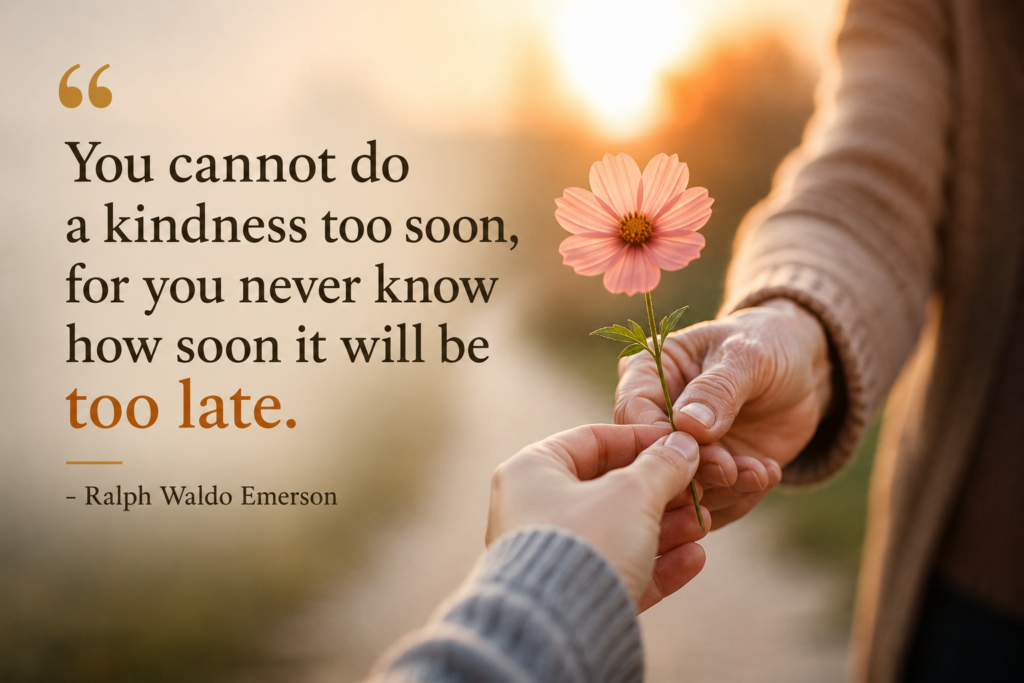
“You cannot do a kindness too soon, for you never know how soon it will be too late.” — entity[“people”,”Ralph Waldo Emerson”,”American essayist and philosopher”]
In a world moving faster than ever, kindness is often treated as something optional — something we will get around to later when we have more time, more money, or fewer worries. Yet Ralph Waldo Emerson’s timeless words remind us of a truth many people discover too late: opportunities to help others do not last forever.
A kind word left unspoken. A phone call never made. A helping hand delayed until tomorrow. Life changes quickly, and the chance to bless another person can disappear in an instant.
Today, kindness is not merely a pleasant virtue. It is a necessity.
The Quiet Power of Simple Kindness
Many people imagine kindness as grand gestures or dramatic acts of charity. In reality, the most powerful acts are usually the smallest.
A smile to a lonely neighbor.
Listening patiently to someone who feels forgotten.
Paying for a stranger’s coffee.
Helping a struggling small business survive one more week.
Checking on an elderly friend.
Praying for someone carrying hidden pain.
These moments rarely make headlines, yet they often change lives forever.
Kindness has a ripple effect. One act of compassion inspires another. A person who receives mercy is more likely to show mercy. Communities grow stronger when people choose generosity over indifference.
In small towns across America, neighbors helping neighbors still keeps communities alive. Rural hospitals survive because caring people refuse to give up. Families overcome hardship because someone stepped in at the right moment.
Often, the difference between despair and hope is simply knowing that somebody cares.
Why Waiting Can Cost More Than We Realize
Modern culture teaches people to postpone what matters most.
“We’ll visit later.”
“We’ll donate when finances improve.”
“We’ll reconnect someday.”
But tomorrow is never guaranteed.
Every person carries unseen battles. Some struggle with loneliness. Others face illness, grief, financial hardship, addiction, or fear. Many smile outwardly while quietly losing hope.
A timely act of kindness may arrive at the exact moment someone is deciding whether life is worth continuing.
History is filled with stories of lives transformed by one compassionate moment:
A teacher who encouraged a discouraged child.
A stranger who offered food to a hungry family.
A nurse who stayed a few extra minutes beside a frightened patient.
A pastor who answered a late-night phone call.
A veteran who mentored a troubled teenager.
The people involved may never fully know the impact they made.
That is the mystery of kindness: small actions often produce eternal results.
Kindness Is Not Weakness
Some people confuse kindness with softness or naivety. In truth, genuine kindness requires courage.
It takes strength to remain compassionate in a cynical world.
It takes humility to serve others without seeking recognition.
It takes wisdom to see the humanity in people society overlooks.
And it takes faith to keep loving when life becomes difficult.
Kindness is not passive. It is active goodness.
It feeds the hungry.
It comforts the grieving.
It protects the vulnerable.
It rebuilds communities.
It restores dignity.
Throughout history, societies have survived hardship because ordinary people chose compassion over selfishness.
In times of economic uncertainty, social division, and growing loneliness, kindness may be one of the most revolutionary things a person can practice.
Faith, Humanity, and the Call to Love One Another
Across many spiritual traditions, kindness is viewed as sacred.
In Christianity, believers are reminded to love their neighbors, care for the poor, and treat others as they themselves would wish to be treated.
Kindness reflects the belief that every person possesses inherent dignity and worth.
Even brief encounters matter. The cashier at the grocery store. The exhausted waitress. The veteran standing quietly alone. The struggling single parent. The resident in a nursing facility who rarely receives visitors.
Each person carries a story.
Each person matters.
Sometimes the greatest ministry in life is simply showing up for another human being.
A visit.
A prayer.
A meal.
A conversation.
A moment of compassion.
These things may appear small on earth, but they echo far beyond what we can see.
Five Ways to Practice Immediate Kindness Today
1. Reach Out to Someone You Have Been Thinking About
Do not wait for the perfect time. Send the text. Make the call. Visit the person. Your outreach may mean more than you realize.
2. Support a Local Small Business
Many family-owned businesses are struggling quietly. A purchase, positive review, or recommendation can help sustain livelihoods and preserve communities.
3. Encourage Someone Publicly
People remember encouragement for years. Speak life into someone who feels invisible.
4. Volunteer Where the Need Is Greatest
Homeless shelters, rural ministries, food banks, hospitals, and veteran organizations constantly need caring people willing to serve.
5. Practice Daily Compassion
Hold the door. Listen without interrupting. Offer patience instead of irritation. Small habits of kindness shape both individuals and nations.
Final Thoughts
Ralph Waldo Emerson understood something deeply human: opportunities to love others are temporary.
No one reaches the end of life wishing they had shown less compassion.
The world does not simply need more technology, wealth, or influence. It needs more people willing to act with kindness before the moment passes.
A gentle word.
A helping hand.
A compassionate heart.
These simple acts can change lives, strengthen communities, and restore hope in places where darkness has settled.
So do not wait.
Offer the kindness today.
Because you never know how soon it may be too late.