“Father, forgive them, for they know not what they do.” — Luke 23:34
Someone once said, “Not forgiving someone is like drinking poison and expecting the other person to die.” That simple statement contains a profound truth.
When we refuse to forgive, the person we are angry with may continue living life without ever thinking about us. Meanwhile, bitterness quietly takes root in our own hearts. Anger grows. Peace disappears. Joy fades. Our relationship with God can suffer because our hearts become occupied with yesterday’s wounds instead of today’s blessings.
Unforgiveness is a prison whose door can only be unlocked from the inside.
The Greatest Act of Forgiveness Ever Given
The greatest example of forgiveness the world has ever witnessed came from God the Father and His Son, Jesus Christ.
Out of infinite love, the Father sent His only Son into the world to redeem us.
How did humanity respond?
We rejected Him.
We mocked Him.
We humiliated Him.
We scourged Him until His body was torn.
We pressed a crown of thorns upon His sacred head.
We forced Him to carry the heavy Cross through the streets to Calvary.
Then we nailed Him to that Cross and lifted Him high before the crowds so they could continue to mock and ridicule Him.
Yet in the midst of unimaginable suffering, Jesus spoke words that continue to echo through history:
“Father, forgive them, for they know not what they do.”
Those words were not spoken only for the Roman soldiers.
They were spoken for every sinner who has ever lived—including you and me.
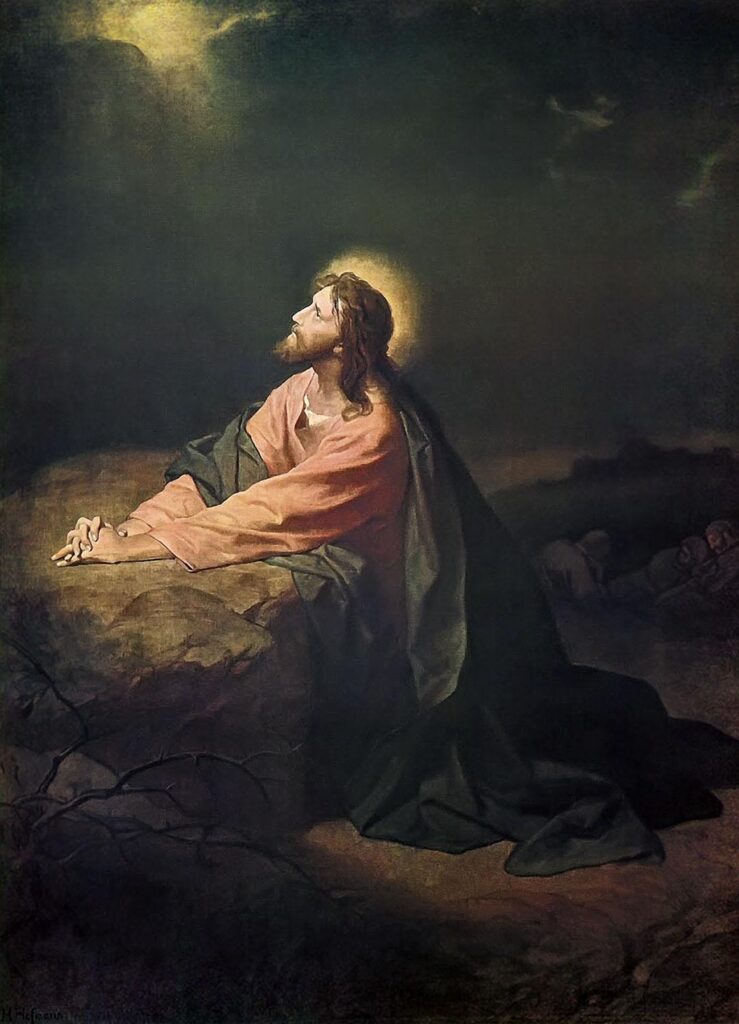
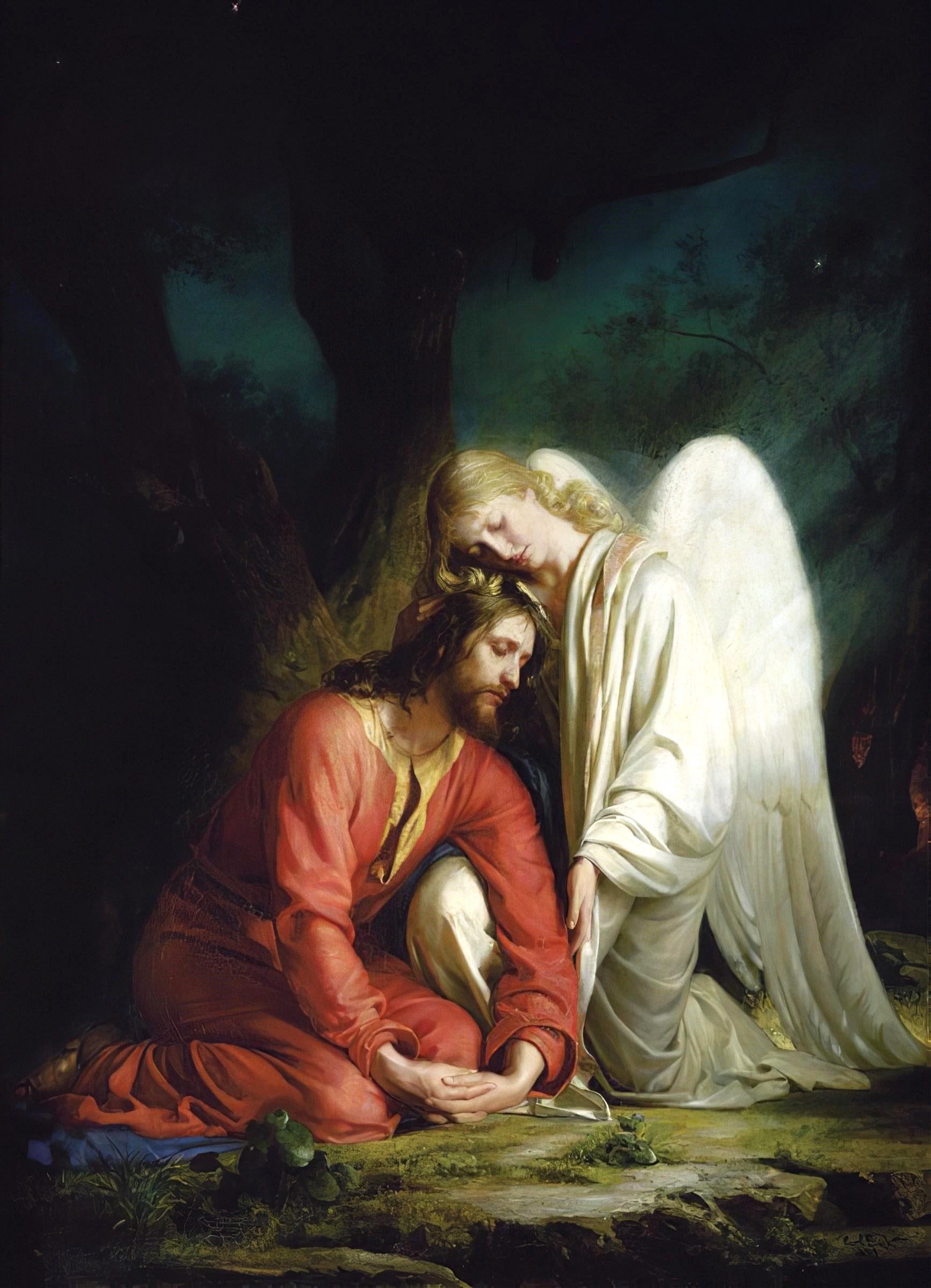
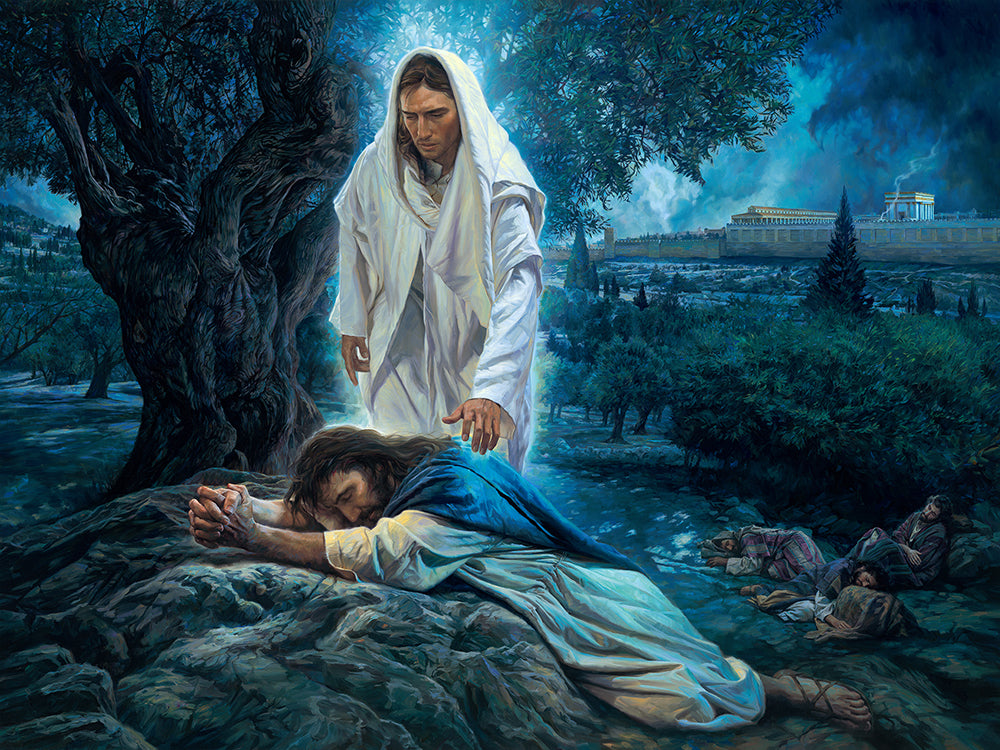
Every sin, from the disobedience of Adam and Eve in the Garden of Eden until the last person born before the end of time, was present before Christ. In the Garden of Gethsemane, He willingly accepted the weight of our sins because of His immeasurable love for us.
He chose forgiveness instead of revenge.
He chose mercy instead of condemnation.
He chose love instead of hatred.
Why Is Forgiveness So Difficult?
Often, we struggle to forgive because we continue living in yesterday.
We replay the hurt.
We replay the conversation.
We replay the betrayal.
The past becomes our home.
But God is always inviting us into the present moment.
Yesterday cannot be changed.
Tomorrow has not yet arrived.
Grace is found today.
Peace is found today.
God meets us today.
When we constantly live in the past, we keep reopening wounds that Christ wants to heal.
Forgiveness does not mean pretending the hurt never happened.
It does not mean saying that evil was acceptable.
It does not always mean trusting the person again.
Forgiveness means placing the hurt into God’s hands instead of carrying it ourselves.
It means refusing to let bitterness control our hearts any longer.
The Father Is Waiting
Jesus beautifully illustrated God’s love in the Parable of the Prodigal Son.
The father never stopped watching the road.
He never stopped hoping.
The moment his son returned, he ran to embrace him.
He clothed him.
He restored him.
Then he celebrated with a great feast.
That is our Heavenly Father.
Every one of us has wandered away from Him at one time or another.
Every one of us has needed mercy.
Every one of us has depended upon God’s forgiveness.
If God has forgiven us so generously, how can we refuse to forgive others?
A Prayer for the Grace to Forgive
If there is someone you have struggled to forgive, begin with a simple prayer.
“Lord Jesus, I cannot do this by myself. The hurt is real, and You know my heart. Give me the grace to forgive as You forgave me. Heal what is broken within me. Replace anger with peace, bitterness with love, and resentment with mercy. Help me to live in Your presence today rather than in yesterday’s pain. Amen.”
The Choice That Brings Freedom
Forgiveness is not weakness.
It is strength.
It is not surrendering to evil.
It is surrendering to God.
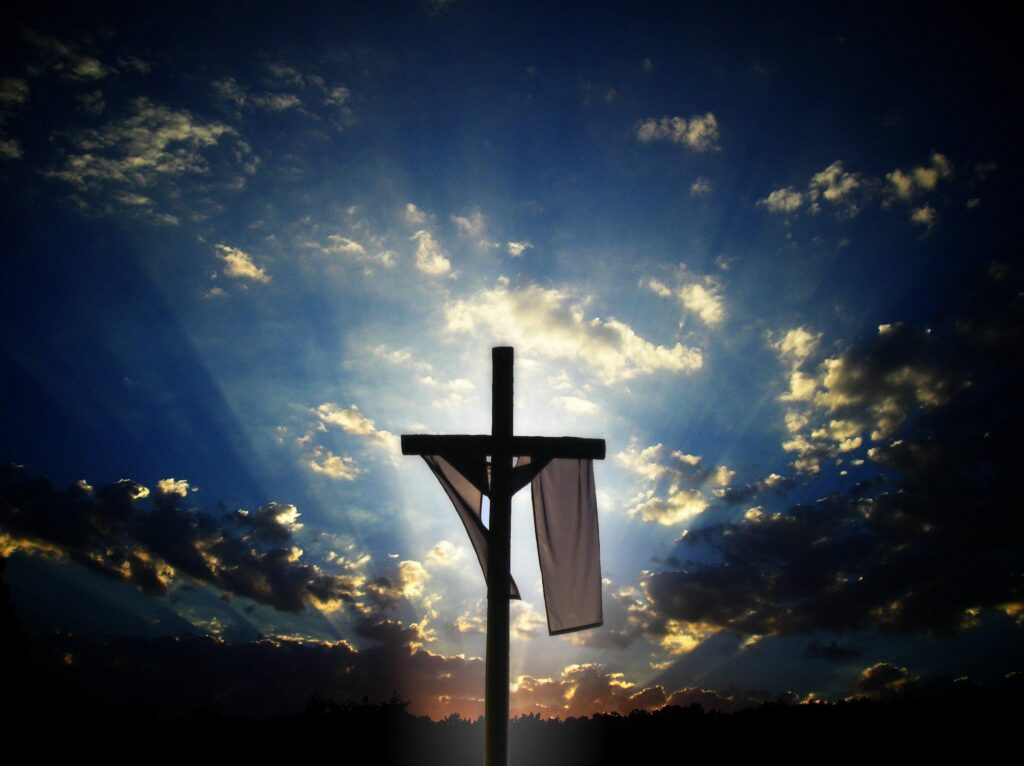
The Cross reminds us that love is stronger than hatred, mercy is greater than revenge, and forgiveness always has the final word.
Today, let us place our hurts at the foot of the Cross.
Let us leave behind the poison of resentment.
Let us receive the mercy Christ purchased for us.
And let us walk forward with peaceful hearts, knowing that our loving Father is waiting with open arms, ready to welcome every one of His sons and daughters home to the everlasting feast of Heaven.
Thank You for reading this blog. Please share with others.
Rick Herring thmjmj@gmail.com
P.S. Click Here to learn more about the THM mission and join us in building a loving, caring, sharing community.
The First Sorrowful Mystery: The Agony in the Garden
The Sorrowful Mysteries of the Rosary invite us into the profound depths of suffering, sacrifice, and love revealed in the Passion of Jesus Christ. The first of these mysteries—the Agony in the Garden—marks the beginning of Christ’s Passion and offers a deeply human glimpse into His interior struggle.
A Night of Deep Distress
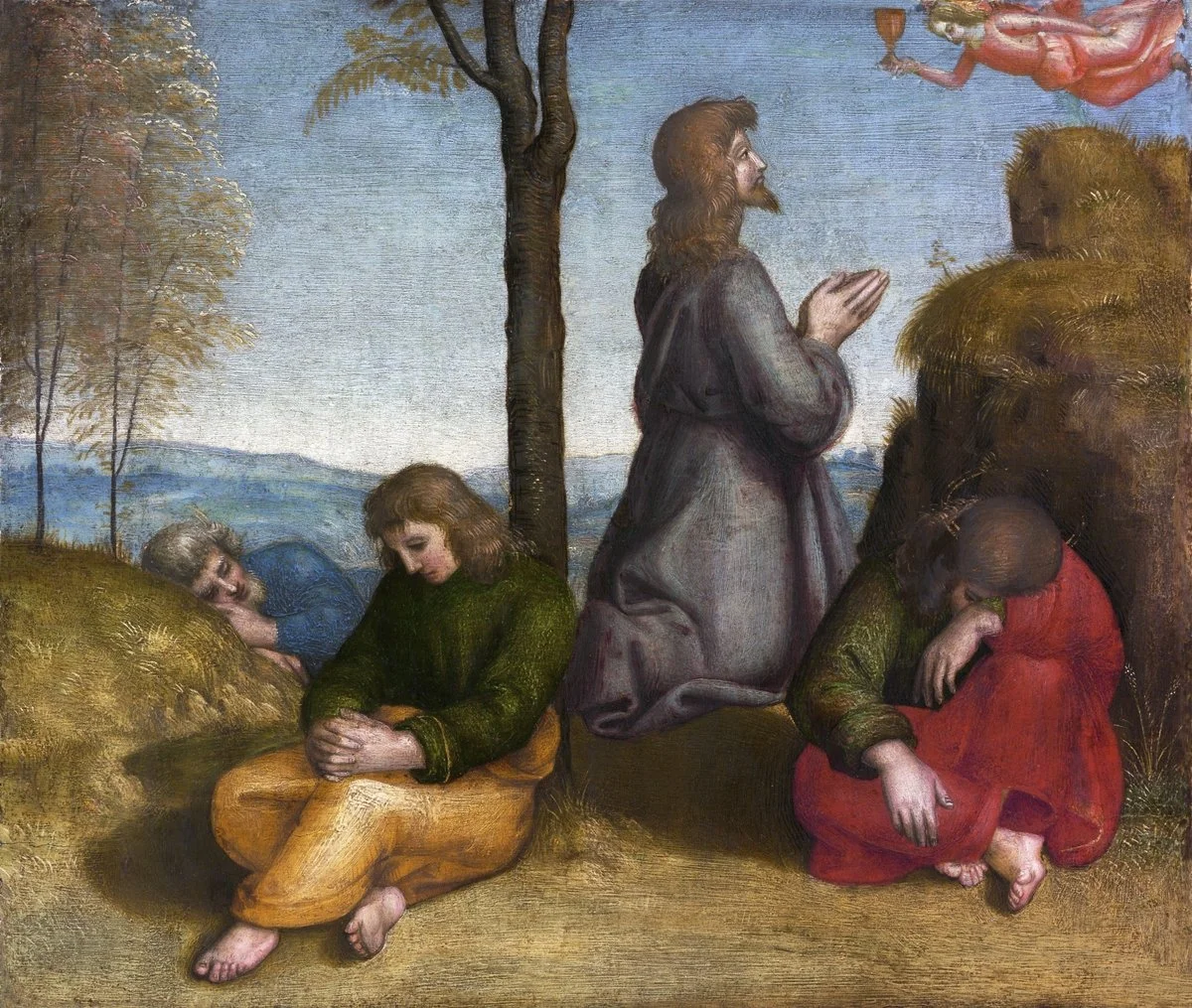
After the Last Supper, Jesus went with His disciples to the Garden of Gethsemane, located at the foot of the Mount of Olives in Jerusalem. There, in the stillness of the night, He withdrew to pray.
In this sacred moment, Jesus experienced an overwhelming sorrow. Knowing the suffering that awaited Him—betrayal, humiliation, and crucifixion—He was filled with anguish. The Gospel of Luke tells us that His distress was so intense that “His sweat became like drops of blood falling to the ground.”
This moment reveals both His divine obedience and His human vulnerability.
“Not My Will, But Yours Be Done”
At the heart of the Agony in the Garden is a powerful prayer:
“Father, if it is possible, let this cup pass from me; yet not as I will, but as You will.”
This prayer expresses the tension between fear and trust. Jesus does not deny His suffering—He faces it fully. Yet, He chooses obedience to the Father above all else.
This mystery teaches us that faith is not the absence of fear, but the willingness to trust God even in the midst of it.
The Sleeping Disciples
While Jesus prayed in agony, His closest companions—Peter, James, and John—fell asleep.
Their inability to stay awake highlights the loneliness of Christ’s suffering. Even those nearest to Him could not fully share in His burden.
This moment gently challenges us: Are we spiritually awake, or do we also “sleep” through moments when we are called to be present, faithful, and attentive?
Spiritual Reflection
The Agony in the Garden speaks powerfully to our own lives. We all face moments of fear, uncertainty, and suffering. In those times, this mystery reminds us:
God understands human anguish
Prayer is our refuge in distress
Surrender to God’s will brings strength
We are never truly alone, even when it feels that way
Fruit of the Mystery: Acceptance of God’s Will
Traditionally, the spiritual fruit of this mystery is obedience and trust in God’s will.
In meditating on this mystery, we are invited to echo Christ’s prayer in our own lives:
“Lord, not my will, but Yours be done.”
Closing Prayer
Lord Jesus, In Your agony, You chose love over fear and obedience over resistance. Teach us to trust in God’s plan, especially when it is difficult. Help us to remain awake in faith, steadfast in prayer, and courageous in surrendering our lives to Your will.