The Week That Changed the World: A Catholic Journey Through Holy Week
From a Catholic perspective, Holy Week is the most sacred time of the year—a profound spiritual journey that truly changed the world. It commemorates the Passion, Death, and Resurrection of Jesus Christ, revealing God’s plan of salvation and opening the path to eternal life.
This week is not merely remembered—it is lived. Through liturgy, prayer, and reflection, Catholics enter into the mystery of Christ’s love, walking step by step from triumph to sacrifice, and ultimately to victory.
The Journey Begins: From Praise to the Cross
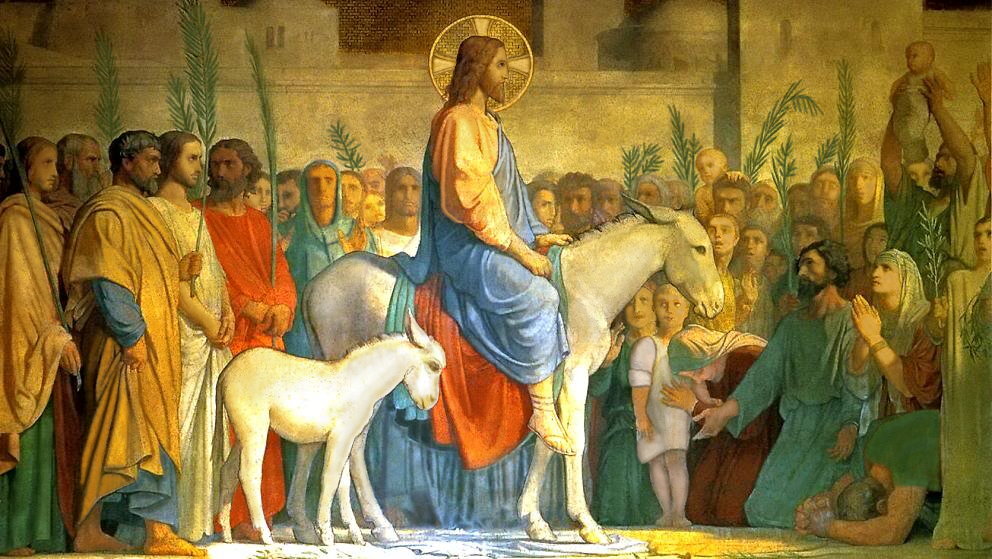
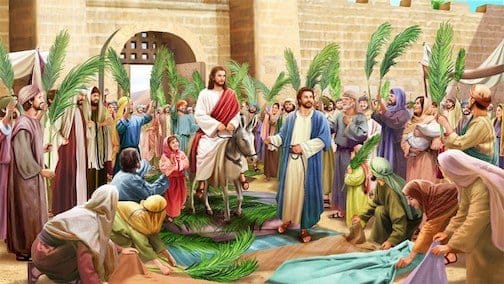
The journey begins with Palm Sunday (of the Passion of the Lord). Jesus enters Jerusalem to cries of “Hosanna!”—welcomed as king. Yet, within the same liturgy, the Passion narrative is proclaimed, reminding us how quickly human hearts can change.
This day sets the tone for the entire week: joy intertwined with sorrow, glory shadowed by sacrifice.
Betrayal and Preparation: Spy Wednesday
Midweek, often called Spy Wednesday, focuses on the quiet but devastating betrayal of Jesus by Judas.
It reminds us that sin often works in secrecy—and invites us to examine our own hearts. Where do we turn away from Christ? Where are we called back to fidelity?
The Sacred Triduum Begins: Holy Thursday
The evening of Holy Thursday marks the beginning of the Easter Triduum—the holiest period of the Church year.
On this night, Catholics commemorate:
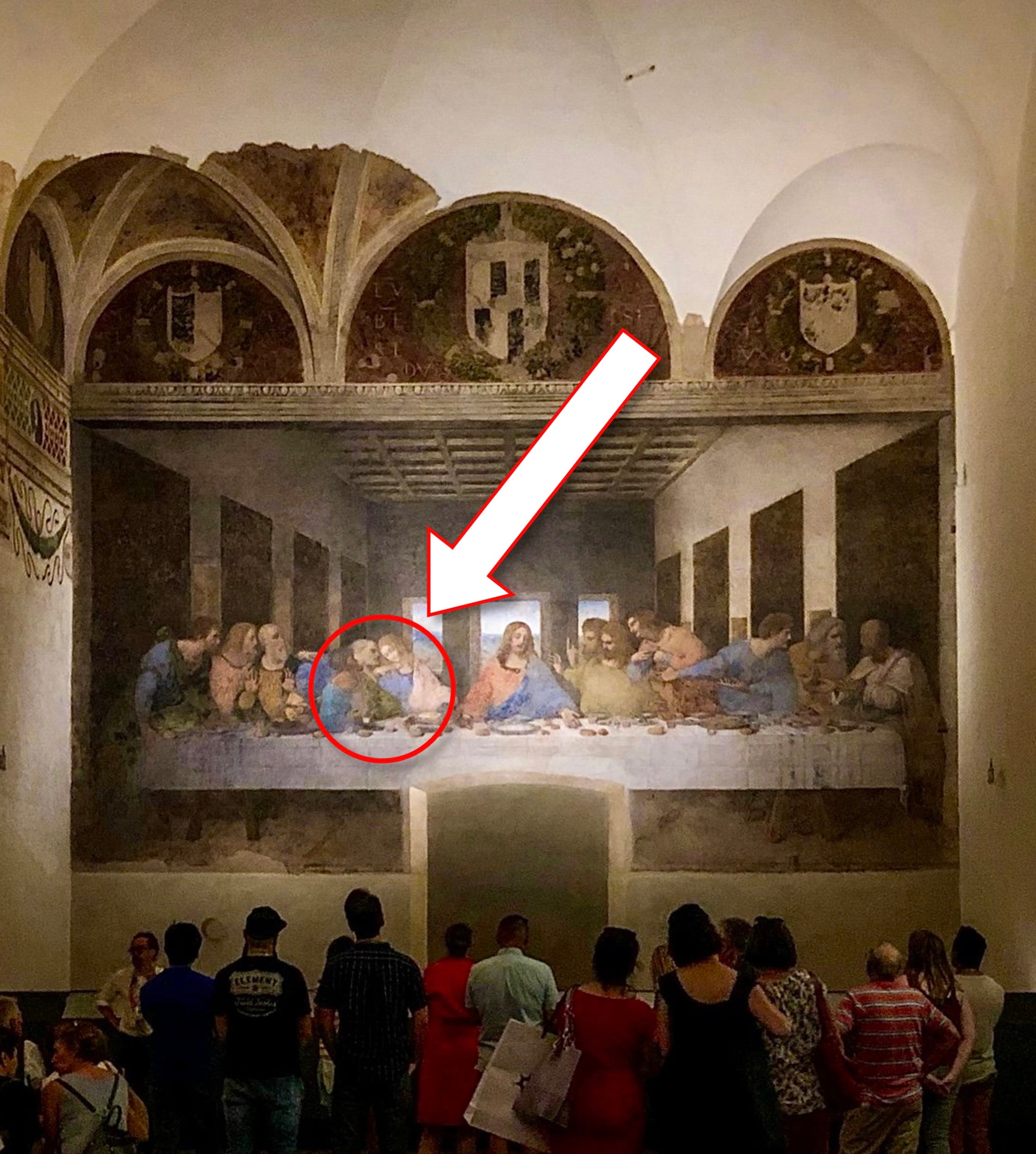
The Last Supper
The institution of the Eucharist
The founding of the priesthood
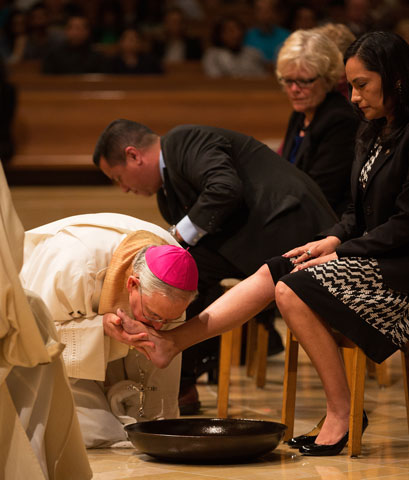
Jesus washing the feet of His disciples
This act of humility reveals the heart of Christian discipleship: love expressed through service.
The Sacrifice of Love: Good Friday
Good Friday is a day of profound silence and reverence.
There is no Mass. Instead, Catholics gather to:
Hear the Passion of Christ
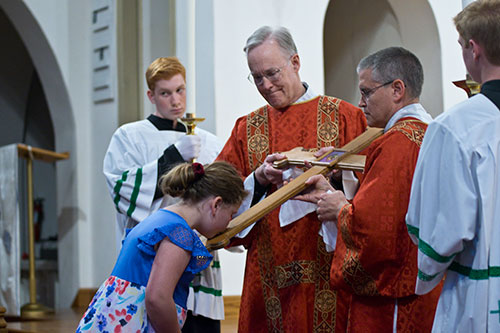
Venerate the Cross
Pray for the world
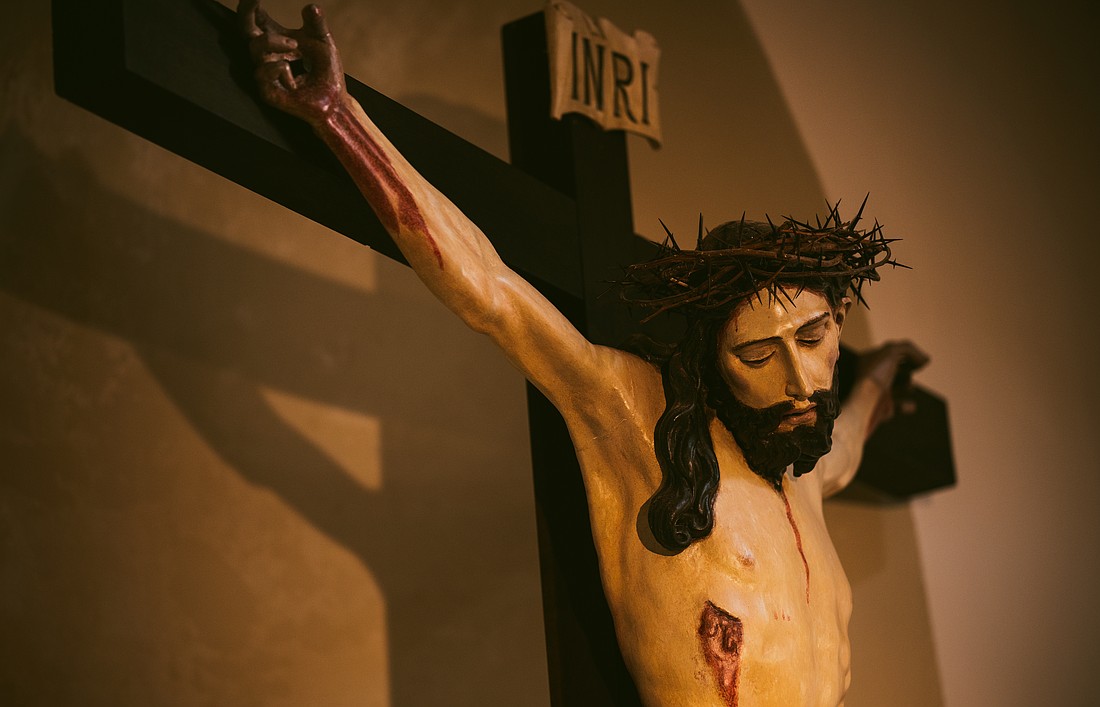
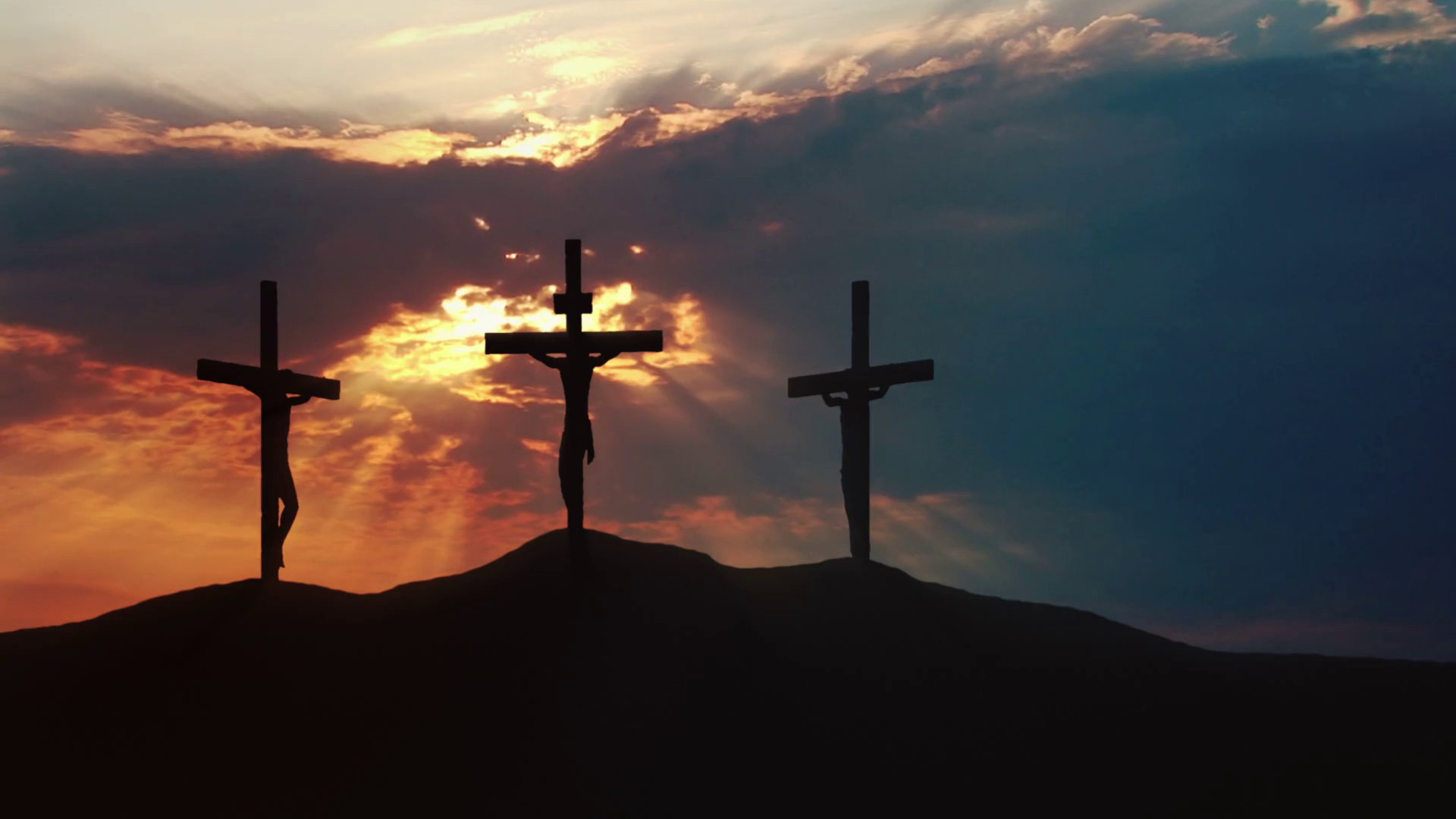
It is the day we remember that Jesus gave His life for the salvation of humanity. The Cross, once a symbol of death, becomes the ultimate sign of sacrificial love.
The Silence of Hope: Holy Saturday
Holy Saturday is a day of waiting.
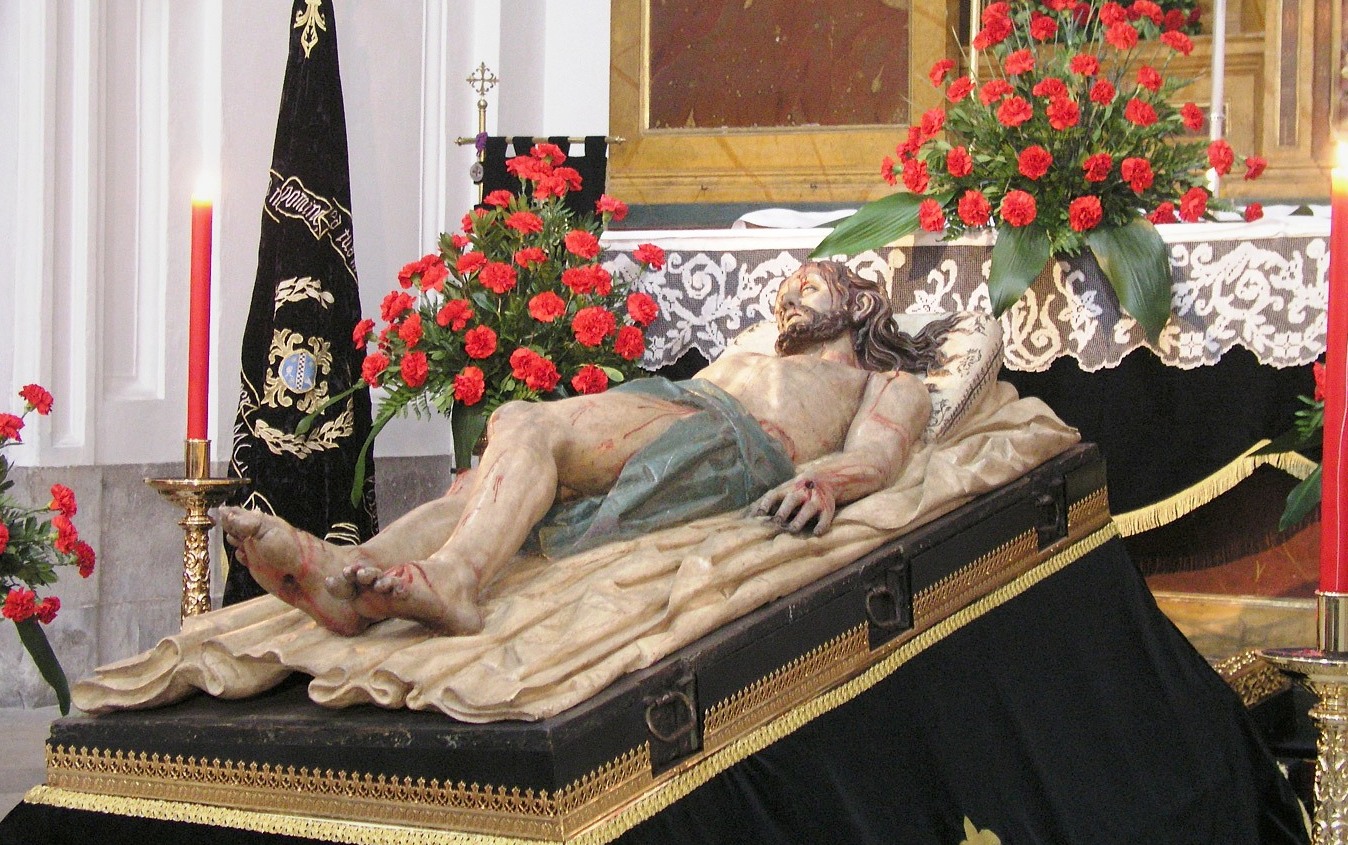
Christ lies in the tomb. The Church is still. The world seems paused.
Yet beneath the silence, hope is alive.
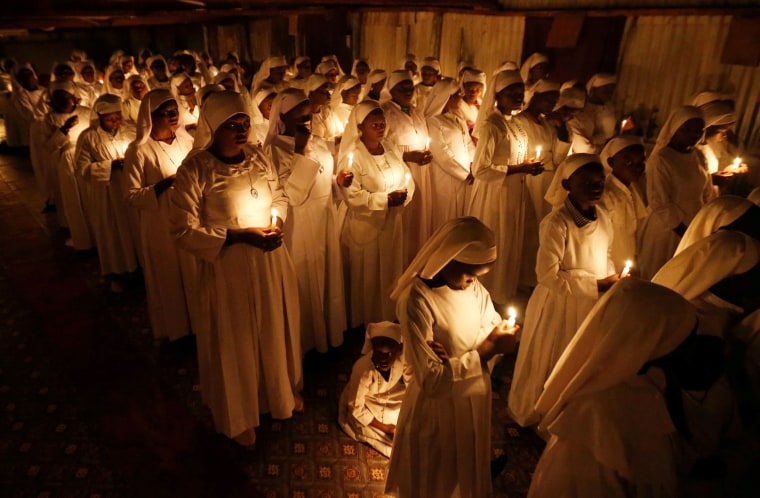
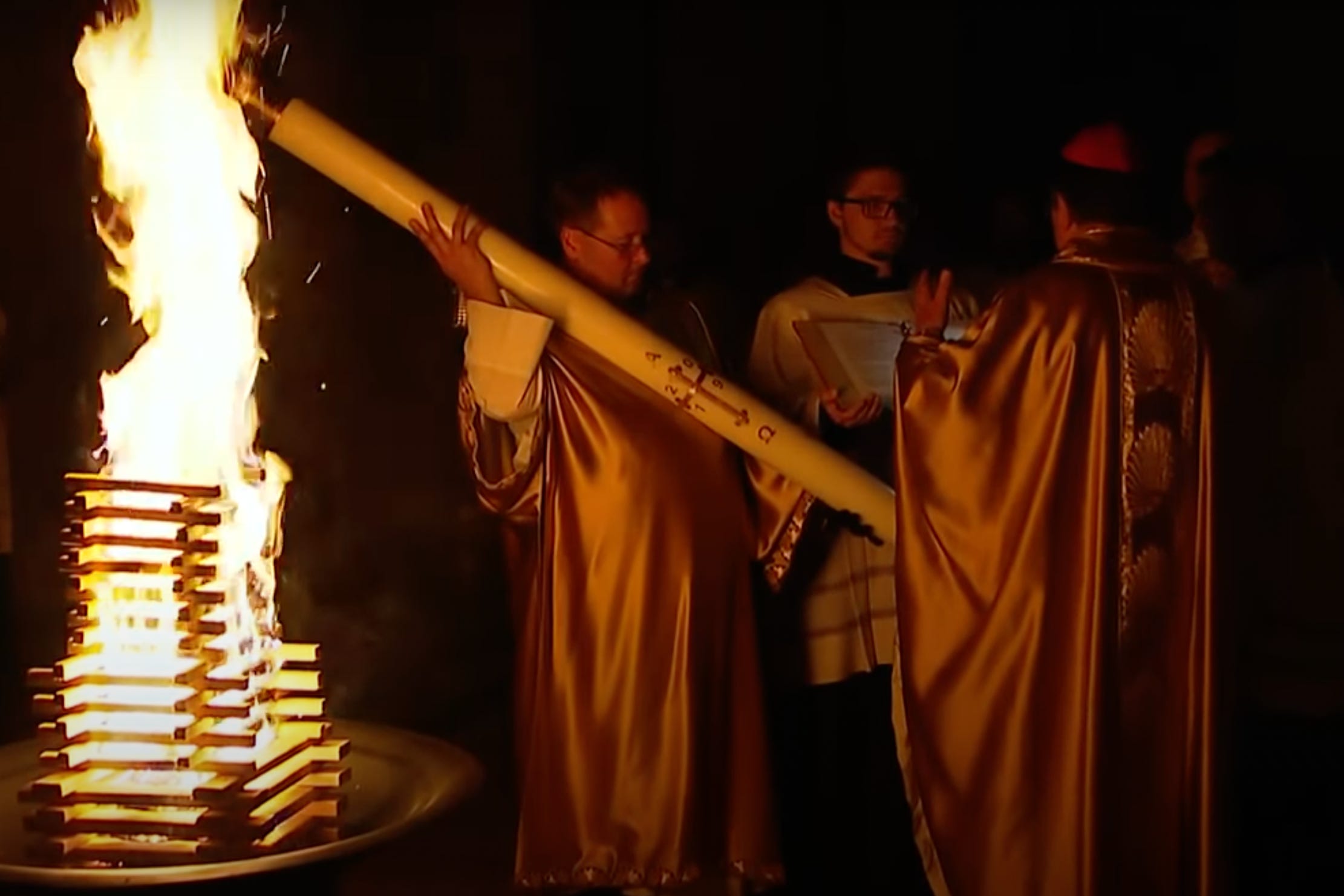
That night, the Easter Vigil begins—the “mother of all vigils”—where darkness is pierced by candlelight, proclaiming that death will not have the final word.
The Triumph of Life: Easter
Easter is the culmination—the victory.
Christ is risen.
Sin is defeated. Death is conquered. Heaven is opened.
This is the foundation of Christian faith and the reason for hope in every age.
A Living Mystery, Not Just a Memory
For Catholics, Holy Week is not simply a historical timeline—it is a living participation in the mysteries of faith.
It is an encounter with sacrificial love
A call to conversion and renewal
A journey that challenges us to choose forgiveness, humility, and grace
The Easter Triduum, from Holy Thursday to Easter Sunday, stands as the pinnacle of the liturgical year because it reveals the deepest truth: love is stronger than sin, and life is stronger than death.
Enter the Story
Holy Week is more than something we observe—it is something we enter.
It invites each of us to walk with Christ:
From praise…
Through suffering…
Into new life
This is why it is called the week that changed the world.
And it still changes hearts today.
If you liked this article, please leave your feedback, share with others, and come back for more stories.
Palm Sunday, formally known as Palm Sunday of the Lord’s Passion, marks the beginning of Holy Week, the most sacred time in the Catholic liturgical year. It is a day filled with both celebration and solemnity—a powerful contrast that captures the heart of the Christian mystery: Christ as both triumphant King and suffering Savior.
This sacred day commemorates Jesus’ entry into Jerusalem, where crowds welcomed Him with palm branches and cries of “Hosanna!” Yet, within the same liturgy, the Church invites us to hear the Passion narrative, where those cries shift dramatically to “Crucify Him!” This tension invites deep reflection on faith, human weakness, and divine love.
🌿 The Symbolism of Palms
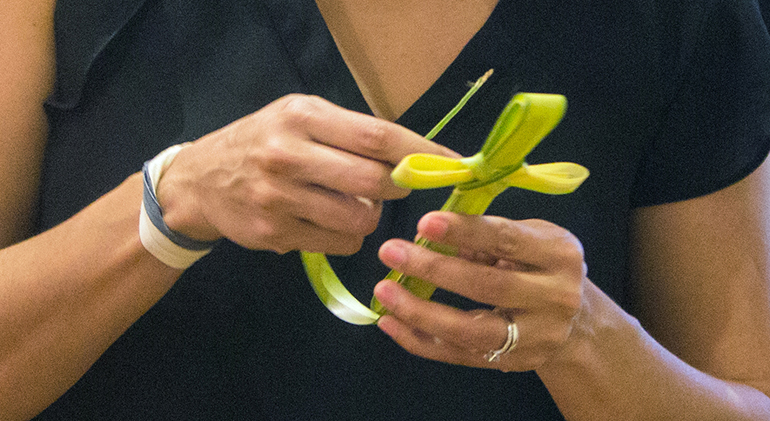
Palm branches are central to the celebration of this day. In ancient times, palms symbolized victory and triumph, and in the Church, they represent Christ’s victory over sin and death.
During Mass, palms are blessed and distributed to the faithful, who often take them home as sacramentals—visible reminders of spiritual realities. Many Catholics place them in their homes, behind crucifixes, or in prayer spaces as a sign of protection and devotion.
In a beautiful liturgical cycle, these same palms are later burned to create ashes for the following year’s Ash Wednesday, linking Christ’s triumph with our call to repentance.
✝️ The Liturgy: Joy and Sorrow Together
Palm Sunday Mass is unique because it contains two distinct and contrasting moments:
1. The Procession of Palms
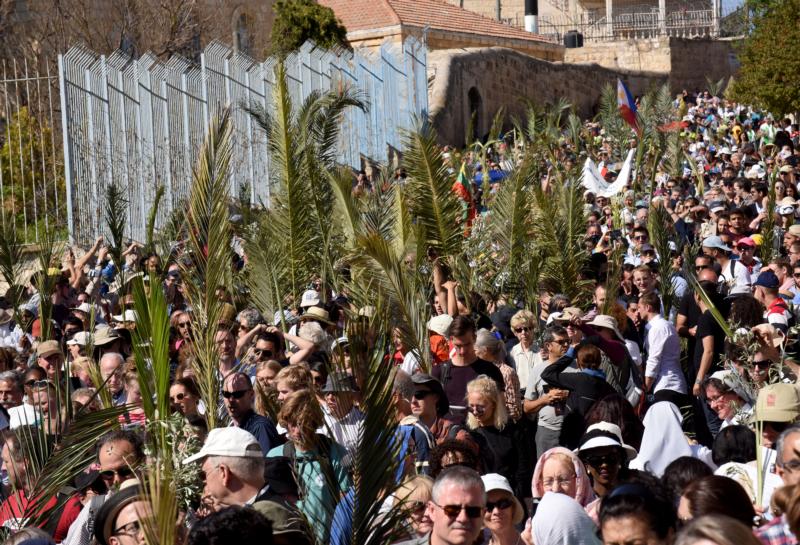
The celebration often begins outside the church with a procession, recalling Jesus’ entry into Jerusalem. The faithful carry palm branches, singing hymns of praise just as the crowds did centuries ago.
2. The Proclamation of the Passion
Later in the Mass, the tone shifts dramatically as the Passion narrative is read—often with multiple voices representing different characters. This reading recounts the suffering and death of Christ.
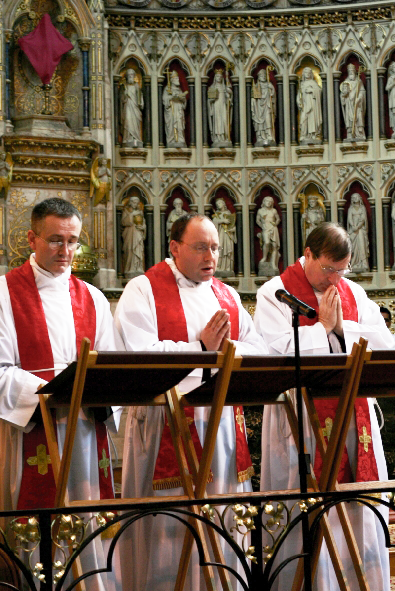
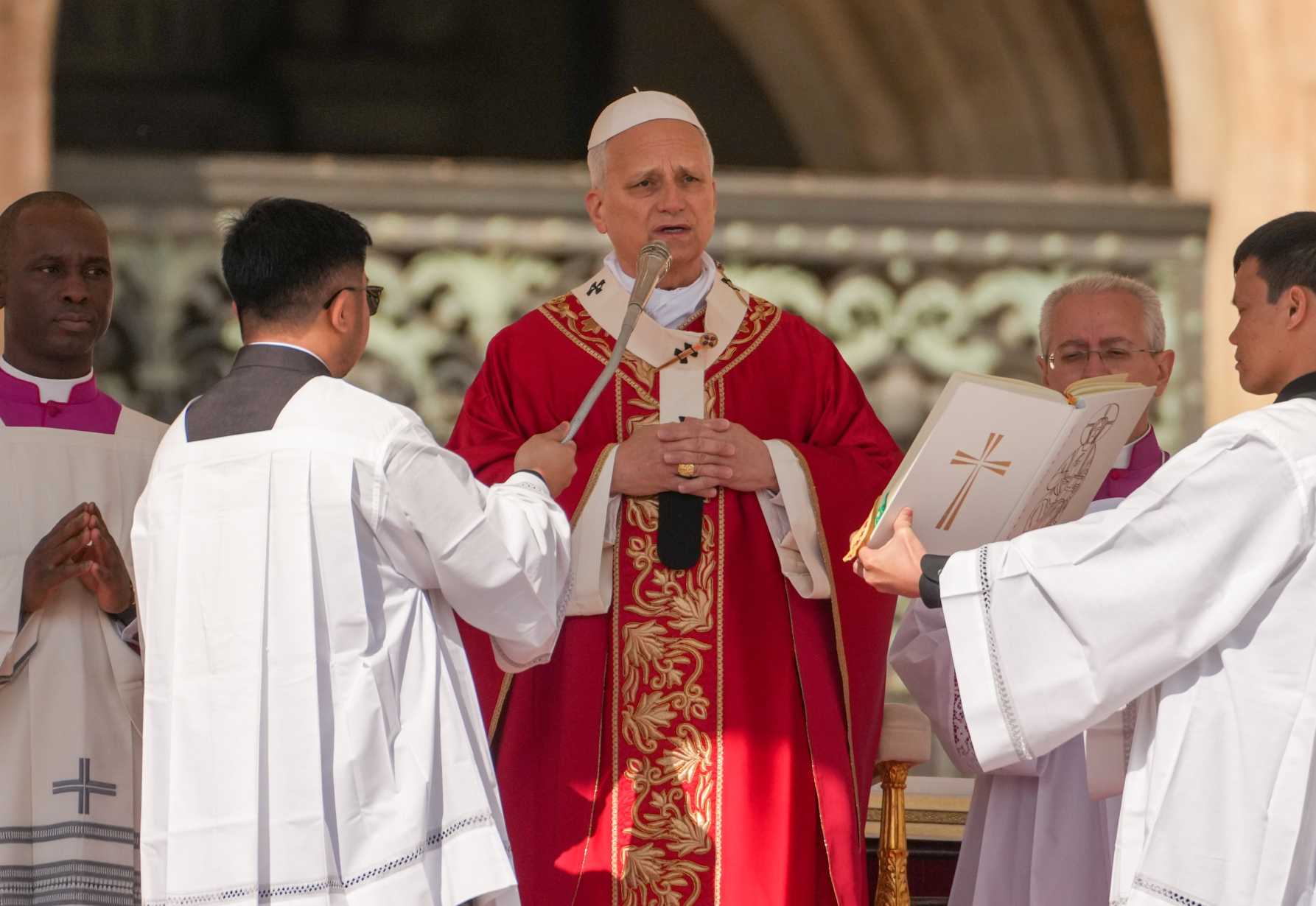
The priest wears red vestments, symbolizing the blood of Christ’s sacrifice. The liturgy intentionally holds both joy and sorrow together, reminding us that glory and suffering are inseparably linked in the Christian life.
📖 A Story That Defines All Stories
Palm Sunday is not just a historical remembrance—it is an invitation.
The Church presents this day as a “defined story”—one that shapes how believers understand love, sacrifice, betrayal, and redemption. As we hear the Passion, we are not passive listeners; we are participants, called to reflect:
Where do we stand in the crowd?
Are we praising Christ one moment and turning away the next?
How do we respond to suffering, both our own and others’?
This day challenges us to confront the reality of sin while embracing the hope of salvation.
🕊️ Humility and Kingship
One of the most striking elements of Palm Sunday is how Jesus enters Jerusalem—not on a war horse, but on a donkey.
This detail is deeply symbolic:
A war horse represents power, conquest, and earthly authority.
A donkey represents humility, peace, and service.
Christ reveals a different kind of kingship—one rooted not in domination, but in self-giving love. He is both King and Suffering Servant, a paradox that lies at the core of Christian belief.
🌿 Entering Holy Week
Palm Sunday opens the door to Holy Week, leading toward the profound events of:
Holy Thursday – The Last Supper
Good Friday – The Passion and Crucifixion
Holy Saturday & Easter Vigil – The Resurrection
It is a day that asks us not just to remember, but to walk with Christ—through praise, through suffering, and ultimately, toward new life.
✨ Final Reflection
Palm Sunday is a mirror of the human heart and a revelation of divine love. It reminds us that faith is not just about moments of joy, but also about fidelity in times of trial.
As we hold our palm branches, we are invited to follow Christ—not only in celebration, but all the way to the Cross… and beyond it, to the hope of Resurrection.
“Hosanna in the highest!” — and may those words echo in our lives, not just today, but every day.
If you liked this article, pleAse share your feedback, share with others and come back for more stories.
“Now for a little while you may have had to suffer grief in all kinds of trials. These have come so that the proven genuineness of your faith… may result in praise, glory and honor when Jesus Christ is revealed.”
These words are both comforting and confronting. They remind us that suffering is not meaningless—it is purposeful. When surrendered to God, our pain becomes a forge, shaping us into something refined, resilient, and radiant with faith.
🔄 A Shift in Perspective
Our natural response to hardship is often to ask: “Why is this happening to me?”
But Scripture invites us into a deeper, more transformative question: “How is God at work here?”
This shift is subtle, yet powerful. The first question centers on confusion and often leads to frustration. The second opens our hearts to purpose and invites trust. It moves us from resistance to surrender.
🔥 The Refining Fire of Faith
Peter compares our faith to gold refined in fire. Gold, though precious, must endure intense heat to remove impurities. In the same way, our faith is purified through trials.
Trials reveal what we truly believe
Hardships strip away self-reliance
Suffering draws us closer to God
What emerges is a faith that is not fragile or conditional, but steady and genuine.
🙏 Living It Out Daily
4
Living this truth is not theoretical—it is deeply practical. Here are a few ways to embody this perspective:
1. Pause and Pray
Instead of reacting immediately, bring your situation before God. Ask for clarity, strength, and trust.
2. Seek God’s Purpose
Look for what God might be teaching you. Growth often hides within discomfort.
3. Stay Rooted in Scripture
Verses like 1 Peter 1:6–7 anchor us when emotions fluctuate.
4. Encourage Others
Your testimony in hardship can become someone else’s hope.
🌅 From Trial to Testimony
4
Trials are never easy. But they are never wasted when placed in God’s hands.
What feels like breaking may actually be refining. What feels like loss may be transformation.
And what feels like the end may be the beginning of a deeper, stronger, more authentic faith.
✨ Final Reflection
The next time you face hardship, resist the urge to ask only “Why?”
Instead, lean into the question: “God, what are You doing in me through this?”
Because in His hands, even suffering becomes sacred— a fire that does not destroy, but purifies.
Thank youfor reading this article. Please comment and share with others.
Are You Jesus? Carrying On His Work in a Busy World
4
Verse to live: “Seek first the kingdom of God and his righteousness.” — Gospel of Matthew 6:33
A Question That Changes Everything
Are you Jesus? At first, that question sounds uncomfortable—even wrong. But look deeper. You are not the Jesus, yet you are called to carry on His work. His love. His mission. His way of living.
Jesus didn’t just come to be admired—He came to be followed. And following Him means something radical: letting His life reshape yours.
The Problem: A Life Too Full
Modern life is loud, fast, and demanding. Your calendar fills up. Your phone never stops. Your mind is always racing.
And somewhere in the noise, the quiet voice of Jesus gets drowned out.
How much of your busyness is preventing you from living the life Jesus is calling you to live?
Are you too busy to listen?
Too distracted to care deeply?
Too guarded to love freely?
Busyness isn’t just a schedule problem—it’s often a spiritual barrier.
What Does It Mean to “Be Like Jesus”?
4
To carry on His work means choosing His way daily:
Love without condition
Serve without recognition
Forgive without limits
Trust God without fear
Jesus lived with purpose, not pressure. He was never rushed, yet He changed the world.
When you “seek first the kingdom,” you’re not adding another task—you’re reordering your entire life.
Letting Your Guard Down
One of the biggest obstacles isn’t just busyness—it’s protection.
We guard:
Our time
Our emotions
Our vulnerability
But Jesus calls you to something deeper: surrender.
Letting your guard down means:
Being honest with God
Allowing others to see your real self
Trusting that God is enough
It takes courage. Real courage.
A Simple Shift That Changes Everything
What if today you made one small change?
Instead of asking: “What do I need to get done today?”
Ask: “How can I live like Jesus today?”
That one question can transform:
Your conversations
Your priorities
Your purpose
Prayer
Jesus, give me the courage to let my guard down. Jesus, give me the courage to let down my guard.
Help me to release the busyness that distracts me from You. Teach me to seek Your kingdom first. Show me how to carry on Your work in my everyday life.
Amen.
Final Thought
You may not be Jesus—but you are called to reflect Him.
And in a world full of noise, pressure, and distraction, living like Him might be the most powerful thing you can do.
Thank you for reading this article. Please share with others.
You are signing up for Daily Email Reflections. The Holy Week Retreat will start on Palm Sunday.
A Bold New Experience
You have a place in the greatest love story of all time. Are you ready to discover it?
Do you want to have the kind of Holy Week that changes your entire life?
Starting on Palm Sunday, join Fr. Jonathan Meyer (and Catholics across America!) on an epic journey through the Stations of the Eucharist.
This incredible retreat will guide you through fourteen stations from Genesis to Revelation that will reshape the way you see the rest of your life. Get ready to break open the Scriptures, immerse yourself in the story of salvation history, and consider the sacrifice of Jesus Christ like never before.
Inspired by the timeless practice of Stations of the Cross, this revolutionary new devotion will open your eyes to amazing spiritual insights. And it will invite you to encounter the God who has been patiently and passionately revealing His heart to humanity—and to you. It really is the Ultimate Holy Week Retreat.
10 Things This Retreat Will Teach You
Learn how to…
Recognize the Eucharist as God’s plan from the very beginning of salvation history
See the Mass as the most powerful and transformative moment on earth
Uncover the Eucharist hidden throughout the Old Testament
Pray with Scripture in a new and eye-opening way
Understand the inseparable connection between the Cross and the Eucharist
Satisfy the deepest hunger of your heart through communion with God
Allow the Mass to transform the way you live, love, and forgive each day
Defend Catholic teaching about the Eucharist with courage
Rediscover awe, reverence, and intimacy with Jesus in the Blessed Sacrament
Find your place in the greatest love story of all time
…and much more.
A Transformative Holy Week Retreat Experience
✨ A Bold New Experience
You have a place in the greatest love story of all time. The question is: are you ready to discover it?
This Holy Week, you’re invited into something deeper—something that goes beyond routine, beyond tradition, and into a life-changing encounter with Christ.
Starting on Palm Sunday, join Fr. Jonathan Meyer and Catholics across the country on a powerful spiritual journey through the Stations of the Eucharist—a retreat designed to renew your heart, strengthen your faith, and awaken your understanding of God’s love.
🙏 What Are the Stations of the Eucharist?
Inspired by the timeless devotion of the Stations of the Cross, this retreat introduces a revolutionary way to walk through salvation history—from Genesis to Revelation—through the lens of the Eucharist.
Across fourteen powerful stations, you’ll:
Break open Sacred Scripture
Discover the hidden presence of the Eucharist throughout the Bible
Encounter Christ in His sacrifice and in His gift of Himself
This is not just a reflection. It’s an invitation to step into the story—your story within God’s story.
🔥 Why This Holy Week Can Change Your Life
4
Do you want a Holy Week that truly transforms you?
This retreat is designed to help you:
Move from routine to real encounter
Rediscover the power of the Mass
Experience a deeper intimacy with Jesus Christ
You’ll begin to see that the Eucharist is not just a ritual—it is the most powerful and transformative reality on earth.
📖 10 Life-Changing Lessons You’ll Learn
By the end of this journey, you will learn how to:
Recognize the Eucharist as God’s plan from the very beginning
See the Mass as the most powerful moment on earth
Uncover the Eucharist hidden throughout the Old Testament
Pray with Scripture in a fresh, eye-opening way
Understand the deep connection between the Cross and the Eucharist
Satisfy the deepest hunger of your heart through communion with God
Let the Mass transform how you live, love, and forgive
Defend Catholic teaching about the Eucharist with confidence
Rediscover awe, reverence, and intimacy with Jesus
Find your place in the greatest love story ever told
…and so much more.
💌 Join the Daily Email Reflections
Sign up to receive daily reflections throughout Holy Week, guiding you step-by-step through this unforgettable retreat experience.
📅 Begins: Palm Sunday
📬 Delivered straight to your inbox
🙏 Designed for prayer, reflection, and transformation
Email Address: ___________________________
🌿 Your Invitation
This Holy Week is not just another date on the calendar.
It’s an opportunity. A turning point. A moment of grace waiting to be received.
Step into the mystery. Encounter the Eucharist. Discover the love that changes everything.
Your life is one of the most powerful, meaningful stories ever written—unique, unrepeatable, and still unfolding. Each day is a new page, filled with opportunities, lessons, and unexpected blessings. When you begin to see your life as a living story authored with purpose, even the uncertain moments take on deeper meaning.
📚 Every Chapter Has Purpose
There are chapters filled with joy—moments of laughter, success, and connection. There are also chapters that feel heavy, marked by struggle, doubt, or waiting. But just like any great book, every chapter serves a purpose.
Even the parts you wish you could skip are often the ones that shape your character the most. Growth rarely happens in comfort—it happens in the middle of challenges, where faith is stretched and strengthened.
🌅 Turn the Page with Expectation
Instead of fearing what comes next, choose to turn each page with anticipation. What if the next chapter brings unexpected joy? What if something beautiful is already unfolding behind the scenes?
Living with expectation doesn’t mean life will be perfect—it means trusting that something meaningful is always being written, even when you don’t fully understand it yet.
🙏 Trust the Author of Your Story
At times, the plot may feel confusing. You may wonder why certain things happen or why answers don’t come right away. But faith reminds us that the Author sees the entire story—from beginning to end.
When you trust God with your story, you release the pressure of trying to control every outcome. Instead, you learn to walk forward with peace, knowing that every page is part of a bigger, beautiful design.
💫 Embrace the Journey
Take time to reflect on how far you’ve come. Celebrate the victories, learn from the setbacks, and appreciate the small, quiet moments in between.
Your story isn’t just about the destination—it’s about who you become along the way.
🌟 Final Thoughts
Your life is not a finished book—it’s a story still being written. So keep turning the pages with excitement, hope, and faith. The best chapters may still be ahead.
No matter where you are right now, trust this: something meaningful is unfolding. Keep going. Keep believing. And stay expectant for what God will do next.
💬 Call to Action What chapter of your life are you in right now? Share your thoughts in the comments and encourage someone else who may be walking a similar journey.
Thank yofor reading this article. Please share with others.
The Angel of the LORD declared unto MaryAnd she conceived of the Holy Spirit
Solemnity of the Annunciation of the LordMarch 25, 2026Tomorrow we celebrate the great and wonderful feast of the Annunciation of the birth of Jesus Christ.
While it is natural for us to think of Christmas as the feast of the Incarnation (when God became man), it is actually tomorrow’s feast, 9 months prior, in which the infinite, all-powerful God entered His creation in the womb of Mary.
God created the heavens and the earth with His Fiat—Let there be light. God entered into His creation with Mary’s Fiat—Let it be done unto me.
Smelling Like The Sheep
The Lord is my shepherd; there is nothing I shall want. We sang these words of Psalm 23 just a few weeks ago, praising our Good Shepherd.
With Mary’s Fiat, the Good Shepherd became a sheep. The Creator became a creature. The all-powerful and almighty God chose to become a weak and helpless child in the womb of His mother.
This feast is not simply a day in which we remember Gabriel’s greeting or the miraculous message delivered to Mary. Tomorrow we celebrate the humble love of God, the truly Good Shepherd who became one of the sheep to save us all.
As the early Christians said, “The Son of God became a son of man, so that sons of men might become sons of God.”
The Angelus A beautiful way to reflect on this magnificent feast and to begin to plumb the depths of its mystery is to pray the Angelus.
—What is the Angelus?The Angelus (Latin for “Angel”) is a short devotional prayer with roots dating back nearly 1,000 years. Typically prayed three times a day (6 am, noon, 6 pm), the Angelus can help us sanctify our entire day, pausing at these set times to reflect on the mystery of the Incarnation and God’s love for us.—How to pray the Angelus
This devotional is generally prayed in a call-and-response format, making it perfect for families! The leader prays the versicle (V)—which is just a fancy word The Angel of the LORD declared unto Mary short verse—and everyone else prays the response
(R). There are four sets of these verses, three of them followed by a Hail Mary, and the final one followed by the concluding prayer. You can pray the Angelus below, then keep reading for our special prayer challenge!
The Angelus
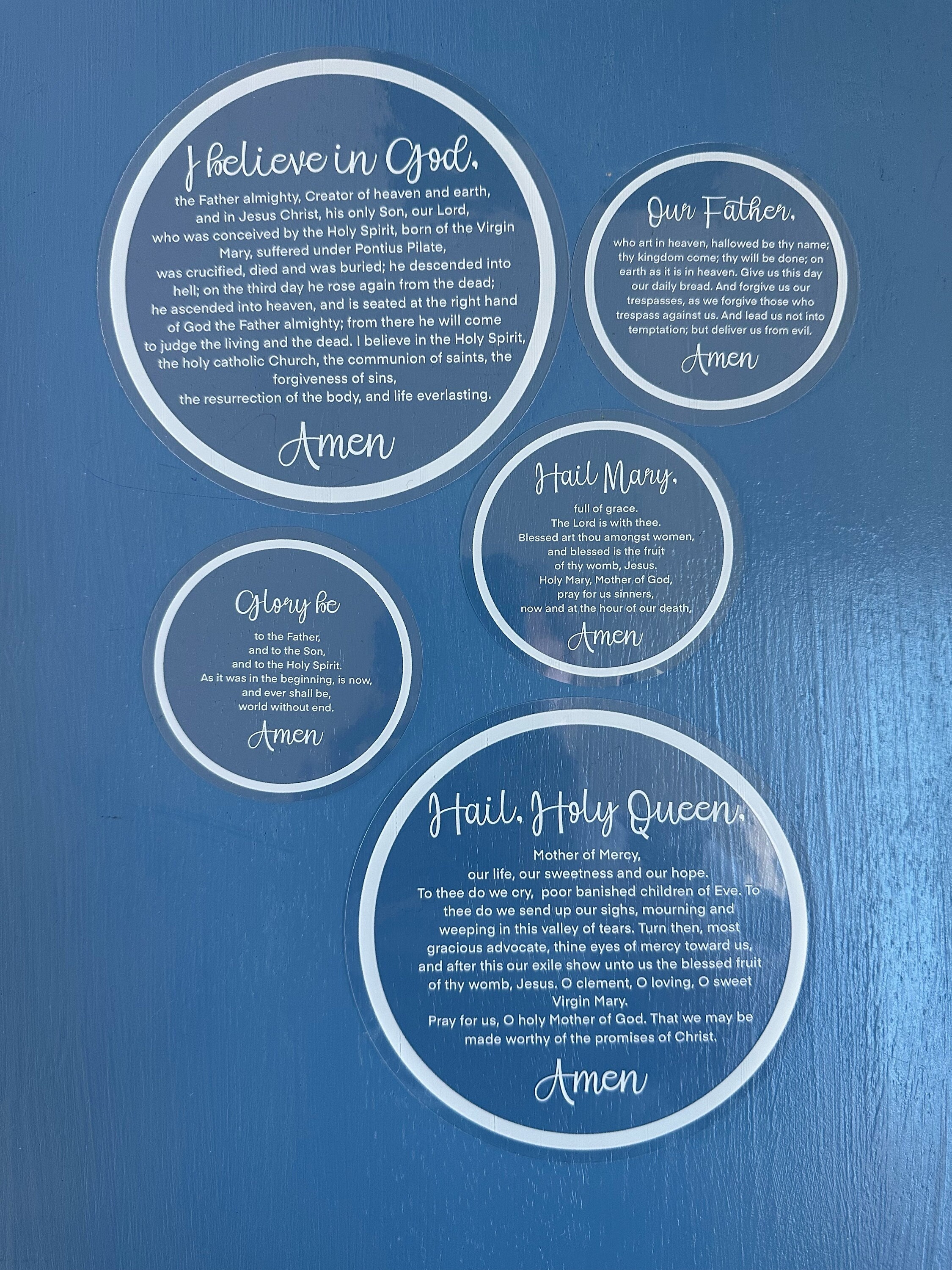
V/. The Angel of the Lord declared unto Mary, R/. And she conceived of the Holy Spirit. Hail Mary… V/. Behold the handmaid of the Lord, R/. Be it done unto me according to your Word. Hail Mary… V/. And the Word was made flesh, R/. And dwelt among us. Hail Mary… V/. Pray for us, O holy Mother of God, R/. That we may be made worthy of the promises of Christ.
Let us pray. Pour forth, we beseech you, O Lord, your grace into our hearts: that we, to whom the Incarnation of Christ your Son was made known by the message of an Angel, may by his Passion and Cross be brought to the glory of his Resurrection. Through the same Christ our Lord. Amen.
A Prayer Challenge Prayer is powerful. As one author put it, “if we saw all the difference even the tiniest of our prayers to God make…we would be unable to get up off our knees for the rest of our lives.” Let’s make a difference! We have over 150,000 people reading this email right now, and we have a prayer challenge for all of you.Commit to praying the Angelus tomorrow, on the Solemnity of the Annunciation.
Set your alarm (6 am, noon, 6 pm). When that alarm goes off, fight the urge to snooze it. Stop what you are doing and pray. Reflect on the wonderful mystery of the Incarnation. With each Hail Mary, allow our Blessed Mother to draw you into her love for her Son and our Lord. Then, think of one person who needs to know the Good Shepherd, and pray for them.
To make it easy, we’ve created a prayer card that you can download and print out. Simply click the button below, and set your alarm!The Angelus Prayer Card Just think…150,000 people praying the Hail Mary nine times tomorrow (three times with each Angelus)….that is over 1.3 million Hail Marys being said on this wonderful solemnity.
Wow! We can’t wait to see what the Good Shepherd does with all those prayers.If you commit to the challenge, let us know by clicking the button below and sharing your prayer requests. The Flocknote Team will be praying for you and your intentions as well! Commit to the challenge:
In the private revelations recorded in the diary of Saint Faustina Kowalska, Jesus Christ entrusted a simple yet profound promise:
“When you say this prayer, with a contrite heart and with faith on behalf of some sinner, I will give him/her the grace of conversion.” (Diary 186–187)
The prayer itself is striking in its brevity:
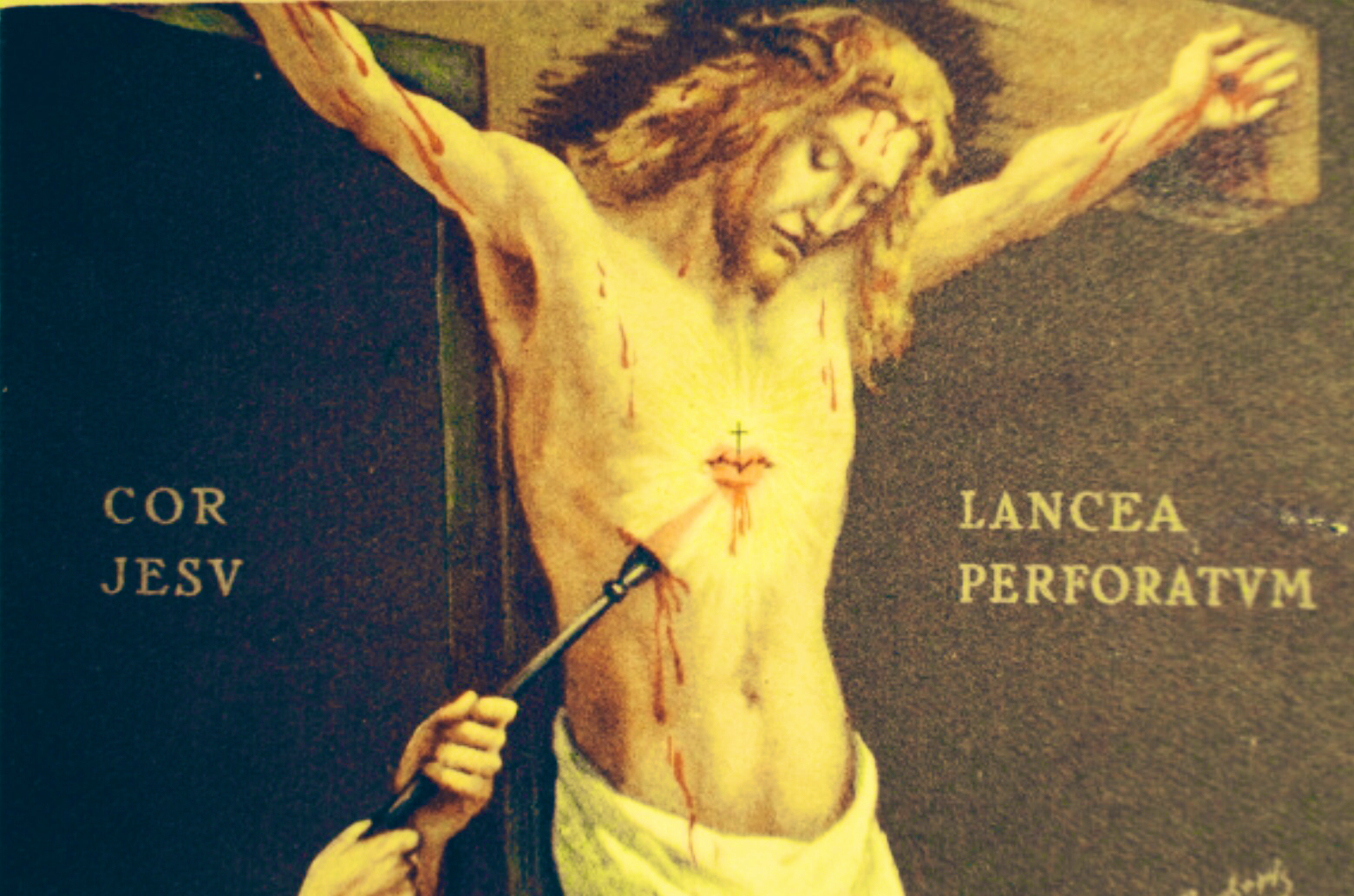
“O Blood and Water, which gushed from the Heart of Jesus as a fount of Mercy for us, I trust in You.”
These words echo the mystery of Christ’s pierced Heart, from which flowed blood and water (cf. John 19:34), symbolizing the sacraments and the boundless mercy of God poured out for humanity.
The Meaning Behind the Prayer
This prayer is not merely devotional—it is deeply theological and spiritual:
Blood represents the Eucharist, the life of Christ given for the world.
Water symbolizes Baptism, the cleansing and rebirth of the soul.
Together, they reveal Divine Mercy—God’s healing love offered even to the greatest sinners.
When we pray these words, we are:
Placing our trust in Jesus
Interceding for others, especially sinners
Opening ourselves to conversion and grace
A Prayer for Others
One of the most powerful aspects of this promise is that it is intercessory. Jesus specifically says the prayer can be offered on behalf of someone else.
This means:
You can pray it for a loved one far from faith
For someone struggling with sin or despair
Even for those who do not believe
It becomes an act of spiritual charity—standing before God for another soul.
The Role of a Contrite Heart
The promise is not mechanical. Jesus emphasizes two essential conditions:
Contrition – a sincere sorrow for sin
Faith – trust in His mercy
Without these, the words remain empty. With them, the prayer becomes powerful.
A contrite heart is not perfection—it is humility. It says:
“Lord, I need Your mercy—and so does this person I pray for.”
Living the Prayer Daily
You can incorporate this prayer into your daily life in simple ways:
Morning offering – entrust someone to God’s mercy
During struggles – repeat it when worried about someone
At the hour of mercy (3 PM) – unite it with Christ’s Passion
Before sleep – commend souls to God
Its simplicity makes it accessible anytime, anywhere.
A Fountain That Never Runs Dry
The image of the “fount of Mercy” reminds us that God’s mercy is not limited. No sin is too great, no soul too far.
This short prayer becomes a doorway:
From despair → to hope
From sin → to conversion
From fear → to trust
And perhaps most importantly, it transforms the one who prays it.
Final Reflection
In a world often marked by judgment and division, this prayer calls us back to the heart of the Gospel: mercy.
Each time we whisper: “O Blood and Water… I trust in You,” we participate in a mystery greater than ourselves—the saving love of Christ reaching another soul.
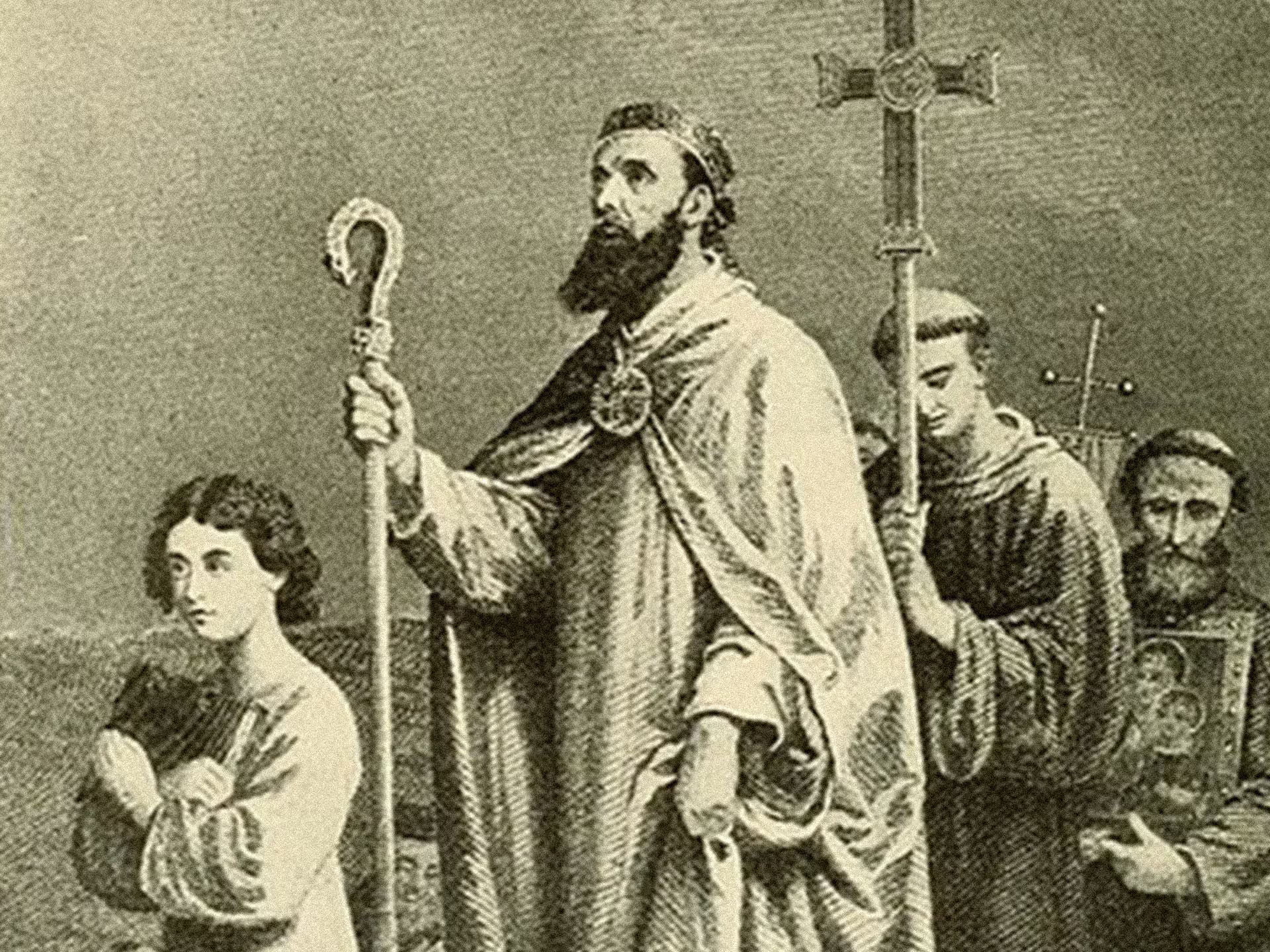
Patrick was not a green-clad, Irish, Roman Catholic saint. He was a missionary, one willing to lay down his life for the gospel.
Celtic Culture and Legends
There is, perhaps, more lore surrounding Patrick, the missionary who brought the good news of Christ to Ireland, than any other missionary in Christian history. In order to understand the real Patrick, we must first understand a little about pre-Patrick Ireland.
Ireland was a nation shaped by the polytheistic religion of the druids. They worshiped multiple gods and goddesses associated with natural elements. Sun, water, earth, etc. all had deities connected to them. They were also a hierarchical society, structured around priests, novices, bards, and seers. Each was deeply involved in pagan practice.
It’s worth debunking some legends and assumptions about Patrick too, like, for example, that he was Irish. Patrick came to Ireland as a missionary, but he was not, in fact, Irish. The real Patrick was abducted by the Irish and enslaved, escaped, and then later returned as a missionary.
Other legends include stories that Patrick used the shamrock to teach the Trinity, that he drove the snakes from Ireland, or that he jabbed his staff into the ground and it blossomed into a tree, converting many to Christianity. Although there may be profound truths or metaphors at the roots of these legends, not one is based in fact. Furthermore, the famous “Patrick’s Breastplate” slogan – “Christ be with me, Christ within me, Christ behind me, Christ before me, Christ to me, Christ beneath me, Christ above me” – cannot be attributed to Patrick with any measure of confidence. Finally, despite common usage, “Saint Patrick” was never canonized as a saint in the Roman Catholic Church.
The Real Patrick
So, if “Saint Patrick” wasn’t a saint, wasn’t Irish, and didn’t do the things he’s most well known for, who was he? From his few surviving letters and his Confessio, it seems that Patrick was more like the missionaries we recognize today than the legends would have it. He was a preacher. He used words, not miracles and signs and wonders.
Patrick was born around 385, and he died sometime between 461 and 464. We know that his family was well to do, but unlike many of his class in those times is that he doesn’t have the same level of education. He was raised in a Christian home. His father, Calpurnius, was a deacon, son of Potitus, a presbyter. We also know that he was from Bannavem Taburniae. Tradition has it that Bannavem Taburniae is in Scotland, Wales, England, or even France, but the exact location has never been found.
When he was around 16 years old Patrick was enslaved. We’re told that he herded goats, sheep, or swine (possibly added because of the parable of the prodigal son). Of this time, Patrick wrote that,
“the Lord opened to me the sense of my unbelief that I might at last remember my sins and be converted with all my heart to the Lord my God, who had regard for my lowest state and pitied my ignorance and youth.”
Eventually the newly converted Patrick was able to escape and return to his home by stowing away on a ship. But, perhaps surprisingly, in the time he was away from the Irish people, his heart for the Irish grew. One night he had a vision of man who delivered a letter, “The Voice of the Irish,” which begged him to return to Ireland.
Patrick resolved to return to Ireland, but he took time to pursue ministerial preparation and theological training. He spent 12 years studying the scriptures in a French monastery called the monastery of St. Germain. As he prepared to go, he said, “I am ready to be killed, betrayed into slavery or whatever may come my way for the sake of your name.”
Return to Ireland
Patrick returned to Ireland not knowing whether he would have success. He didn’t have modern demographic research, and very little knowledge of the Irish appetite for the gospel, but the Lord blessed his work:
“For I am greatly God’s debtor, who has granted me such grace that many people through me were reborn to God and afterward confirmed, and that clergy were ordained everywhere for them, for a people newly come to belief, whom the Lord took from the ends of the earth, as he once promised through the prophets… So that even before my death I should see a multitude of peoples born again in God.”
Despite lacking a corpus of the sermons of Patrick, we know he had success in his ministry as a pastor. Some attribute this to the king, because under Patrick’s ministry the magistrate put to death 800 druid priests who were unwilling to be converted. However, the growth of Celtic Christianity in the years following would suggest something more than political expedience.
Patrick is buried in Downpatrick in Northern Ireland. A cathedral was built on the site, said to be Patrick’s stone under which he’s buried.
Celtic Christianity
The Ireland of Patrick’s day had never been part of the Roman Empire, though its harbors were known to the Romans through trade. It was probably merchants who first brought Christianity to Ireland in the fourth century. In 431, Pope Celestine sent a man named Palladius from Gaul to the Christians in Ireland. Almost nothing is known about Palladius’s role in the spread of Christianity in Ireland. But it’s likely that some Irish already knew something of Christianity even before Patrick arrived.
After Patrick’s death, Celtic Christianity continued to flourish for well over 200 years without any involvement from Rome. It was a church in which Scripture was the primary source of authority, guiding the community’s faith and practice. Monasteries, pastors, and elders within the church were connected and there was discussion among them as to what should be going on within the church. They weren’t just developing different thoughts and ideas on their own. There was also an emphasis on personal religion, and there was a missionary zeal, a fervor to spread Christianity. This was a focus on what some would call “all of life Christianity,” their faith affecting their homes, their private lives, their communities, and the state. But this didn’t last forever.
There was, eventually, a romanizing of Celtic Christianity, at the Synod of Whitby in 664, born from a desire to align with Rome in order to strengthen ties to a broader Christianity. The shift would essentially destroy Celtic Christianity, replacing it with what was in Rome.
Patrick’s Legacy
The next time St. Patrick’s Day comes around, remember that Patrick was not a green-clad, Irish, Roman Catholic saint. He was a missionary, one willing to lay down his life for the gospel. One fully committed to the advancement of the gospel through the growth of the church – seeking worship from the voice of the gospel. Patrick was a man of grace.
As Patrick said so long ago, “I am greatly a debtor to God who has granted me such great grace that many people through me should be reborn to God.”
“I am ready to be killed, betrayed into slavery or whatever may come my way for the sake of your name.”
Additional Resources
Read an article debunking myths and telling of Patrick’s life.
Why You Should Stop Worrying and Completely Surrender Your Problems to God
Many people spend their lives weighed down by worry. We worry about the future, our families, finances, health, and countless other things beyond our control. Yet spiritual wisdom reminds us of a powerful truth: peace begins when we surrender our worries to God.
The message is simple but profound:
“Why do you confuse yourselves by worrying? Leave the care of your affairs to me and everything will be peaceful. I say to you in truth that every act of true, blind, complete surrender to me produces the effects that you desire and resolves all difficult situations.”
These words invite us to trust deeply and release the burdens we carry unnecessarily.
The Burden of Worry
Worry often comes from the illusion that we must control everything. When life becomes uncertain, our minds try to solve problems before they even exist. The result is anxiety, restlessness, and exhaustion.
But worry rarely changes outcomes. Instead, it drains our energy and prevents us from experiencing the peace that faith can bring.
Faith invites us to replace anxiety with trust.
What True Surrender Really Means
True surrender does not mean giving up or becoming passive. It means:
Trusting that God sees the bigger picture
Believing that divine wisdom is greater than our understanding
Letting go of fear and accepting guidance with faith
Complete surrender is an act of humility. It acknowledges that while we can do our best, we do not carry life alone.
When we surrender our worries, we create space for peace, clarity, and solutions to appear.
The Peace That Comes from Trust
When we entrust our concerns to God, something remarkable happens: our hearts become lighter.
Instead of being trapped in cycles of worry, we begin to experience calm and confidence. Problems that once seemed overwhelming become manageable. Often, solutions appear in ways we never expected.
Surrender transforms our perspective. Rather than asking, “How will I solve this?” we begin to ask, “How is God guiding me through this?”
Practicing Surrender in Daily Life
Learning to surrender is a daily practice. It can be strengthened through small steps:
Prayer: Speak honestly about your worries and entrust them to God.
Reflection: Pause when anxiety rises and remember that you are not alone.
Trust: Believe that every challenge can lead to growth and resolution.
Letting go: Release the need to control outcomes.
Each moment of surrender deepens faith and invites peace into our lives.
A Final Reflection
Life will always present uncertainties. But worry is not the answer. True peace comes when we trust that God is already working within our circumstances.
When we surrender completely—with faith, humility, and openness—we discover that many problems resolve themselves in ways beyond our imagination.
So the next time worry begins to take hold, remember these words:
“Leave the care of your affairs to me and everything will be peaceful.”
In surrender, we find not weakness—but strength, clarity, and peace.
Pray 10 times: “O Jesus, I surrender myself to you, take care of everything.”✨








































 And she conceived of the Holy Spirit