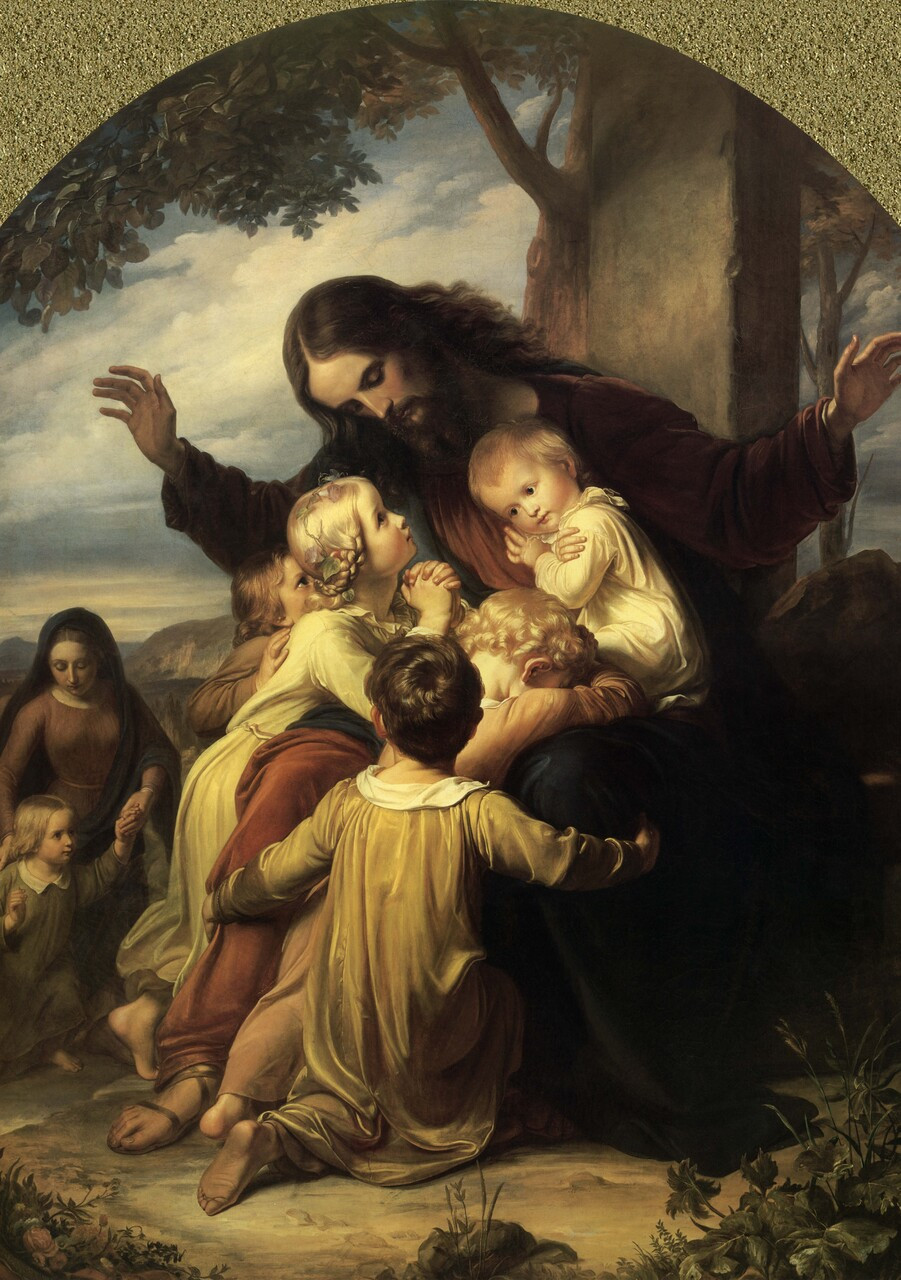
In a world filled with uncertainty, stress, and constant change, humanity continues to search for something deeper—true joy. Not the temporary happiness that comes from possessions, success, or circumstances, but a lasting joy that satisfies the soul. For millions of believers across the world, that joy is found in Jesus Christ.
The message of the Gospel declares that Jesus is the joy of every human heart. His love, grace, and promise of eternal life bring hope to people in every nation, culture, and generation.
A Joy That Goes Beyond Circumstances
Many things can bring temporary happiness: achievements, relationships, wealth, or entertainment. Yet these joys often fade when life becomes difficult.
Jesus offers something different—a joy that remains even in hardship.
When Jesus spoke to His disciples, He promised them a joy that no one could take away. This joy does not depend on the situation around us but on the relationship we have with Him. Even during trials, believers experience peace and strength through faith in Christ.
True joy comes from knowing:
You are loved by God.
Your life has purpose.
Your future is secure in Him.
Jesus Brings Hope to the Brokenhearted
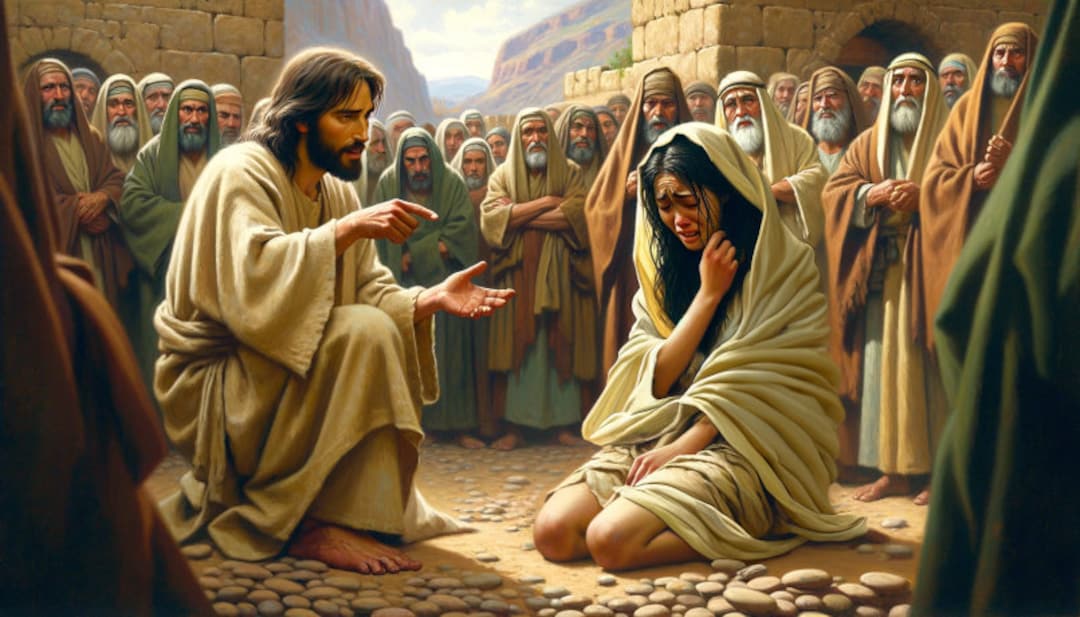
Throughout His ministry, Jesus reached out to those who were hurting—the sick, the rejected, the poor, and the brokenhearted. He offered healing, forgiveness, and restoration.
His compassion revealed the heart of God.
Even today, people who feel lost, burdened, or discouraged discover that Jesus meets them in their pain. Through prayer, Scripture, and faith, many testify that Christ brings comfort that the world cannot give.
This is why countless believers throughout history have declared that Jesus fills the deepest longing of the human heart.
The Source of True Peace and Purpose
One of the reasons Jesus brings joy is because He gives meaning to life.
Without purpose, people often feel empty despite success or material wealth. Jesus teaches that every person is created with value and designed for a relationship with God.
Through Him we discover:
Our identity as children of God
Our calling to love and serve others
Our hope for eternal life
When people begin living with this understanding, their lives are transformed with new joy and direction.
Joy That Spreads to Others
The joy that Jesus gives is not meant to be kept to ourselves. It naturally flows outward into love, kindness, and compassion for others.
When someone experiences the joy of Christ, it often leads them to:
Encourage those who are discouraged
Help those in need
Share hope with those searching for meaning
This ripple effect is one reason Christianity has spread throughout the world for centuries. The joy of Christ becomes a light that draws others toward faith and hope.
Conclusion
Every human heart longs for joy, peace, and meaning. While the world offers many temporary solutions, only one source provides lasting fulfillment.
Jesus Christ offers a joy that goes beyond circumstances, heals the brokenhearted, and gives life eternal purpose. For those who follow Him, He becomes more than a teacher or historical figure—He becomes the true joy of the heart.
And that joy continues to transform lives every day.
In today’s Gospel reading, we encounter one of Jesus’ most sobering parables: the story of Lazarus and the rich man from the Gospel of Luke (Luke 16:19–31).
The story is simple, yet profound.
A rich man lives a life of luxury, feasting and dressing in fine clothes. At his gate lies a poor man named Lazarus, covered in sores, longing for scraps from the rich man’s table. The rich man ignores him.
Eventually, both men die.
Lazarus is carried by angels to rest with Abraham, while the rich man finds himself in torment. From his suffering, the rich man sees Abraham and Lazarus in the distance and begs for relief.
Just a drop of water.
But the chasm between them cannot be crossed.
Desperate, the rich man makes one final request: He asks Abraham to send Lazarus back from the dead to warn his brothers.
Abraham answers with words that echo across centuries:
“If they do not listen to Moses and the prophets, neither will they be convinced if someone should rise from the dead.
Even the Resurrection Did Not Convince Everyone
In his homily, the deacon made a striking point.
Abraham’s words turned out to be prophetic.
Someone did rise from the dead.
That someone was Jesus Christ.
And yet, many still do not believe.
The Resurrection is the central miracle of Christianity — witnessed by the apostles, recorded in Scripture, and proclaimed for two thousand years.
Still, belief is not automatic.
Miracles alone do not force faith.
The Miracle of the Sun at Fatima
4
History offers another remarkable example.
In 1917, during the apparitions at Fátima, tens of thousands gathered after months of reported visions of the Virgin Mary.
On October 13, after a heavy rainstorm soaked the crowd, the clouds suddenly broke.
Witnesses reported something extraordinary.
The sun appeared to spin, dance, and plunge toward the earth in a dazzling display of light and color.
An estimated 70,000 people saw it.
The event became known as the “Miracle of the Sun.”
And yet — even with thousands of witnesses — some still do not believe.
Our Lady of Guadalupe
4
Another powerful moment occurred in 1531 in what is now Mexico City.
The Virgin Mary appeared to an Indigenous convert named Juan Diego on the hill of Tepeyac.
She asked that a church be built in her honor.
When the local bishop asked for proof, Mary instructed Juan Diego to gather roses from the hilltop. It was winter — roses did not grow there, especially not in the cold.
Yet when Juan Diego opened his cloak — his tilma — roses spilled out.
And something else appeared.
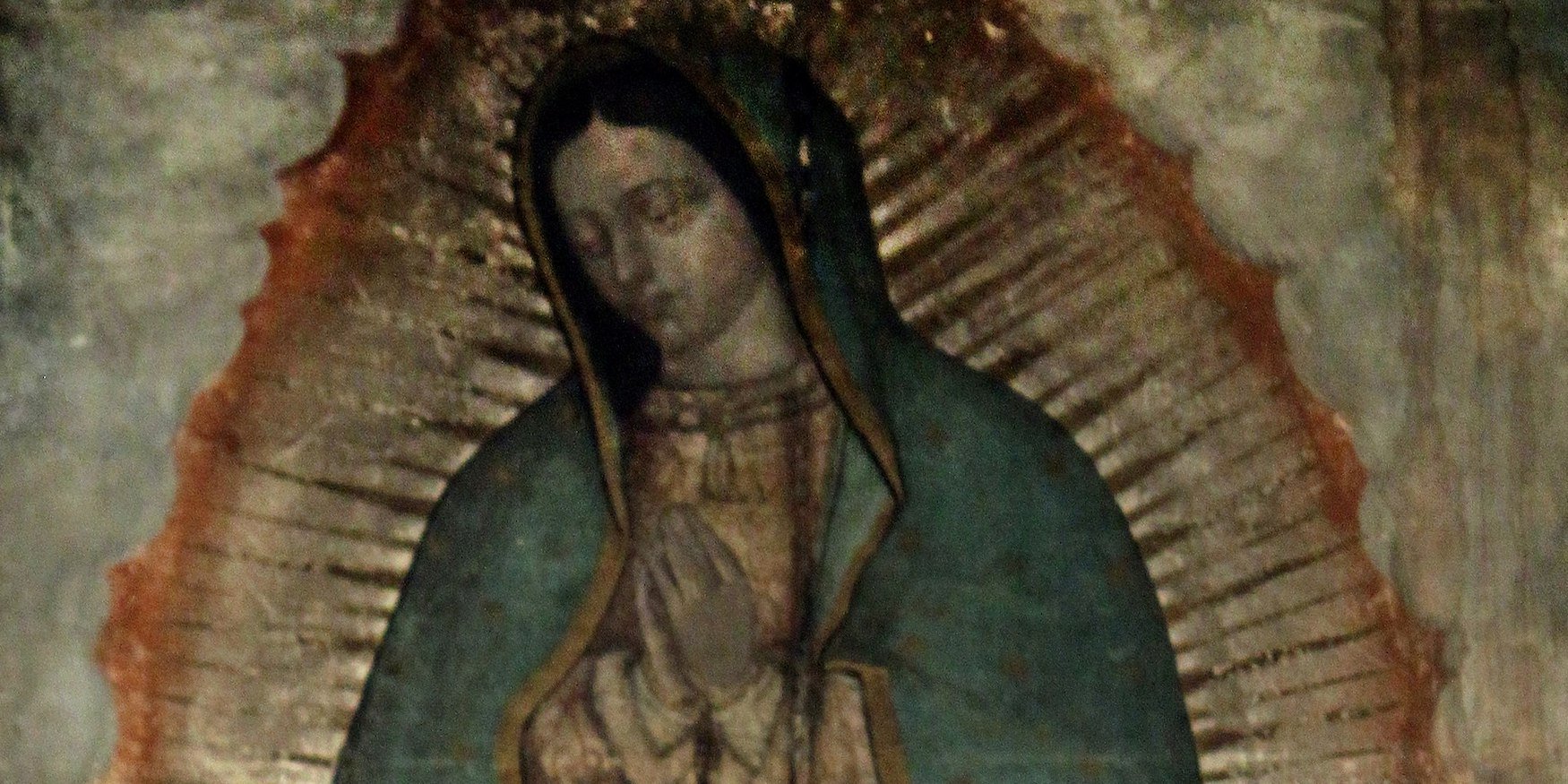
On the tilma was a miraculous image of Mary herself.
The site is now home to the great Basilica of Our Lady of Guadalupe, visited by millions every year.
Within a decade, historians estimate nine million Indigenous people converted to Christianity.
Still, some people do not believe.
The Real Message of the Parable
The lesson of the parable becomes clearer in light of these stories.
Faith is not only about seeing miracles.
It is about listening to God.
The rich man did not end up in torment because he lacked evidence of God. He had the Scriptures, the prophets, and the poor man at his gate every day.
He simply chose to ignore them.
The danger Jesus warns about is not ignorance.
It is hardness of heart.
Some Will Believe — and Some Will Not
Abraham’s words remain painfully true.
Even if someone rises from the dead…
Even if the sun dances in the sky…
Even if roses bloom in winter and a miraculous image appears on a cloak…
Some will still refuse to believe.
And perhaps the deeper question is not about miracles at all.
It is about trust.
There are people who will trust God.
And there are those who insist on doing things their own way.
The parable of Lazarus and the rich man asks each of us a quiet but serious question:
When God speaks — through Scripture, through the poor, through grace —
will we listen?
If you like this article, please share your feedback and follow me for When Even Miracles Aren’t Enough: Reflections on Lazarus and the Rich Man
As Catholics this was the reading we heard today. The second Sunday of Lent.
Introduction
The Transfiguration of Jesus is one of the most profound and mysterious moments recorded in the Gospels. It is a radiant event where heaven briefly touches earth, and Jesus’ divine glory is revealed before three of His closest disciples. This powerful episode not only confirms Jesus’ identity as the Son of God but also strengthens the faith of believers across generations.
For readers seeking a deeper understanding of Christian theology, biblical events, and the divinity of Christ, the Transfiguration stands as a cornerstone revelation.
What Is the Transfiguration of Jesus?
The Transfiguration refers to the moment when Jesus was supernaturally transformed in appearance before Peter, James, and John on a high mountain. This event is recorded in:
Gospel of Matthew 17:1–9
Gospel of Mark 9:2–8
Gospel of Luke 9:28–36
During this extraordinary moment:
Jesus’ face shone like the sun.
His clothes became dazzling white.
Moses and Elijah appeared, speaking with Him.
A bright cloud overshadowed them.
God’s voice declared: “This is my beloved Son, in whom I am well pleased. Listen to Him.”
This was not merely a vision—it was a divine revelation of Christ’s heavenly glory.
The Setting: A Mountain of Revelation
Though the Bible does not explicitly name the mountain, Christian tradition often associates the Transfiguration with Mount Tabor. Some scholars suggest Mount Hermon as a possible location due to geographical context.
Mountaintops in Scripture are places of divine encounter:
Moses received the Law on Mount Sinai.
Elijah encountered God on Mount Horeb.
Jesus often withdrew to mountains to pray.
The mountain setting emphasizes spiritual elevation, revelation, and closeness to God.
Why Did Moses and Elijah Appear?
The appearance of Moses and Elijah is deeply symbolic.
Moses represents the Law.
Elijah represents the Prophets.
Their presence shows that Jesus fulfills both the Law and the Prophets — the entire Old Testament testimony points to Him.
In Christian belief, this moment confirms that Jesus is not merely a prophet, but the fulfillment of God’s redemptive plan.
The Voice from Heaven: Divine Confirmation
At the Transfiguration, God the Father audibly affirms Jesus’ identity. This echoes Jesus’ baptism, when God also declared Him as His beloved Son.
The command “Listen to Him” shifts authority from the old covenant (Law and Prophets) to Christ Himself. This statement reinforces central Christian doctrine about Jesus’ divine authority.
Theological Significance of the Transfiguration
The Transfiguration holds deep spiritual meaning:
Revelation of Christ’s Divinity
The shining face and radiant garments reveal Jesus’ divine nature hidden within His humanity.
Preparation for the Cross
This event occurs shortly before Jesus predicts His suffering and death. The glory revealed strengthens the disciples for the coming trial of the crucifixion.
Foreshadowing the Resurrection
The radiant transformation anticipates Christ’s resurrection glory and the future glorification of believers.
The Kingdom Revealed
Some theologians interpret the Transfiguration as a preview of the coming Kingdom of God.
The Feast of the Transfiguration
Many Christian traditions commemorate this event annually. In the Roman Catholic, Eastern Orthodox, and Anglican Churches, the Feast of the Transfiguration is celebrated on August 6.
The event is especially central in Eastern Orthodox spirituality, where it is linked to the concept of divine light and transformation through union with God.
Spiritual Lessons for Believers Today
The Transfiguration is not only a historical event — it carries practical spiritual application:
Moments of glory prepare us for valleys of suffering.
Prayer opens the door to divine revelation.
Christ’s glory transforms those who follow Him.
We are called to listen to Jesus above all other voices.
Just as the disciples witnessed Christ’s glory before facing His crucifixion, believers today are strengthened by glimpses of God’s presence during challenging seasons.
Conclusion
The Transfiguration of Jesus remains a luminous moment in biblical history — a powerful unveiling of Christ’s divine glory. It bridges heaven and earth, Law and Gospel, suffering and glory.
For Christians, it is a reminder that beyond the struggles of life lies divine transformation. The same Christ who shone on the mountain continues to reveal His light to those who seek Him.
🌹 Our Lady of Guadalupe: A Message of Hope for the World
Few Marian devotions have shaped the spiritual identity of an entire continent as profoundly as Our Lady of Guadalupe. Revered as the Patroness of the Americas and a powerful symbol of unity, compassion, and divine love, her story continues to inspire millions across generations.
From the hill of Tepeyac in 16th-century Mexico to churches and homes around the globe, the image of Our Lady of Guadalupe remains one of the most recognized and beloved religious icons in the world.
📖 The Apparitions to Saint Juan Diego
In December 1531, a humble Indigenous convert named Juan Diego encountered a radiant woman on Tepeyac Hill near present-day Mexico City. She identified herself as the Mother of the True God and asked that a church be built on that site so she could offer her love and compassion to all people.
When Juan Diego presented her request to the local bishop, he was asked for a sign. On December 12, the Lady instructed him to gather Castilian roses—miraculously blooming in winter—and bring them to the bishop in his tilma (cloak). As the roses fell from his tilma, the image of the Blessed Virgin Mary appeared imprinted on the fabric.
This miraculous image is preserved today in the Basilica of Our Lady of Guadalupe, one of the most visited Catholic pilgrimage sites in the world.
🎨 The Meaning Within the Image
The tilma image is rich with symbolism, especially meaningful to the Indigenous peoples of the time:
The Sunburst Behind Her – She stands clothed with the sun, echoing Revelation 12:1.
The Moon Beneath Her Feet – A sign of triumph over darkness.
The Black Ribbon Around Her Waist – A symbol of pregnancy in Indigenous culture.
The Blue-Green Mantle with Stars – Representing heaven and divine royalty.
Her Mestiza Appearance – A powerful sign of unity between Spanish and Indigenous peoples.
Her message was clear: she came not as a conqueror, but as a loving mother to all.
🌎 A Turning Point in Evangelization
The apparitions of Our Lady of Guadalupe marked a profound spiritual transformation in Mexico. Within a decade, millions of Indigenous people embraced Christianity. Unlike earlier missionary efforts, this conversion was deeply rooted in cultural respect and maternal compassion.
Our Lady spoke to Juan Diego in his native Nahuatl language. She chose a humble messenger. She presented herself in a way the local people could understand. Her approach demonstrated that faith does not erase culture—it elevates it.
⛪ The Basilica Today
The modern Basilica in Mexico City welcomes over 20 million pilgrims each year. Visitors travel from across the Americas and beyond to pray before the miraculous tilma.
December 12, her feast day, is celebrated with Masses, processions, traditional dances, and heartfelt devotion. The Basilica complex includes the original chapel on Tepeyac Hill, the old basilica, and the newer circular church built to accommodate large crowds.
💖 Patroness of the Americas
In 1945, Pope Pius XII declared Our Lady of Guadalupe “Empress of the Americas.” Later, Pope John Paul II, who had deep devotion to her, canonized Juan Diego in 2002 and entrusted the New Evangelization to her maternal care.
Today, she is invoked as:
Patroness of the Americas
Protectress of the unborn
Mother of the marginalized
Queen of families
Her message remains profoundly relevant: compassion, dignity, and unity.
🌹 A Message for Our Time
In a world often divided by culture, race, and ideology, Our Lady of Guadalupe reminds us that we are one family under God. She appears as a mother—not distant, not severe—but tender and attentive.
Her words to Juan Diego echo through the centuries:
“Am I not here, I who am your mother?”
This question continues to bring comfort to the suffering, courage to the fearful, and hope to the faithful.
🙏 Conclusion
The story of Our Lady of Guadalupe is not merely historical—it is alive. It speaks to the power of faith, the dignity of every human person, and the transforming love of God expressed through a mother’s care.
As pilgrims continue to gather at Tepeyac Hill, her image stands as a sign that heaven touches earth—and that divine love is closer than we think.
Click Here for a free vacation certificate, good for a seven Day Resort to 3500 location. One of them could be Mexico City.
“Just as Jesus lived in complete dependence on the Father, we too can bear no spiritual fruit apart from God.”
🌿 Introduction
4
The Christian life is often described as a journey of faith, obedience, and growth. Yet at the heart of this journey lies a profound truth: spiritual fruitfulness flows from dependence on God. Jesus Himself demonstrated this reality during His earthly ministry. His life was not one of self-sufficiency but of continual communion with the Father.
For believers today, this example is both an invitation and a reminder—our strength, wisdom, and effectiveness in God’s kingdom do not originate within us but in our relationship with Him.
✝️ Jesus: The Perfect Model of Dependence
Throughout the Gospels, Jesus consistently withdrew to pray, sought the Father’s will, and acted in harmony with divine purpose. His words reveal a deep relational dependence: He did only what He saw the Father doing and spoke what He heard from the Father.
This dependence was not weakness—it was perfect alignment within the Trinity. Jesus demonstrated that intimacy with God fuels ministry, empowers obedience, and sustains endurance even in suffering.
His example challenges modern assumptions that effectiveness comes from talent, planning, or personal strength alone. Instead, Jesus shows that true spiritual impact is born from communion with God.
🍇 The Meaning of Spiritual Fruit
When Scripture speaks of “fruit,” it refers to the visible evidence of God’s life within us. This includes Christlike character, transformed attitudes, loving relationships, and faithful service.
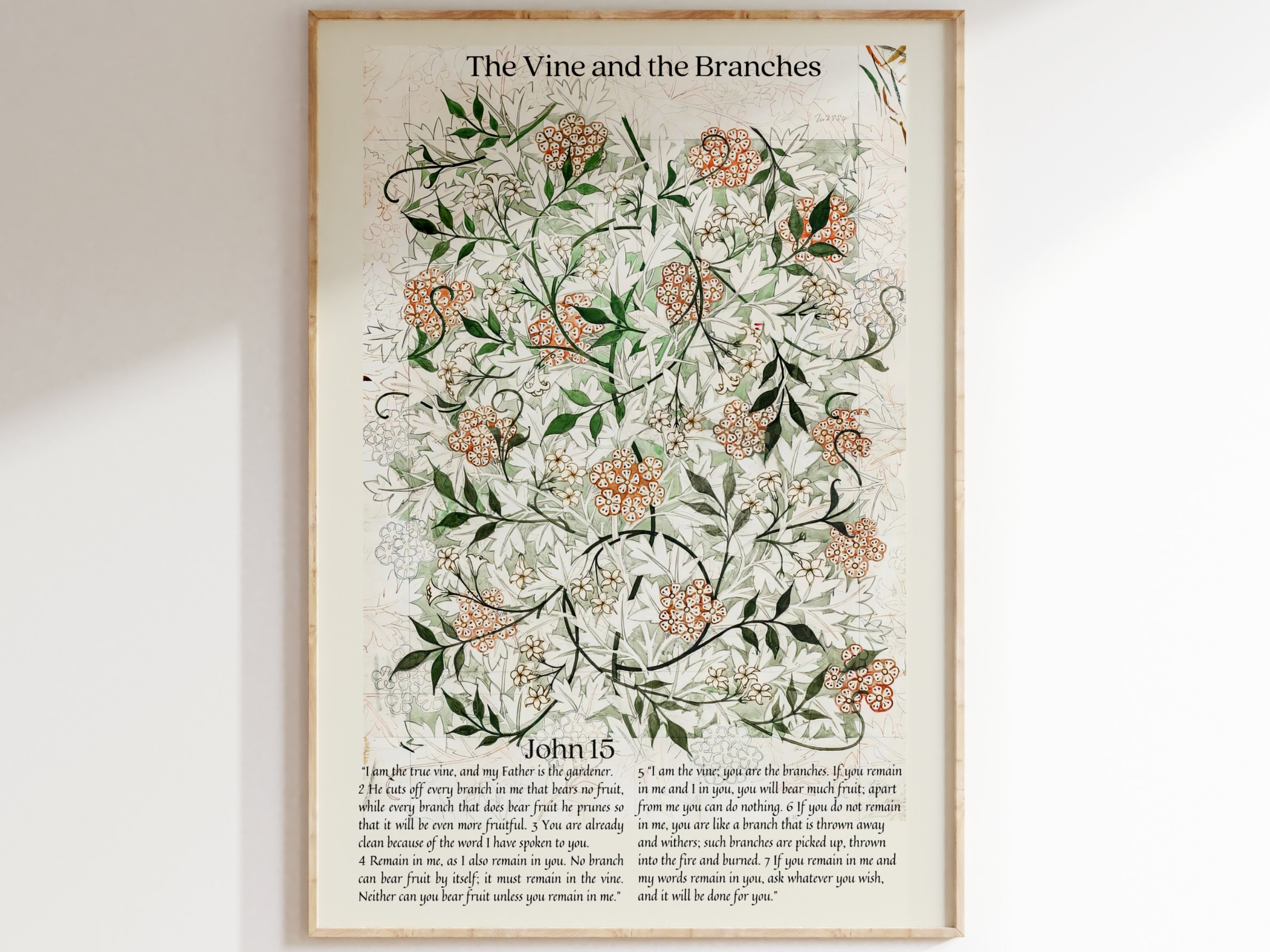
Spiritual fruit is not manufactured through self-effort alone. Just as a branch cannot produce fruit apart from the vine, believers cannot cultivate genuine spiritual transformation apart from abiding in God. The fruit of love, joy, peace, patience, and other virtues emerges as the Holy Spirit works within surrendered hearts.
🙏 Practicing Daily Dependence on God
4
Dependence on God is not a single decision but a daily posture. It grows through intentional practices that nurture communion with Him.
1. Prayer as Relationship
Prayer shifts our focus from self-reliance to trust. In prayer, we surrender our plans, seek guidance, and receive strength.
2. Abiding in God’s Word
Scripture shapes our thinking and anchors our identity. Through God’s Word, we learn His heart and discern His will.
3. Yielding to the Holy Spirit
Dependence involves surrender. As we listen and respond to the Spirit’s prompting, God produces fruit beyond our natural ability.
4. Trusting God in Weakness
Moments of limitation often reveal our deepest need for God. Weakness becomes the doorway through which divine strength is displayed.
🌎 The Impact of a Dependent Life
A life rooted in dependence on God transforms not only the believer but also the surrounding world. Such a life reflects humility, resilience, and authentic love. Ministry becomes less about performance and more about participation in what God is already doing.
Communities are strengthened when believers operate from spiritual overflow rather than exhaustion. Dependence fosters unity, compassion, and perseverance—qualities desperately needed in today’s world.
✨ Conclusion
4
Jesus’ life reminds us that dependence on the Father is not optional for spiritual fruitfulness—it is essential. When we abide in God, we discover that fruit grows naturally from relationship. Our calling is not to strive endlessly but to remain connected to the Source of life.
As we embrace this truth, we find freedom from self-reliance and joy in partnership with God. In dependence, weakness becomes strength, obedience becomes delight, and ordinary lives become vessels of extraordinary grace.
In the rush of daily responsibilities and the quiet moments between them, anxiety often finds a way into our hearts. We worry about the future, replay past mistakes, and carry burdens we were never meant to bear alone. Yet, faith invites us into a different posture — one of surrender.
Surrendering my anxieties to God has not been an instant transformation, but a gentle, ongoing journey of trust. It is the daily decision to release control and rest in the truth that God’s wisdom is far greater than my understanding.
🌿 Recognizing the Weight of Anxiety
Anxiety can disguise itself as responsibility, caution, or even productivity. But beneath the surface, it often reveals a fear of uncertainty and a longing for control. I have learned that acknowledging this weight is the first step toward surrender.
Faith does not deny the presence of anxiety; instead, it offers a place to bring it. When I pause and honestly admit my worries before God, I find that vulnerability becomes the doorway to peace.
🙏 The Practice of Surrender Through Prayer
Prayer has become my sacred space of release. In prayer, I speak my fears aloud, name my uncertainties, and lay them gently before God. Sometimes my prayers are articulate and hopeful; other times they are simple whispers: “Lord, I trust You.”
Surrendering in prayer does not always change my circumstances immediately, but it changes my perspective. I begin to remember that I am not navigating life alone. God is present, attentive, and deeply concerned with the details of my life.
✨ Trusting God’s Wisdom Over My Understanding
Trust is the bridge between anxiety and peace. When I try to map out every outcome, anxiety grows. But when I trust God’s wisdom, I release the pressure to have all the answers.
Trusting God means believing:
That His timing is purposeful
That His plans are rooted in love
That even unanswered prayers are held within His greater story
This trust does not eliminate questions, but it replaces fear with hope. It reminds me that uncertainty is not the absence of God — it is often the space where faith grows deepest.
🌅 Finding Peace in Daily Surrender
Surrender is not a single moment but a daily rhythm. Each morning offers a new opportunity to release worries and receive grace. Some days, surrender feels natural; other days, it is a conscious act repeated over and over.
I have found simple practices that nurture this rhythm:
Beginning the day with a short prayer of trust
Meditating on Scripture that speaks of God’s faithfulness
Journaling worries and intentionally offering them to God
Pausing throughout the day to breathe and remember His presence
Through these small acts, peace gradually takes root. It may not always be loud or dramatic, but it is steady and sustaining.
💛 A Gentle Invitation
If anxiety feels overwhelming, know that surrender is not weakness — it is trust in its purest form. God does not ask us to carry our burdens alone. He invites us to lay them down, again and again, and rest in His care.
Today, my prayer is simple: Lord, I release what I cannot control. I trust Your wisdom, Your timing, and Your love. Teach my heart to rest in You.
And in that quiet surrender, I discover a peace that surpasses understanding — a peace rooted not in certainty, but in the unwavering presence of God.
I pray you have the peace of God in your body, mind, and soul. A peace that surpasses all understanding.
Do Not Tire Yourself: Learning Peace from St. Padre Pio
In a world driven by speed, pressure, and endless demands, the gentle wisdom of Padre Pio of Pietrelcina speaks with renewed urgency:
“Do not tire yourself over things that cause anxiety, preoccupation, and worry. Only one thing is necessary; lift up your spirit and love God.”
This simple yet profound exhortation invites us to rediscover the heart of the Christian life — trustful love of God and interior peace.
The Burden We Were Never Meant to Carry
Modern life often convinces us that worry is responsibility. We replay conversations, anticipate problems, and carry burdens that belong to tomorrow — or to God alone. Anxiety drains the soul, narrows our vision, and robs us of joy in the present moment.
Padre Pio understood this human struggle intimately. As a priest and spiritual father, he encountered countless people weighed down by fear, guilt, and uncertainty. His counsel was never dismissive of suffering, but always pointed beyond it: do not exhaust your heart over what you cannot control.
Worry promises control but delivers fatigue. Trust, on the other hand, opens the soul to grace.
“Only One Thing Is Necessary”
Padre Pio’s words echo Christ’s teaching to Martha in the Gospel (Luke 10:42): “Only one thing is necessary.” This “one thing” is not productivity, success, or problem-solving — it is communion with God.
To lift up your spirit is to:
Turn your thoughts toward God in moments of distress
Entrust your fears to His providence
Seek His presence in prayer rather than in rumination
Love of God does not eliminate life’s trials, but it transforms how we carry them. What once felt crushing becomes an offering; what seemed chaotic becomes entrusted to divine care.
Padre Pio’s School of Trust
The life of Padre Pio was marked by suffering — physical illness, spiritual trials, misunderstanding, and the mysterious stigmata. Yet those who met him often encountered serenity, humor, and deep compassion.
His peace did not come from an absence of hardship, but from abandonment to God’s will. He frequently advised spiritual children:
Pray, hope, and don’t worry.
Offer everything to Jesus with love.
Accept each day as a gift shaped by God’s wisdom.
This spirituality of trust remains profoundly relevant. In a culture obsessed with outcomes, Padre Pio reminds us that holiness is found in fidelity and love.
Practical Ways to Live This Wisdom
Pause and Pray in Moments of Anxiety
A brief prayer — “Jesus, I trust in You” — can interrupt the spiral of worry and re-center the heart.
Limit Mental Overload
Not every thought deserves attention. Gently redirect anxious reflections toward gratitude, Scripture, or silent trust.
Offer Your Concerns to God Daily
Imagine placing your worries into God’s hands each morning. This symbolic act can free your spirit to live with greater peace.
Practice Loving Presence
Love of God is expressed in small acts: patience with others, fidelity in duties, and quiet acceptance of daily crosses.
Peace as a Witness to the World
When Christians live with interior peace, they offer a powerful testimony. Serenity rooted in God does not ignore suffering — it reveals hope within it. Padre Pio’s life continues to draw pilgrims because his peace pointed unmistakably to divine love.
His message is not a call to passivity, but to holy simplicity: do what you can, entrust what you cannot, and love God above all.
A Closing Prayer
Lord, In the midst of worries that tire our minds and burden our hearts, teach us the wisdom of Your servant Padre Pio. Lift our spirits toward You, quiet our anxieties, and help us love You with trustful hearts. May Your peace guard our thoughts and guide our lives. Amen.
P.S. Live in Peace, Love, and Joy and be a blessing to all yo encounter in person or in your thoughts.
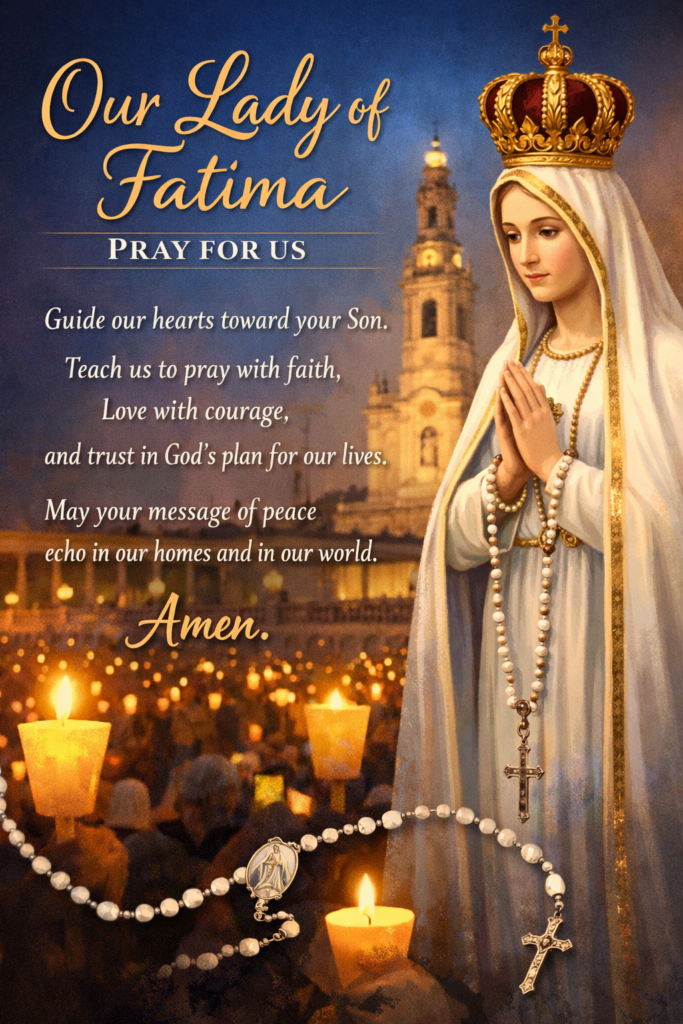
For millions of Catholics around the world, Sanctuary of Our Lady of Fátima in Fátima, Portugal is a place of prayer, healing, and deep spiritual encounter. Even if travel isn’t possible, a virtual pilgrimage can bring the peace and devotion of this sacred site into your heart and home.
Fatima is best known for the 1917 Marian apparitions to three shepherd children — Lúcia dos Santos, Francisco Marto, and Jacinta Marto — who received messages of prayer, repentance, and hope for the world.
✨ Stop 1: The Chapel of the Apparitions 4
Your virtual journey begins at the Chapel of the Apparitions, built on the very spot where Mary appeared. Here stands the statue of Our Lady, crowned and radiant, inviting pilgrims to pray the Rosary and entrust their intentions.
🙏 Virtual Prayer Moment: Close your eyes and imagine standing among pilgrims, candles flickering, as you quietly whisper: “Our Lady of Fatima, pray for us and for peace in our world.”
⛪ Stop 2: Basilica of Our Lady of the Rosary 4
Next, enter the serene Basilica of Our Lady of the Rosary, where the tombs of Jacinta and Francisco rest. The basilica’s peaceful interior encourages reflection on the simplicity and holiness of the young visionaries.
💭 Reflection: The children of Fatima remind us that God speaks through humility and childlike trust. Their lives call us to deeper prayer and sacrifice.
🌟 Stop 3: Candlelight Procession and Rosary Square
As evening falls, imagine joining the famous candlelight procession across the vast square of the sanctuary. Thousands of voices unite in the Rosary, candles glowing like stars — a powerful symbol of faith shared across cultures and nations.
🕯️ Virtual Act of Devotion: Light a candle at home or on your screen and pray a decade of the Rosary for peace, your family, and the needs of the world.
💙 The Message of Fatima for Today
The heart of Fatima’s message remains timeless:
Pray the Rosary daily
Offer sacrifices for sinners
Trust in God’s mercy
Seek peace through conversion
In a world often filled with noise and worry, Fatima calls us back to prayer, simplicity, and hope.
🙏 Closing Prayer
Our Lady of Fatima, gentle Mother, Guide our hearts toward your Son. Teach us to pray with faith, love with courage, and trust in God’s plan for our lives. May your message of peace echo in our homes and in our world. Amen.
In the Gospels, one of the most powerful moments of transformation occurs in the simple yet life-changing encounter between Jesus and a tax collector named Matthew. His story, found in Gospel of Matthew 9:9, is not only about one man’s conversion — it is about the universal invitation Christ extends to every heart, including ours.
A Surprising Choice
Matthew was not the kind of person most religious leaders would have chosen. As a tax collector, he was viewed as dishonest, corrupt, and aligned with the Roman oppressors. To many, Matthew represented betrayal and moral compromise.
Yet Jesus saw beyond Matthew’s reputation.
Scripture tells us that Jesus simply walked by, saw Matthew sitting at his tax booth, and said two words:
“Follow me.”
No lecture. No condemnation. No prerequisites. Just an invitation.
And Matthew’s response was immediate — he got up and followed Him.
This moment reminds us that Jesus does not wait for perfection before calling someone. He calls ordinary people, broken people, searching people — people just like us.
Grace That Sees the Heart
The calling of Matthew reveals a profound truth about God’s grace:
👉 Jesus sees who we can become, not just who we have been.
Where others saw a sinner, Jesus saw a disciple. Where others saw failure, Jesus saw purpose. Where others saw exclusion, Jesus offered belonging.
Matthew’s life would never be the same. He left behind security, comfort, and reputation to walk with Christ. Eventually, he would become one of the Twelve Apostles and the author of the very Gospel that bears his name.
His story is proof that no past disqualifies us from God’s future.
The Call Continues Today
Though centuries have passed, the voice of Jesus still echoes:
“Follow me.”
This call is not limited to apostles or saints — it is spoken into the quiet places of our daily lives.
Jesus calls us:
In moments of prayer
In the stirring of conscience
In the longing for meaning
In opportunities to love, forgive, and serve
Like Matthew, we often sit at our own “tax booths” — places of comfort, routine, attachment, or even sin that keep us from fully surrendering to Christ. The call to follow may require leaving behind old habits, fears, or identities that no longer reflect who God created us to be.
What Does It Mean to Follow?
Following Jesus is not merely belief — it is relationship and transformation.
To follow Him means:
Trusting His mercy more than our failures
Choosing discipleship over convenience
Living with compassion toward others, especially the overlooked
Allowing grace to reshape our priorities and purpose
Matthew’s response teaches us that following Jesus is an act of courage rooted in trust. He did not know where the journey would lead — but he trusted the One who called him.
A Table of Mercy
After his calling, Matthew hosted a meal with Jesus, surrounded by fellow tax collectors and sinners. When questioned, Jesus offered one of the most comforting declarations in Scripture:
“I have not come to call the righteous, but sinners.”
This table scene reveals the heart of Christ — a Savior who meets people where they are and invites them into healing and communion. The same mercy offered to Matthew is offered to us, no matter our past or present struggles.
Our Response
The story of Matthew ultimately poses a question to each of us:
👉 When Jesus says “Follow me,” how will we respond?
Will we remain seated in fear or hesitation? Will we wait until we feel worthy? Or will we, like Matthew, rise and walk toward grace?
Following Jesus does not mean having everything figured out. It simply means taking the next faithful step — trusting that His love will guide, forgive, and transform us along the way.
A Closing Reflection
Matthew’s calling reminds us that God’s invitations are often quiet but always powerful. In every season of life, Jesus passes by our hearts and speaks those same words.
“Follow me.”
May we have the courage to rise, the humility to trust, and the faith to walk with Him — knowing that the One who calls us is also the One who redeems us.
🙏 Prayer: “Lord, Help Me Rise and Follow”
Heavenly Father, You called Matthew from his tax booth with a simple invitation — “Follow me.” In that moment, Your mercy broke through his past, Your love silenced his shame, And Your grace opened a new path.
Lord, I know You speak those same words to me today.
You call me in the middle of my routines, In the quiet moments of reflection, And even in the places where I feel unworthy or afraid. Too often, I remain seated — Held back by doubt, comfort, or the weight of my mistakes.
But You, Jesus, see beyond my past. You see the person I am becoming through Your love.
Give me the courage Matthew had to rise without hesitation. Help me trust that Your call is always an invitation to mercy, Never a reminder of failure. Teach me to leave behind whatever keeps me from walking fully with You — Old habits, fears, pride, and attachments that cloud my heart.
Lord, sit with me at the table of my life, Just as You sat with sinners and friends alike. Heal what is wounded, forgive what is broken, And transform my heart into a dwelling place of compassion and grace.
Today, I hear Your voice again: “Follow me.”
With humble faith, I answer: Yes, Lord. Lead me where You will. Shape me into a disciple of love. And let my life reflect the mercy You so freely give.